
How to Choose the Right Home Care Agency in New York
Choosing a home care agency in New York can feel overwhelming. This guide walks you through licensing, services, caregiver matching, and key questions to ensure your loved one receives safe, compassionate care.
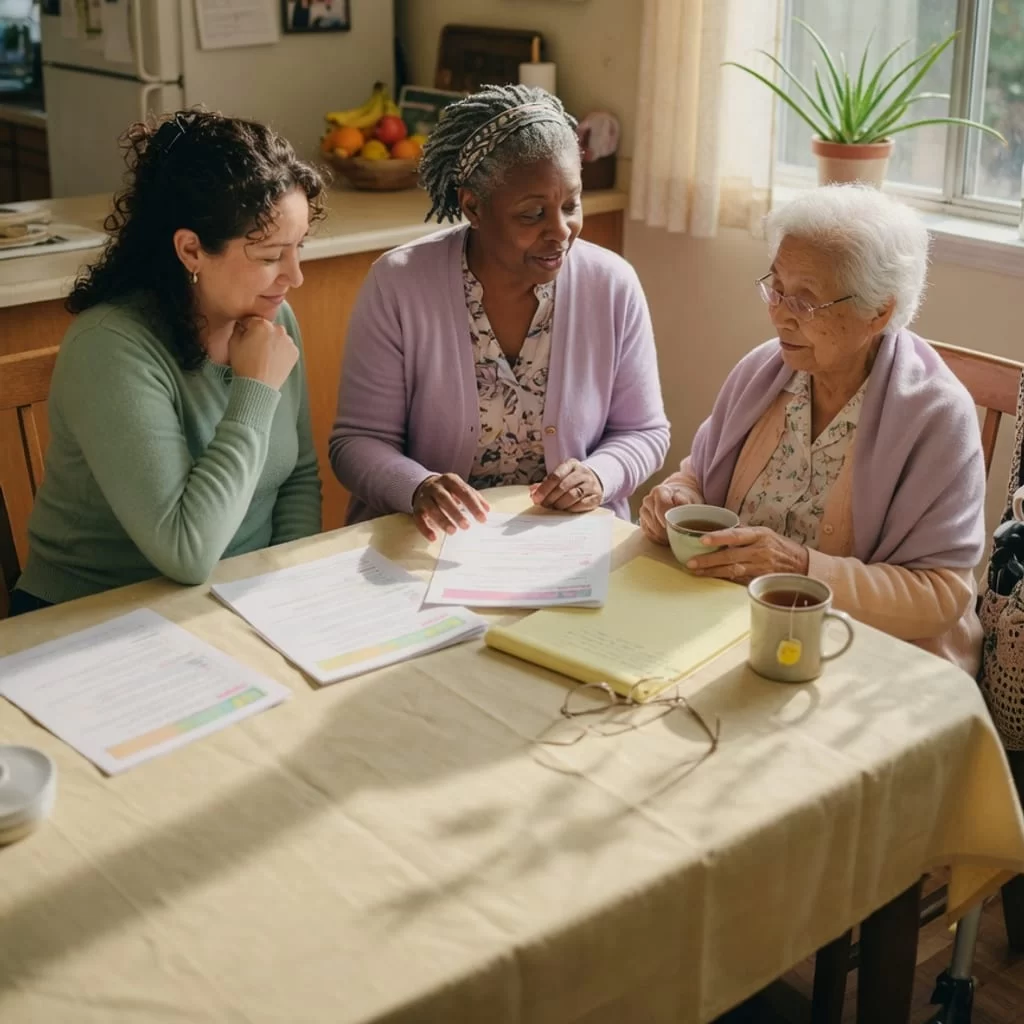
Watching a parent or grandparent struggle with daily tasks can be heartbreaking. You want them to remain independent and safe in their own home, but you also know they need help. The search for the right home care agency in New York can feel overwhelming. Every agency promises quality care, but how do you know which one truly delivers? The answer lies in understanding what makes an agency trustworthy, what services actually meet your loved one’s unique needs, and how to ask the right questions. This guide will walk you through every step of the process, so you can make a confident, informed decision.
Why Choosing the Right Home Care Agency Matters
New York is home to hundreds of home care agencies, each with different licenses, service offerings, and levels of experience. The right agency can make the difference between a senior who feels supported and engaged and one who feels isolated or neglected. Beyond basic tasks like bathing and meal preparation, a good agency provides companionship, medication reminders, and coordination with healthcare providers. A poor choice, on the other hand, can lead to unreliable visits, mismatched caregivers, or even safety risks. Because home care is deeply personal, finding an agency that respects your loved one’s preferences and routines is essential for their wellbeing and your peace of mind.
In New York, state regulations require agencies to meet certain standards, but not all agencies operate with the same level of integrity. Some are part of large chains, while others are local family-run businesses. The type of agency you choose will affect everything from caregiver training to scheduling flexibility. By understanding the landscape and asking the right questions upfront, you can avoid common pitfalls and find a partner in care who truly puts your family first.
Understanding New York’s Home Care Licensing and Certification
Before you even begin comparing agencies, it is crucial to understand the different licensing pathways in New York. A ‘licensed home care services agency’ (LHCSA) is the most common type and is required for agencies that provide personal care, home health aide services, and skilled nursing. These agencies must be certified by the New York State Department of Health and undergo periodic inspections. You can verify an agency’s license status through the DOH website or by calling their regional office. Always ask to see the agency’s current license and check for any history of violations.
Some agencies also hold accreditation from organizations like the Joint Commission or the Community Health Accreditation Program (CHAP). While not mandatory, accreditation indicates that an agency voluntarily meets higher standards of care and quality improvement. Additionally, if your loved one is enrolled in a managed long-term care plan or the Consumer Directed Personal Assistance Program (CDPAP), they may have specific agency requirements. Understanding these regulatory layers will help you narrow down which agencies are legally authorized to provide the services you need and which have a proven track record of compliance.
Key Documents to Request
- Current LHCSA license from the NYS Department of Health
- Certificate of insurance (liability and workers’ compensation)
- Accreditation certificates (if applicable)
- Most recent survey or inspection report
Assessing Your Loved One’s Unique Needs
No two seniors have the same care requirements. Before you contact any agency, take time to assess what your loved one actually needs day to day. Do they need help with bathing, dressing, and toileting? Are they managing their medications independently? Do they require supervision due to dementia or fall risk? Also consider their social and emotional needs. Perhaps they would benefit from someone who enjoys playing cards, taking walks, or simply listening to their stories. A thorough assessment will help you communicate clearly with agencies and avoid paying for services that are not needed or missing ones that are critical.
It can be helpful to create a written list of tasks, preferences, and any medical conditions or limitations. Include information about mobility, diet, and whether they use assistive devices like walkers or oxygen. Also think about scheduling: Do they need care every day, just a few hours a week, or overnight? Some agencies specialize in 24-hour live-in care, while others focus on hourly visits. Knowing these details upfront will allow you to ask targeted questions and quickly eliminate agencies that cannot meet your specific needs.
Questions to Ask About Needs
- Does the agency conduct a comprehensive in-home assessment before creating a care plan?
- How do they match caregivers to the client’s personality and interests?
- Can they accommodate changes in condition, such as a hospital discharge or progression of dementia?
Types of Home Care Services Available in New York
New York offers several distinct home care models, and the right choice depends on your family’s situation and funding source. The most common is ‘personal care’ or ‘home health aide’ services, where an agency employee provides hands-on assistance with activities of daily living. These services are often covered by Medicaid through a managed long-term care plan or the Consumer Directed Personal Assistance Program (CDPAP). In CDPAP, the consumer (or their designated representative) can hire and manage their own caregivers, including family members, with the agency acting as the fiscal intermediary. This model offers more flexibility and control, but it also places more responsibility on the family.
Another important program is the Nursing Home Transition and Diversion (NHTD) Medicaid waiver, which helps seniors and individuals with disabilities move from nursing homes back to community living or avoid institutionalization altogether. Under NHTD, the care plan is highly individualized and may include personal care, home health aides, assistive technology, and other supports. Additionally, private pay agencies offer non-medical companion care for those who do not qualify for Medicaid. Understanding these models will help you ask agencies about their experience with each program and ensure they are authorized to provide the specific type of care your loved one needs.
Evaluating an Agency’s Reputation and Caregiver Quality
A license on paper does not guarantee great care. You need to dig deeper into how an agency recruits, trains, and supervises its caregivers. In New York, home health aides must complete a state-approved training program and pass a competency exam. However, training hour requirements are relatively modest. Look for agencies that go above the minimum by offering ongoing education, simulation labs, or specialized dementia training. Ask about their hiring standards: Do they conduct background checks, verify references, and check for a clean driving record? A high-quality agency will be transparent about these processes.
Equally important is how the agency supports its caregivers. High turnover often leads to inconsistent care and disrupted relationships. Ask about the average tenure of their aides and what they do to retain good staff. Some agencies offer benefits, paid time off, and career advancement opportunities, which correlate with higher satisfaction and better care. You can also read reviews on sites like Google or Yelp, but be aware that negative reviews sometimes reflect isolated incidents. It is more useful to request references from current or past clients with similar care needs to your loved one’s. A reputable agency will be happy to provide them.
Red Flags to Watch For
- Agency is unwilling or slow to provide license or insurance documents
- Caregivers are not consistently the same person each visit
- Complaints about missed visits or late arrivals are not addressed
- No clear process for emergency backup if a caregiver calls out sick
The Matching Process: Finding the Right Caregiver
Even the best agency is only as good as the caregiver who walks through your door. Your loved one will likely spend many hours with this person, so compatibility is vital. Ask each agency how they match caregivers to clients. Do they consider language, cultural background, personality, and interests? Do they allow a trial visit or meet-and-greet before finalizing the assignment? Some agencies use a matching questionnaire that covers topics like favorite hobbies, music, or food. Others rely on the clinical supervisor to make the choice based on experience and skill set.
Communication between the family and agency is key to a successful match. Once care begins, there should be a clear point of contact for feedback and adjustments. If the initial caregiver is not a good fit, a responsive agency will work with you to find a replacement without causing disruption. Ask about their policy for changing caregivers: Is there a time frame? Are there fees? Also inquire about how they handle supervision. Some agencies send a nurse or social worker to check in regularly, while others leave it up to the family to report concerns. Regular supervision helps ensure that care plans are followed and that any issues are caught early.
Cost, Insurance, and Payment Options
Home care in New York can be expensive, but many families have options to offset the cost. The most common funding source is Medicaid, either through a managed long-term care plan or the CDPAP program. Eligibility is based on income, assets, and medical need. If your loved one has Medicare, original Medicare does not cover long-term personal care, but it may cover short-term skilled home health care after a hospital stay. Private insurance plans sometimes offer home care benefits, but these vary widely. It is essential to contact your loved one’s insurance company to understand what is covered and what documentation is needed.
For private pay families, rates in New York range from $20 to $40 per hour depending on the type of care and geographic location. Agencies should provide a clear written estimate that includes all fees, such as overtime, weekend rates, and administrative charges. Be wary of agencies that pressure you into signing a contract without a full explanation of costs. Also ask about cancellation policies and whether there are any hidden fees for early termination. If your loved one qualifies for a program like NHTD, the agency must work with your care coordinator to develop a budget. A trustworthy agency will help you navigate these financial complexities rather than avoid them.
Key Questions to Ask Every Agency
When you are ready to speak with agencies, having a prepared list of questions will help you compare them fairly. Start with the basics: ‘Are you licensed by the New York State Department of Health?’ and ‘Do you have liability insurance?’ Then move to specifics: ‘How do you conduct caregiver background checks?’ and ‘What is your process for creating a care plan?’ Ask about communication: ‘Who is our dedicated point of contact?’ and ‘How do we reach someone after hours or on weekends?’
Dive into scheduling: ‘What happens if a caregiver calls out sick or is late?’ and ‘Can we request the same caregiver consistently?’ Inquire about supervision: ‘How often does a supervisor visit the home?’ and ‘How do you handle complaints or changes in care needs?’ Finally, ask for references: ‘Can you provide contact information for two families who have used your services for similar needs?’ Listen carefully to the answers. An agency that answers confidently and transparently is more likely to be reliable. An agency that hedges or deflects may have something to hide. Trust your instincts.
Frequently Asked Questions
What is the difference between a home health aide and a personal care aide in New York?
In New York, a home health aide (HHA) has completed a state-approved training program (75 hours) and can perform some basic health-related tasks such as taking vital signs under the supervision of a nurse. A personal care aide (PCA) typically has less training (40 hours) and focuses on assistance with daily living activities like bathing, dressing, and light housekeeping. Both types of aides can provide excellent support, but the choice depends on your loved one’s medical needs and the specific program they are enrolled in.
Can family members be paid as caregivers through CDPAP?
Yes, the Consumer Directed Personal Assistance Program (CDPAP) allows the consumer to hire and manage their own caregivers, including family members (with some exceptions, such as a legal guardian or spouse if the consumer is on Medicaid). The fiscal intermediary agency handles payroll and taxes, but the caregiver is chosen by the family. This option gives you more control and can strengthen family bonds, but it also requires you to handle scheduling and supervision.
How long does it take to get home care services started?
The timeline varies depending on the funding source. For private pay, services can often begin within a few days once a care plan is agreed upon and a caregiver is matched. For Medicaid-funded care, the process often takes several weeks due to eligibility verification, assessments, and authorization. Programs like NHTD can take longer because they require a detailed transition plan. Ask the agency for their typical timeline and any steps you can take to expedite the process.
What should I do if I am not satisfied with the caregiver provided?
First, communicate your concerns to the agency’s supervisor. Most reputable agencies have a procedure for addressing dissatisfaction, including offering a different caregiver. It is important to be specific about what is not working – whether it is a personality mismatch, language barrier, or quality of care issue. A good agency will take your feedback seriously and work to resolve the situation quickly. If you feel the agency is not responsive, you have the right to file a complaint with the New York State Department of Health.
What are the signs that an agency is not trustworthy?
Warning signs include an unwillingness to provide licensing documents or insurance certificates, high-pressure sales tactics, vague answers about caregiver training, and a lack of clear policies for emergencies or caregiver changes. Also be cautious if you cannot find any online reviews or if the agency has numerous unresolved complaints with the Better Business Bureau. Trust your gut: if something feels off, continue your search. Reliable agencies are transparent from the first conversation.
Choosing the right home care agency for your loved one is one of the most important decisions your family will make. It takes research, patience, and a willingness to ask tough questions. But the reward is priceless: knowing that your mother, father, or grandparent is safe, comfortable, and treated with dignity in their own home. If you feel overwhelmed, you do not have to navigate this journey alone. Our team at Rockaway Home Care is here to answer your questions, help you understand your options, and guide you toward the best care for your family. Reach out today for a free, no-obligation consultation. Let us help you bring peace of mind to your home.
This article provides general information about choosing a home care agency in New York and is not a substitute for professional medical or legal advice. Always consult with a qualified healthcare provider or elder law attorney for guidance specific to your situation.
More from the Rockaway Home Care blog
- Understanding Medicaid home care eligibility
- Top questions families ask about home care costs
- Choosing between live-in care and hourly home care
- How to create a home care plan for a loved one