
Nutrition and Meal Support for Older Adults at Home
Discover how to ensure your aging loved one gets the nutrition they need with practical meal support strategies, including easy-to-eat foods, hydration tips, and home care options like CDPAP.
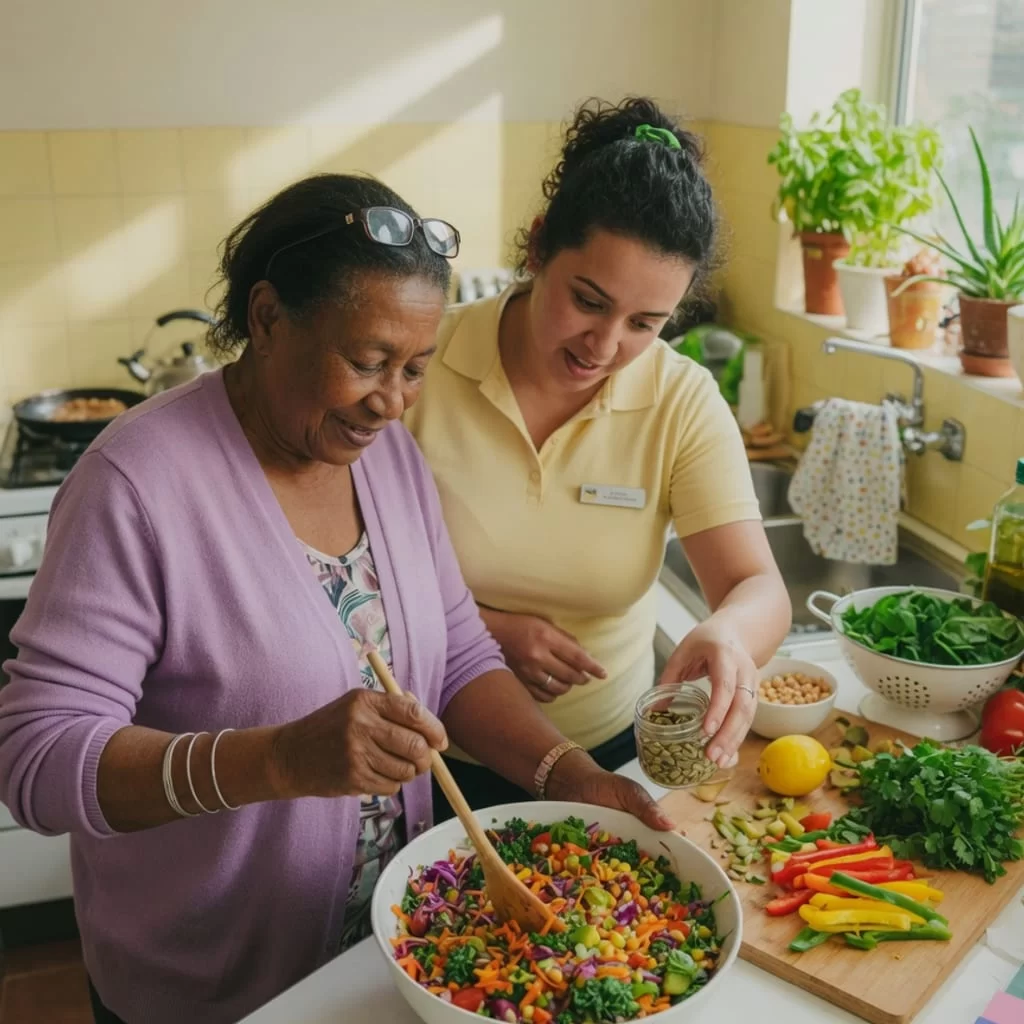
As our parents and grandparents grow older, the simple act of eating can become a challenge. What was once a source of joy and connection can turn into a daily struggle. You may notice your loved one skipping meals, relying on easy but unhealthy snacks, or losing weight without meaning to. You are not alone in this worry. Many families caring for an aging loved one at home face the same question: how can we make sure they get the nourishment they need while respecting their independence? At Rockaway Home Care, we believe that good nutrition is a cornerstone of healthy aging. With the right support and a little creativity, you can help your loved one enjoy meals again and maintain their strength, energy, and quality of life. This article offers practical, compassionate guidance on nutrition and meal support for older adults living at home.
Understanding the Unique Nutrition Needs of Older Adults
Nutrition requirements change as we age. The body becomes less efficient at absorbing certain nutrients, and metabolism slows down. At the same time, many seniors face a decreased appetite due to medication side effects, dental issues, or changes in taste and smell. This makes it crucial to focus on nutrient-dense foods rather than empty calories. For example, instead of a bowl of plain cereal, a small serving of Greek yogurt with berries and a sprinkle of almonds provides protein, calcium, fiber, and healthy fats in a compact form. Older adults often need more calcium and vitamin D to maintain bone health, more B12 for nerve function, and more fiber to prevent constipation. However, they may need fewer calories overall. The goal is to make every bite count.
Beyond vitamins and minerals, protein becomes especially important. Loss of muscle mass, known as sarcopenia, is a common problem in seniors and can lead to frailty and falls. Including high-quality protein at every meal helps preserve muscle. Good sources include eggs, poultry, fish, beans, lentils, and dairy. For those who have trouble chewing, soft options like cottage cheese, scrambled eggs, or pureed soups can deliver protein without effort. Remember that hydration is also a critical part of nutrition. Older adults often have a diminished sense of thirst and may become dehydrated without realizing it. Water, herbal teas, and hydrating foods like watermelon or cucumber slices can help. By understanding these unique needs, you can tailor meals to support their health without overwhelming them.
Common Challenges Seniors Face with Eating at Home
Many older adults struggle with eating for reasons that go beyond just appetite. Physical limitations can make meal preparation difficult. Arthritis may make it hard to open jars or chop vegetables. Poor vision might lead to spills or burns in the kitchen. Fatigue from chronic conditions like heart disease or diabetes can sap the energy needed to cook a full meal. Even something as simple as grocery shopping can become a daunting task. When a senior lives alone, there is often little motivation to cook for one, leading to skipped meals or reliance on processed foods.
Emotional factors also play a big role. Depression, grief, or loneliness can suppress appetite. The loss of a spouse who used to share meals can make dining feel empty. Social isolation reduces the joy of eating together. Additionally, dental problems, ill-fitting dentures, or dry mouth can cause physical discomfort while eating. Swallowing difficulties, known as dysphagia, affect many older adults and may require texture-modified foods. Recognizing these barriers is the first step. Once you understand what is holding your loved one back, you can find practical solutions. For instance, an occupational therapist can suggest adaptive utensils, or a home health aide can prepare meals and sit with them to make mealtime a social experience.
Practical Meal Planning Tips for Caregivers
Meal planning does not have to be complicated. The key is to focus on simplicity, variety, and nutrition. Start by creating a weekly menu that includes a balance of protein, whole grains, fruits, vegetables, and healthy fats. Aim for three small meals and two or three snacks during the day. Smaller, frequent meals are often easier for seniors to manage than large portions. For example, breakfast could be oatmeal with sliced banana and a spoonful of almond butter. A mid-morning snack could be a small cup of yogurt. Lunch might be a bowl of lentil soup with a side of soft whole wheat bread. Afternoon snack: a handful of grapes with a cheese stick. Dinner: baked salmon with mashed sweet potatoes and steamed green beans.
Make use of time-saving strategies. Cook in batches on weekends and freeze individual portions. Invest in pre-cut vegetables or rotisserie chicken from the grocery store. Use kitchen gadgets like a slow cooker or an electric kettle to simplify tasks. Label containers with dates so nothing goes to waste. Involve your loved one in the planning as much as possible. Even if they cannot physically cook, they can choose their favorite meals or help set the table. This preserves their sense of autonomy. Also, keep a food diary for a week to note what they actually eat. You may discover they eat better at certain times of day or prefer certain textures. Use this insight to adjust your approach.
Easy-to-Eat and Nutrient-Dense Foods for Seniors
When chewing or swallowing becomes difficult, texture modification is essential. Soft, moist foods are easier to eat and less likely to cause choking. Consider pureed soups, smoothies, mashed potatoes, scrambled eggs, cottage cheese, avocado, and cooked cereals. Adding a little broth or sauce can make dry foods easier to swallow. Smoothies are a fantastic vehicle for nutrition: blend fruits, vegetables, yogurt, milk or a dairy alternative, and even a scoop of protein powder or nut butter. They can be made ahead and kept in the fridge. For those who need thickened liquids, consult a speech therapist for safe recipes.
Finger foods are another great option for seniors who have trouble using utensils or want to nibble throughout the day. Cut up soft cheese, cooked vegetables, small pieces of omelet, berries, or chunks of banana. Hard-boiled eggs cut into quarters are easy to hold. Offer a variety of colors and textures to make the plate appealing. Remember that taste buds change with age; some seniors prefer stronger flavors. Try adding herbs, lemon juice, or a splash of vinegar to enhance taste without extra salt. A sprinkle of cinnamon on oatmeal or roasted carrots can make a big difference. Experiment with mild spices like cumin or paprika to add interest. The goal is to create meals that are both nutritious and enjoyable to eat.
The Importance of Hydration
Hydration is often overlooked but is vital for seniors. Dehydration can lead to confusion, urinary tract infections, constipation, and even hospitalization. Because the sense of thirst diminishes with age, older adults need to be reminded or encouraged to drink fluids regularly. Aim for six to eight cups of fluid per day, unless a doctor advises otherwise for specific medical conditions. Water is best, but other beverages can contribute: milk (provides calcium and vitamin D), herbal teas, broths, and diluted fruit juices. Avoid sugary sodas and excessive caffeine, which can be dehydrating.
Make drinking easy. Keep a water bottle or cup with a straw within reach throughout the day. Set a timer to remind them to take a sip. Offer hydrating foods like watermelon, cucumbers, oranges, and gelatin desserts. If they resist plain water, try adding slices of lemon or cucumber for flavor. Warm beverages like chamomile tea or low-sodium broth can be soothing, especially in colder months. For those with swallowing difficulties, thickened liquids may be necessary based on a professional assessment. Caregivers and home health aides can play a key role by gently offering fluids and tracking intake. A simple log can help prevent dehydration.
Involving Family and Home Care Support
Nutrition is not just about food; it is also about connection. Shared meals can combat loneliness and stimulate appetite. If you live nearby, try to have a meal together several times a week. If distance is an issue, arrange video call dinners where you both eat at the same time. Grandchildren can be wonderful motivators. Inviting them to share a simple meal with Grandma can make her eat better and brighten her day. If family help is limited, a home care agency like Rockaway Home Care can provide invaluable support. A trained home health aide can assist with grocery shopping, meal preparation, and even feeding if needed. They can also encourage hydration and monitor changes in eating habits.
One particularly flexible option is the Consumer Directed Personal Assistance Program (CDPAP). This New York program allows you to hire a family member or friend as a paid caregiver. This means a loved one can help with meal support while being compensated. It’s a wonderful way to ensure continuity and trust in care. The aide can learn your loved one’s preferences and routines, making mealtimes comfortable and consistent. Whether through formal home care or family involvement, having someone present during meals can transform the experience from a chore into a pleasant ritual. Rockaway Home Care can guide you through the process of hiring a caregiver through CDPAP or traditional home health aide services.
Meal Delivery Services and Community Resources
Sometimes, even with the best intentions, preparing meals at home becomes too difficult. That is where meal delivery services can step in. Many programs offer nutritious, pre-prepared meals specifically designed for seniors. For example, Meals on Wheels provides home-delivered meals to older adults who are homebound. These meals are often low in sodium and meet nutritional guidelines. Other options include local senior centers that offer community dining programs, where seniors can enjoy a hot meal in a social setting. Some grocery stores also deliver pre-made meals or groceries, which can be helpful if the senior is able to reheat food safely.
In New York, there are additional resources. The New York City Department for the Aging offers home-delivered meals and congregate meal programs. Area Agencies on Aging can help connect families with local services. If cost is a concern, check eligibility for Supplemental Nutrition Assistance Program (SNAP) benefits, which can be used to buy groceries. Some older adults may qualify for the Commodity Supplemental Food Program (CSFP), which provides a monthly food package. Rockaway Home Care can assist families in navigating these resources. The goal is to ensure no senior goes hungry or eats poorly because of a lack of access. Meal delivery services can be a wonderful supplement to home care, giving you peace of mind that your loved one has a reliable source of nourishment.
Frequently Asked Questions
How can I encourage my loved one to eat more when they have no appetite?
Start by offering small, frequent meals rather than three large ones. Make the food visually appealing with colorful fruits and vegetables. Create a pleasant environment with a clean table, soft music, and company. Sometimes a change in routine, like a picnic in the living room or a new recipe, can spark interest. Also, check with their doctor for underlying causes such as depression or medication side effects.
What are the best foods for seniors with swallowing difficulties?
Soft and pureed foods are safest. Think smoothies, yogurt, pudding, mashed potatoes, scrambled eggs, and well-cooked oatmeal. For liquids, use thickeners as recommended by a speech therapist. Avoid dry, crumbly, or sticky foods like bread or peanut butter. Always consult a professional for a personalized plan.
Is it safe for an older adult to skip meals?
Consistently skipping meals can lead to weight loss, weakness, and malnutrition. If your loved one skips a meal occasionally, try offering a nutritious snack later. However, if it becomes a pattern, it’s important to identify the reason. A home care aide can help establish a regular eating schedule to ensure they get enough calories and nutrients.
How does CDPAP help with meal support?
Through CDPAP, you can hire a family member or friend to become a paid caregiver. This person can assist with meal planning, grocery shopping, cooking, feeding, and ensuring hydration. It allows a trusted individual to provide personalized support, which can be especially effective for encouraging good nutrition.
What should I do if my loved one is losing weight unintentionally?
First, consult their doctor to rule out medical causes. Then, focus on increasing calorie density in their favorite foods. Add healthy fats like olive oil or avocado, offer protein shakes, and include frequent snacks. A home care professional can help monitor intake and adjust the meal plan. Rockaway Home Care can connect you with resources to address this concern.
Caring for an aging loved one is a journey filled with love, patience, and many small victories. You have already taken a big step by seeking information on nutrition and meal support. Remember, you do not have to do it all alone. At Rockaway Home Care, we are here to help. Whether you need a few hours of meal preparation assistance or a full-time caregiver through CDPAP, our team can create a plan that honors your loved one’s dignity and health. Reach out to us for a free, no-obligation consultation. Let’s work together to bring warmth and nourishment back to the table.
This article is for general informational purposes only and does not constitute medical advice. Always consult with a qualified healthcare professional for personalized guidance regarding your loved one’s nutrition and health.
More from the Rockaway Home Care blog
- Understanding Medicaid home care eligibility
- Top questions families ask about home care costs
- Choosing between live-in care and hourly home care
- How to create a home care plan for a loved one