
Managing Diabetes at Home with In-Home Support
Managing diabetes at home becomes easier with professional in-home support. This guide covers nutrition, medication, activity, and emotional care for seniors with diabetes.
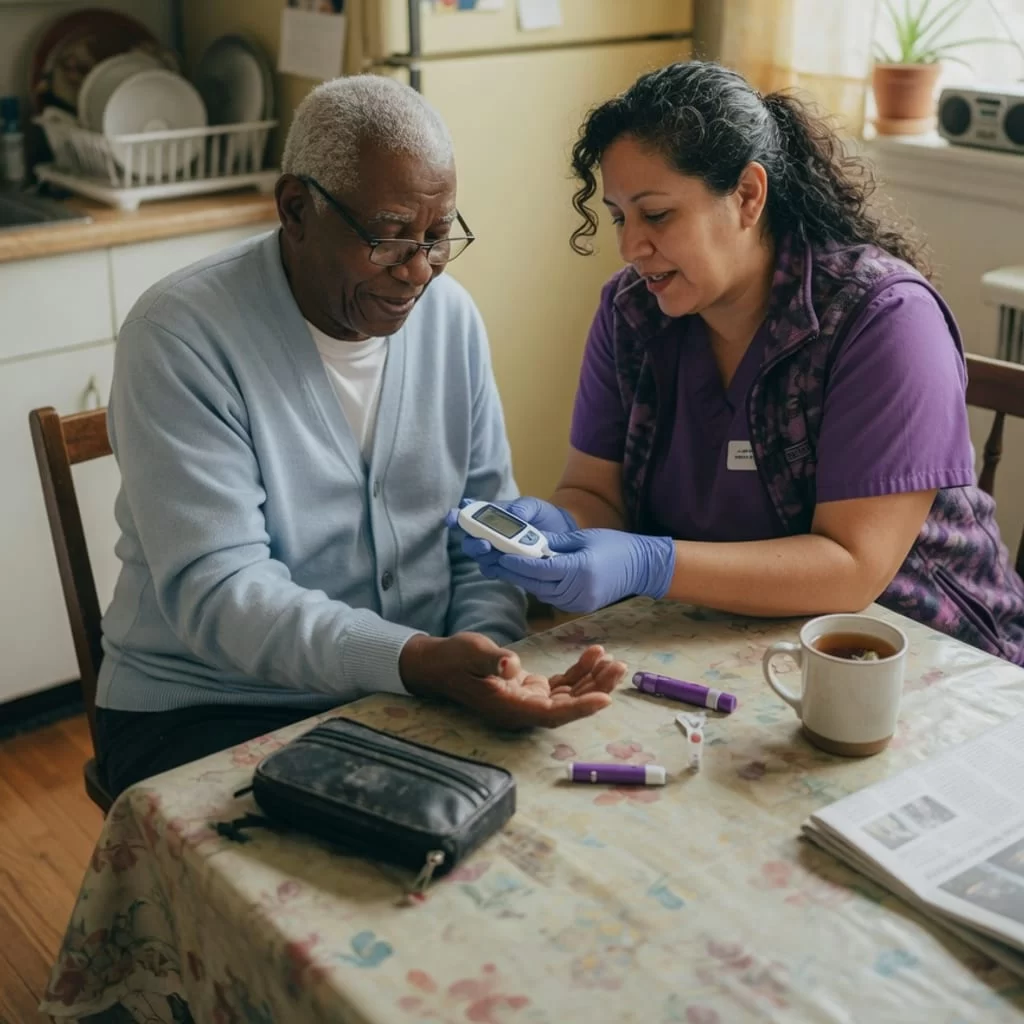
Caring for an aging loved one with diabetes can feel overwhelming. Between monitoring blood sugar, preparing special meals, and ensuring medications are taken on time, the responsibilities pile up quickly. You want them to remain independent and safe at home, but you also worry about the risks of hypoglycemia, falls, or complications. The good news is that with the right in-home support, managing diabetes at home becomes not only possible but empowering. Professional home health aides and caregivers can work alongside you and your loved one to create a structured, compassionate routine that keeps blood sugar stable and quality of life high. In this article, we will explore practical strategies for diabetes management with the help of in-home care, from meal planning to medication management to emotional support.
Understanding Diabetes in Older Adults
Diabetes affects millions of older adults, and its management changes with age. The body’s ability to produce and use insulin often declines, and other health conditions like heart disease, kidney issues, or neuropathy can complicate care. For seniors living at home, the risk of hypoglycemia (low blood sugar) is especially concerning because symptoms can be mistaken for normal aging, such as confusion, dizziness, or fatigue. In-home caregivers are trained to recognize these subtle signs and respond quickly, which is a critical layer of safety.
Moreover, older adults may have difficulty following complex meal plans or remembering medication schedules. Vision problems, arthritis, or cognitive decline can make it hard to read glucose meters, prepare food, or even inject insulin. This is where in-home support truly shines. A caregiver can simplify the routine, provide gentle reminders, and adapt the care plan to your loved one’s unique abilities. By understanding the specific challenges seniors face, families can work with caregivers to create a diabetes management plan that is realistic and effective.
For example, a home health aide might help your mother test her blood sugar each morning and keep a log. If her readings are consistently high after breakfast, the aide can suggest a tweak to her morning meal or notify a family member or nurse. This kind of ongoing observation and communication prevents small issues from becoming emergencies.
The Role of In-Home Support in Diabetes Management
In-home support for diabetes goes beyond just checking blood sugar. A skilled caregiver can become a partner in health, helping with everything from grocery shopping for diabetes-friendly foods to accompanying your loved one on walks for exercise. The goal is to maintain independence while ensuring safety. Many families worry that hiring a caregiver means losing control or privacy, but in reality, it often gives seniors more freedom because they are not reliant on family members for every task.
Caregivers from agencies like Rockaway Home Care are trained in chronic disease management. They understand the importance of consistency in meal times, medication adherence, and physical activity. They can also coordinate with healthcare providers, such as endocrinologists or dietitians, to ensure the home care plan aligns with medical advice. For instance, if a doctor recommends a low-carb diet, the caregiver can prepare meals that fit those guidelines and even involve your loved one in cooking if they enjoy it.
One concrete example: your father may be reluctant to check his blood sugar because he finds the process painful or confusing. A patient caregiver can teach him how to use a lancing device with less discomfort, or set up a continuous glucose monitor that sends readings to a smartphone. The caregiver can also explain the ‘why’ behind each step, turning a chore into a meaningful health habit. This partnership builds trust and reduces the anxiety that often surrounds diabetes management.
Meal Planning and Nutrition Support
Diet is the cornerstone of diabetes management, but it can be the hardest part for seniors living alone. Cooking for one often leads to skipped meals, reliance on processed foods, or overeating because of boredom. In-home caregivers can help by planning balanced meals that are both delicious and blood-sugar-friendly. They consider your loved one’s preferences, cultural food traditions, and any chewing or swallowing difficulties.
A caregiver might create a weekly menu that includes plenty of non-starchy vegetables, lean proteins, whole grains, and healthy fats. They can prepare meals in advance and portion them out to prevent overeating. For example, a typical breakfast could be oatmeal with berries and a sprinkle of cinnamon (which may help lower blood sugar), while lunch might be a grilled chicken salad with a light vinaigrette. Snacks like apple slices with peanut butter or a small handful of almonds are easy to prepare and keep glucose levels stable.
Beyond cooking, caregivers can assist with grocery shopping by reading labels together and avoiding hidden sugars. They can also encourage hydration, as dehydration can affect blood sugar. If your loved one has special dietary restrictions due to kidney disease or other conditions, the caregiver can adapt accordingly. The key is consistency: regular meal times help regulate insulin and prevent dangerous spikes or crashes.
Medication Management and Monitoring
Managing diabetes medications at home requires precision and vigilance. Seniors often take multiple pills, insulin injections, or both, and it is easy to forget a dose or take it at the wrong time. In-home caregivers can set up a medication schedule with alarms, use pill organizers, and even administer insulin injections if they are trained and it is within their scope of practice (always check with the agency). They also keep detailed records of doses and blood sugar readings.
For instance, if your loved one takes metformin twice a day and long-acting insulin at bedtime, the caregiver can create a visual chart with times and dosages. They can also watch for side effects like nausea or low blood sugar episodes. If a reading is too low, the caregiver knows to provide a fast-acting sugar source like juice or glucose tablets and then notify the family or doctor. This immediate response can prevent a trip to the emergency room.
Monitoring does not stop at blood sugar. Caregivers can also track weight, blood pressure, and foot health (more on that later). They can help your loved one understand patterns, such as why their morning readings are high (the dawn phenomenon) or why exercise lowers their numbers. This education empowers seniors to take an active role in their own care. For families, having a caregiver handle the daily monitoring reduces stress and frees up time for meaningful visits.
Physical Activity and Mobility Assistance
Regular physical activity helps control blood sugar by improving insulin sensitivity. But for many seniors, exercise feels daunting due to joint pain, balance issues, or lack of motivation. In-home caregivers can provide gentle encouragement and assistance. They can guide your loved one through simple exercises like seated leg lifts, arm curls with light weights, or walking around the block with support.
Safety is paramount. A caregiver can ensure your loved one wears proper footwear, uses a walker or cane if needed, and stays hydrated. They can also incorporate activity into daily routines, such as gardening, dancing to music, or doing household chores together. For example, folding laundry while standing burns more calories than sitting, and it also provides a sense of purpose.
It is important to tailor activity to the individual’s abilities and health status. If your loved one has neuropathy, the caregiver can focus on non-weight-bearing exercises like chair yoga or leg stretches. If they have heart disease, the caregiver can monitor heart rate and avoid overexertion. The goal is not intense workouts but consistent movement that keeps blood sugar in check and maintains muscle strength, which is vital for fall prevention.
Preventing Complications: Foot Care and Hygiene
Diabetes can cause poor circulation and nerve damage in the feet, making even small cuts or blisters dangerous. Seniors may not notice injuries because they cannot feel them, and infections can lead to serious complications. In-home caregivers can perform daily foot checks for redness, swelling, or sores. They can also help with proper foot hygiene, including washing with warm water, drying carefully between toes, and applying lotion to prevent cracking.
Caregivers can assist with trimming toenails (or arranging a podiatrist visit) and ensuring your loved one wears well-fitting, non-binding socks and shoes. They can also look for signs of infection like warmth or discharge. If any issue is found, the caregiver can alert the family and healthcare provider promptly. This proactive care is one of the most valuable services a home health aide can provide.
Beyond feet, general hygiene matters. High blood sugar can lead to skin infections, so caregivers help with bathing, moisturizing, and checking for any unusual spots or rashes. They also encourage good oral hygiene, as gum disease is more common in people with diabetes. By addressing these small details, in-home support prevents minor issues from turning into hospitalizations.
Emotional Well-Being and Social Support
Living with diabetes can be emotionally draining. Seniors may feel isolated, frustrated, or depressed by the constant need for monitoring and dietary restrictions. In-home caregivers provide not just physical assistance but also companionship. They can listen, offer encouragement, and engage your loved one in enjoyable activities that take their mind off the disease.
Caregivers can help your loved one stay connected to friends and family through phone calls, video chats, or even writing letters. They can accompany them to social events or support groups if possible. For example, a caregiver might research local diabetes support groups for seniors and help your loved one attend virtually or in person. Feeling understood by others who share similar challenges can be incredibly uplifting.
Simple pleasures matter too. Sharing a cup of tea, looking at photo albums, or playing a board game can reduce stress hormones and improve blood sugar control. Caregivers are trained to recognize signs of depression or anxiety and can report concerns to the family or a mental health professional. By addressing emotional health, in-home support makes the diabetes journey less lonely and more manageable.
Working with a Home Health Aide: Tips for Families
To get the most out of in-home support, clear communication between the family, the caregiver, and the care agency is essential. Start by writing down your loved one’s diabetes care plan, including meal preferences, medication times, blood sugar targets, and emergency contacts. Share this document with the caregiver during the first visit. Also, discuss any behavioral quirks, such as resistance to finger pricks or a sweet tooth, so the caregiver can approach them with patience.
It is helpful to establish a daily schedule that balances care tasks with independence. For instance, the caregiver might arrive in the morning to help with breakfast and medication, then return in the evening for dinner and a blood sugar check. Allow the caregiver to build rapport with your loved one; sometimes a stranger can encourage healthy habits better than a family member who is seen as nagging.
Finally, be open to feedback. The caregiver may notice patterns you miss, such as that your loved one’s blood sugar spikes after certain foods or that they feel dizzy after a particular medication. Use this information to adjust the care plan with the help of a doctor. Remember, the caregiver is your partner, not a replacement. With teamwork, managing diabetes at home becomes a shared success rather than a solo struggle.
Frequently Asked Questions
How often should a senior with diabetes have their blood sugar checked?
The frequency depends on the type of diabetes and treatment plan. Many older adults with type 2 diabetes on oral medications check once or twice daily, often before meals. Those on insulin may need more frequent checks. A home health aide can help establish a routine based on the doctor’s orders and keep a log to share with the healthcare team.
Can a home health aide give insulin injections?
In many cases, yes, if the aide has received proper training and the agency’s policies allow it. Always verify with your home care agency and state regulations. The caregiver must also have a written order from the doctor and be comfortable with the procedure. If your loved one prefers to self-inject, the aide can supervise and assist with preparation.
What foods should be avoided for a senior with diabetes?
Limit sugary drinks, white bread, white rice, and processed snacks high in refined carbs. Instead, focus on whole grains, vegetables, lean proteins, and healthy fats. A caregiver can help identify hidden sugars in sauces, cereals, and condiments. It is best to consult a dietitian for a personalized meal plan.
How can in-home care prevent diabetes-related foot problems?
Daily foot inspections, proper washing and drying, moisturizing, and wearing supportive shoes are key. Caregivers can also help schedule regular podiatrist visits and watch for early signs of infection. Immediate reporting of any cuts or sores can prevent serious complications.
What should I do if my loved one refuses to follow their diabetes care plan?
Try to understand the reason behind the resistance, whether it is fear, discomfort, or lack of understanding. A caregiver can gently educate and build trust over time. Involving the doctor or a diabetes educator may also help. Patience and positive reinforcement work better than pressure. If necessary, the care plan can be adjusted to make it less burdensome.
Managing diabetes at home is a journey, but you do not have to walk it alone. With the compassionate support of trained caregivers from Rockaway Home Care, your loved one can live safely and comfortably while keeping their blood sugar under control. Our team is here to partner with your family, offering personalized care that respects your loved one’s dignity and independence. We invite you to reach out for a free consultation to discuss how we can help create a diabetes care plan that works for you and your family.
This article provides general information and is not a substitute for professional medical advice. Always consult with a healthcare provider for specific diabetes management recommendations.
More from the Rockaway Home Care blog
- Understanding Medicaid home care eligibility
- Top questions families ask about home care costs
- Choosing between live-in care and hourly home care
- How to create a home care plan for a loved one