
Signs Your Loved One May Need More Support at Home
Recognizing when an aging loved one needs more help at home can be challenging. This guide covers the most common signs and offers practical steps to ensure their safety and well-being.
It often starts quietly. Maybe you notice a few unopened mail piles, a slight weight loss, or a once-pristine kitchen that now looks a bit disorganized. As adult children or family caregivers, we want to respect our loved one’s independence, but we also worry. The question is: when does normal aging become a sign that they need more support at home? Recognizing these signs early can prevent accidents, reduce hospital visits, and improve quality of life. This article will help you identify the most common indicators that your aging parent or relative may benefit from additional home care assistance.
Changes in Personal Hygiene and Grooming
One of the earliest and most noticeable signs is a decline in personal care. If your loved one has always taken pride in their appearance but now seems unkempt, wearing the same clothes for days, or skipping baths, it may indicate more than just a busy week. This can stem from physical limitations like arthritis making it hard to bathe, or cognitive issues causing them to forget routines.
Look for subtle clues: a strong body odor, unwashed hair, or dirty fingernails. They might also neglect oral hygiene, leading to bad breath or dental problems. These changes are not about laziness; they often signal that daily tasks have become overwhelming. A home health aide can provide gentle assistance with bathing, dressing, and grooming, preserving dignity while ensuring cleanliness.
If you notice these changes, start a compassionate conversation. Ask open-ended questions like, ‘I noticed you seem tired lately. Is it hard to get ready in the morning?’ Avoid criticism. Instead, offer solutions such as installing grab bars in the shower or scheduling a weekly visit from a caregiver to help with personal care.
Unexplained Weight Loss or Poor Nutrition
Weight loss in seniors is a serious red flag. It can result from difficulty cooking, loss of appetite, medication side effects, or dental issues. You might find expired food in the fridge, empty cupboards, or a freezer full of frozen dinners that are never eaten. Your loved one may say they ‘just aren’t hungry’ or that cooking is ‘too much trouble.’
Malnutrition weakens the immune system, increases fall risk, and accelerates muscle loss. It can also worsen chronic conditions like diabetes or heart disease. If you see weight dropping without a clear medical reason, it’s time to assess their nutritional intake. A home care provider can help with grocery shopping, meal preparation, and even companionship during meals to encourage eating.
Practical steps include setting up a meal delivery service, preparing freezer-friendly meals during visits, or hiring a caregiver to cook nutritious meals. Also, check for ill-fitting dentures or swallowing difficulties, which may require a dental or speech therapy referral. Remember, weight loss is not a normal part of aging; it demands attention.
Safety Hazards in the Home Environment
Your loved one’s home can reveal a lot about their ability to live independently. Look for clutter on floors, loose rugs, poor lighting, or difficulty navigating stairs. Burn marks on pots, scorched pans, or a smoke detector without batteries suggest cooking safety issues. You might also find expired medications or pill bottles mixed together, indicating confusion about dosages.
Falls are the leading cause of injury among older adults, and many are preventable. If you notice bruises or scrapes they can’t explain, or if they’ve had a recent fall, it’s a clear sign they need more support. A home safety assessment by an occupational therapist or home care agency can identify risks and recommend modifications like grab bars, raised toilet seats, and non-slip mats.
Consider installing a medical alert system or a simple check-in call service. A caregiver can also provide supervision during high-risk activities like bathing or climbing stairs. The goal is to make the home safer without stripping away independence. Small changes can make a big difference.
Missed Appointments and Medication Mismanagement
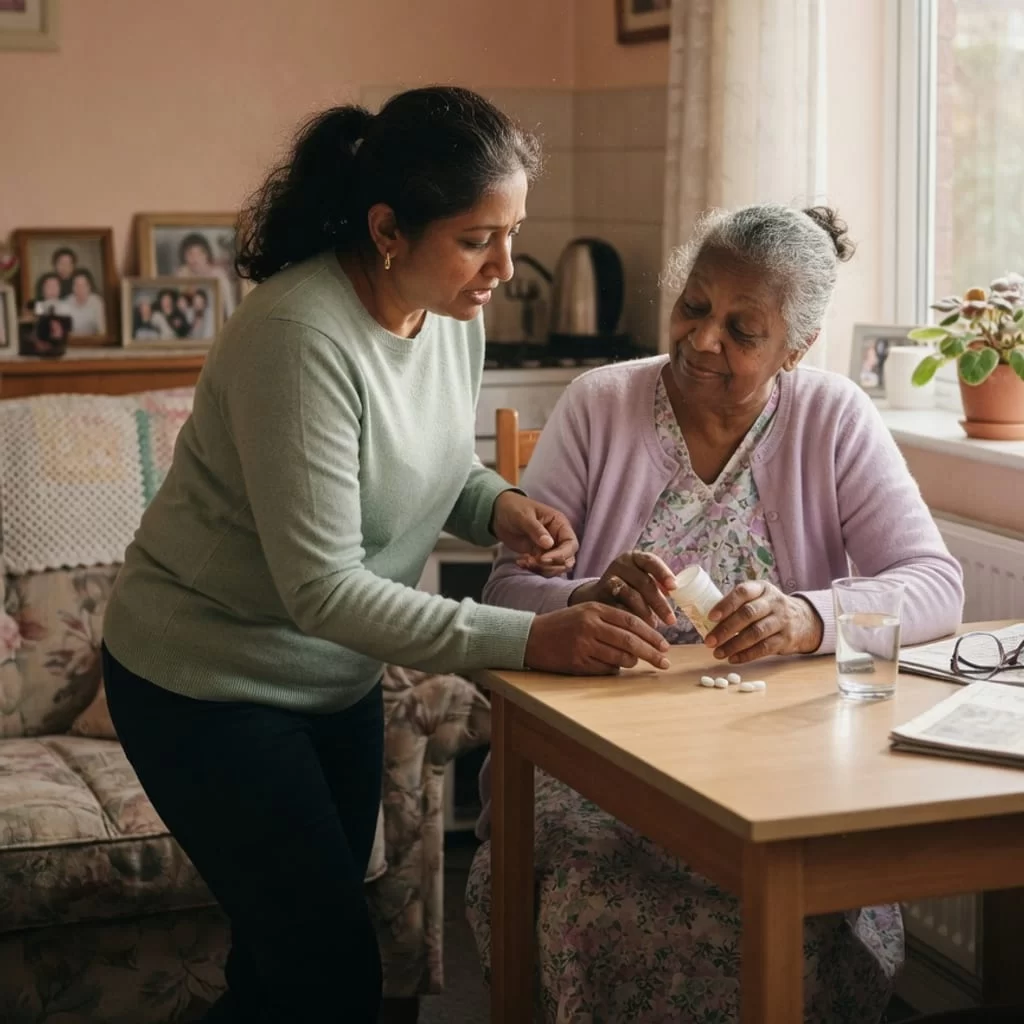
If your loved one starts missing doctor appointments, forgetting to take medications, or taking them incorrectly, it’s a major concern. You might find pill bottles from months ago still full, or they may take double doses because they forgot they already took them. This can lead to serious health complications, including hospitalizations.
Medication errors are common in seniors managing multiple prescriptions. A home care aide can set up a weekly pill organizer, remind them to take medications at the right times, and accompany them to appointments. They can also communicate with healthcare providers to ensure treatment plans are followed.
Look for signs like confusion about their medication schedule, running out of pills early, or complaints about side effects that seem mismanaged. If you live far away, consider using a pharmacy that offers blister packaging or a medication management app. But for many families, having a caregiver provide daily oversight is the most reliable solution.
Social Withdrawal and Mood Changes
Isolation is a silent crisis among seniors. If your loved one has stopped attending social events, church, or family gatherings, or if they seem unusually irritable, anxious, or sad, it may indicate depression or cognitive decline. They might say they ‘don’t feel like going out’ or that ‘no one calls anymore.’ Loneliness can accelerate physical and mental decline.
Social withdrawal can also be a sign of hearing loss, vision problems, or fear of falling in public. A caregiver can provide companionship, drive them to social activities, or simply be a friendly presence at home. Engaging in conversation, playing cards, or going for a walk can lift their spirits and keep them connected.
If you notice persistent sadness or loss of interest in hobbies, encourage a visit to their primary care doctor. Depression is treatable, and support from a home care aide can help them re-engage with life. Never dismiss mood changes as ‘just getting older.’
Difficulty Managing Finances and Household Tasks
Unpaid bills, late notices, or unusual spending patterns can signal that your loved one is struggling with financial management. They might forget to pay utilities, get confused by bank statements, or fall for scams. Similarly, you may notice neglected household chores like dirty dishes, overflowing trash, or a lawn that hasn’t been mowed.
These tasks require executive function skills that can decline with age or dementia. A home care provider can help with light housekeeping, organizing paperwork, and setting up automatic bill payments. They can also monitor for signs of financial exploitation, which is a growing concern for seniors.
Start by offering to help with one task, like sorting mail or setting up online banking. If they resist, frame it as a way to free up their time for more enjoyable activities. A caregiver can gradually take over these responsibilities, reducing stress and preventing crises like utility shut-offs.
Frequent Falls or Mobility Issues
If your loved one has had one or more falls in the past year, or if they are using furniture to steady themselves while walking, their mobility may be compromised. They might also have trouble getting up from a chair, climbing stairs, or walking short distances without becoming breathless. These issues increase the risk of serious injury.
Observe how they move around their home. Do they hold onto walls? Do they shuffle their feet? Are they avoiding certain rooms because of stairs? A physical therapist can assess their gait and recommend exercises or assistive devices like a walker or cane. A home care aide can provide standby assistance during walks and help with transfers.
Falls often lead to a loss of confidence, which further reduces activity and independence. By addressing mobility issues early with support, you can help your loved one stay active and safe. Simple changes like removing trip hazards and ensuring proper footwear also help.
Frequently Asked Questions
How do I start a conversation about needing more help?
Choose a calm, private time and use ‘I’ statements to express concern, such as ‘I worry about you when I see you struggling with stairs.’ Avoid accusations. Focus on your feelings and offer specific solutions, like hiring help for a few hours a week. Listen to their concerns and involve them in decisions.
What if my loved one refuses help?
Resistance is common. Start small by suggesting help with one task they dislike, like cleaning or cooking. You can also involve a trusted third party like a doctor or clergy member. Sometimes a trial period with a caregiver can ease fears. Be patient and persistent; safety is the priority.
How much does home care cost in New York?
Costs vary based on hours needed and level of care. Many families use a mix of private pay, long-term care insurance, or Medicaid programs like CDPAP. A free consultation with a home care agency can provide a personalized estimate and explain available financial options.
Can home care help with dementia or Alzheimer’s?
Yes, many home care agencies offer specialized dementia training for caregivers. They can assist with memory care routines, redirection, and safety supervision. This allows individuals with dementia to remain at home longer in a familiar environment.
What is the difference between a home health aide and a companion?
A companion provides non-medical support like conversation, light housekeeping, and transportation. A home health aide can assist with personal care tasks like bathing, dressing, and medication reminders. Both play important roles, and the right choice depends on your loved one’s needs.
Recognizing the signs that your loved one needs more support is an act of love. It allows you to step in before a crisis occurs, preserving their dignity and safety. You don’t have to navigate this alone. Rockaway Home Care is here to help you explore options and find the right level of support for your family. Reach out for a free, no-obligation consultation to discuss your loved one’s unique situation.
This article provides general information and is not a substitute for professional medical advice. Always consult a healthcare provider for concerns about your loved one’s health.
More from the Rockaway Home Care blog
- Understanding Medicaid home care eligibility
- Top questions families ask about home care costs
- Choosing between live-in care and hourly home care
- How to create a home care plan for a loved one