
Gentle Bathing and Hygiene Help for Seniors: A Loving Guide
Discover a gentle, compassionate approach to assisting seniors with bathing and personal hygiene. This guide offers practical strategies for preserving dignity and comfort.
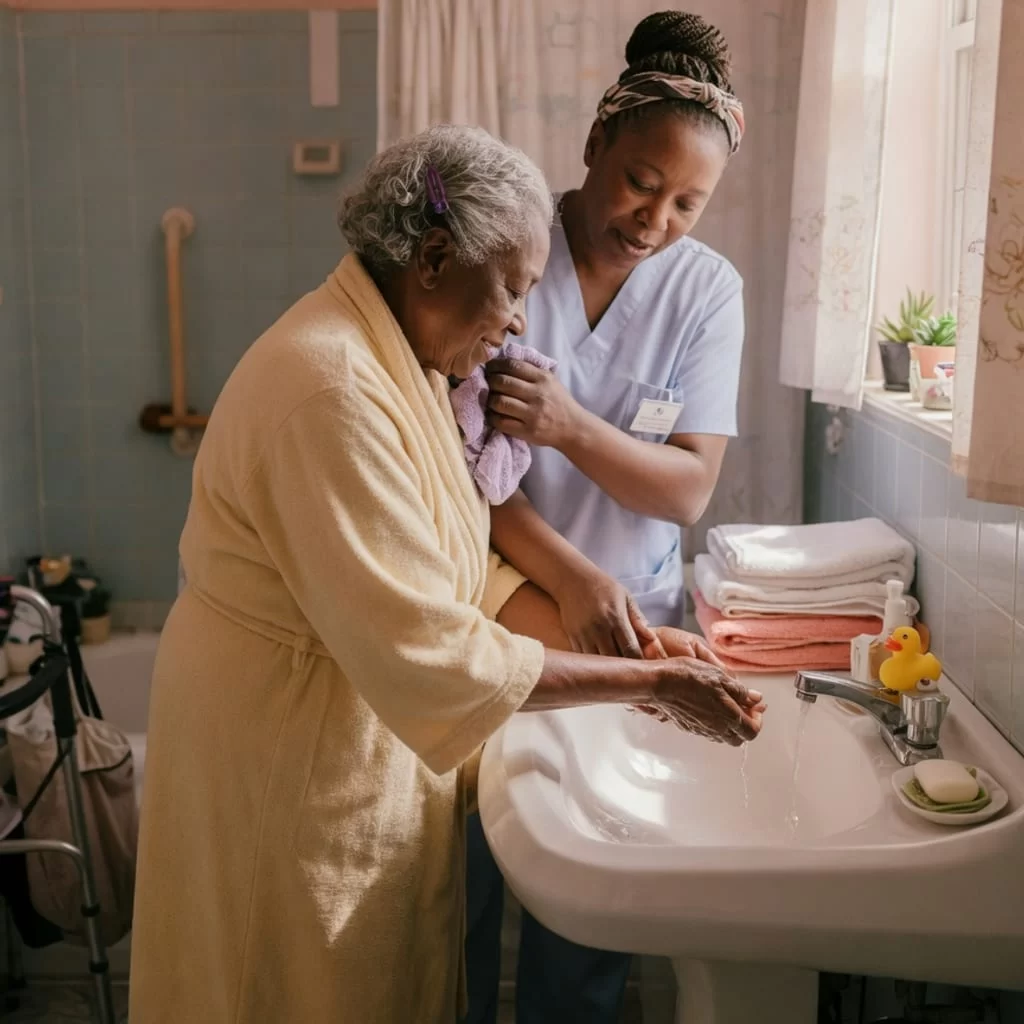
Caring for an aging loved one often means helping with tasks that were once deeply private and personal. Bathing and personal hygiene can become a source of anxiety for both the senior and the caregiver. The fear of slipping, the feeling of vulnerability, and the loss of independence can make bath time feel like a battleground. But it doesn’t have to be that way. At Rockaway Home Care, we believe that bathing assistance can be offered with gentleness, respect, and patience, transforming a stressful routine into a moment of connection and care.
This guide is written for family caregivers who want to understand how to approach bathing and hygiene in a way that preserves dignity and promotes well-being. We will explore the common challenges seniors face, share practical strategies for creating a safe environment, and emphasize the importance of communication. Whether you are providing care yourself or considering home care support, these insights will help you offer help with confidence and warmth.
Understanding the Emotional and Physical Challenges
Bathing is a complex activity that requires balance, strength, and coordination. For many seniors, age-related changes such as reduced mobility, arthritis, vision impairment, or fatigue make bathing difficult. Fear of falling is one of the most common concerns. A wet, slippery floor, the effort of stepping over a tub wall, or the dizziness that can come with temperature changes all contribute to anxiety. This fear can lead to avoidance, which then affects hygiene and skin health.
Beyond the physical risks, there is a deep emotional layer. Bathing is an intimate act, and needing help can feel like a loss of control and privacy. A senior who has been independent for decades may feel embarrassed or ashamed. They may resist care not because they don’t want to be clean, but because they want to hold onto their autonomy. As a caregiver, recognizing this emotional struggle is the first step. Validating their feelings and approaching the situation with empathy rather than frustration can make all the difference.
Creating a Safe and Calming Environment
Before you begin, take time to set up the bathroom to minimize risks and maximize comfort. Safety should always come first. Install grab bars near the shower, toilet, and bathtub. Use a non-slip bath mat both inside and outside the shower. A shower chair or a transfer bench allows the senior to sit while bathing, reducing fall risk. Adjust the water heater so the temperature is comfortably warm but not too hot, and consider a handheld showerhead for better control.
The environment also matters emotionally. Soft lighting, warm towels, and a pleasant scent from gentle soap can create a spa-like atmosphere instead of a clinical one. Play some soothing music if your loved one enjoys it. Keep the room at a comfortable temperature to prevent chills. Lay out all supplies within easy reach so you don’t have to leave the senior unattended. These small adjustments signal that their comfort matters, reducing anxiety before the first drop of water falls.
Essential Safety Equipment to Consider
- Shower chair or transfer bench: Allows safe sitting during washing, reduces fall risk.
- Handheld showerhead: Offers flexibility and control for rinsing delicate areas.
- Grab bars: Provide stable support for stepping in and out of the shower or tub.
- Non-slip mats: Place both inside the shower and on the floor just outside.
- Long-handled sponge or brush: Helps reach feet and back without bending or straining.
Communicating with Kindness and Respect
Before you begin any hygiene routine, talk with your loved one about how they want to be helped. Ask them what time of day they prefer to bathe, what products they like, and which tasks they can still do themselves. This conversation should happen in a calm moment, not when they are already feeling defensive. Let them know that your goal is to help them stay safe and comfortable, not to take over. Use phrases like, ‘I want to make sure you feel good today. How can I best support you?’
During the bathing process, explain each step before you do it. For example, say, ‘I’m going to help you rinse your back now. It’ll be warm, and I’ll use the handheld shower.’ This simple communication respects their right to know what’s happening and gives them a sense of control. If they seem hesitant, pause and check in: ‘Are you okay with this?’ Give them space to say no or to ask for a break. A gentle approach means listening and adjusting to their cues, not pushing through a check list.
A Step-by-Step Guide to Gentle Bathing
When it’s time for the bath or shower, proceed slowly and methodically. Start by covering the senior with a towel or bath blanket to maintain modesty and warmth. Help them transfer to the shower chair or bench safely, using proper lifting techniques. Once seated, begin with rinsing just the feet and legs, letting them get used to the water temperature. Use a soft washcloth and mild, fragrance-free soap to avoid skin irritation. Wash from the cleanest areas to the dirtiest, typically starting with the face and arms, then moving to chest, back, legs, and finally private areas. Use separate washcloths for the face and genitals if possible.
Rinse thoroughly, paying attention to skin folds and under the arms where soap residue can accumulate. Pat the skin dry with a soft towel instead of rubbing, especially for fragile skin. Apply moisturizer immediately after drying while skin is still slightly damp to lock in hydration. Dress them in comfortable, loose clothing. Throughout the process, maintain eye contact and speak reassuringly. Your calm demeanor will help them feel safe. If they are too tired for a full bath, consider a sponge bath or a rinse of just the essential areas. Every session doesn’t need to be a full shower; flexibility is key.
Adapting the Routine for Dementia or Cognitive Decline
When a senior has dementia, bathing can become particularly challenging. They may not understand why they need to bathe, or they may misinterpret your actions as threatening. The key is to abandon your own expectations and focus on their experience. Use a calm, soothing voice and simple language: ‘Let’s take a warm washcloth to your arms. It feels nice.’ Avoid arguments; if they refuse, step back and try again later. Sometimes distraction works: play their favorite music from their youth, or talk about pleasant memories while you wash.
Consider the environment: bright lights and loud noises can overstimulate someone with dementia. Dim the lights, run warm water beforehand to avoid the shock of sound, and keep the bathroom clutter-free. Use a towel over the lap for modesty and to maintain warmth. If they resist sitting on a shower chair, try a bath chair in the tub with only a few inches of water. Always prioritize their emotional over physical cleanliness; it is better to postpone a bath than to cause extreme distress. Home care aides at Rockaway Home Care are specially trained in dementia-sensitive techniques, offering a gentle presence that respects the person behind the condition.
The Role of Professional Home Care Aides
Family caregivers often feel they must do everything themselves, but that can lead to burnout and strained relationships. Hiring a trained home health aide for bathing and hygiene assistance can relieve both physical and emotional pressure. Professional aides are experienced in safe transfer techniques, adaptive equipment, and compassionate communication. They can take over the task with a calm, practiced ease that allows the senior to relax. Many seniors actually find it easier to accept help from a non-family member because they feel less embarrassed.
At Rockaway Home Care, our aides are carefully screened and trained in person-centered care. They work with you and your loved one to create a routine that fits individual preferences and needs. Whether it’s a quick rinse three times a week or a full bath with hair washing, they adapt their approach day by day. The goal is always to promote independence as much as possible while ensuring safety and comfort. If you are considering extra support, know that you are not giving up your role as a caregiver; you are making space for the relationship to be about love and companionship rather than the stress of personal care.
Frequently Asked Questions
How often should a senior bathe or shower?
There is no one-size-fits-all answer. For most seniors, showering two to three times a week is sufficient for hygiene, as long as daily cleansing of the face, hands, and privates is done. Bathing too often can dry out aging skin. Adjust based on activity level, incontinence, and comfort. Always prioritize skin health and the senior’s preference.
What if my loved one refuses to bathe?
Resistance is often rooted in fear, embarrassment, or confusion. Try to understand the underlying cause. Offer choices: ‘Would you like a bath or a sponge bath? Morning or evening?’ Use gentle distractions like favorite music. If refusal continues, consult with a doctor or home care professional to rule out pain or medical issues. Do not force bathing as it can traumatize.
Can I use a regular bathtub safely?
It is challenging for seniors with limited mobility. A tub bench or transfer bench can help, but if stepping over a high tub wall is too risky, consider a walk-in tub, a roll-in shower, or a bedside sponge bath. A shower chair with a handheld sprayer is often the safest and most practical option. Consult an occupational therapist for personalized advice.
What type of soap is best for elderly skin?
Use mild, moisturizing, and fragrance-free cleansers that won’t strip natural oils. Avoid antibacterial soaps which can be drying. Look for products labeled for sensitive skin or for those with conditions like eczema. After bathing, apply a hypoallergenic moisturizer while skin is still damp. A dermatologist can recommend products specific to your loved one’s needs.
How can I help my loved one stay independent during bathing?
Encourage them to do as much as they can safely, such as washing their own arms, face, or legs while you assist with hard-to-reach areas. Use adaptive tools like long-handled sponges, soap mitts, or brush handles. Provide verbal prompts rather than simply taking over. Praise their efforts. Independence supports dignity and confidence.
We understand that helping a loved one with bathing and hygiene can feel overwhelming, but you don’t have to navigate it alone. At Rockaway Home Care, we offer compassionate, professionally trained aides who can provide gentle bath assistance in your loved one’s home. Whether you need regular support or just a few hours a week to give yourself a break, we are here to help. Reach out to us for a free, no-obligation consultation. Let’s work together to keep your loved one safe, clean, and treated with the dignity they deserve.
This article is for general informational purposes only and does not constitute medical advice. Always consult with a healthcare professional for specific concerns regarding your loved one’s health and safety.
More from the Rockaway Home Care blog
- Understanding Medicaid home care eligibility
- Top questions families ask about home care costs
- Choosing between live-in care and hourly home care
- How to create a home care plan for a loved one