
How to Handle End-of-Life Conversations with Grace
End-of-life conversations are among the most difficult yet important talks families face. This guide offers practical, compassionate steps to approach them with grace.
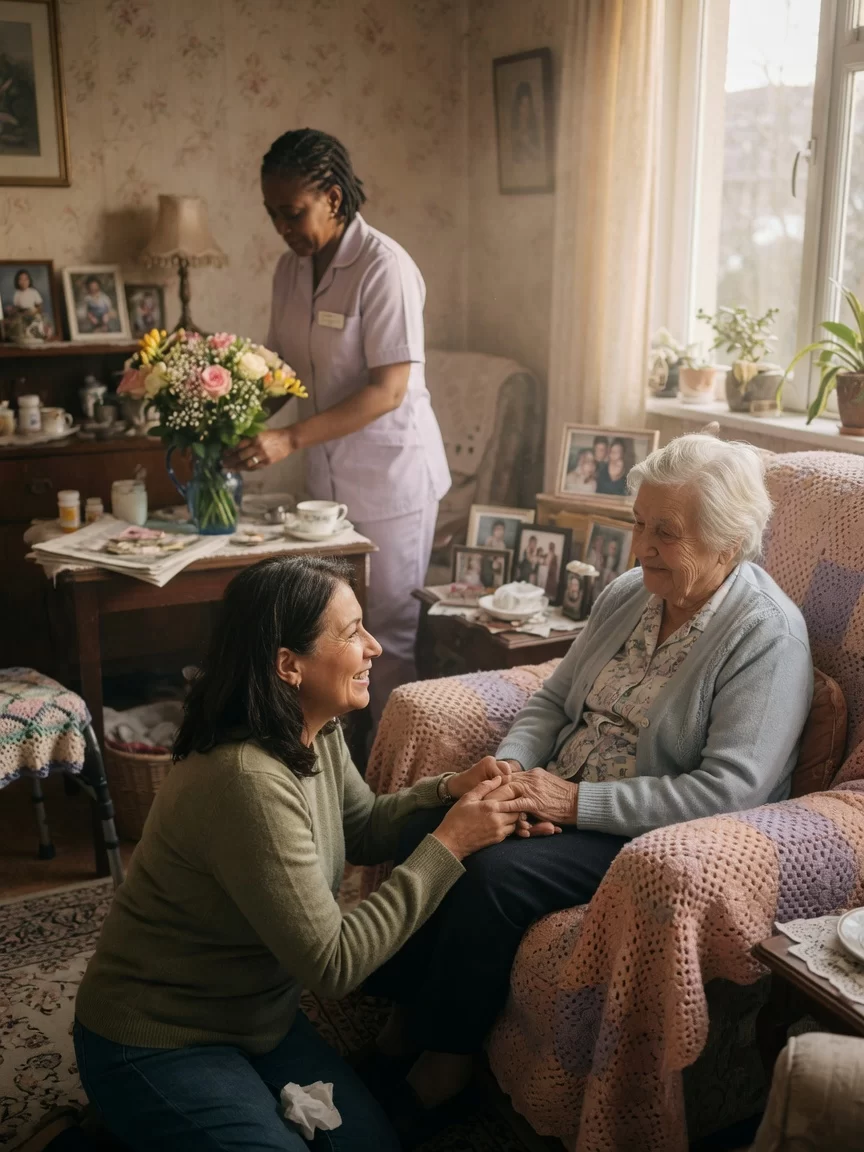
End-of-life conversations are often the hardest talks we ever have with a loved one. They stir up deep emotions: fear of losing someone, anxiety about saying the wrong thing, guilt over bringing up a painful topic. Yet these conversations are also among the most important. They offer a chance to honor a person’s wishes, express love, and find closure before it’s too late. For families in New York and beyond, learning how to handle these discussions with grace can transform a difficult moment into a meaningful connection. This guide provides practical, compassionate steps to help you start and sustain end-of-life conversations with your aging loved one.
Understanding the Emotional Landscape
Before you speak, it helps to understand what everyone might be feeling. Your loved one may experience fear, denial, anger, or even relief at the chance to talk. They might worry about being a burden or losing control. You, as the caregiver, may feel sadness, anxiety, or a sense of urgency. These emotions are normal. Acknowledge them without judgment. For example, if your mother says, ‘I don’t want to talk about dying,’ you can gently respond, ‘I understand this is hard. I’m not trying to rush you. I just want to make sure your wishes are known.’ This validates her feelings while keeping the door open.
It’s also important to recognize that cultural and family dynamics shape how people approach death. In some families, open discussion is common; in others, it’s taboo. Respect your loved one’s background while gently encouraging dialogue. A home health aide or social worker can sometimes help bridge these gaps. Remember, the goal is not to force a conversation but to create a safe space where feelings can be shared.
Choosing the Right Time and Place
Timing and setting matter enormously. Avoid bringing up end-of-life topics during a crisis, such as right after a hospital visit or during a heated family argument. Instead, choose a calm, private moment when you both feel relaxed. This might be during a quiet afternoon at home, while sharing a cup of tea, or on a gentle walk in the park. The key is to minimize distractions and ensure privacy.
Consider the environment: a familiar, comfortable room with soft lighting can help ease tension. Turn off the TV and put away phones. Let your loved one know this is a special time for you both. You might say, ‘I’d like to talk about something important. Is now a good time?’ This gives them control and shows respect. If they say no, accept it and try again later. Pushing too hard can create resistance. For example, one family found that their father opened up during a quiet fishing trip, away from the noise of daily life.
Starting the Conversation with Compassion
The first words can set the tone. Begin with a gentle, open-ended statement that expresses your care. For instance: ‘I’ve been thinking about how much I love you, and I want to make sure we understand each other’s wishes as we move forward.’ Avoid clinical language like ‘advance directives’ or ‘end-of-life planning’ at first. Instead, use everyday words that feel warm and personal.
Another effective approach is to share your own feelings first. You might say, ‘I feel scared thinking about the future, but I want to be there for you in the way you want.’ This vulnerability can invite your loved one to open up. It also shows that you’re not just checking a box but truly care. If they become emotional, allow silence. Sometimes the most powerful moments come from simply sitting together without words. A gentle touch on the hand can say more than any sentence.
Listening More Than Speaking
Active listening is the heart of a graceful conversation. This means truly hearing what your loved one says, without interrupting or planning your next response. Reflect back what you hear: ‘It sounds like you’re worried about being in pain. Is that right?’ This shows you understand and encourages them to share more. Avoid dismissing their fears with phrases like ‘Don’t worry’ or ‘Everything will be fine.’ These can shut down communication.
Pay attention to non-verbal cues. A furrowed brow, averted gaze, or restless hands may signal discomfort. If you notice these, gently check in: ‘I see this is hard. Do you want to take a break?’ Sometimes the most important conversations happen in small pieces over several days. One daughter shared that her mother would only talk about her wishes while doing the dishes together. The rhythmic activity helped her feel less anxious. Use these moments as they come.
Addressing Practical Concerns with Sensitivity
End-of-life conversations often involve practical matters: medical care, finances, living arrangements, and funeral plans. These topics can feel cold if not handled carefully. Frame them as ways to honor your loved one’s values. For example, instead of asking, ‘Do you want a DNR?’ you might say, ‘I want to make sure your care reflects what matters most to you. Can we talk about what kind of medical treatment you would want if you couldn’t speak for yourself?’
Break down complex topics into small, manageable steps. Start with one area, such as where they would like to spend their final days. Many seniors prefer to remain at home with the help of home health aides. Discussing this openly can reduce anxiety for everyone. Use prompts like, ‘What brings you comfort?’ or ‘Who would you like to have with you?’ These questions focus on their preferences, not just medical decisions.
Using a Conversation Starter
- Share a story about someone else’s experience to normalize the topic. For instance, ‘I read about a family who created a living will together. It helped them feel closer.’
- Ask about their values: ‘What makes life meaningful for you right now?’ This can lead naturally to discussions about care goals.
- Use a ‘what if’ scenario: ‘If you had a serious illness, what would be most important to you?’ This is less confrontational than direct questions.
Navigating Difficult Emotions and Resistance
It’s common for loved ones to resist these conversations. They might change the subject, become angry, or withdraw. If this happens, don’t take it personally. Their resistance often comes from fear or a sense of losing control. Respond with patience and empathy. You might say, ‘I can see this is upsetting. I don’t want to pressure you. Let’s just sit together for now.’ Then revisit the topic another day.
For some families, involving a neutral third party can help. A social worker, chaplain, or home care coordinator can facilitate the conversation in a non-threatening way. For example, a home health aide who has built trust with your loved one might gently encourage them to share their thoughts. In New York, many agencies offer resources for these discussions. Remember, it’s okay to seek support. You don’t have to do this alone.
Creating a Plan Together
Once you’ve had one or more conversations, it’s time to create a plan. This might include an advance directive, a living will, a health care proxy, or a simple list of wishes. Involve your loved one in every decision. Write down their preferences in their own words if possible. For instance, ‘I want to be at home with my cat nearby’ is a meaningful detail that can guide care.
Review the plan regularly, as wishes may change. A good time is after a major health event or annually on a significant date like a birthday. Keep the documents accessible but private. Share copies with key family members and the home care team. This ensures everyone is aligned and reduces conflict later. One family found that having a written plan gave them peace of mind, allowing them to focus on enjoying time together rather than worrying about decisions.
Frequently Asked Questions
When is the best time to start end-of-life conversations?
The best time is before a crisis occurs, when everyone is calm and healthy. Ideally, begin these conversations when your loved one is still able to express their wishes clearly. Even if they are currently well, starting early allows for thoughtful discussion and reduces stress later.
What if my loved one refuses to talk about death?
Respect their resistance but don’t give up entirely. Try different approaches, such as sharing a story or asking about their values indirectly. Sometimes a third party like a doctor or clergy member can help. The key is to keep the door open without forcing the issue.
How do I bring up the topic without causing fear?
Focus on love and care rather than medical details. Use gentle, open-ended phrases like ‘I want to make sure your wishes are known so I can honor them.’ Emphasize that this is about supporting them, not about giving up hope. A calm, confident tone can help reduce fear.
Should I include other family members in the conversation?
It can be helpful to include close family members, but only if your loved one agrees. A group setting can provide support and ensure everyone hears the same information. However, too many people might overwhelm them. Start with one or two trusted individuals and expand as comfortable.
What if we disagree on the plan?
Disagreements are common in families. Focus on your loved one’s wishes, not your own preferences. If conflict arises, consider mediation with a professional like a social worker or elder care attorney. Remember, the goal is to honor their choices, not to win an argument.
Embracing Grace in Every Moment
End-of-life conversations are not just about planning for death; they are about living fully in the time you have left together. Each talk is an opportunity to deepen your bond, express gratitude, and say the things that matter. Grace doesn’t mean having perfect words or avoiding tears. It means showing up with an open heart, listening with compassion, and honoring your loved one’s journey.
If you’re feeling overwhelmed, remember that you are not alone. Many families in New York navigate these conversations with the support of home care professionals who understand the emotional and practical challenges. Reaching out for guidance can make a profound difference. We invite you to contact Rockaway Home Care for a free consultation to explore how we can support your family during this tender time. Our team is here to help you find the right words and the right care.
This article is for general informational purposes only and does not constitute medical advice. Always consult with qualified healthcare professionals for personal medical guidance.
More from the Rockaway Home Care blog
- Understanding Medicaid home care eligibility
- Top questions families ask about home care costs
- Choosing between live-in care and hourly home care
- How to create a home care plan for a loved one