
Managing Sundowning in Dementia at Home
Discover effective techniques for calming sundowning symptoms in dementia patients, from lighting adjustments to daily routines, designed for home caregivers.
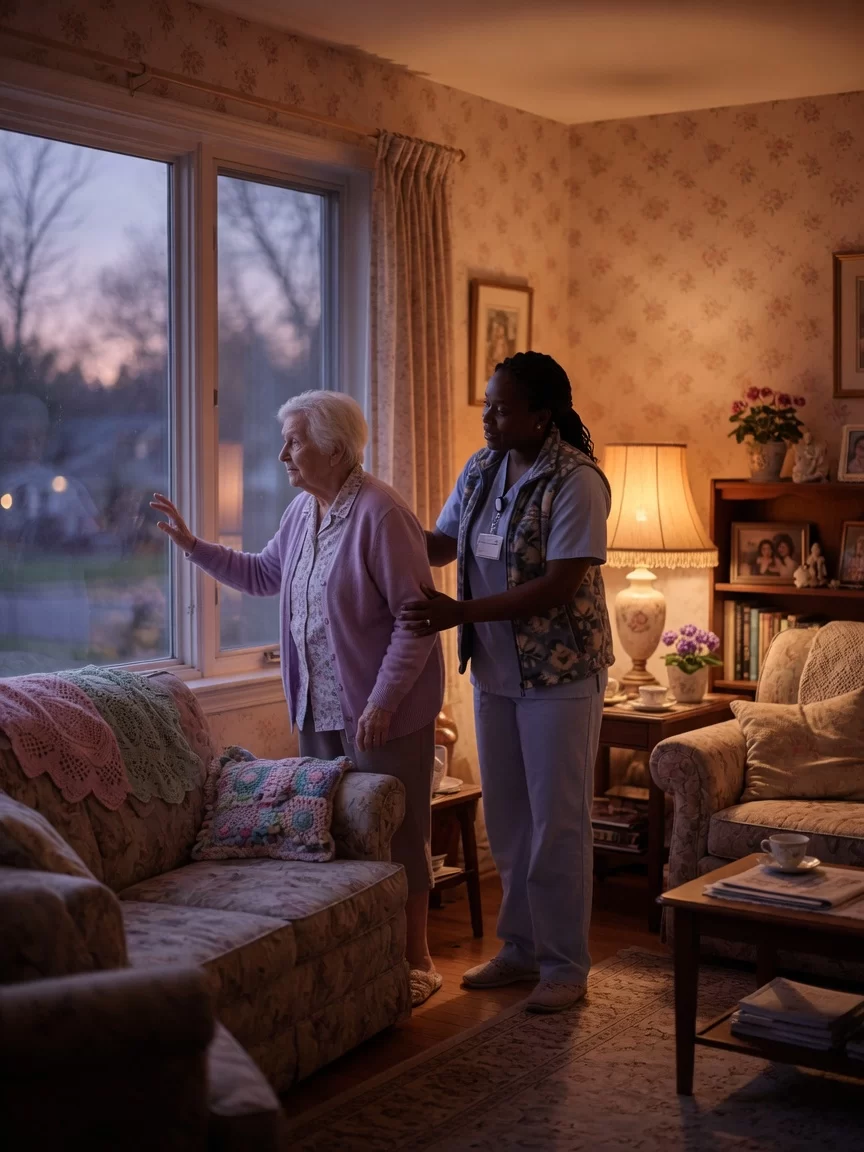
If you care for a loved one with dementia, you may have noticed a familiar pattern. As the sun begins to set, your family member grows restless, agitated, or confused. This common phenomenon is called sundowning, and it can be one of the most challenging parts of dementia care. At Rockaway Home Care, we understand the stress this can place on families. The good news is that with the right strategies, you can reduce the impact of sundowning and create a more peaceful evening at home. This guide offers practical, actionable advice grounded in general caregiving knowledge, not medical prescriptions. Always consult your loved one’s doctor for individualized guidance.
Understanding Sundowning and Its Triggers
Sundowning is not a disease itself but a set of symptoms that often occur in people with dementia, particularly Alzheimer’s disease. The exact cause is not fully understood, but it is thought to relate to changes in the brain that affect the body’s internal clock, or circadian rhythm. When the natural light-dark cycle shifts, the person’s sense of time can become confused, leading to anxiety, fear, or even hallucinations. Common triggers include fatigue, hunger, pain, or overstimulation from a busy day. Recognizing what sets off sundowning in your loved one is the first step to managing it.
For example, if you notice that later in the afternoon your mother becomes irritable after a long day of activity, you may need to adjust her schedule. Perhaps a midday nap is missing, or she hasn’t eaten enough at lunch. Dehydration can also worsen confusion. Keep a simple diary for a week, noting the time and circumstances of any agitated behavior. You might see a pattern tied to low blood sugar, loud noises, or even the position of the sun. This log will help you and your care team choose the most effective interventions.
Another trigger is the change in lighting. As daylight fades and shadows grow, a person with dementia may misinterpret those shadows as strangers or threats. Closing curtains before dusk and turning on lamps early can prevent this fear response. Also, consider the time of year. In winter, when the sun sets earlier, sundowning may begin sooner. Adjusting your evening routine to match the season can make a big difference. Remember, every person is unique, so careful observation is key.
Creating a Calming Evening Routine
Routine is a powerful anchor for someone with dementia. The brain craves predictability, especially when the world feels confusing. A consistent evening routine can signal to your loved one that it is time to relax and prepare for sleep. Start the same activities at the same time each day, about two hours before bedtime. This could include a light, early dinner (avoid large meals that cause discomfort), a warm bath or foot soak, and quiet time with soft music or a familiar TV show. The goal is to reduce stimulation, not add to it.
For instance, after dinner dim the overhead lights and use table lamps or night lights in the hallway. Play calming music from their younger years; music often reaches deep memories even when language fails. Many families find that a short, gentle walk outdoors in the late afternoon can help, but make sure to return home before the light fades. Avoid stimulating activities like watching the evening news, which can be filled with distressing stories. Instead, choose a nature documentary or a classic movie they enjoy. Keep the conversation light and reassuring.
You can also incorporate sensory activities that soothe. Some people respond well to holding a soft stuffed animal or a textured blanket. Others find comfort in the scent of lavender or chamomile. A hand massage with unscented lotion can lower anxiety. The key is to keep the routine simple and predictable. If the person resists, do not force them. Gently redirect to a different calming activity. Over time, the ritual itself becomes a cue that evening is a safe, peaceful time.
Managing Light and Environment
Lighting plays a crucial role in sundowning management. As natural light decreases, the brain’s production of melatonin may increase, but for people with dementia, this transition can be disorienting. To help, aim for bright, full-spectrum lighting during the day, especially in the morning. Exposure to natural light helps regulate the circadian rhythm. In the afternoon, gradually reduce the intensity. By evening, use warm, soft lighting similar to candlelight. Avoid fluorescent lights, which flicker and can cause confusion or agitation.
Consider installing blackout curtains in the bedroom to prevent early morning light from waking them too soon. But for the evening, keep curtains drawn before dusk to block the sight of darkening windows. For some individuals, seeing their reflection in a dark window can be frightening. Use blinds or sheer curtains that diffuse light. Also, place night lights along the path to the bathroom to reduce disorientation if they wake at night. A small light in the room can also prevent falls.
Environmental sounds matter too. Background noise from a radio or television can be distracting, but complete silence may also be unsettling for someone with dementia. Soft ambient noise, such as a fan or a sound machine with nature sounds, can mask outside noises like traffic or neighbors. Keep the temperature comfortable; being too hot or too cold can increase agitation. A calm environment is a powerful tool. You might also remove clutter and keep furniture arranged consistently so the person can navigate without confusion.
Reducing Afternoon Fatigue and Overstimulation
Fatigue is one of the biggest contributors to sundowning. As the day wears on, someone with dementia can become exhausted from trying to make sense of the world. Their cognitive reserves are depleted, and they have less ability to manage frustration. This is why sundowning often occurs in the late afternoon. To combat this, schedule mentally demanding activities earlier in the day. Save the most challenging physical therapy or appointments for the morning. In the afternoon, focus on restful, low-key activities.
Make sure the person gets adequate rest. A short nap of 30 to 45 minutes after lunch can recharge them. Be careful not to nap too close to bedtime, as that can disrupt nighttime sleep. Also, monitor for hunger or thirst. A small, protein-rich snack like yogurt or cheese in the late afternoon can stabilize blood sugar. Dehydration is a common issue; offer fluids throughout the day but limit caffeine after midday. You might even set a timer to offer a glass of water or juice.
Overstimulation can come from many sources: too many visitors, loud places, or even cluttered rooms. Afternoon visitors should be limited to one or two people who are calm and familiar. Avoid having too many conversations at once. If your loved one seems overwhelmed, gently guide them to a quieter room. Sometimes simple touch or a hand squeeze can ground them. Remember, the goal is not to eliminate all activity but to find the right balance between engagement and rest. A tired but not overtired person is less likely to sundown.
Communication Strategies During Sundowning Episodes
When a sundowning episode occurs, your communication style can either soothe or escalate the situation. Avoid arguing or trying to reason logically with someone who is confused. Their reality is not the same as yours. Instead, use validation therapy, which means acknowledging their feelings and fears without correct them. For example, if they say they need to go home even though they are home, you might say, ‘I know you feel like you need to go home. It is safe here with me. Let us sit together.’ This can defuse anxiety.
Use a calm, gentle tone of voice. Speak in short, simple sentences. Avoid complex questions. Instead of asking ‘What do you want to do now?,’ say ‘It is time for a warm cup of tea.’ Use non-verbal cues: a reassuring smile, a gentle touch on the arm, or sitting at eye level. Distraction can also be powerful. If they are agitated about something, redirect their attention to a pleasant topic or an object they like. For instance, if they are upset about a missing purse, show them a family photo album or offer a favorite snack.
If the person becomes verbally aggressive or loud, do not take it personally. This is the disease speaking. Step back and give them space if needed. You can say, ‘I will give you a moment to rest. I will be right here.’ Sometimes leaving the room briefly can allow the episode to pass. After a few minutes, return with a calm demeanor as if nothing happened. Never restrain a person physically or yell. These actions will increase fear and agitation. Patience is your greatest tool.
Safety Measures to Prevent Wandering
Wandering is a common behavior during sundowning, as the person may feel a strong urge to ‘go home’ or ‘go to work.’ This can be dangerous if they leave the house unaccompanied or fall. To prevent wandering, secure the home environment. Install locks that are out of sight or use childproof doorknob covers. Alarms on doors that chime when opened can alert you. Some families use motion sensors that trigger a gentle reminder. The goal is to keep the person safe without making them feel trapped.
If they become fixated on leaving, do not block the door or physically restrain them. Instead, redirect. Offer to ‘go for a walk’ together or to ‘check the mail.’ A short, supervised walk around the block may satisfy the urge and burn off energy. Then gently guide them back inside. Keep a recent photo and identification documents handy in case of wandering. Also, consider a GPS tracking device or a wearable ID bracelet. Inform neighbors about the dementia so they know to alert you if they see your loved one outside alone.
Inside the home, clear pathways of clutter and ensure good lighting. Remove tripping hazards like loose rugs. Lock away dangerous items like sharp knives or cleaning supplies. If your loved one tends to rummage, install child locks on cabinets. Wandering is not just about leaving; it can also mean moving aimlessly from room to room. Create a safe space with engaging low-risk activities, such as a basket of folded towels to sort or a puzzle board. This occupies their hands and reduces the urge to roam.
When to Seek Professional Help
While many sundowning behaviors can be managed at home, there are times when additional support is needed. If your loved one’s agitation becomes severe, leading to aggression that endangers themselves or others, it is time to consult a doctor. Also, if they are not sleeping at all for several nights, the lack of rest can worsen dementia symptoms and affect overall health. A physician may recommend non-pharmacological approaches or, in some cases, short-term medication to regulate sleep. Always consult before giving any supplements or medications.
Home care agencies like Rockaway Home Care can provide respite for family caregivers. A trained home health aide can assist with evening routines, provide companionship, and implement soothing strategies. This gives you time to rest and reduces caregiver burnout. In New York, programs like CDPAP allow family members to become paid caregivers. Explore these options to ensure your loved one gets consistent, skilled care while you maintain your own well-being. If you notice rapid changes in memory or behavior, seek an evaluation from a neurologist or geriatric specialist.
Remember, sundowning can also be a sign of other medical issues like urinary tract infections, dehydration, or medication side effects. If the behavior starts suddenly or seems different from usual patterns, contact a healthcare provider. They can rule out underlying causes. You are not alone in this journey. There are many resources, from support groups to professional caregivers, that can lighten the load.
Frequently Asked Questions
What exactly is sundowning?
Sundowning refers to a pattern of increased confusion, agitation, or restlessness in the late afternoon or early evening among people with dementia. It is not a separate illness but a set of symptoms tied to disruption of the body’s internal clock. Episodes can vary in intensity and duration, typically lasting from a few hours until bedtime. Some individuals may calm down once they are asleep.
How long does sundowning last?
Sundowning episodes usually occur in the late afternoon to early evening and may resolve by bedtime or early night. For some people, symptoms persist into the night, causing sleep disturbances. The overall duration can vary: some individuals experience sundowning for months, while others have it off and on. Managing triggers can reduce the frequency and severity of episodes.
Can sundowning be prevented?
While it cannot always be completely prevented, many strategies can minimize its impact. Establishing a consistent routine, ensuring adequate daytime activity and rest, managing lighting and environment, and addressing physical needs like hunger or pain can all help. Early intervention when triggers appear can also prevent an episode from escalating. Each person responds differently, so trial and error is often needed.
Is medication necessary for sundowning?
Medication is not the first-line treatment for sundowning. Non-pharmacological approaches like environmental adjustments, routine changes, and calming activities are preferred. If these are not effective and the person is in significant distress or danger, a doctor may consider medications to aid sleep or reduce agitation. Only a physician can prescribe and should monitor any medication use closely.
How can I take care of myself as a caregiver?
Caring for someone with dementia is demanding. It is essential to take breaks, maintain your own health, and seek support. Use respite care services, talk to friends or support groups, and don’t hesitate to ask for help. Home care agencies can provide regular visits or overnight care to give you time to rest. Your well-being directly affects the quality of care you can provide, so prioritize self-care.
At Rockaway Home Care, we know the challenges of dementia care intimately. Our goal is to support families in keeping their loved ones safe and comfortable at home. If you are feeling overwhelmed or need more guidance on managing sundowning or other dementia behaviors, please reach out to our team for a free consultation. We are here to help you explore personalized care options for your family.
Note: This article provides general information and is not a substitute for professional medical advice, diagnosis, or treatment. Always seek the advice of your physician or other qualified health provider with any questions you may have regarding a medical condition.
More from the Rockaway Home Care blog
- Understanding Medicaid home care eligibility
- Top questions families ask about home care costs
- Choosing between live-in care and hourly home care
- How to create a home care plan for a loved one