
Helping Seniors Navigate Grief and Loss at Home
Learn how to support an aging loved one through the grieving process with empathy, routine, and open communication. Practical advice from Rockaway Home Care.
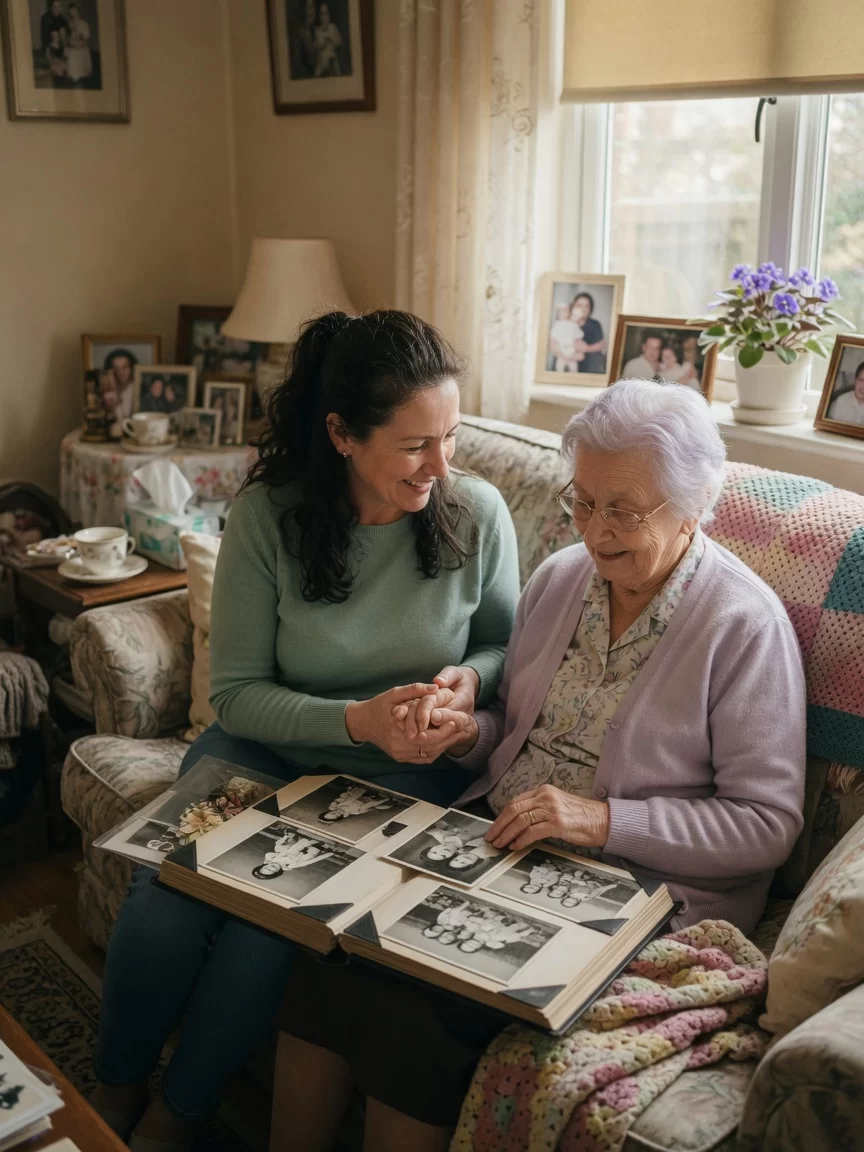
Grief is a universal human experience, yet it often looks different for seniors. When an older adult loses a spouse, a sibling, a close friend, or even a pet, the sorrow can be compounded by other losses that come with aging, such as declining health, reduced independence, and the departure of loved ones from their daily life. As a family member or caregiver, watching someone you care about struggle with grief can feel heartbreaking and overwhelming. You want to help, but you may not know where to start. The good news is that your presence, patience, and willingness to listen can make a profound difference. At Rockaway Home Care, we have walked alongside countless families as they help their aging loved ones navigate these tender seasons. This article offers practical, compassionate guidance for supporting a senior through grief and loss while they remain at home, surrounded by the people and memories they treasure.
Understanding Grief in the Senior Years
Grief is not a linear process, and for seniors, it often arrives with a layered complexity. An older adult may be mourning not just a recent loss but also the accumulation of decades of losses, including the deaths of peers, the loss of a lifelong home, or the fading of physical abilities. This can make their grief feel heavier and longer-lasting than what we might expect from younger individuals. Researchers and mental health professionals have moved away from the old stage-based model of grief, recognizing that each person grieves in their own unique way and on their own timeline.
For seniors, grief can also be accompanied by a sense of isolation. They may have fewer social outlets, less mobility to attend support groups, or a reluctance to burden family members with their sadness. Some older adults grew up in a time when emotional expression was discouraged, making it even harder for them to voice their pain. As a caregiver, it is important to understand that your loved one’s grief is valid and deserves space, even if they do not show it in obvious ways. The first step in helping them is to simply acknowledge their loss without trying to fix it or rush them through it.
Common Signs of Grief in the Elderly
Grief can manifest differently in seniors than in younger people. While some older adults openly cry and talk about their lost loved one, others may withdraw, become irritable, or experience physical symptoms such as fatigue, changes in appetite, or unexplained aches and pains. Cognitive signs can include confusion, forgetfulness, or an intense focus on memories of the past. It is also common for grieving seniors to lose interest in activities they once enjoyed, a natural part of the grieving process that can sometimes be mistaken for depression.
It is helpful to distinguish between normal grief and complicated grief, which may require professional intervention. Normal grief includes waves of sadness, longing, and even moments of acceptance. Complicated grief, on the other hand, involves persistent, intense yearning or preoccupation with the deceased, difficulty accepting the loss, and a significant impairment in daily functioning that lasts for an extended period. If you notice your loved one is unable to perform basic self-care, refuses to eat, or expresses a desire to die, it is essential to seek professional help. However, for most seniors, the grieving process unfolds gradually and can be supported by a loving home environment.
Creating a Safe Space for Grieving at Home
The home is often the most comfortable and secure place for a senior to process grief. You can help by making that space physically and emotionally safe. Begin by ensuring that the environment feels peaceful and familiar. Keep cherished photos or mementos of the lost loved one visible; do not rush to remove them, as some caregivers mistakenly believe that out of sight is out of mind. Instead, allow the senior to decide what to keep and what to pack away over time. This honors their autonomy and their unique grieving timeline.
Practical Steps for a Grief-Friendly Home
- Set aside a quiet corner or a comfortable chair where they can sit with their thoughts. Add a soft blanket or a favorite pillow for comfort.
- Encourage gentle activities like looking through photo albums, listening to music that holds shared memories, or writing letters to the departed loved one. These can be therapeutic without being overwhelming.
- Maintain normal routines as much as possible. Mealtimes, bedtime rituals, and weekly activities provide a sense of stability that anchors the senior when emotions feel chaotic.
- If the loved one was a primary caregiver for the deceased, help them gradually adjust to new roles. For example, if a wife always cooked and she is gone, consider cooking together or ordering meals so the widower does not feel the loss at every meal.
Emotional safety is equally important. Let your loved one know it is okay to talk about their grief or to be silent. Some days they may want to share stories; other days they may just want company. Being present without pushing conversation is a powerful gift. You can say things like, ‘I am here with you,’ or ‘It is okay to feel however you feel.’ Avoid cliches such as ‘They are in a better place’ or ‘You should be grateful for the time you had,’ as these can inadvertently minimize the senior’s pain.
The Role of Routine and Purpose in Healing
Grief can strip away a person’s sense of purpose, especially for seniors who may have centered their lives around caring for a spouse or partner. Rebuilding a sense of daily structure and meaning is a vital part of the healing journey. Routines provide predictability and a sense of control, which can be deeply comforting when emotions feel overwhelming. A simple daily schedule that includes wake-up time, meals, light exercise, and meaningful activities helps the senior feel grounded.
Purpose can be found in small, manageable tasks. For instance, a senior might enjoy watering plants, feeding a pet, folding laundry, or helping to set the table. These activities reinforce their identity as a capable person who contributes to the household. If they have a hobby such as knitting, gardening, or birdwatching, encourage them to continue it, even if they do so with less enthusiasm at first. The act of doing can slowly reawaken engagement with life.
For caregivers, it is important to not push too hard. Let the senior set the pace. Some days they may have energy for a walk around the block; other days they may only want to sit by the window. Invite rather than insist. For example, instead of saying, ‘You need to get out of the house,’ try, ‘Would you like to sit on the porch with me for a few minutes?’ This gentle invitation respects their autonomy while offering connection.
Communication Strategies for Family and Caregivers
Talking about grief can be difficult, but open communication is essential for helping seniors feel seen and heard. Begin by asking open-ended questions that invite the senior to share their experience on their own terms. Instead of asking, ‘Are you feeling sad?’ which can be answered with a simple yes or no, try, ‘What has been on your mind today?’ or ‘Would you like to tell me something about Mom?’ These questions show you are interested in their inner world without demanding a specific emotional response.
Active listening is key. When they do speak, give them your full attention. Put away your phone, maintain eye contact, and nod to show you are engaged. Reflect back what you hear: ‘It sounds like you miss having her at the breakfast table.’ Validating their feelings does not mean you have to agree with everything they say; it means you accept their experience as true for them. Avoid jumping in with advice or trying to solve their grief. Often, seniors simply need someone to witness their pain without judgment.
It is also helpful to share your own feelings appropriately. If you are grieving too, it is okay to say, ‘I miss him a lot too.’ This can create a bond of shared sorrow rather than a divide where the senior feels alone in their grief. However, be careful not to make the conversation about your own grief. The focus should remain on the senior’s needs. If they become emotional and cry, let them. Tears are a healthy release, and your calm presence communicates that their sadness is safe to express.
When to Seek Professional Support
While most seniors adjust to loss over time with family support, some may need additional help. Signs that professional intervention may be beneficial include prolonged difficulty with daily activities, persistent insomnia or appetite loss, withdrawal from all social contact, expressions of hopelessness or worthlessness, or statements about not wanting to go on. Complicated grief, clinical depression, and anxiety disorders can develop after a loss and require treatment from a qualified therapist, counselor, or grief specialist.
Fortunately, there are many options for professional support that can be brought into the home or accessed remotely. Grief counseling, either in-person or via telehealth, allows seniors to process their loss in a safe, confidential setting. Many community organizations, places of worship, and senior centers offer free or low-cost grief support groups where older adults can connect with peers who understand their experience. Online support groups are also increasingly popular and accessible for seniors who are comfortable with technology.
If your loved one seems reluctant to talk to a stranger, you might try involving their primary care doctor first. A trusted physician can normalize the need for support and make a referral. Some doctors also offer medication to help with severe depression if needed, but it is important to note that grief itself is not a disorder and should not be medicated away. Professional help is about providing tools and companionship for the journey, not erasing the natural emotions of loss.
Self-Care for Caregivers Who Are Also Grieving
When you are caring for a grieving senior, you may also be grieving the same loss yourself. Whether you lost a parent, a grandparent, or a close family friend, your own emotional needs matter. Caregivers often put their own grief aside to focus on the senior’s needs, but this can lead to burnout, resentment, and prolonged suffering. It is not selfish to attend to your own heart; in fact, it is essential if you want to be a steady presence for your loved one.
Allow yourself to feel your emotions. Cry, journal, talk to a friend, or take time to exercise. Maintain your own routines as best you can, including sleep, nutrition, and time away from caregiving duties. If you have siblings or other family members, share the caregiving load so that no one person bears the entire weight. Consider joining a caregiver support group, either in person or online. These groups offer a space to express your challenges and learn from others who truly understand.
Remember that your relationship with the grieving senior is a two-way street. You can share a moment of mutual remembrance without feeling guilty for your own sadness. In fact, grieving together can deepen your bond and create a shared sense of healing. If you find that your own grief is interfering with your ability to provide care, do not hesitate to seek professional counseling for yourself. Taking care of your own mental health is one of the best things you can do for the senior you love.
Frequently Asked Questions
How long does normal grief last for a senior?
There is no set timeline for grief. For seniors, the acute pain of loss may last weeks to months, but the grieving process can continue for years, often coming in waves. What matters most is that the senior gradually regains the ability to engage in life and find moments of joy, even while still missing their loved one. If they remain severely impaired after a year or more, it may be time to assess for complicated grief or depression.
Should I remove photos and belongings of the deceased person?
Not right away. Rushing to remove reminders of the lost loved one can feel like erasing their memory. Instead, let the senior decide what they want to keep visible and what to store away. Some find comfort in seeing photos every day; others may eventually choose to put certain items in a memory box. Go at their pace and support their choices without judgment.
Can grief cause physical symptoms in seniors?
Yes. Grief is a full-body experience. Common physical symptoms include fatigue, chest tightness, digestive upset, headaches, and a weakened immune system. If physical symptoms are severe or persistent, it is wise to consult a doctor to rule out other medical causes. At the same time, understanding that grief can manifest physically helps caregivers respond with compassion rather than frustration.
Is it okay to talk about the deceased person in front of my loved one?
Absolutely. In fact, avoiding the topic can make the senior feel that the deceased is being forgotten or that their grief is taboo. Share a memory, say the person’s name, and ask if the senior would like to talk about them. Let them lead, but do not shy away from acknowledging the person who died. It affirms the importance of that relationship.
How can I help a senior who refuses to talk about their grief?
Respect their silence but do not disappear. Continue to be present, offer gentle invitations to connect, and show care through actions like preparing a favorite meal or sitting together quietly. Some seniors open up over time, especially when they feel safe and not pressured. If they remain closed off and show signs of worsening distress, gently suggest a visit to their doctor or a counselor who specializes in grief.
Grief is a journey taken one step at a time, and no one should walk it alone. As a family member or caregiver, your willingness to show up, listen, and simply be present is more powerful than any perfect words or actions. At Rockaway Home Care, we are here to support you and your loved one through every season of life, including the tender ones marked by loss. If you would like to learn more about our services or talk with someone who understands, we warmly invite you to reach out for a free consultation. Together, we can help your loved one find comfort and connection right at home.
This article is for informational purposes only and does not constitute medical advice. Always consult with a qualified healthcare provider regarding your loved one’s mental and physical health needs.
More from the Rockaway Home Care blog
- Understanding Medicaid home care eligibility
- Top questions families ask about home care costs
- Choosing between live-in care and hourly home care
- How to create a home care plan for a loved one