Winterizing a Senior Home on a Budget
Discover budget-friendly ways to prepare a senior’s home for winter, from sealing drafts to preventing frozen pipes, ensuring warmth and safety.
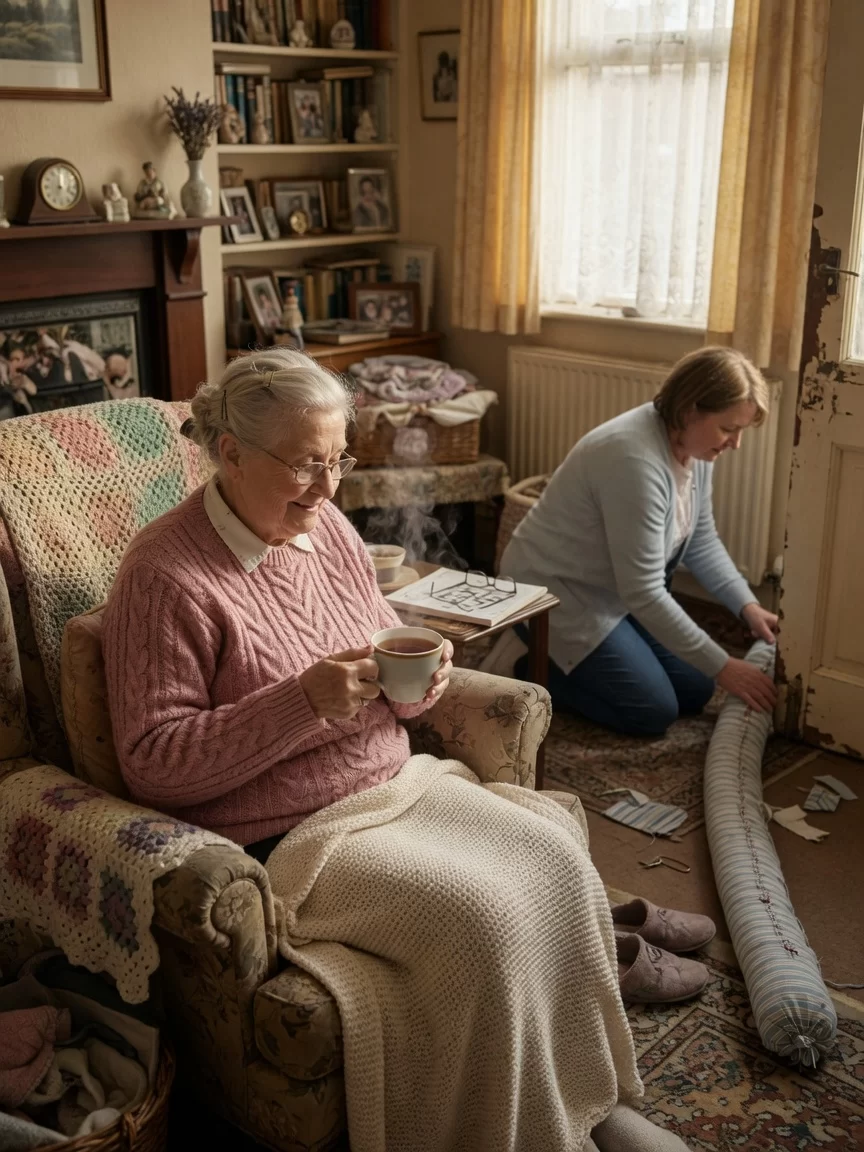
Winter is coming, and for families caring for aging loved ones, the season brings more than just chilly weather. It brings concern about heating bills, safety risks, and the comfort of the senior in your life. The good news is that winterizing a senior’s home doesn’t have to require a large budget. With some creativity and a little effort, you can make meaningful improvements that boost warmth, safety, and peace of mind. This guide offers practical, low-cost strategies to help you prepare your loved one’s home for the cold months ahead, whether you are a family caregiver, a home health aide, or a neighbor lending a hand.
Seal Drafts Around Doors and Windows
Drafty doors and windows are among the biggest culprits for heat loss in any home. For seniors, a steady stream of cold air can lead to discomfort, higher utility bills, and even respiratory issues. Fortunately, you don’t need expensive contractors to address drafts. Simple supplies from the hardware store or even items you already have at home can make a significant difference.
One of the most cost-effective solutions is weatherstripping. Foam tape weatherstripping costs just a few dollars per roll and can be cut to fit around door frames and window sashes. Another option is a draft stopper, often called a door snake. You can buy a ready-made fabric draft stopper for around ten dollars or make your own by rolling up a towel and placing it at the bottom of the door. For windows that are not used often, applying a removable caulk or using rope caulk can seal gaps without damaging the paint. These simple steps can reduce drafts dramatically and keep the home warmer without raising the thermostat.
Add Window Insulation on a Shoestring
Windows are notorious for letting heat escape, especially older single-pane windows. Replacing them is expensive, but there are several low-cost ways to improve insulation. Plastic window insulation kits are widely available for under twenty dollars and can cover an entire standard window. The kit includes double-sided tape and shrink film that you apply to the window frame, then use a hairdryer to shrink it tight. The result is an invisible barrier that traps air and reduces heat loss by up to 70 percent. This is a simple DIY project that only takes about 20 minutes per window.
Another budget-friendly trick is to use heavy curtains or thermal drapes. While new thermal curtains can be costly, you may find affordable options at thrift stores or discount retailers. If you already have curtain rods, simply adding a thicker fabric can help. For windows that don’t get direct sunlight during the day, keeping curtains closed reduces heat loss at night. You can also add a layer of bubble wrap to the glass. Spray a little water on the window, press bubble wrap against it, and it will stick. This creates an insulating layer that is easy to remove in spring. These small efforts add up to noticeable savings on heating bills.
Maximize Heating Efficiency Without Raising the Thermostat
Heating the home is essential, but many seniors worry about the cost of running the furnace or space heaters. Before turning up the thermostat, focus on making the existing heat work better. Start by checking the furnace filter. A dirty filter forces the system to work harder and uses more energy. Replacing it every month during winter is a cheap way to improve efficiency. Also, ensure that vents and radiators are not blocked by furniture, curtains, or clutter. Even a sofa pushed against a vent can cut off airflow to an entire room.
Using a programmable thermostat can be a smart investment. Many models cost between twenty and fifty dollars and can save up to 10 percent on heating bills by automatically lowering the temperature when the senior is asleep or out of the home. If buying a new thermostat isn’t in the budget, simply remind the senior to turn down the heat at night and when away and to wear warm clothing indoors. Heated blankets and throws use far less electricity than space heaters and can keep a person comfortable without raising the whole house temp. Layering clothing, wearing socks and slippers, and using a hot water bottle can also reduce the need to turn up the heat.
Prevent Frozen Pipes the Cheap Way
Frozen pipes are a serious winter hazard that can lead to costly water damage. Seniors living alone may not notice a slow drip or a cold spot in the wall until a pipe bursts. Preventing this doesn’t have to be expensive. The simplest measure is to let faucets drip slightly during extreme cold spells. A slow drip keeps water moving and prevents ice from forming. This adds only a small amount to the water bill but can save hundreds in repairs.
Insulating exposed pipes is another low-cost step. Foam pipe insulation tubes cost about a dollar per foot and can be slipped over pipes in the basement, crawlspace, or under sinks. If you don’t have insulation, newspaper or towels wrapped around pipes and secured with tape can provide some protection. Also, open cabinet doors under sinks to allow warm air to circulate around the pipes. This is especially important for kitchens and bathrooms located on exterior walls. If a senior’s home has a basement, make sure the basement door and windows are closed and sealed, as cold drafts there can affect pipes throughout the house.
Improve Safety with Simple Checks and Adjustments
Winter brings increased risks of falls and fires. Seniors may use space heaters, heating blankets, or candles more often, and the combination of reduced mobility and cold weather can be dangerous. Start by checking that all smoke detectors and carbon monoxide detectors are working. Replace batteries if needed, and consider installing a detector with a loud alarm. Many fire departments offer free detectors or low-cost installation for seniors, so look into community programs.
Space heaters are a common source of home fires. If the senior uses one, make sure it is placed on a flat, non-flammable surface at least three feet away from furniture, curtains, and bedding. Choose a heater that has an automatic shut-off feature if it tips over. Avoid using extension cords with space heaters, as they can overheat. Instead, plug the heater directly into a wall outlet. Also, encourage seniors to wear non-slip slippers or shoes with good traction. Winter boots can be slippery on wet floors, so having a mat near the door to remove snow and water is helpful. Grab bars near the entryway and in the bathroom can prevent falls when surfaces are cold and slick.
Prepare an Emergency Kit Without Breaking the Bank
Winter storms can lead to power outages that leave seniors without heat, light, or access to food. Preparing an emergency kit is essential, but it doesn’t need to be expensive. Use a cardboard box or plastic bin to store items you may already have. Start with a supply of bottled water and non-perishable food like canned soup, peanut butter, crackers, and granola bars. Include a manual can opener, a flashlight with extra batteries, and a battery-powered radio. Hand warmers and extra blankets are vital. You can find affordable hand warmers at dollar stores or make your own by filling a sock with rice and microwaving it for a minute.
A power failure also means losing the ability to charge phones. A portable power bank, even a small one, can keep a senior’s phone charged for communication. If the budget allows, consider a small generator. But if not, have a plan for where to go if the outage is prolonged. Identify a friend, neighbor, or community warming center. Talk to the senior about this plan and post emergency numbers near the phone. Also, ensure that any medications that require refrigeration are stored in a cooler with ice packs if the power goes out. Having a simple kit ready provides reassurance for both the senior and the caregiver.
Take Advantage of Community Resources and Assistance
Many communities offer programs to help seniors winterize their homes at low or no cost. The Low-Income Home Energy Assistance Program (LIHEAP) provides grants for heating bills and weatherization. Contact your local area agency on aging or senior center to find out about application procedures. Some utility companies also offer free energy audits that identify the biggest sources of heat loss. When the auditor comes, they often provide free supplies like LED bulbs, weatherstripping, and programmable thermostats.
Local nonprofits and religious organizations may host winterization workshops or provide free insulation kits. For example, some senior centers collect donations of heavy blankets and winter coats. Home care agencies like Rockaway Home Care can also assist by training caregivers to help with simple home maintenance tasks. Caregivers can help install weatherstripping, change batteries, and move furniture away from vents. Don’t hesitate to ask for help from neighbors, family, or community groups. Winterizing a home is a team effort, and support is often closer than you think.
Support the Caregiver and the Senior Together
Caring for an aging loved one during winter can be stressful. Caregivers often worry about keeping the home safe and warm while managing their own budget and time. Remember that self-care is crucial. Take breaks, ask for help, and don’t try to do everything alone. Involve the senior in the process when possible. A simple task like checking for drafts can become a way to spend time together. You can also create a checklist for winter preparedness and go through it room by room. This not only ensures that nothing is missed but also empowers the senior to feel more in control.
Communication with other family members or hired caregivers is key. Make a plan for who will check on the senior during a snowstorm, who will shovel walks, and who will ensure that the home has enough supplies. If the senior uses a home health aide, discuss winter-specific tasks with the agency. The aide can help monitor indoor temperature, encourage the senior to stay hydrated and warm, and report any concerns about the home’s condition. A team approach keeps everyone informed and reduces the chance of an emergency.
Frequently Asked Questions
What is the best low-cost way to insulate old windows?
The most effective low-cost method is using shrink film window insulation kits. They are affordable, easy to apply, and create an invisible barrier that reduces heat loss significantly. For even less money, you can apply a layer of bubble wrap directly to the glass using water. Both options can improve insulation without the expense of new windows.
How can I help a senior stay warm without raising the thermostat?
Encourage wearing layered clothing, socks, and slippers indoors. Use heated blankets or throws, which use less electricity than space heaters. Also, make sure the senior eats warm meals and drinks warm beverages. Keeping active with light movement can also help maintain body heat. Sealing drafts and using curtains will keep the existing warmth inside.
Should I let faucets drip to prevent pipes from freezing?
Yes, especially during extremely cold weather. Letting a cold water faucet drip slightly can prevent water from freezing in the pipes. The water should move at a trickle, not a full stream. This adds only a small amount to the water bill but can save you from costly pipe repairs and water damage.
What are the most dangerous fire risks in a senior’s home during winter?
Space heaters are the leading cause of winter fires, especially if they are placed too close to curtains, bedding, or furniture. Also, overloaded electrical outlets and faulty heating blankets can cause fires. Candles used for light or ambiance pose a risk. To reduce danger, install smoke alarms, use heaters with automatic shut-off, and avoid extension cords for heaters.
How can I find free or low-cost winterization help for seniors?
Contact your local area agency on aging, senior center, or community action agency. Programs like LIHEAP offer assistance with heating bills and weatherization. Some utility companies provide free energy audits and supplies. Religious and nonprofit groups may offer volunteer help with installing weatherstripping or providing blankets. Search online for ‘winterization assistance for seniors’ and your county name.
Preparing a senior’s home for winter on a budget is entirely possible with a little planning and resourcefulness. Small steps like sealing drafts, using window film, and making safety checks can create a warmer, safer environment without stretching finances. If you have questions about how to best support your aging loved one this winter, the caring team at Rockaway Home Care is here to help. Reach out for a free consultation today. We understand the unique challenges of winter caregiving and are ready to assist you with compassionate, professional guidance.
Note: This information is for general informational purposes only and does not constitute medical advice. Always consult your loved one’s healthcare provider for personal medical concerns.
More from the Rockaway Home Care blog
- Understanding Medicaid home care eligibility
- Top questions families ask about home care costs
- Choosing between live-in care and hourly home care
- How to create a home care plan for a loved one