
How to Handle a Senior's Reluctance to Bathe
Bathing reluctance is common among seniors. This guide offers empathetic, practical ways to understand the causes, communicate effectively, and create a safe, dignified bathing routine.
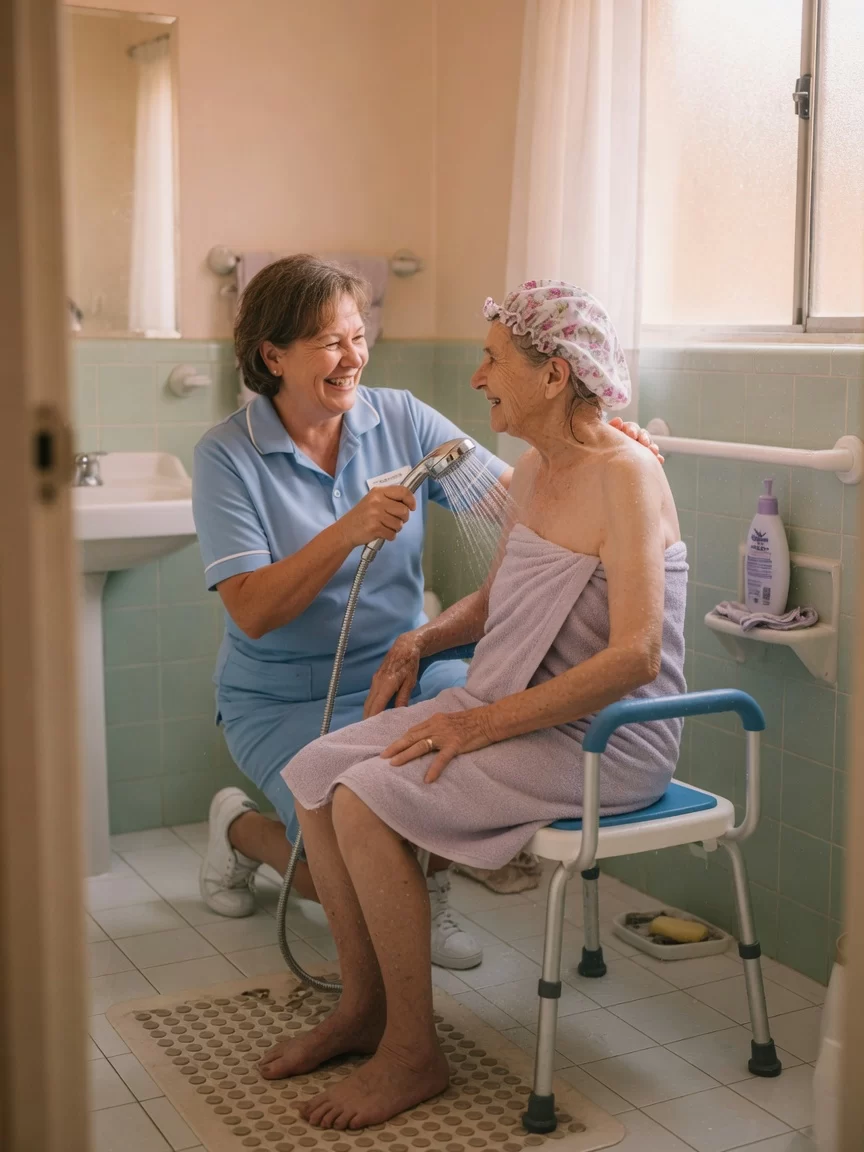
When your aging parent or spouse starts avoiding the shower or bath, it can stir up a mix of frustration, worry, and even guilt. You know hygiene matters for health and dignity, but every attempt to suggest a wash seems to end in resistance, excuses, or outright refusal. You are not alone, and this is not a sign of failure on your part. Bathing is a deeply personal and often vulnerable activity, and for many seniors, it becomes a source of anxiety, discomfort, or confusion. The good news is that with patience, empathy, and a few practical strategies, you can turn this daily battle into a more peaceful, even pleasant, experience. This guide will help you understand why your loved one may be resisting, how to approach the conversation with kindness, and what concrete steps you can take to support their dignity and well-being.
Why Seniors Resist Bathing: Understanding the Root Causes
Before you can address the problem, you need to understand what is driving it. Bathing reluctance is rarely about being lazy or stubborn. For many older adults, the bathroom is a place of fear and discomfort. The hard, slippery surfaces, the loud noise of running water, and the loss of privacy can all feel overwhelming. Physical changes like arthritis, balance issues, or chronic pain make the simple act of stepping into a tub or standing under a shower genuinely painful and risky. A senior who once enjoyed a long soak may now associate bathing with falling, cold drafts, or the humiliation of needing help.
Cognitive changes also play a huge role. For someone living with dementia or Alzheimer’s, the shower can feel like an assault on the senses. The water may feel like needles on their skin, the echo of the room may confuse them, and they may not recognize the purpose of the routine. They might genuinely forget when they last bathed, or they may feel that they just bathed an hour ago. In their mind, they are not refusing to be clean; they are protecting themselves from something that feels strange and frightening. Understanding these underlying causes helps you shift from frustration to compassion, which is the first step toward finding a solution that works for both of you.
The Emotional and Physical Toll of Bathing Struggles
The resistance to bathing is not just a minor inconvenience; it can have serious consequences for both the senior and the caregiver. For the senior, poor hygiene can lead to skin infections, urinary tract infections, and worsening of existing conditions like eczema or psoriasis. It can also affect their social life, as they may feel embarrassed about body odor or unkempt appearance, leading to isolation and depression. When a person stops bathing, it is often a sign that they are struggling with their overall well-being, and ignoring it can allow small problems to become serious health issues.
For you as a caregiver, the daily struggle can be exhausting and demoralizing. You may feel like you are failing, or you may feel anger toward your loved one, which then leads to guilt. This emotional roller coaster is completely normal, but it is important to recognize that you cannot pour from an empty cup. If you are stressed, your loved one will sense it, and the tension will only make the situation worse. Taking care of your own emotional health is not selfish; it is essential. By understanding that this is a shared challenge, not a personal attack, you can approach each bathing session with a calmer mindset and a more effective plan.
Effective Communication: How to Talk About Bathing Without Conflict
The way you talk about bathing can make all the difference. Avoid making it a command or a lecture. Instead, use a gentle, matter-of-fact tone that normalizes the activity. Try saying something like, ‘I am going to freshen up, and I thought we could both get ready for the day. Would you like to wash your face first?’ This approach makes bathing a shared, routine activity rather than a demand. It also gives your loved one a sense of choice, which is crucial for preserving their autonomy.
Another powerful technique is to avoid the word ‘bath’ or ‘shower’ altogether if it triggers resistance. Instead, you can say, ‘Let’s go splash some water on your hands,’ or ‘I need to help you change your shirt, and we can wash up at the same time.’ For seniors with dementia, the concept of a ‘bath’ may be abstract and scary, but the idea of a simple, concrete action like ‘washing your arms’ feels less threatening. Always ask for permission and respect their answer, even if it means trying again in an hour. Forcing the issue will only deepen their resistance and erode trust.
Creating a Safe and Comfortable Bathing Environment
One of the most effective ways to reduce bathing anxiety is to make the bathroom a place of safety and comfort. Start by addressing physical hazards. Install grab bars near the tub and toilet, use a non-slip bath mat, and consider a shower chair or a handheld showerhead. These tools not only prevent falls but also give your loved one a sense of security, which can lower their resistance. The bathroom should be warm, so preheat the room with a space heater (placed safely away from water) or run the shower for a few minutes to warm the air before they step in.
Pay attention to the sensory experience. Soft, warm towels, a comfortable water temperature (around 100 degrees Fahrenheit), and gentle, unscented soap can make a huge difference. Some seniors are sensitive to strong smells or the sound of the shower, so consider using a washcloth and basin instead of a full shower on particularly difficult days. You can also play soft music or keep the lighting dim and calm. The goal is to create an environment that feels as close to a spa as possible, not a clinical procedure. When your loved one feels safe and relaxed, they are far more likely to cooperate.
Practical Strategies for a Successful Bathing Routine
Establishing a consistent but flexible routine can help reduce anxiety. Try to bathe your loved one at the same time each day, preferably when they are most alert and in a good mood. For many seniors, that is in the morning after breakfast, but for others, it might be before bed. Watch for cues and adjust accordingly. If they are tired or agitated, postpone the bath rather than forcing it. A missed bath is not a failure; it is a choice to prioritize emotional well-being over a strict schedule.
Break the task into smaller, manageable steps. Instead of saying, ‘Time for a shower,’ say, ‘Let’s start by washing your hands.’ Once they are comfortable with that, you can move to their face, then arms, and so on. This gradual approach is especially effective for seniors with dementia. Another strategy is to offer a choice, but not an open-ended one. For example, ask, ‘Would you like to take a bath or a shower?’ or ‘Do you want to wash your hair today or tomorrow?’ This gives them a sense of control while still ensuring that hygiene happens. If a full bath is too daunting, a sponge bath or a rinse with a washcloth is perfectly acceptable. Remember, the goal is cleanliness and dignity, not perfection.
When Nothing Seems to Work: Alternative Bathing Methods
There will be days when even the best strategies fail. On those days, do not give up on hygiene altogether. Consider using no-rinse bathing wipes, which are available at most pharmacies and require no water. These wipes are gentle on the skin and can be used to clean the entire body without the stress of a shower. You can also try a ‘bed bath’ if your loved one is bedridden or extremely resistant. This involves using a basin of warm water, a washcloth, and soap to clean them while they lie in bed. It is a more intimate process, but it can be done with care and respect.
Another option is to consult with a home care professional, like a home health aide, who is trained to handle bathing resistance with patience and skill. Sometimes a senior who resists a family member will accept help from a stranger because there is less emotional baggage. Aides are also experienced in using techniques like distraction, positive reinforcement, and gentle redirection. If you are feeling overwhelmed, bringing in outside help is not a sign of weakness; it is a smart, loving decision that benefits both you and your loved one.
Special Considerations for Seniors with Dementia
Bathing a senior with dementia requires extra patience and creativity because their perception of reality may be different from yours. They may not understand why they need to bathe, or they may become agitated by the unfamiliar environment. One effective technique is to approach bathing as a social activity. You can say, ‘Let’s get you ready for lunch,’ or ‘We have visitors coming later, so let’s freshen up.’ This gives them a reason that makes sense in their world. You can also try to mimic their past routines, such as bathing in the evening if they always did so before dinner.
It is also crucial to be mindful of their dignity. Always keep them covered as much as possible, use towels to preserve modesty, and speak in a calm, reassuring voice. If they become aggressive or extremely distressed, stop immediately. Forcing a bath can be traumatic and may lead to long-term fear. Instead, try again later with a different approach. Sometimes a change in location, like using a washbasin in their bedroom, can be less intimidating than the bathroom. Remember that for a person with dementia, the experience of bathing is more important than the outcome. A calm, positive interaction is better than a ‘clean’ senior who is terrified.
How a Home Care Aide Can Help with Bathing
If you are struggling to manage bathing on your own, a professional home care aide can be a game-changer. These trained professionals have experience with a wide range of seniors, including those with physical limitations, dementia, and severe anxiety. They know how to use transfer belts, shower chairs, and other equipment safely. They also bring a calm, neutral presence that can reduce the emotional tension that often exists between family members. Many seniors are more willing to accept help from someone who is not a family member because they feel less embarrassed about their vulnerability.
Home care aides can also provide respite for you, the family caregiver. Taking a break from the physical and emotional demands of bathing can prevent burnout and help you maintain a healthier relationship with your loved one. When you are not exhausted and frustrated, you are more patient and compassionate. A home care agency like Rockaway Home Care can match you with an aide who is a good fit for your loved one’s personality and needs. This is not about outsourcing your responsibility; it is about building a team that supports both of you.
Frequently Asked Questions
Why does my mom suddenly refuse to take a shower?
Sudden refusal often stems from a new physical discomfort, such as arthritis pain, fear of falling, or a urinary tract infection that makes bathing painful. It could also be an early sign of cognitive decline. Try to observe if there are any new physical or emotional changes, and consult a doctor if the behavior is sudden and persistent.
Is it okay to let my dad skip a bath sometimes?
Yes, it is perfectly fine to skip a full bath on difficult days, as long as you maintain basic hygiene through alternatives like no-rinse wipes or a sponge bath. The goal is to reduce stress and avoid power struggles. A missed bath is not harmful if you keep the skin clean and dry, especially in areas prone to irritation.
How often should a senior bathe?
Most seniors do not need a full bath every day. Two to three times a week is generally sufficient for health and hygiene, provided they wash their face, hands, and private areas daily. Daily bathing can dry out the skin and increase the risk of falls. Focus on a routine that balances cleanliness with comfort.
What if my loved one becomes aggressive during bath time?
If your loved one becomes aggressive, stop the bath immediately and step back. Do not try to restrain them or force the issue. Give them space and try again later with a different approach, such as a sponge bath or a change of location. If aggression is frequent, consult a doctor or a home care professional for guidance.
Can a home care aide really help with bathing?
Yes, home care aides are trained to assist with bathing safely and respectfully. They can handle transfers, use adaptive equipment, and employ techniques to reduce anxiety. Many seniors feel less embarrassed with a professional, and the aide can also give you a much-needed break. It is a practical and compassionate option.
Caring for a senior who resists bathing is one of the most challenging aspects of caregiving, but it is also an opportunity to deepen your connection through patience and empathy. Remember that you are not alone, and there is no single ‘right’ way to handle this. What works today may not work tomorrow, and that is okay. The most important thing is to approach each day with flexibility, humor, and love. If you are feeling overwhelmed or need extra support, reach out to Rockaway Home Care for a free consultation. Our compassionate team can provide guidance, respite, and professional assistance to help you and your loved one navigate this difficult time with dignity and grace.
This article is for general information only and is not a substitute for professional medical advice. Always consult with a qualified healthcare provider regarding your loved one’s specific needs.
More from the Rockaway Home Care blog
- Understanding Medicaid home care eligibility
- Top questions families ask about home care costs
- Choosing between live-in care and hourly home care
- How to create a home care plan for a loved one