
Handling Extreme Heat Without AC: Senior Cooling Guide
When the temperature soars and there is no air conditioning, seniors face serious risks. This guide offers practical, compassionate strategies to stay cool and safe during extreme heat.
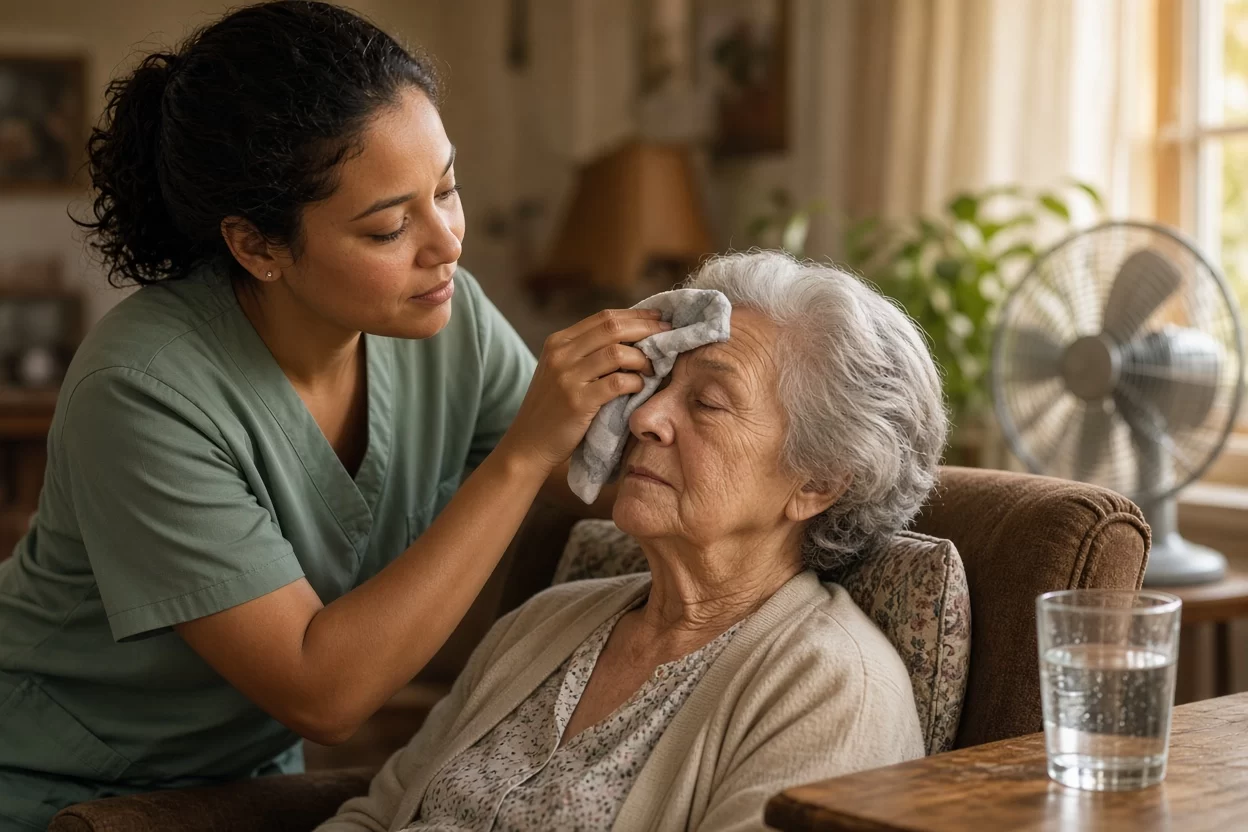
When the summer sun beats down and the thermometer climbs past 90 degrees, a home without air conditioning can feel like an oven. For older adults, this is more than uncomfortable; it is dangerous. Heat exhaustion and heat stroke can come on quickly, and the effects can be devastating. If you are caring for an aging parent or loved one who does not have AC, you might feel worried and overwhelmed. But there is hope. With the right strategies, you can create a safer, cooler environment and help your loved one weather the heat wave with dignity and comfort. This guide is designed to give you practical, compassionate steps to protect the seniors you love when the heat is relentless.
Why Seniors Are More Vulnerable to Extreme Heat
As we age, our bodies change in ways that make it harder to cope with high temperatures. The natural cooling mechanisms, like sweating, become less efficient. The skin thins, and the blood vessels do not dilate as readily, so heat gets trapped inside the body. Many seniors also have chronic conditions such as heart disease, diabetes, or high blood pressure, which can be worsened by heat stress. Certain medications, including diuretics, antihistamines, and some antidepressants, can interfere with the body’s ability to regulate temperature or increase the risk of dehydration.
Beyond the physical changes, there are practical barriers. An older adult might not feel thirsty until they are already dehydrated. They might have limited mobility, making it hard to move to a cooler part of the house or to take a cool shower. Cognitive decline can also play a role, as a person might not recognize the signs of overheating or remember to drink water. This is why family caregivers need to be proactive. Do not wait for your loved one to say they are hot; check on them regularly and take preventive measures before the heat becomes dangerous.
Immediate Cooling Strategies: What to Do Right Now
When the heat is already intense, you need quick and effective ways to bring the body temperature down. One of the simplest and most powerful methods is to use cool water. Encourage your loved one to take a cool shower or bath, but not an ice-cold one, as that can cause shock. If a shower is not possible, soak a washcloth in cool water and place it on the wrists, neck, and forehead. These pulse points have blood vessels close to the skin, so cooling them helps lower the whole body temperature.
Another immediate strategy is to use fans strategically. A fan placed in a window facing outward can push hot air out of the room, while a second fan facing inward can pull cooler air from outside. If the outside air is hotter than the indoor air, which often happens in the afternoon, close the windows and use the fan to circulate the existing indoor air. You can also place a bowl of ice or a frozen water bottle in front of a fan to create a cooler breeze. This is a simple DIY air conditioner that can make a noticeable difference in a small room.
Cooling Clothing and Bedding
What your loved one wears and sleeps on matters a lot. Choose loose, light-colored, and breathable fabrics like cotton or linen. Dark colors absorb heat, while light colors reflect it. Avoid synthetic materials that trap sweat and heat. For sleep, use lightweight cotton sheets and consider a cooling pillowcase. You can even dampen a thin towel and place it over the body while resting, but make sure it is not too wet to cause chills. The goal is to keep the skin cool and allow air to circulate.
Hydration: The Lifeline in a Heat Wave
Dehydration is one of the biggest risks for seniors in extreme heat, and it can happen faster than you think. Older adults often have a diminished sense of thirst, so they may not drink enough water even when they need it. As a caregiver, you need to make hydration a routine, not an afterthought. Offer fluids every hour, even if your loved one says they are not thirsty. Water is the best choice, but you can also offer fruit juices, sports drinks, or even popsicles. Avoid caffeinated beverages and alcohol, as they can increase dehydration.
If your loved one is reluctant to drink plain water, try adding slices of lemon, cucumber, or berries to make it more appealing. You can also offer hydrating foods like watermelon, cucumbers, oranges, and soups. These foods contain high water content and can contribute to overall fluid intake. Keep a water bottle within easy reach at all times, and gently encourage sips throughout the day. Watch for signs of dehydration, such as dark urine, dry mouth, dizziness, or confusion. If you notice any of these, act quickly and increase fluid intake, but if symptoms are severe, seek medical help immediately.
Creating a Cooler Home Environment
Even without AC, you can make the home significantly cooler by blocking out the sun’s heat. During the hottest part of the day, usually from 10 a.m. to 4 p.m., close all curtains, blinds, and shades, especially on windows that face the sun. Use light-colored curtains that reflect heat rather than dark ones that absorb it. If you have reflective window film, apply it to reduce heat gain. You can also hang a wet sheet over an open window; as the water evaporates, it cools the incoming air.
Another trick is to reduce heat-generating activities. Avoid using the oven, stove, or dryer during the day, as these appliances add heat to the home. Cook meals in the morning or evening when it is cooler, and use a microwave, slow cooker, or outdoor grill instead. Turn off unnecessary lights and electronics, as they also produce heat. If possible, spend time in the lowest level of the home, such as a basement, because heat rises and the lower floors tend to be cooler. If you have a basement that is dry and safe, set up a comfortable seating area there during the hottest hours.
Using Public Cooling Centers
When the home becomes too hot, do not hesitate to leave. Many communities, including those in New York, open cooling centers in public buildings like libraries, community centers, and senior centers during heat waves. These places are air-conditioned and provide a safe refuge. Check with your local government or senior services to find the nearest cooling center. If transportation is an issue, some areas offer free shuttle services during extreme heat events. Spending a few hours in a cool public space can make a huge difference in preventing heat-related illness.
Recognizing Heat-Related Illnesses
Knowing the warning signs of heat exhaustion and heat stroke can save a life. Heat exhaustion symptoms include heavy sweating, weakness, cold and clammy skin, nausea, dizziness, and a fast but weak pulse. If you notice these, move the person to a cooler place, loosen their clothing, and apply cool, wet cloths. Give them sips of water if they are conscious and not vomiting. If they do not improve within an hour, or if symptoms worsen, seek medical attention.
Heat stroke is a medical emergency and can be fatal. Symptoms include a body temperature of 103 degrees Fahrenheit or higher, hot and dry skin (no sweating), confusion, slurred speech, seizures, and loss of consciousness. If you suspect heat stroke, call 911 immediately. While waiting for help, move the person to a cooler area, remove excess clothing, and try to cool them down with cool water or ice packs on the armpits, groin, neck, and back. Do not give them anything to drink if they are confused or unconscious. Acting fast is critical.
Daily Routine Adjustments for Heat Waves
Adjusting the daily schedule can minimize heat exposure. Plan outdoor activities for the early morning or late evening when temperatures are lower. If your loved one enjoys a walk, do it before 9 a.m. or after 7 p.m. and keep it short. During the hottest hours, encourage indoor activities that are calm and sedentary, like reading, listening to music, or doing puzzles. Avoid any strenuous physical activity during the heat of the day.
Meals should be light and easy to digest. Heavy meals increase the body’s metabolic heat, so opt for salads, cold sandwiches, and fruit. Keep the kitchen cool by not cooking during the day. Also, ensure your loved one takes any prescribed medications as directed, but be aware that some medications can increase heat sensitivity. Talk to their doctor about any special precautions during heat waves. Finally, make sure they have a phone nearby and a plan to reach someone if they feel unwell.
When to Seek Help: Emergency Signs
Sometimes, despite all your efforts, the heat becomes too much. It is important to know when to call for professional help. If your loved one experiences confusion, fainting, a rapid heartbeat, or a body temperature above 103 degrees, do not hesitate to call 911. These are signs of heat stroke, which requires immediate medical intervention. Also, if they have a chronic condition like heart disease or diabetes and show any signs of heat distress, err on the side of caution and get medical advice.
Additionally, if you feel overwhelmed or unsure about how to manage the heat, reach out to a home care agency. Professional caregivers are trained to recognize the signs of heat-related illness and can provide support in the home. They can help with hydration, cooling techniques, and monitoring your loved one’s condition. Sometimes, just having an extra set of hands and eyes can make all the difference.
Frequently Asked Questions
How can I keep my senior cool without AC at night?
At night, focus on ventilation. Open windows on opposite sides of the house to create a cross breeze. Use a fan to draw cooler air in from outside. Dress your loved one in light cotton pajamas and use only a thin sheet. You can also place a cool, damp towel on the bedside table and apply it to the neck or forehead if they wake up feeling hot.
What are the first signs of heat exhaustion in the elderly?
The first signs often include heavy sweating, fatigue, weakness, dizziness, and muscle cramps. The skin may feel cool and clammy. The person might also complain of a headache or nausea. If you notice these signs, act quickly to cool them down and hydrate them.
Are there any foods that help cool the body?
Yes, foods with high water content help with hydration and cooling. Watermelon, cucumbers, strawberries, lettuce, and celery are excellent choices. Yogurt and mint can also have a cooling effect. Avoid heavy, spicy, or high-protein meals that increase body heat.
Can I use a spray bottle with water to cool down?
Absolutely. A spray bottle filled with cool water can be used to mist the skin, especially on the face, arms, and legs. As the water evaporates, it cools the body. You can add a few drops of peppermint essential oil for a refreshing sensation, but make sure the person is not allergic.
When should I call 911 during a heat emergency?
Call 911 if the person shows signs of heat stroke, such as a body temperature of 103 degrees or higher, hot and dry skin, confusion, seizures, or loss of consciousness. Also call if they are vomiting, have a rapid pulse, or are unable to keep fluids down. Do not wait if symptoms are severe.
Taking care of an older adult during a heat wave without air conditioning is challenging, but you are not alone. By using these strategies, you can create a safer environment and protect your loved one from the dangers of extreme heat. Remember to check on them frequently, keep them hydrated, and know the warning signs. If you ever feel that you need extra support, do not hesitate to reach out to a professional home care agency. We are here to help you and your family navigate these difficult times with compassion and expertise. Contact Rockaway Home Care today for a free consultation and let us support you in keeping your senior safe and comfortable all summer long.
This article provides general information and is not a substitute for professional medical advice. Always consult with a healthcare provider for specific guidance on managing heat-related risks for you or your loved one.
This article is general information, not medical advice. Please consult a qualified professional about your own situation.
More from the Rockaway Home Care blog
- Understanding Medicaid home care eligibility
- Top questions families ask about home care costs
- Choosing between live-in care and hourly home care
- How to create a home care plan for a loved one