
Adaptive Clothing Hacks for Ease of Dressing Seniors
Dressing can become a daily struggle for seniors with limited mobility or dexterity. Discover practical adaptive clothing hacks that make dressing easier, safer, and more dignified for your loved one.
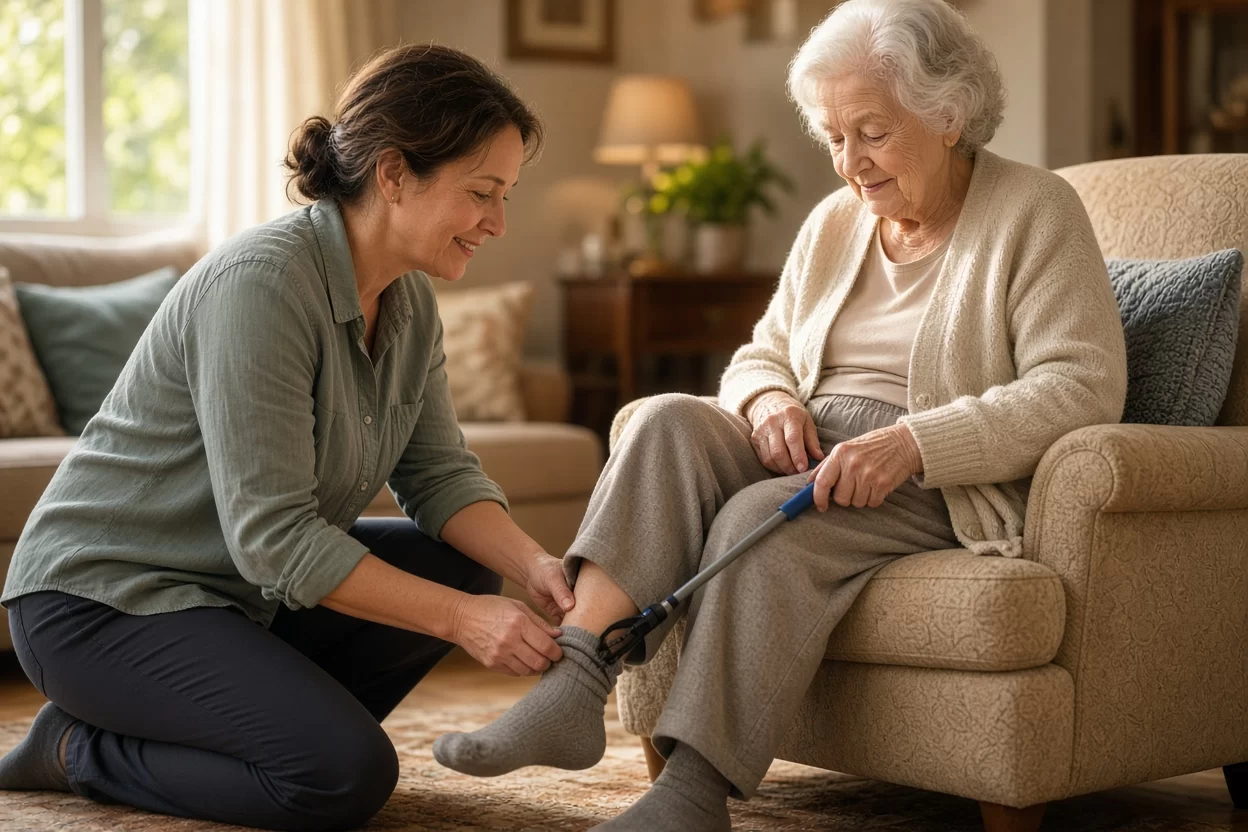
Every morning, a familiar challenge unfolds in homes across New York: helping an aging parent or grandparent get dressed. What was once a simple routine can become a daily struggle, a source of frustration, and even a safety risk. But it does not have to be that way. With a few thoughtful adjustments and adaptive clothing hacks, you can transform dressing from a battle into a calm, dignified experience that preserves your loved one’s independence and your own peace of mind.
Why Dressing Becomes Difficult for Seniors
As we age, our bodies change in ways that make conventional clothing tricky. Arthritis in the hands can make buttons feel like tiny puzzles. Reduced flexibility in the shoulders and hips can turn reaching for a shirt or pulling up pants into an impossible feat. Conditions like Parkinson’s disease, stroke recovery, or dementia can affect coordination and memory, making the sequence of dressing confusing or overwhelming.
Beyond the physical, there is an emotional layer. Many seniors feel a loss of dignity when they need help with something so personal. They may resist assistance, leading to strained relationships with caregivers. Understanding these challenges is the first step toward finding solutions that respect both their abilities and their pride.
Adaptive clothing is designed to address these very issues. But you do not need to buy a whole new wardrobe. Simple modifications to existing clothes, along with a few clever hacks, can make a world of difference. Let’s explore practical strategies that you can implement today.
1. Prioritize Open-Front Tops and Easy Fasteners
When it comes to tops, the golden rule is to avoid anything that requires pulling over the head. Overhead shirts can be scary for seniors with limited shoulder mobility or balance issues, as the fabric temporarily blocks vision and can cause a feeling of being trapped. Instead, choose cardigans, button-down shirts, or wrap tops that open fully in the front. These allow you to dress your loved one while they remain seated and comfortable.
For fasteners, replace traditional buttons with magnetic closures. You can buy magnetic button adapters that snap over existing buttons, turning a dress shirt into a magnetic closure shirt in seconds. Alternatively, look for tops with Velcro tabs or zip-front styles with large, easy-to-grip zipper pulls. Hook-and-loop tape (like Velcro) can be sewn over buttons for a permanent solution.
Another clever hack is to use a zipper pull extender. This small device attaches to a zipper tab, making it easier for arthritic fingers to grasp and pull. You can also thread a large key ring or a piece of ribbon through the zipper pull for a DIY version. These tiny tools can make a huge difference in promoting independence.
Quick Fix for Stiff Buttons
- Use a button hook: a simple tool with a wire loop that helps grasp and pull buttons through holes.
- Apply a small piece of adhesive Velcro inside the shirt placket to replace a stubborn button.
- Choose shirts with a hidden magnetic placket that looks like a regular button-up but opens easily.
2. Rethink Pants: Elastic Waists and Side Openings
Pants are another common hurdle. Snaps, zippers, and rigid waistbands can be painful and frustrating. The simplest solution is to switch to pants with a full elastic waistband. These are comfortable, easy to pull up, and accommodate changes in weight or bloating. Look for pants labeled ‘pull-on’ or ‘comfort waist’ that have a smooth, stretchy band without a drawstring.
For seniors who have difficulty bending or standing to pull up pants, consider adaptive pants with side openings. These have hidden zippers or Velcro along the outer seams, allowing the pants to open completely. This means the pants can be laid flat, the senior can sit on them, and then you can close them around the legs and waist without asking them to stand or lift their legs. This is a game-changer for bed-bound or chair-bound individuals.
Another hack is to use a dressing stick or a reacher tool to help pull pants up while standing. A dressing stick has a small hook or clip at the end that can grab the waistband and pull it up. Practice with your loved one to find what works best for their mobility level. Also, consider pants with a higher rise in the back to prevent gaping when seated, which can be both uncomfortable and embarrassing.
Adaptive Pants Options
- Elastic waist pants with a flat front look more like traditional trousers.
- Side-opening pants are ideal for those who are wheelchair-bound or have hip replacements.
- Wrap-around skirts or pants with a full Velcro opening are excellent for quick changes.
3. Simplify Footwear: Slip-Ons and Adjustable Fasteners
Shoes and socks can be the most frustrating part of dressing. Bending to tie laces or pull on socks is difficult for many seniors, and falls are a real risk. The best footwear is a slip-on shoe with a wide opening and a non-slip sole. Look for shoes with elastic laces that can be tightened without tying, or use adjustable Velcro straps. Brands like Skechers and Kizik offer hands-free slip-on shoes, but you can also convert any shoe by replacing laces with elastic ones.
For socks, consider ‘easy-on’ socks that have a wider opening and a smooth, non-constricting top. There are also sock aids, which are plastic or foam devices that hold the sock open while you slip your foot in. A long-handled shoe horn can also help you put on shoes without bending. If your loved one has balance issues, have them sit in a sturdy chair while you help with footwear.
Another simple hack is to apply a small amount of baby powder inside shoes to reduce friction, making them easier to slip on. Also, check that shoes are the right size; many seniors have foot swelling, so a half-size larger with adjustable straps can be more comfortable and safer.
4. Use Adaptive Tools and Aids
Sometimes, the right tool can make all the difference. A dressing stick is a long, lightweight rod with a hook or a clip that helps pull up pants, push down sleeves, or even pick up clothes from the floor. It is inexpensive and can be used one-handed, which is perfect for stroke survivors. A reacher/grabber is similar but has a claw on the end to grab items, reducing the need to bend.
Button hooks and zipper pulls are small but mighty. A button hook has a wooden or plastic handle with a wire loop that you thread through the buttonhole, catch the button, and pull it through. This gives seniors with arthritis a sense of accomplishment. For zippers, a zipper pull with a large ring or a looped cord makes it easier to grip.
For dressing in general, a ‘dressing apron’ can be helpful. This is a cloth that covers the chest and arms while dressing, keeping the person warm and modest during the process. Also, consider using a ‘sock aid’ to help with socks, and a ‘long-handled shoe horn’ to avoid bending. These tools are available online or at medical supply stores, but you can also make DIY versions at home.
5. Modify Existing Clothes with Simple Sewing Tricks
You do not have to throw away a favorite shirt or pair of pants. With basic sewing skills, you can adapt them. Replace buttons with magnetic snaps or Velcro. For a shirt, you can open the back seam and add Velcro closures, turning it into a ‘back-opening’ shirt that is easier to put on. This is especially useful for seniors with limited arm mobility.
For pants, replace a zipper fly with Velcro or magnetic closures. You can also add elastic to the waistband by cutting a small slit in the back and threading elastic through. Another trick is to add a loop of ribbon to the inside of the pants waistband, creating a ‘pull loop’ that makes it easier to pull up.
If you are not comfortable sewing, use fabric glue or iron-on adhesive tape (like Stitch Witchery) to attach Velcro strips. Always test on a small area first. These modifications can breathe new life into familiar clothes, which can be comforting for a senior with dementia who may feel anxious about new items.
6. Choose Fabrics and Styles That Work
Fabric choice matters more than you might think. Soft, stretchy, and breathable fabrics like cotton, bamboo, and spandex blends are comfortable and easy to move in. Avoid stiff, rough, or scratchy materials that can irritate sensitive skin. Also, consider the climate: in New York, you need clothes that are easy to layer, so choose cardigans and light jackets over bulky sweaters.
Styles that are loose-fitting but not baggy are ideal. They allow for movement without getting caught on wheelchair wheels or walkers. Avoid clothes with long, flowing sleeves or wide legs that could be a trip hazard. Also, look for tops with raglan sleeves (sleeves that extend in one piece to the collar) which provide more room in the shoulder area, making it easier to raise arms.
For seniors with incontinence, look for pants with a hidden waterproof layer or that are easy to remove. There are also ‘adaptive’ garments with snap-away seams for quick changes. The goal is to find clothing that is both functional and dignified, so your loved one feels good about what they are wearing.
7. Create a Calm Dressing Routine
Beyond clothing, the process of dressing can be made easier with a calm and predictable routine. Start by laying out clothes in the order they will be put on: underwear, pants, shirt, socks, shoes. This reduces decision fatigue and confusion. Play soft music or talk about pleasant topics to distract from the task.
Allow plenty of time so there is no rush. Rushing increases anxiety and can lead to accidents. Encourage your loved one to do as much as they can by themselves, even if it takes longer. Offer help only when needed, and always ask before touching. This preserves their dignity and sense of control.
Use verbal cues, especially for those with dementia. Say ‘Now let’s put your right arm in’ rather than just reaching for them. Break the task into small steps and praise each success. If your loved one becomes agitated, take a break and try again later. A positive, patient attitude goes a long way.
8. Know When to Seek Professional Help
While these hacks are effective, there are times when you may need extra support. If dressing is causing significant stress, or if your loved one is at risk of falling during the process, consider consulting an occupational therapist. They can provide personalized strategies and recommend specific adaptive equipment.
Also, if you are caring for a senior with a progressive condition like Parkinson’s or Alzheimer’s, you may need to adjust your approach over time. A home care agency, like Rockaway Home Care, can provide trained caregivers who are experienced in helping seniors with dressing and other daily activities. They can offer respite for family caregivers and ensure your loved one is treated with respect.
Remember, asking for help is a sign of strength, not weakness. You do not have to do this alone. There are resources available to make caregiving more manageable and to improve the quality of life for both you and your loved one.
Frequently Asked Questions
What is adaptive clothing?
Adaptive clothing is specially designed to make dressing easier for people with physical limitations. It features modifications like magnetic closures, Velcro, elastic waistbands, and side openings. These garments are practical, comfortable, and help maintain a person’s independence.
Can I adapt my loved one’s existing clothes at home?
Yes, many simple modifications can be done at home with basic sewing tools. You can replace buttons with magnetic snaps, add Velcro to seams, or insert elastic into waistbands. For those who do not sew, fabric glue and iron-on tape are easy alternatives.
What is the best type of shirt for a senior with limited mobility?
Open-front shirts, such as cardigans or button-downs with magnetic closures, are best. They eliminate the need to pull over the head, reducing anxiety and making the process easier. Look for tops with raglan sleeves for extra shoulder room.
How can I help my loved one put on socks without bending?
Use a sock aid, which is a flexible device that holds the sock open while your loved one slips their foot in. You can also choose ‘easy-on’ socks with a wider opening. Long-handled shoe horns can help with shoes, and always have them sit in a sturdy chair.
Are there any safety concerns with adaptive clothing?
Yes, always ensure that clothing does not have loose strings, dangling buttons, or overly long hems that could cause trips. Choose non-slip socks and shoes with good grip. Also, make sure that any Velcro or magnetic closures are secure and do not pinch the skin.
We hope these adaptive clothing hacks bring more ease and calm to your daily routine. At Rockaway Home Care, we understand the challenges of caring for an aging loved one, and we are here to support you. If you would like to learn more about how our compassionate caregivers can help with dressing, bathing, and other daily activities, please reach out to us for a free consultation. You are not alone in this journey, and a little help can make a world of difference.
This article is for general information only and is not a substitute for professional medical advice. Always consult with a qualified healthcare provider for specific concerns about your loved one’s health and safety.
This article is general information, not medical advice. Please consult a qualified professional about your own situation.
More from the Rockaway Home Care blog
- Understanding Medicaid home care eligibility
- Top questions families ask about home care costs
- Choosing between live-in care and hourly home care
- How to create a home care plan for a loved one