
Preventing Kitchen Fires: Senior Cooking Safety Guide
Cooking is the leading cause of home fires among older adults. This guide offers simple, actionable steps to keep your loved one safe in the kitchen.
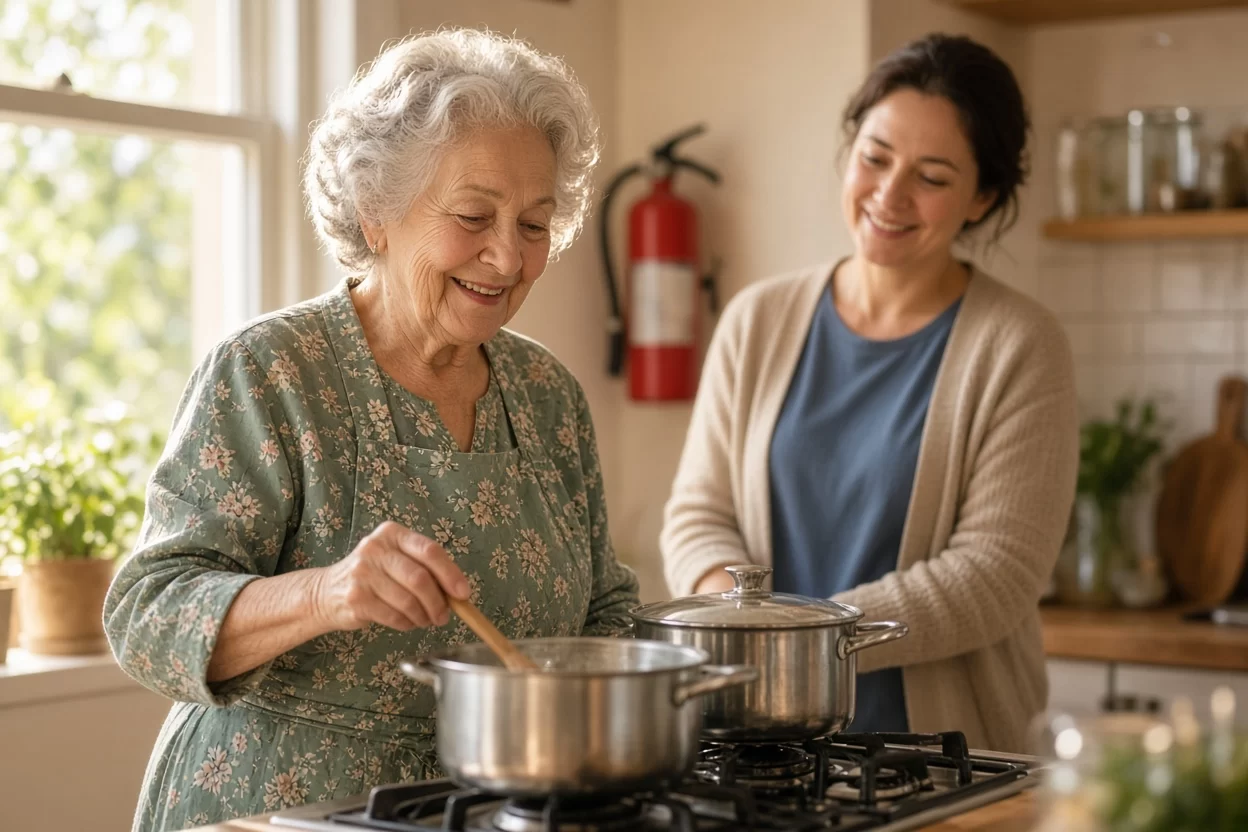
For many seniors, cooking is more than just a daily task; it is a source of independence, a creative outlet, and a way to share love with family. But as we age, the kitchen can become a place of hidden risks. The heat, the sharp tools, and the fast pace of meal preparation can turn a simple recipe into a dangerous situation. In fact, cooking is the leading cause of home fires and fire-related injuries among older adults. The good news is that most kitchen fires are preventable with a few mindful changes. This guide from Rockaway Home Care will walk you through practical steps to keep your loved one safe while still enjoying the pleasures of home-cooked meals.
Why Seniors Are at Higher Risk for Kitchen Fires
Aging brings natural changes that can affect cooking safety. Decreased mobility may make it harder to move quickly if a pot boils over or a towel catches fire. Vision and hearing loss can mean not noticing a burner left on or a smoke alarm sounding. Cognitive changes, such as mild forgetfulness, can lead to leaving the stove unattended or confusing the controls. Additionally, certain medications can cause dizziness or drowsiness, which increases the risk of accidents while handling hot liquids or using the oven.
It is important to understand that these risks are not a sign of failure or a reason to give up cooking altogether. With the right precautions, many seniors can continue to cook safely. The key is to adapt the kitchen environment and cooking habits to match current abilities. Family members and caregivers can play a vital role in this process, offering support without taking away independence.
By recognizing the specific challenges that seniors face, we can create a safer kitchen that still feels familiar and welcoming. Simple changes, such as using timers, installing automatic shut-off devices, and reorganizing the kitchen layout, can make a huge difference. The goal is not to restrict but to empower safe cooking for as long as possible.
Top Causes of Kitchen Fires in the Home
Understanding what starts most kitchen fires is the first step to preventing them. The most common cause is unattended cooking. A pot left on a high heat can quickly boil dry, and oil can ignite in a matter of seconds. Another frequent culprit is grease buildup on stovetops and inside ovens. When grease gets hot enough, it can catch fire spontaneously. Additionally, loose clothing or dish towels can brush against a hot burner and ignite.
Electrical issues also contribute to kitchen fires. Overloaded outlets, frayed cords from appliances, and using the wrong wattage in light fixtures can all lead to sparks and fires. For seniors, who may have older appliances or extension cords that have seen better days, these risks are especially relevant. Finally, cooking with flammable items nearby, such as paper towels, wooden spoons, or food packaging, can easily turn a small mishap into a serious blaze.
By identifying these common causes, you can take proactive steps to eliminate them. For instance, make it a habit to clear the area around the stove before cooking. Use a timer for every dish, even if you think you will remember. And never leave cooking food unattended, even for a minute. If you must leave the kitchen, turn off the burner or take a pot holder with you as a reminder to return.
Essential Fire Prevention Equipment for Seniors
Every kitchen should have basic fire safety equipment, but for seniors, this is especially critical. A smoke alarm is the most important piece of equipment. Install one inside the kitchen and outside sleeping areas, and test it monthly. Replace batteries at least once a year, or use alarms with sealed 10-year batteries to avoid the hassle of frequent changes. If your loved one has hearing loss, consider a smoke alarm with a strobe light or a vibrating pad that can be placed under a pillow.
A fire extinguisher is another must-have. Choose a multi-purpose extinguisher labeled for Class A, B, and C fires, which covers ordinary combustibles, flammable liquids, and electrical fires. Keep it in an easily accessible location, such as under the sink or near the exit, but not right next to the stove where a fire might block access. Make sure the senior knows how to use it. The PASS technique is simple: Pull the pin, Aim at the base of the fire, Squeeze the handle, and Sweep from side to side. Practice the steps so they become familiar.
In addition to alarms and extinguishers, consider an automatic stove shut-off device. These devices, such as the CookStop or iGuardStove, sense when the stove is left on and automatically turn it off after a set time. They are especially helpful for seniors with memory issues. Also, install a fire extinguisher blanket, which can be thrown over a small fire to smother it. These are lightweight and easier to use than a traditional extinguisher for some older adults.
Safe Cooking Practices: What to Do and What to Avoid
Adopting safe cooking habits is the most effective way to prevent fires. First and foremost, never leave cooking food unattended. If you must step away, turn off the burner or oven, even if you plan to return quickly. It only takes a few seconds for a fire to start and spread. Use a timer as a backup reminder, and keep a pair of oven mitts or a pot holder in your hand when you are near the stove to serve as a visual cue.
When cooking with oil, be extra careful. Heat oil gradually over medium heat, and never let it smoke. If you see smoke, turn off the heat immediately and let it cool. Avoid using high heat for frying unless you are using a deep fryer with a thermostat. Also, never add frozen food to hot oil, as it can cause splattering and burns. If a grease fire does start, do not use water. Instead, turn off the heat and cover the pan with a metal lid or use a fire extinguisher. Water will cause the grease to splatter and spread the fire.
Keep flammable items away from the stove. This includes dish towels, paper towels, wooden utensils, pot holders, and food packaging. Make it a rule to have a clear zone of at least three feet around the stove. Also, wear short-sleeved or tight-fitting sleeves when cooking, and avoid loose clothing that can dangle over the burners. If you have long hair, tie it back. These simple habits can prevent most clothing and towel fires.
Kitchen Layout and Organization for Safety
An organized kitchen is a safer kitchen. For seniors, this means placing frequently used items within easy reach to avoid stretching or climbing. Store pots and pans in lower cabinets or on open shelves. Keep spices, cooking oils, and utensils in a lazy Susan or pull-out drawer near the stove. Avoid using step stools or reaching up to high shelves, as falls are a major risk in the kitchen. If items are stored above shoulder height, consider moving them down.
Ensure that there is a clear path from the stove to the sink and to the exit. Remove clutter, such as stacks of newspapers, bags, or boxes, that can obstruct movement or catch fire. Make sure all cords from appliances are tucked away and not dangling where they can be pulled or tripped over. Use a power strip with a surge protector for multiple appliances, and do not overload outlets. Check cords for fraying and replace any damaged ones.
Lighting is another critical element. The kitchen should be well-lit, especially over the stove and food preparation areas. Use bright LED bulbs and consider under-cabinet lighting to illuminate countertops. Nightlights can help prevent accidents during late-night trips for a glass of water. If the senior has limited vision, use contrasting colors for the stove knobs and countertops to make them easier to see.
What to Do If a Fire Starts
Even with all precautions, a fire can still happen. It is essential to know what to do in those critical first moments. If the fire is small and contained, such as in a pan, turn off the burner and cover the pan with a metal lid or a cookie sheet. Do not move the pan, as this can cause the fire to spread. If the fire is in the oven, turn off the oven and keep the door closed. The lack of oxygen will often extinguish the fire.
If the fire is larger, or if you are unsure, get everyone out of the house immediately. Close the kitchen door behind you if possible to contain the fire. Call 911 from outside or from a neighbor’s phone. Do not try to fight a fire that is spreading or that involves electrical equipment unless you have a proper extinguisher and know how to use it. Never use water on an electrical fire, as it can cause electrocution.
For seniors, it is especially important to have a plan. Practice the escape route with your loved one, and make sure they know to stay low to the ground to avoid smoke inhalation. Identify two exits from each room. If mobility is an issue, ensure that walkers or wheelchairs are easily accessible. Also, keep a phone near the bed in case a fire occurs at night. The key is to act quickly and calmly, but always prioritize life over property.
Involving Caregivers and Family in Fire Safety
Family members and home care aides play a vital role in supporting senior cooking safety. As a caregiver, you can help by reviewing the kitchen for hazards and making necessary adjustments. For example, you can install smoke alarms, check the expiration date on the fire extinguisher, and replace any old or damaged appliances. You can also help the senior practice using the extinguisher and reviewing the escape plan.
Communication is key. Have an open conversation about any concerns the senior may have about cooking. They might be embarrassed to admit they have forgotten to turn off the stove, or they may not want to give up cooking for fear of losing independence. Approach the topic with empathy and emphasize that safety is about making small changes, not taking away their autonomy. Offer to cook together sometimes, which can be a fun and social activity.
If the senior is receiving home care, the aide can be trained to follow specific safety protocols. For instance, the aide can help with meal preparation, ensuring that the stove is always attended. They can also remind the senior to use timers and check that appliances are turned off after use. At Rockaway Home Care, we believe that safety is a team effort, and we are here to support families in creating a secure environment for their loved ones.
Frequently Asked Questions
What is the most common cause of kitchen fires in senior homes?
The most common cause is unattended cooking. Seniors may leave the stove on to answer the phone or get distracted by a television show. Even a few minutes of inattention can lead to a fire. Always stay in the kitchen while cooking, and use a timer as a reminder.
Are there special stoves that can prevent fires?
Yes, there are stoves with automatic shut-off features that turn off the burners after a set time or when they detect that the pan is too hot. Some models also have motion sensors that shut off the stove if the user walks away. These can be very helpful for seniors with memory issues.
How often should smoke alarms be tested?
Smoke alarms should be tested at least once a month. Press the test button to ensure the alarm sounds. Replace the batteries at least once a year, or use alarms with sealed 10-year batteries. Also, replace the entire alarm every 10 years, as sensors can become less effective over time.
What should I do if a grease fire starts?
If a grease fire starts, turn off the burner immediately and cover the pan with a metal lid or a cookie sheet. Never use water, as it will cause the grease to splatter and spread the fire. If the fire is too large, leave the house and call 911.
Can seniors with memory loss safely cook?
It depends on the severity of the memory loss. For those with mild forgetfulness, using timers and automatic shut-off devices can help. For more advanced memory loss, it may be safer to have a caregiver supervise cooking or to prepare meals together. Always assess the individual’s abilities and prioritize safety.
Creating a safe kitchen for your aging loved one is one of the most caring actions you can take. It allows them to maintain a sense of independence while giving you peace of mind. Remember, you are not alone in this journey. At Rockaway Home Care, we are dedicated to helping families navigate the challenges of senior care. If you have questions or need support, please reach out to us for a free consultation. We are here to help you and your family every step of the way.
This information is for general guidance only and does not replace professional medical or safety advice. Always consult with your loved one’s healthcare provider or a qualified safety professional for personalized recommendations.
This article is general information, not medical advice. Please consult a qualified professional about your own situation.
More from the Rockaway Home Care blog
- Understanding Medicaid home care eligibility
- Top questions families ask about home care costs
- Choosing between live-in care and hourly home care
- How to create a home care plan for a loved one