
Time Banking: Trade Skills for Senior Care
Time banking is a simple yet powerful way for seniors to exchange skills and receive help — without money. Learn how this community-driven system supports aging in place and builds meaningful connections.
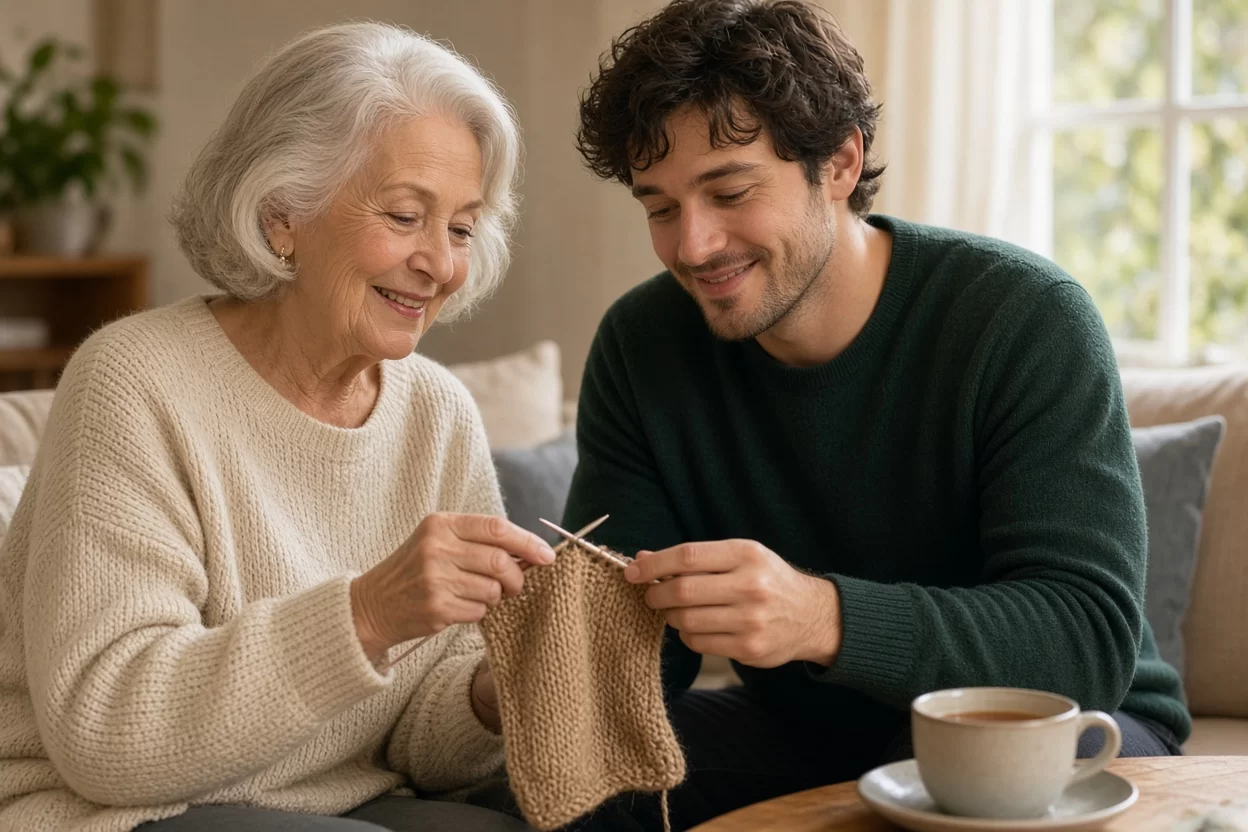
Imagine a neighborhood where your grandmother’s famous pie recipe earns her an afternoon of gardening help. Where a retired accountant’s tax advice pays for a ride to the doctor. Where your father’s woodworking skills buy him a weekly grocery delivery. This isn’t a fantasy — it’s time banking, a community-based system that’s quietly transforming how seniors age in place.
Time banking is simple: you give an hour of your time to help someone, and you earn one time credit. That credit can then be used to receive an hour of help from anyone else in the network. No money changes hands. Every hour is valued equally, whether it’s teaching a language, fixing a leaky faucet, or simply sitting with someone who feels lonely. For older adults, time banking offers a way to stay active, useful, and connected — while also getting practical support that makes daily life easier.
At Rockaway Home Care, we’ve seen how isolation and lack of affordable help can weigh on seniors and their families. Time banking isn’t a replacement for professional care, but it’s a powerful complement. In this guide, we’ll walk through how time banking works, why it’s especially beneficial for seniors, and how you or your loved one can join a local time bank today.
What Is Time Banking? A Brief Overview
Time banking was popularized in the 1980s by Edgar Cahn, a civil rights lawyer and legal scholar who wanted to build a more equitable economy — one where everyone has something to contribute, regardless of age, income, or ability. The core principle is reciprocity: every hour of service is worth one time credit, and no skill is more valuable than another. An hour of tutoring math equals an hour of dog walking. This egalitarian approach is especially empowering for seniors, who often feel they have less to offer in a society that prioritizes productivity and youth.
In practice, time banks are usually organized by a local nonprofit, senior center, or community group. Members list the services they can offer and the services they need. When you provide a service, you earn credits that are deposited into your account. When you need help, you spend those credits by requesting a service from another member. Some time banks also allow members to donate credits to others, which is a great way to support seniors who may not be able to earn as many credits.
Time banking is not bartering. In bartering, you trade one specific good or service for another — like swapping a haircut for a car repair. Time banking uses a central ledger, so you don’t need to find someone who wants exactly what you offer. You can earn credits by doing something you love, then use those credits for something completely different. This flexibility makes it much easier for seniors to participate, because they can offer skills that don’t require physical strength or stamina.
Why Time Banking Is a Game-Changer for Seniors
Aging often brings a paradox: more free time, but less ability to use it in ways that feel meaningful. Many seniors want to stay engaged, but physical limitations, loss of a driver’s license, or the death of a spouse can lead to isolation. Time banking addresses this by creating a role that doesn’t depend on what you can’t do, but on what you can. Whether it’s sharing life stories with a student, baking cookies for a new mom, or making phone calls for a local charity, every contribution matters.
The practical benefits are just as important. For seniors on fixed incomes, time banking provides access to services that might otherwise be unaffordable — like home repairs, transportation, or tech support. Instead of paying $50 for a plumber, you can spend a few time credits you earned by knitting scarves for the local shelter. This can free up money for medications, groceries, or other essentials. And because time banks are community-based, the help often comes with a friendly face and a built-in social connection.
There’s also a profound psychological benefit. Studies have shown that volunteering and feeling useful can reduce depression, lower stress, and even improve cognitive function in older adults. Time banking gives seniors a sense of purpose and control over their lives. Instead of being passive recipients of care, they become active contributors to their community. That shift in identity — from “needy” to “neighbor” — can be transformational.
Practical Examples: How Seniors Use Time Banks
Let’s bring this to life with a few examples. Margaret, 78, lives alone in a two-story house. She used to love gardening but can no longer kneel or pull weeds. Through her local time bank, she offers “phone companionship” — she calls three other members every week to check in and chat. Each call earns her one credit. She uses those credits to have a high school student come over and weed her flower beds for an hour. Margaret gets her garden back, and the student gets a credit they can use for movie tickets or a pizza night.
Then there’s George, a 72-year-old retired accountant. He spends two hours a week helping a local nonprofit with their bookkeeping — a task they desperately need but can’t afford to hire out. In return, he earns credits that pay for rides to his cardiologist appointments. The ride provider is a young mother named Alicia, who uses her earned credits to get tutoring for her son in math. George feels valued for his professional expertise, and Alicia gets the help her son needs.
Even seniors with significant limitations can participate. Rosa, who has mild arthritis, offers “storytelling” — she visits a local elementary school and reads to children. She earns credits that pay for someone to shovel her driveway in winter. And Sam, an 85-year-old war veteran, offers “listening” — he spends an hour a week at the library, just being a friendly ear for younger people who are going through tough times. In exchange, he gets help with grocery shopping and light housekeeping. These examples show that time banking is flexible enough to accommodate almost any level of ability.
How to Get Started with a Time Bank
If you or a loved one are interested in joining a time bank, the first step is to find one in your area. Start by searching online for “time bank near me” or checking with your local senior center, library, or community foundation. Many cities have a central time bank that serves multiple neighborhoods. You can also look at national networks like TimeBanks.org, which can help you locate a local affiliate or even start a new one.
Once you find a time bank, you’ll typically attend an orientation session — either in person or online. During orientation, you’ll learn the rules, meet other members, and create a profile that lists your skills and needs. Don’t worry if you don’t have a long list of skills. Everyone has something to offer: a friendly conversation, a listening ear, help with technology, or even just a warm smile. The orientation is also a great chance to ask questions and see if the community feels like a good fit.
After you join, start small. Maybe offer a skill that you’re comfortable with, like making phone calls or baking. As you earn credits, you’ll feel more confident about requesting help. Many time banks also have a “welcome” system where new members receive a few free credits to get started, so you can experience receiving help before you’ve given any. This can be especially helpful for seniors who might feel hesitant to ask for assistance.
Overcoming Common Concerns and Misconceptions
One of the biggest concerns seniors have about time banking is, “I don’t have anything to offer.” This is simply not true. Time banking values all contributions equally, and the most requested services are often the simplest: friendly phone calls, help with email, a ride to a doctor’s appointment, or someone to sit with during a stressful time. If you can hold a conversation, you have a skill. If you can share a recipe, you have a skill. If you can offer a hug, you have a skill.
Another concern is safety. It’s natural to worry about letting a stranger into your home or accepting a ride from someone you don’t know. Reputable time banks address this by running background checks on all members, providing training, and building a community culture of trust. You also have control over which services you accept and from whom. You can start with non-home-based services, like meeting at a public library or community center, until you feel comfortable.
Some seniors worry about the “time” aspect — what if they run out of credits? Most time banks allow a certain amount of negative balance, and many have provisions for members who are unable to earn credits due to illness or disability. Some time banks also allow family members to earn credits on behalf of a senior, or they partner with local organizations to donate credits to seniors in need. The goal is to ensure that everyone can participate, regardless of their ability to give.
Time Banking vs. Professional Home Care
It’s important to understand that time banking is not a substitute for professional home care. If your loved one needs help with bathing, medication management, or skilled nursing care, those are tasks that should be performed by trained professionals. Time banking is best suited for non-medical, companionship-type services and light assistance — things like grocery shopping, transportation, yard work, or just spending time together.
That said, time banking can complement professional care beautifully. For example, a home health aide might come in the morning to help with bathing and dressing, while a time bank member stops by in the afternoon to take your loved one for a walk or play cards. This not only gives the family caregiver a break, but it also provides additional social interaction and reduces the feeling of being “cared for” all the time. Many families find that time banking helps their loved one maintain independence for longer, because they get help with small tasks that might otherwise require moving to assisted living.
At Rockaway Home Care, we encourage families to think of time banking as one tool in a larger care plan. Our professional caregivers can handle the medical and personal care needs, while time banking adds a layer of community support that enriches your loved one’s life. Together, they create a holistic approach to aging in place that addresses both physical and emotional well-being.
How Families Can Support Seniors in Time Banking
If you’re a family caregiver, you might wonder how to help your older relative get started with time banking. The first step is to have a conversation about what they enjoy doing and what kind of help they need. Many seniors are reluctant to accept help, so frame time banking as a way for them to stay active and contribute, not as a handout. You might say, “You have so much knowledge and experience — wouldn’t it be great to share that with others and get some help in return?”
Next, help them create a list of skills they feel confident offering. This could include things like knitting, playing chess, telling stories, baking, or even just being a good listener. Then, help them identify needs they have — maybe they need help with technology, or they want to learn a new hobby. This list will become the basis of their time bank profile. You can assist them with setting up the profile and attending orientation, if they’re not comfortable with computers.
Once they’re active in a time bank, stay involved. Check in regularly to see how it’s going, help them schedule services, and encourage them to attend social events sponsored by the time bank. Many time banks organize potlucks, workshops, and group activities that are great for making friends. Your support can make the difference between a senior who tries time banking once and one who becomes a lifelong, active member.
Frequently Asked Questions
Is time banking really free?
Yes, there is no money exchanged between members. However, some time banks may have a small annual membership fee to cover administrative costs, like background checks and coordination. This fee is usually modest — often $20 to $50 per year — and many time banks offer waivers for those who cannot afford it. The services themselves are paid for with time credits, not dollars.
Can I earn time credits if I have physical limitations?
Absolutely. Time banking values all skills equally, and many services don’t require physical strength. You can offer companionship, phone calls, storytelling, emotional support, or even help with administrative tasks like organizing files or making calls. If you can communicate, you have a valuable service to offer. Many seniors with limited mobility are among the most active time bank members because they offer wisdom and presence.
How do I know if a time bank is reputable?
Look for time banks that are affiliated with a known organization, like a senior center, church, or nonprofit. Ask about their background check policies and how they handle conflicts. A good time bank will have clear guidelines, a coordinator you can contact, and a community culture that prioritizes safety and respect. You can also ask to sit in on a meeting or orientation before joining to get a feel for the group.
What if I need more help than I can earn?
Most time banks allow members to go into a small negative balance, and many have a “care” account where members can donate credits to those in need. Additionally, some time banks partner with local service organizations that provide free credits to seniors or people with disabilities. If you’re concerned, talk to the time bank coordinator — they’ll work with you to find a solution so that you can still receive the help you need.
Can family members participate in time banking on behalf of a senior?
Yes, many time banks allow family members to earn credits for their older relative. For example, an adult child might earn credits by volunteering at a time bank event, and those credits can be used to pay for services for their parent. Some time banks also have a “family account” system where multiple members can pool their credits. This is a great way for families to support their loved one without adding extra financial burden.
Bringing Time Banking to Rockaway
At Rockaway Home Care, we believe that community is the heart of healthy aging. That’s why we’re passionate about spreading the word about time banking. Whether you live in Rockaway, Queens, or anywhere else in New York City, there are likely time banking opportunities near you. If you’re not sure where to start, reach out to us — we can help you explore local resources and connect with a time bank that fits your needs.
We also encourage local organizations, senior centers, and religious groups to consider starting a time bank if one doesn’t exist. It’s a low-cost, high-impact way to build social capital and support older adults in your community. The process is well-documented, and many national networks offer free resources to help you get started. Imagine the difference we could make if every neighborhood had a time bank — seniors would never have to feel alone or helpless again.
Time banking is more than just a way to get help — it’s a philosophy that says every person has value, regardless of age. It’s a reminder that we all have something to give, and we all deserve to receive. For seniors, it’s a chance to rewrite the narrative of aging from one of decline to one of contribution. And for families, it’s a practical, affordable way to support their loved ones while also enriching the community.
If this article has inspired you to explore time banking, we’d love to hear from you. Whether you have questions about how to join, or you’re looking for professional home care to complement your loved one’s time bank activities, our team at Rockaway Home Care is here to help. We understand the challenges of caring for an aging parent, and we’re committed to helping you find solutions that work for your family.
Reach out to us today for a free consultation. We can talk about your loved one’s needs, discuss how time banking might fit into their care plan, and explore the full range of services we offer — from companionship care to skilled nursing. Together, we can build a support system that honors your loved one’s dignity, independence, and desire to remain part of their community.
This article is for general information only and does not constitute medical or professional advice. Always consult with a qualified healthcare provider or care manager for guidance specific to your situation.
This article is general information, not medical advice. Please consult a qualified professional about your own situation.
More from the Rockaway Home Care blog
- Understanding Medicaid home care eligibility
- Top questions families ask about home care costs
- Choosing between live-in care and hourly home care
- How to create a home care plan for a loved one