
Senior Food Delivery Safety: Spotting Spoilage Risks
Meal delivery offers convenience and nutrition for older adults, but spoilage risks can turn a helpful service into a health hazard. This guide helps families and caregivers identify warning signs and implement safe handling practices.
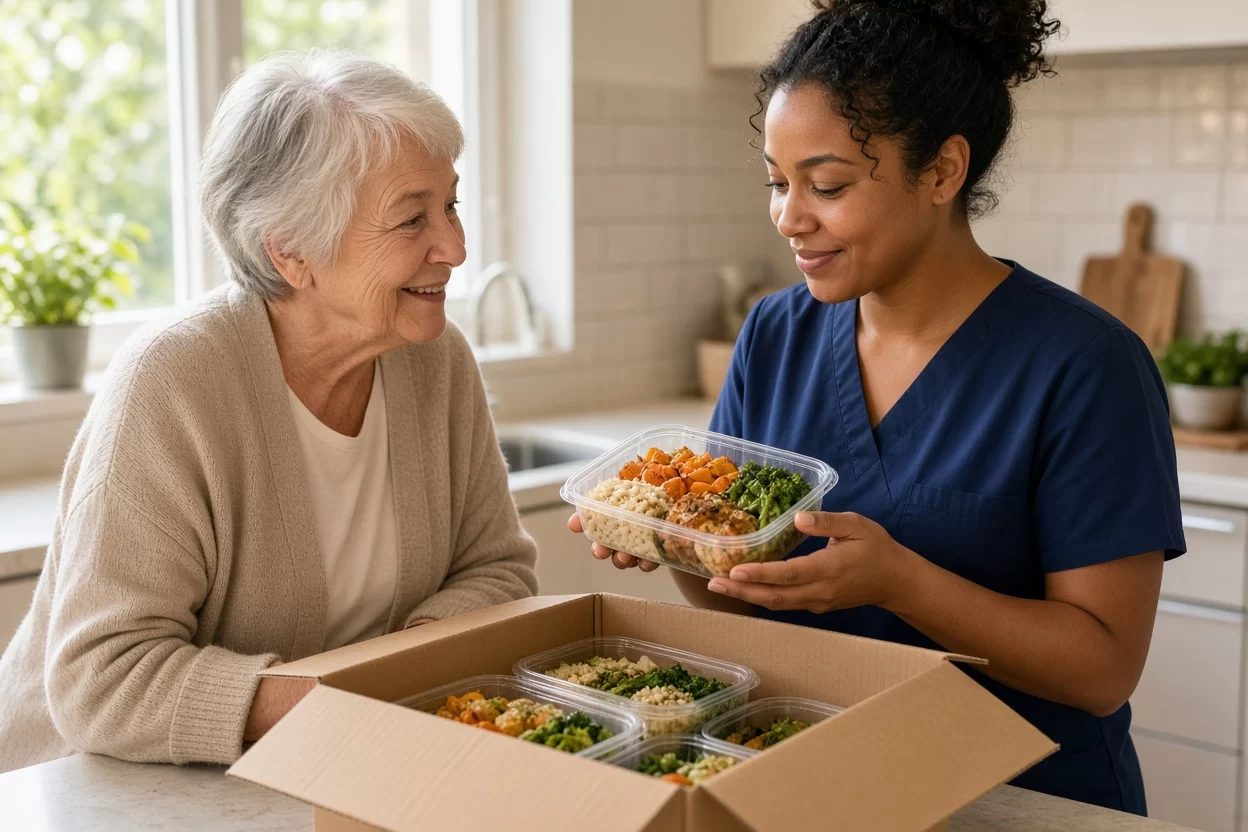
For many older adults, home-delivered meals are a lifeline, offering convenience, nutrition, and a sense of independence. But when those meals arrive at the door, a hidden danger may lurk inside: spoilage. Unlike a restaurant meal you eat immediately, delivered food can sit in transit, on a porch, or in a refrigerator for hours, creating the perfect environment for bacteria to multiply. As a family caregiver or a home care professional, knowing how to spot spoilage risks is not just about avoiding a bad taste; it is about protecting a vulnerable senior from foodborne illness. In this guide, we will walk through the telltale signs of spoiled food, the factors that increase risk, and the practical steps you can take to keep every delivered meal safe and enjoyable.
Why Seniors Are More Vulnerable to Food Spoilage
Aging brings natural changes to the body that make older adults more susceptible to foodborne illnesses. The immune system weakens over time, meaning the body takes longer to fight off harmful bacteria like Salmonella, Listeria, or E. coli. Digestive systems also produce less stomach acid, which normally helps kill pathogens, leaving seniors with less natural defense. Additionally, chronic conditions such as diabetes, kidney disease, or cancer can further compromise the immune response, making even a mild case of food poisoning a serious health event.
Beyond biology, the social and logistical realities of aging play a role. A senior living alone may not have the energy or eyesight to inspect a meal thoroughly, or they may be reluctant to waste food and thus ignore signs of spoilage. Cognitive changes, such as early-stage dementia, can affect judgment about what is safe to eat. For these reasons, families and caregivers must act as vigilant partners, checking deliveries before they are consumed and teaching seniors how to recognize warning signs themselves.
Understanding the Spoilage Timeline: From Delivery to Consumption
The journey of a delivered meal is a race against time. Perishable foods are safe for only a limited period, and the clock starts the moment the meal is prepared. According to the United States Department of Agriculture, the ‘danger zone’ for bacterial growth is between 40 degrees Fahrenheit and 140 degrees Fahrenheit. Within this range, bacteria can double in number every 20 minutes. If a meal sits at room temperature for more than two hours, it enters a high-risk zone, and after four hours, it should be discarded.
For home-delivered meals, the risk is compounded by variable transit times. A meal that left the kitchen at 10 a.m. might not arrive until 2 p.m., especially if delivery routes are long or traffic is heavy. Even if the meal was hot when it left, it may have cooled to a temperature that allows bacteria to thrive. Insulated bags and thermal packaging help, but they are not foolproof. Caregivers should always ask the delivery service about their temperature control protocols and check the meal’s temperature upon arrival with a food thermometer. A hot meal should arrive at or above 140 degrees Fahrenheit; anything below that should be reheated immediately to 165 degrees before serving.
Visual Inspection: What to Look For When Unpacking
Before you even open a container, give it a thorough visual once-over. Start with the packaging: are there any tears, punctures, or bulging lids? A swollen container is a red flag, as gas produced by bacteria can cause pressure to build up. Next, examine the food itself. For cooked meats, look for any slimy film or a grayish tint, which indicates bacterial growth. Vegetables that are supposed to be crisp, like broccoli or green beans, should not be wilted or mushy. Fresh fruits, such as berries or sliced melon, should be firm and free of mold spots. Mold can appear as fuzzy patches in colors of green, white, or black, and it can grow even in refrigerated foods.
Pay special attention to dairy and egg-based dishes. Yogurt, cottage cheese, and pudding should have a smooth texture; separation or a watery layer on top can be a sign of spoilage. Cooked eggs, like those in a breakfast sandwich, should not have a rubbery or discolored appearance. Sauces and gravies should be uniform, without lumps that could indicate curdling. If you see any of these signs, do not taste the food to check; your sense of smell and sight are enough to warrant rejection. When in doubt, throw it out.
Common Visual Red Flags
- Fuzzy mold patches on bread, cheese, or produce
- Slimy texture on cooked meats or poultry
- Discoloration, such as a gray or greenish tint on meat
- Bulging or leaking containers
- Separation of liquids in dairy or sauces
The Nose Knows: Using Smell to Detect Spoilage
Your sense of smell is one of the most reliable tools for detecting spoilage. When you open a delivered meal, take a deep whiff before serving. Fresh food has a clean, mild aroma, while spoiled food often emits a sour, rancid, or putrid odor. For example, cooked chicken that has turned will have a distinct sulfur-like smell, similar to rotten eggs. Fish that is past its prime will smell strongly of ammonia, not just ‘fishy.’ Dairy products that have gone bad will have a sharp, sour scent that is unmistakable.
However, smell is not foolproof. Some pathogens, like Listeria monocytogenes, can grow without producing an off-odor, and certain foods, like aged cheeses, naturally have strong smells. Therefore, use smell as a screening tool, but combine it with other checks. If a meal has been sitting in a warm car for an hour and the container feels warm to the touch, trust your nose and your instincts; do not rely on a quick sniff to override other concerns.
Touch and Temperature: The Tactile Test
Texture is another indicator of spoilage. When you touch a piece of cooked meat, it should feel firm and spring back slightly. If it feels sticky, tacky, or slimy, that is a sign of bacterial film. Similarly, cooked vegetables should be tender but not mushy; if they collapse under light pressure, they have likely lost their freshness. For foods like rice or pasta, a gummy or clumpy texture can indicate that they have been sitting too long, especially if they were not stored at the correct temperature.
Temperature is the most critical factor. Use an instant-read food thermometer to check the internal temperature of delivered hot meals. Insert the thermometer into the thickest part of the meat or casserole, avoiding bone or gristle. If the temperature is below 140 degrees Fahrenheit, it is in the danger zone. You can still save the meal by reheating it to 165 degrees, but only if it has not been in the danger zone for more than two hours. For cold deliveries, such as salads or sandwiches, the food should be at or below 40 degrees Fahrenheit. If it feels lukewarm to the touch, it has likely been temperature-abused and should be discarded.
Special Risks with Meal Delivery Services
Meal delivery services, whether from government programs like Meals on Wheels or commercial meal kits, have their own unique risks. First, consider the delivery time. If the service does not guarantee a specific window, meals may sit on a doorstep for hours, especially in summer heat or winter cold. Extreme temperatures accelerate spoilage, so always bring the delivery inside immediately upon arrival. If you are not home, ask a neighbor or caregiver to retrieve it promptly.
Second, check the packaging integrity. Many services use dry ice or gel packs to keep cold items cold. If the dry ice has evaporated or the gel packs are soft and warm, the cold chain has been broken. For hot meals, look for insulated containers that are still warm to the touch on the outside. If the container is cool, the meal inside may have cooled too much. Third, be aware of cross-contamination. If the delivery box contains both raw and cooked items, ensure they are separated and that any juices from raw meat do not leak onto ready-to-eat foods. Repackage items in your own clean containers if necessary.
Safe Handling and Storage Practices at Home
Once a meal passes your inspection, proper handling and storage are key to maintaining safety. First, if the meal is hot and you plan to eat it within two hours, keep it in a preheated oven set to 200 degrees Fahrenheit or in a slow cooker on the ‘warm’ setting. If you need to store it longer, refrigerate it promptly in shallow containers to allow rapid cooling. Divide large portions into smaller ones so they cool quickly and reheat evenly.
For cold meals, place them in the refrigerator immediately. Use a fridge thermometer to ensure your refrigerator is at or below 40 degrees Fahrenheit. Label all containers with the date and time of delivery, and follow the ‘two-hour rule’ for leaving food out at room temperature. When reheating, always heat leftovers to an internal temperature of 165 degrees Fahrenheit, and only reheat once. Never refreeze a meal that has been thawed, as this can promote bacterial growth. Finally, teach your senior loved one to use a ‘first in, first out’ approach, consuming the oldest meals first to avoid keeping items past their safe storage time.
Safe Storage Tips
- Refrigerate perishable items within two hours of delivery.
- Use shallow containers to speed cooling.
- Set your fridge to 40 degrees Fahrenheit or lower.
- Reheat leftovers to 165 degrees Fahrenheit.
- Discard any meal that has been at room temperature for over four hours.
Technology and Tools to Aid in Spoilage Detection
Modern technology can offer extra layers of protection. A digital food thermometer is a small investment that provides accurate temperature readings in seconds. Look for one with a thin probe that can measure both hot and cold foods. Some advanced thermometers connect to a smartphone app, allowing you to log temperatures and set alerts. For caregivers who are not present at delivery, consider a smart doorbell camera that notifies you when a package arrives, so you can remind your loved one to bring it inside immediately.
Another useful tool is a refrigerator thermometer with a min/max feature, which tells you the highest and lowest temperatures your fridge has reached, helping you identify if a power outage or door left ajar caused a temperature spike. For those with visual impairments, there are talking thermometers that announce the temperature audibly, making it easier for seniors to check their own meals. Additionally, many meal delivery services now offer real-time tracking through their apps, so you can plan to be home when the meal arrives. Use these tools as part of a comprehensive safety routine, not as a replacement for your own senses.
Frequently Asked Questions
Can I rely on the ‘sniff test’ to determine if food is safe?
The sniff test is a helpful first step, but it is not foolproof. Some harmful bacteria, like Listeria, do not produce a noticeable odor. Always combine a smell check with visual inspection and temperature measurement. When in doubt, it is safer to discard the food than to risk illness.
What should I do if a delivered meal arrives at room temperature?
If a hot meal arrives at room temperature, check the time it has been sitting out. If it has been less than two hours, you can reheat it to 165 degrees Fahrenheit and serve. If it has been longer, or if you are unsure, discard it. For cold meals, if they feel lukewarm, they have likely been in the danger zone and should not be consumed.
How long can cooked meals be safely stored in the refrigerator?
Cooked meals can be stored in the refrigerator for up to three to four days, according to general food safety guidelines. However, the quality may decline, and the risk of spoilage increases after that. Always label containers with the date and follow the ‘first in, first out’ rule to use older meals first.
Is it safe to reheat a meal that has been refrigerated and then left out again?
No. Once a meal has been reheated and left out at room temperature, it should be consumed within two hours. If you reheat it a second time, you risk bacterial growth that can cause illness. It is best to reheat only the portion you plan to eat, and discard any leftovers from that reheating.
What are the signs of foodborne illness in seniors?
Symptoms of foodborne illness include nausea, vomiting, diarrhea, abdominal cramps, and fever. In seniors, these can be more severe and may lead to dehydration or complications. If you suspect a senior has food poisoning, contact a healthcare provider immediately. Prevention through careful inspection is always the best approach.
Conclusion: A Warm and Safe Meal
Meal delivery can be a wonderful way to ensure your loved one enjoys nutritious, convenient meals, but safety must always come first. By learning to spot spoilage risks, from visual cues to temperature checks, you can protect your senior from the discomfort and danger of foodborne illness. Remember, you are not just a caregiver; you are a guardian of their health and well-being. With a few simple habits and the right tools, you can turn every delivery into a safe and satisfying experience.
If you have questions about home care support for an aging loved one, including help with meal planning and safety, we are here for you. Reach out to us for a free consultation, and let us help you create a care plan that brings peace of mind to your family.
This article provides general information and is not a substitute for professional medical advice. Always consult with a healthcare provider for specific health concerns.
This article is general information, not medical advice. Please consult a qualified professional about your own situation.
More from the Rockaway Home Care blog
- Understanding Medicaid home care eligibility
- Top questions families ask about home care costs
- Choosing between live-in care and hourly home care
- How to create a home care plan for a loved one