
Navigating Senior Loneliness After a Spouse Enters Memory Care
When a spouse moves to memory care, the partner left behind often faces deep loneliness. This guide offers practical steps to cope, stay connected, and rebuild a meaningful life.
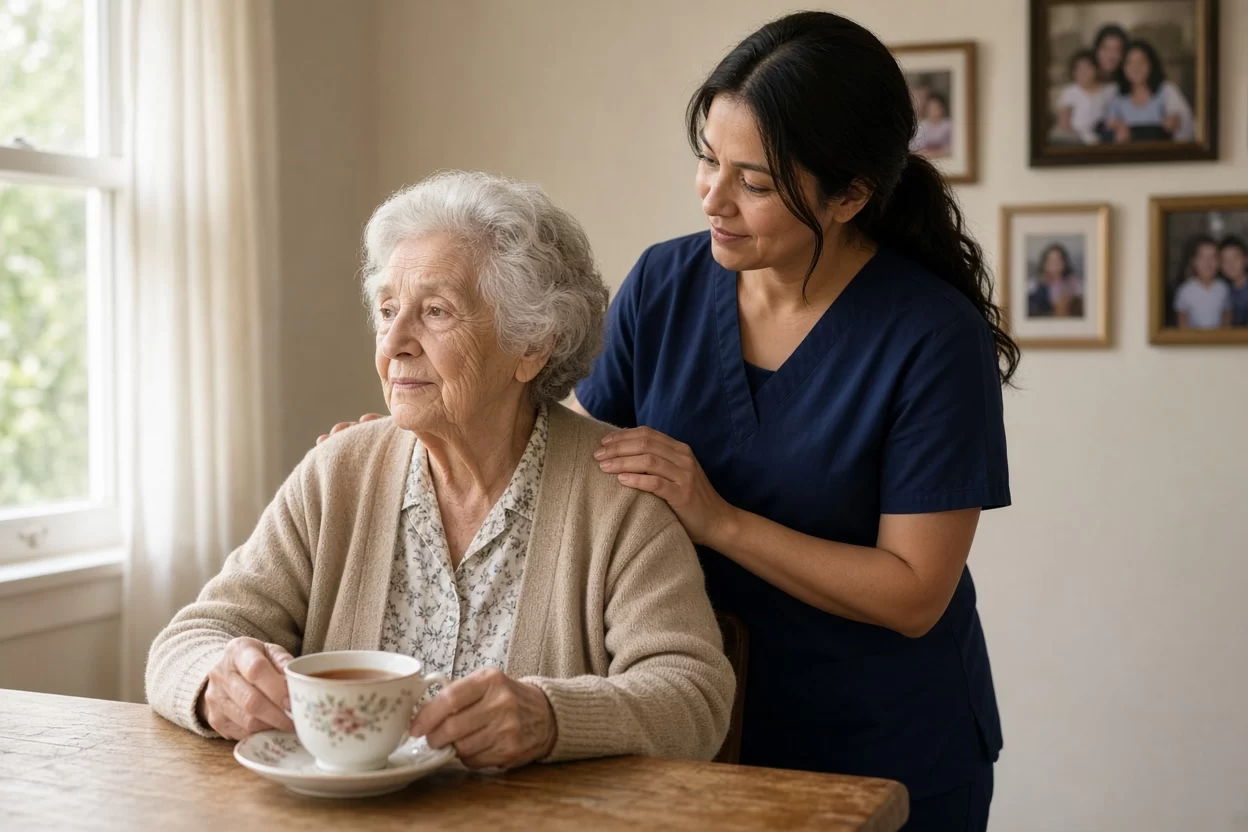
The day your spouse moves into a memory care community is one of the hardest days you will ever face. You have likely spent months, or even years, caring for them at home, and now the role has shifted in a way that feels both foreign and painful. While you know this decision was made out of love and necessity, the silence that follows can be deafening. You may find yourself wandering through rooms that once felt full, staring at an empty chair at the dinner table, or picking up the phone to call them before remembering they are no longer just a few steps away. This loneliness is real, and it is not a sign of weakness. It is a natural response to a profound change in your life, and it deserves your attention and care.
At Rockaway Home Care, we have walked alongside many families through this exact transition. We have seen the quiet grief that settles in after a spouse enters memory care, and we know that it is often overlooked because the focus stays on the person who moved. But the partner left behind is hurting too. This article is for you, the spouse who remains at home, navigating a new kind of solitude. We want to offer practical, compassionate guidance to help you cope with the loneliness, find new sources of connection, and slowly rebuild a life that still holds meaning and joy, even as you continue to love and support your spouse in their new home.
Acknowledge the Complex Grief You Are Feeling
When your spouse moves to memory care, you are not just losing their daily presence. You are also grieving the person they used to be, the future you had planned together, and the role you played as their primary caregiver. This is often called ambiguous loss, because the person is still alive, but the relationship you once had has changed in ways that feel like a death. You may feel guilt for feeling sad, or you may feel relief that you no longer have to manage the physical demands of care, and then you may feel guilty about that relief. All of these emotions are valid and normal.
It is important to give yourself permission to grieve without a timeline. Some days you may feel strong and capable, and other days you may be overwhelmed by waves of sadness that come out of nowhere. Try to name your feelings without judgment. You might say to yourself, ‘I am sad because I miss the companionship we shared,’ or ‘I am angry because this disease has taken so much from us.’ Acknowledging these emotions is the first step toward processing them. Consider keeping a journal where you can write down your thoughts, or simply talk to a trusted friend or family member about what you are going through. You do not have to carry this weight alone.
Remember that grief is not linear. You may find that certain dates, like your anniversary or a holiday, trigger fresh waves of sorrow. That is okay. The goal is not to ‘get over’ the loss, but to learn how to live alongside it. By allowing yourself to feel the grief, you make room for the possibility of joy later on. It may not feel like it now, but your capacity for happiness can coexist with your sadness, and over time, the balance will shift.
Create a New Daily Rhythm That Supports You
After years of caregiving, your days were likely structured around your spouse’s needs. You knew when to give medications, when to prepare meals, and when to help them with personal care. Now that structure is gone, and you may feel adrift. This is a common experience, and it is a good time to intentionally build a new daily rhythm that centers your own well-being. Start small. Wake up at the same time each day, make yourself a nourishing breakfast, and set a few simple goals for the day, even if they are as basic as taking a walk or calling a friend.
Having a routine can provide a sense of stability and purpose. You might schedule a morning coffee with a neighbor, join a local exercise class for seniors, or volunteer at a community garden. The key is to fill some of the empty hours with activities that bring you a sense of accomplishment or connection. It does not have to be grand or ambitious. Even folding laundry while listening to a favorite podcast can be a way to reclaim your space and your time. As you build this new rhythm, be gentle with yourself. Some days you will not have the energy to do much, and that is perfectly acceptable. The goal is progress, not perfection.
Consider also creating a regular visiting schedule for your spouse at the memory care community. Having set days and times to visit can help you feel more in control and less anxious about when you will see them next. But remember that you do not have to visit every day. In fact, taking breaks is essential for your own mental health. You are allowed to have days that are entirely your own, where you focus on your own needs and interests. This is not a betrayal of your spouse; it is a necessary part of sustaining yourself so you can continue to be present for them.
Build a Support Network of People Who Understand
Loneliness thrives in isolation, so one of the most powerful things you can do is to reach out and connect with others. You may feel that your friends who have not been through this experience cannot fully understand what you are going through, and that is true. But that does not mean they cannot be supportive. Be honest with them about your feelings. Tell them that you are struggling with loneliness and that you would appreciate their company, whether that means a phone call, a shared meal, or a walk in the park. Often, people want to help but do not know how, so giving them specific suggestions can be a relief.
In addition to existing friends, consider joining a support group for spouses of people with dementia or memory loss. Many hospitals, community centers, and organizations like the Alzheimer’s Association offer in-person or online support groups. In these groups, you will meet people who are navigating the same emotional landscape. They will understand when you say that you miss your spouse even though they are still alive, and they can offer practical advice on everything from how to handle difficult visits to how to manage feelings of guilt. Sharing your story with others who truly get it can be incredibly healing.
You might also explore local senior centers or adult day programs, not for your spouse, but for yourself. These places often offer social activities, classes, and volunteer opportunities that can help you build a new social circle. If you are not ready to leave the house, there are online communities and forums where you can connect with others from the comfort of your home. The important thing is to take the first step, even if it feels awkward or scary. Every small connection you make chips away at the loneliness and reminds you that you are not alone in this journey.
Find Purpose and Meaning in Your New Chapter
When your role as a caregiver diminishes, you may wonder, ‘Who am I now?’ This is a profound question, and it is one that many spouses face after a major life transition. For years, your identity may have been tied to caring for your loved one, and now you have space to rediscover parts of yourself that were put on hold. This is not about forgetting your spouse; it is about honoring the person you are and the life you still have to live.
Think about activities that you once enjoyed but set aside. Did you love painting, gardening, or playing an instrument? Did you dream of traveling to a place you never got to see? While some dreams may need to be adjusted, others can still be pursued in modified ways. You might take a photography class at a local community college, join a book club, or start a small vegetable garden on your balcony. These activities can give you a sense of purpose and accomplishment that is separate from your role as a spouse or caregiver. They are not selfish; they are essential for your well-being.
Volunteering is another powerful way to find meaning. You have years of experience and wisdom to share, and there are countless organizations that would benefit from your time. You could read to children at a library, help at an animal shelter, or assist with administrative tasks at a local nonprofit. Giving back to others can boost your mood, reduce feelings of isolation, and provide a sense of contribution that is deeply fulfilling. Even a few hours a week can make a significant difference in how you feel about your life and your place in the world.
Stay Connected to Your Spouse in New, Meaningful Ways
Your relationship with your spouse is not over, even though it has changed. You can still find ways to connect that are meaningful for both of you, even if your spouse’s memory or communication abilities are limited. When you visit, focus on the present moment. Bring a favorite photo album and look through it together, even if they cannot remember the people in the pictures. Play music that they loved, or hold their hand and tell them about your day. These simple acts of presence can create moments of connection that transcend the limitations of the disease.
You might also consider creating a memory box filled with items that represent your life together, such as a ticket stub from a concert you attended, a seashell from a beach vacation, or a recipe card from a favorite meal. Sharing these objects during visits can spark moments of recognition or emotion, even if they do not lead to a coherent conversation. The goal is not to force your spouse to remember; it is to share a warm, loving experience in the here and now. Sometimes, the most powerful connections happen in silence, just sitting together and feeling each other’s presence.
It is also okay to find ways to honor your spouse’s legacy and your shared history when you are not with them. You might create a scrapbook of your life together, write letters to them that you keep in a journal, or simply take time each day to reflect on a happy memory. These practices can help you maintain a sense of closeness even when you are apart. And remember, you do not have to do all the emotional work alone. The staff at the memory care community are there to support both you and your spouse. Do not hesitate to ask them for guidance on how to communicate with your spouse or to share your observations about what seems to comfort them.
Prioritize Your Physical and Emotional Health
The stress of caregiving and the grief of separation can take a toll on your body and mind. You may find that you are not sleeping well, that your appetite has changed, or that you feel constantly fatigued. These are common responses to prolonged stress, but they are not something to ignore. Your health is just as important as your spouse’s, and you need to take care of yourself so you can continue to be a supportive partner and enjoy your own life.
Make an appointment with your primary care physician for a check-up. Be honest about the stress you are experiencing and ask for recommendations on how to manage it. Your doctor may suggest strategies for improving sleep, such as establishing a relaxing bedtime routine or limiting caffeine in the afternoon. They might also recommend gentle exercise, like walking or swimming, which can boost your mood and energy levels. Even a short daily walk can have significant benefits for both your physical and mental health.
In addition to physical health, pay attention to your emotional well-being. If you find that feelings of depression or anxiety are overwhelming and persistent, consider speaking with a therapist or counselor who specializes in grief or caregiving issues. Therapy can provide a safe space to process your emotions and develop coping strategies. Many therapists offer telehealth appointments, which can be convenient if you are not comfortable leaving the house. Remember, seeking help is a sign of strength, not weakness. You have been strong for your spouse for so long, and now it is time to be strong for yourself.
Embrace Small Joys and Allow Yourself to Be Happy
You might feel that you do not have permission to be happy while your spouse is in memory care. You may worry that enjoying a movie, a meal with friends, or a beautiful sunset is somehow a betrayal. But this could not be further from the truth. Your spouse would not want you to be miserable. They would want you to find moments of light and laughter, even in the midst of difficulty. Allowing yourself to experience joy is not only okay; it is a vital part of your own resilience.
Start by noticing the small pleasures that are already present in your life. The warmth of the sun on your face, the taste of a good cup of coffee, the sound of a bird singing outside your window. These moments may seem insignificant, but they can add up to a greater sense of well-being. Make a conscious effort to savor them. You might also plan small activities that you look forward to, like trying a new recipe, visiting a local museum, or calling a grandchild. These little anchors of joy can give you something positive to anticipate, even on difficult days.
As you allow yourself to be happy, you may also find that your visits with your spouse become lighter and more positive. When you are not carrying the weight of guilt or sadness, you can be more present and loving with them. They may not be able to express it, but they can sense your emotional state. By taking care of your own happiness, you are actually enhancing the quality of the time you spend together. So give yourself permission to smile, to laugh, and to embrace the moments of joy that life still offers. It is a gift to yourself, and it is a gift to your spouse as well.
Redefine Your Role as a Partner and Caregiver
The transition to memory care does not mean your role as a caregiver is over. Instead, it has evolved. You are no longer responsible for the day-to-day physical care, but you are still an integral part of your spouse’s life. You are the keeper of their story, the one who knows their history, their preferences, and their personality. You can advocate for them, communicate with the care team, and ensure that their life in the memory care community is as rich and comfortable as possible.
This new role may feel less demanding, but it is no less important. You can work with the care team to create a care plan that reflects your spouse’s likes and dislikes. You can bring in personal items that make their room feel like home. You can participate in family events or activities at the community. You can also be a bridge between your spouse and other family members, sharing updates and helping them understand what to expect during visits. Your knowledge and love are invaluable, and they make a real difference in your spouse’s quality of life.
At the same time, you need to redefine your role in relation to yourself. You are no longer just a caregiver; you are a person with your own needs, desires, and dreams. Give yourself permission to explore who you are outside of that role. You might discover new interests, rekindle old ones, or deepen relationships with friends and family. This is not a rejection of your spouse; it is an expansion of your own identity. By embracing this new chapter, you are showing your spouse, and yourself, that life is still worth living fully.
Frequently Asked Questions
Is it normal to feel lonely when my spouse moves to memory care?
Yes, it is completely normal. You have experienced a major loss in your daily life, and loneliness is a natural response to that change. Many spouses report feeling a deep sense of isolation after their partner moves to memory care, even though they know it was the right decision. Give yourself time to adjust and seek support from friends, family, or a support group.
How often should I visit my spouse in memory care?
There is no one-size-fits-all answer. Some spouses visit daily, while others find that a few times a week is more sustainable. The important thing is to find a schedule that feels manageable for you and that allows you to be present and engaged during visits. It is okay to take breaks, and you should not feel guilty for prioritizing your own well-being.
What can I do when I feel overwhelmed by sadness?
First, acknowledge that your feelings are valid. Then, try to engage in a self-soothing activity, such as taking a walk, deep breathing, or calling a friend. If the sadness becomes persistent and interferes with your daily functioning, consider speaking with a therapist or joining a support group. You do not have to go through this alone.
How can I connect with my spouse if they do not remember me?
Focus on the present moment and use nonverbal forms of connection. Hold their hand, play familiar music, or look at photos together. Even if they cannot recognize you, they may still respond to your tone of voice or the comfort of your presence. The goal is not to force recognition but to share a loving experience.
Is it okay to enjoy my life while my spouse is in memory care?
Absolutely. Enjoying your life does not mean you love your spouse any less. In fact, taking care of your own happiness makes you a better partner and caregiver. Your spouse would want you to find joy and meaning in your life, even as you navigate this difficult chapter. Give yourself permission to be happy.
As you navigate this new landscape of loneliness and change, remember that you are not alone. At Rockaway Home Care, we understand the unique challenges that come when a spouse enters memory care, and we are here to support you. Whether you need respite care, help with daily tasks, or simply someone to talk to, our compassionate team is ready to walk alongside you. We invite you to reach out for a free consultation to learn more about how we can help you find your footing and create a life that feels meaningful again. You have given so much of yourself to care for your loved one, and now it is time to let others care for you.
This article provides general information and is not intended as medical advice. Please consult with a qualified healthcare professional for personalized guidance.
This article is general information, not medical advice. Please consult a qualified professional about your own situation.
More from the Rockaway Home Care blog
- Understanding Medicaid home care eligibility
- Top questions families ask about home care costs
- Choosing between live-in care and hourly home care
- How to create a home care plan for a loved one