
Senior Sleep Talking: Safety and Soothing Strategies
Sleep talking in seniors is common but can signal underlying issues. Discover gentle, effective ways to keep your loved one safe and calm through the night.
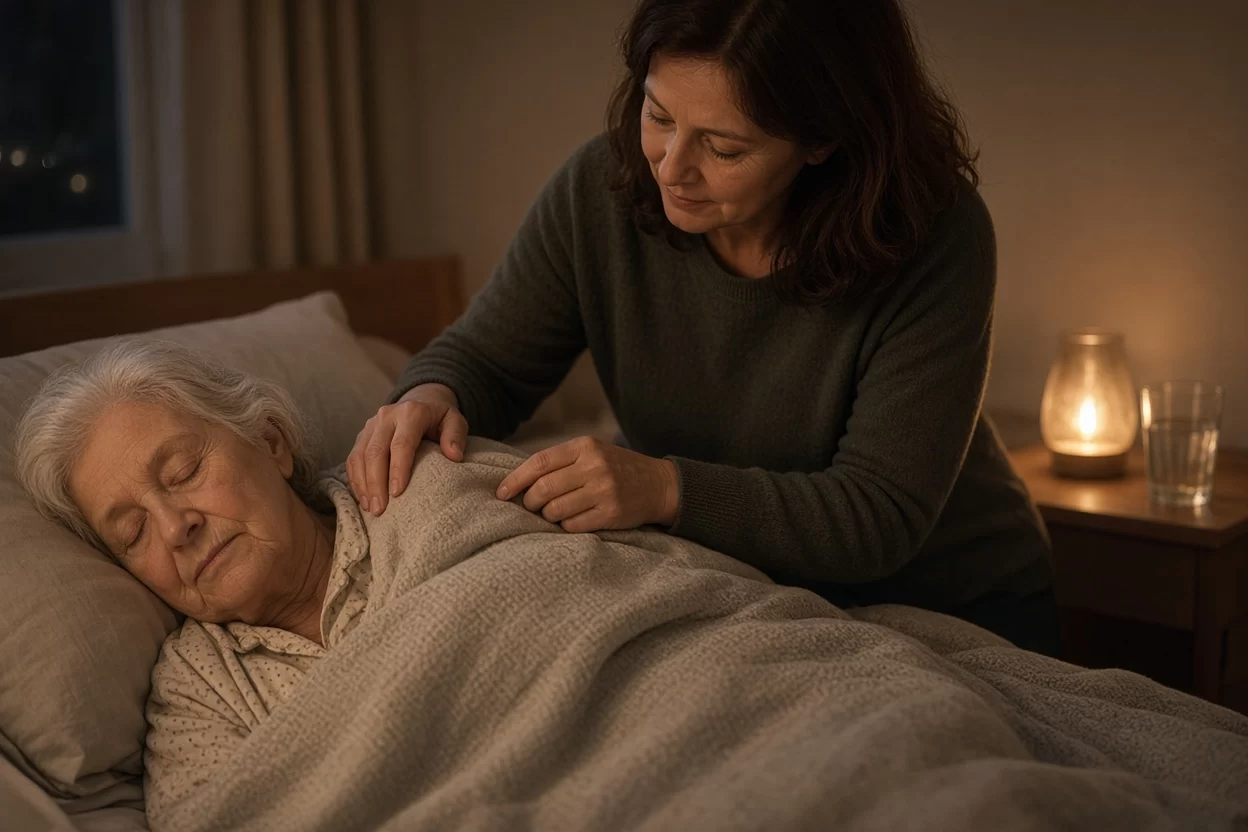
It is 2 a.m., and you hear your mother murmuring from her bedroom. At first, you think she is awake and needs something, but when you peek in, she is sound asleep, her lips moving as she whispers a name from decades ago. This is sleep talking, also known as somniloquy, and it is surprisingly common among older adults. While it can be unsettling to witness, most sleep talking is harmless. However, for family caregivers, it also raises important questions about safety, comfort, and whether something more serious is going on. In this guide, we will explore why seniors talk in their sleep, when you should be concerned, and practical strategies to keep your loved one safe and soothe them back into restful slumber.
Understanding Sleep Talking in Seniors
Sleep talking is a type of parasomnia, which is a group of sleep disorders that involve unwanted events or experiences that happen while falling asleep, sleeping, or waking up. It occurs during the transition between sleep stages and can range from simple mumbles to full, coherent sentences. In seniors, sleep talking can be more frequent than in younger adults due to changes in sleep architecture, medication use, and underlying health conditions.
As we age, our sleep patterns naturally shift. Older adults often spend more time in lighter stages of sleep and less time in deep, restorative sleep. This means they are more likely to wake briefly during the night, and these awakenings can trigger sleep talking episodes. Additionally, the brain’s ability to regulate sleep-wake transitions becomes less efficient with age, making it easier for speech to slip out during sleep.
While occasional sleep talking is normal, persistent or intense episodes can disrupt both the senior’s sleep and the caregiver’s. It is important to observe the pattern, note any accompanying behaviors like movement or agitation, and share this information with a healthcare provider if it becomes concerning.
Common Causes and Triggers for Older Adults
Several factors can increase the likelihood of sleep talking in seniors. Stress and anxiety are major contributors. A recent move, the loss of a spouse, or worry about health can keep the brain partially alert during sleep, leading to vocalizations. Similarly, sleep deprivation can trigger more frequent episodes, as the brain struggles to transition smoothly through sleep stages.
Medications are another common culprit. Many seniors take drugs for blood pressure, depression, or allergies that can affect the central nervous system and alter sleep patterns. Some medications, especially sedatives or certain antidepressants, may increase sleep talking as a side effect. If you notice a new medication coincides with an increase in sleep talking, it is worth discussing with the prescribing doctor, but never adjust or stop medication without professional guidance.
Underlying medical conditions also play a role. Sleep apnea, which causes breathing interruptions during sleep, can lead to fragmented sleep and more parasomnias. Gastroesophageal reflux disease (GERD) can cause discomfort that triggers vocalizations. And neurological conditions like Parkinson’s disease or dementia can affect the brain areas that control sleep and speech, making sleep talking more frequent and sometimes more vivid or emotional.
When Sleep Talking Signals a Bigger Concern
While most sleep talking is benign, there are times when it warrants medical attention. If your loved one’s sleep talking is accompanied by violent movements, thrashing, or attempts to get out of bed, it could be a sign of REM sleep behavior disorder. This condition causes people to act out their dreams, which can lead to injuries for themselves or their bed partner.
Also be alert for signs of confusion or disorientation after waking. If your senior seems frightened, does not recognize you, or is unable to remember the episode, it may indicate a more serious issue like sleep terrors or even a seizure disorder. Frequent, loud, or distressing sleep talking that happens every night could also interfere with the senior’s ability to get quality sleep, leading to daytime fatigue, irritability, or cognitive decline.
In people with dementia, sleep talking can sometimes be a manifestation of sundowning, a state of confusion that occurs in the late afternoon and evening. Sundowning can cause agitation, restlessness, and vocalizations during the night. If you notice a pattern where sleep talking is accompanied by confusion, anxiety, or attempts to wander, it is essential to discuss this with a doctor, as it may require a tailored care plan.
Finally, if your loved one’s sleep talking is accompanied by other symptoms like loud snoring, gasping for air, or excessive daytime sleepiness, they should be evaluated for sleep apnea. Untreated sleep apnea can have serious cardiovascular and cognitive consequences, so it is important to rule it out.
Creating a Safe Sleep Environment
Safety is the first priority when caring for a senior who talks in their sleep. Start by ensuring the bedroom is free of hazards. Remove clutter from the floor, secure loose rugs, and make sure there is a clear path to the bathroom. Use nightlights in the hallway and bathroom so that if your loved one does wake and get up, they can see where they are going.
Consider the bed itself. If your senior is prone to rolling or moving during sleep talking episodes, use bed rails or a bed alarm to prevent falls. For those who are restless, a low bed or a mattress on the floor can minimize injury risk if they do roll out. Keep a call bell or a mobile phone within reach so they can summon help if they wake up disoriented.
Also think about the room temperature and noise levels. A cool, quiet, and dark room promotes deeper sleep and reduces the likelihood of nighttime awakenings that can trigger sleep talking. If outside noise is an issue, a white noise machine can mask disruptive sounds and provide a soothing background hum.
Soothing Strategies for a Restful Night
When your loved one talks in their sleep, the best approach is usually to let them be, as long as they are safe. Interrupting them can cause confusion or agitation. Instead, observe quietly from the doorway. If they seem distressed or are moving excessively, you can gently guide them back to a comfortable position without fully waking them. Speak in a soft, calm voice and avoid sudden movements.
Establish a calming bedtime routine to reduce stress and promote better sleep. This might include a warm bath, gentle stretching, reading a book, or listening to relaxing music. Avoid stimulating activities like watching intense television shows or engaging in heated discussions close to bedtime. Also, limit caffeine and alcohol in the evening, as both can disrupt sleep architecture and increase parasomnias.
For seniors with dementia or anxiety, a familiar object can provide comfort. A favorite blanket, a photo of a loved one, or a soft stuffed animal can help them feel secure. Some families find that playing soft, familiar music at a low volume helps soothe their loved one during the night. If your senior wakes up from a sleep talking episode, reassure them with a gentle presence and simple words like, ‘You are safe, it is nighttime, go back to sleep.’
Practical Tips for Caregivers
- Keep a sleep diary for two weeks, noting the time, frequency, and content of sleep talking episodes, along with any medications or stressors.
- Use a baby monitor or a video monitor to observe your loved one without entering the room, which can disrupt sleep.
- Place a soft mat or carpet beside the bed to cushion a potential fall.
- Ensure the bedroom is uncluttered and that furniture is stable and secure.
- Consider a weighted blanket if your senior finds it comforting, but only under a doctor’s guidance.
Lifestyle and Diet Adjustments That Help
What happens during the day can significantly affect nighttime sleep. Encourage regular physical activity, such as a daily walk, but avoid vigorous exercise within three hours of bedtime. Physical activity reduces stress and promotes deeper sleep. However, for seniors with mobility issues, even light chair exercises or stretching can be beneficial.
Diet plays a role too. Heavy meals close to bedtime can cause indigestion and disrupt sleep. Instead, offer a light snack like a banana or a small glass of warm milk, which contain natural sleep-promoting compounds. Avoid sugary snacks and large amounts of fluid before bed to reduce nighttime bathroom trips, which can interrupt sleep and trigger sleep talking.
Hydration during the day is important, but try to taper fluids in the evening. Also, limit caffeine after lunchtime, as it can stay in the system for many hours. Some seniors are sensitive to caffeine and may not realize that chocolate, tea, and certain sodas also contain caffeine.
Managing stress is also crucial. If your loved one is anxious about a medical procedure, a family issue, or financial concerns, talk to them during the day. Sometimes simply expressing worries can reduce nighttime vocalizations. Relaxation techniques like deep breathing, progressive muscle relaxation, or guided imagery can be taught and practiced before bed.
Working with Healthcare Providers and Home Care
If sleep talking is frequent, disruptive, or accompanied by other symptoms, it is time to consult a healthcare provider. A primary care physician can review medications, check for underlying conditions, and order a sleep study if necessary. A sleep study can diagnose sleep apnea, REM behavior disorder, or other parasomnias, leading to targeted treatments.
For seniors with dementia, a geriatrician or neurologist may offer specialized advice. Sometimes adjusting the timing of dementia medications can improve nighttime sleep. In other cases, melatonin or other supplements may be recommended, but always under medical supervision. Never give over-the-counter sleep aids without a doctor’s approval, as they can increase confusion and fall risk in older adults.
Home care services, like those provided by Rockaway Home Care, can be a tremendous support for families. A professional home health aide can assist with nighttime monitoring, help establish a calming bedtime routine, and provide companionship during the night if needed. This not only ensures the senior’s safety but also gives family caregivers much-needed rest, reducing the risk of caregiver burnout.
If you are feeling overwhelmed by your loved one’s nighttime behaviors, know that you do not have to handle it alone. A home care professional can work with you to create a personalized care plan that addresses sleep issues, safety, and overall well-being.
Frequently Asked Questions
Is sleep talking in seniors a sign of dementia?
Not necessarily. Sleep talking is common in older adults and can occur for many reasons, including stress, medications, or sleep deprivation. However, if sleep talking is accompanied by confusion, memory loss, or other cognitive changes, it is worth discussing with a doctor to rule out dementia or other neurological conditions.
Should I wake my loved one if they are talking in their sleep?
Generally, it is best not to wake them, as this can cause confusion and agitation. If they are safe and not in distress, let them sleep. If they are moving violently or trying to get out of bed, gently guide them back to a safe position without fully waking them, using a calm and soothing voice.
Can medications cause sleep talking in seniors?
Yes, certain medications can increase sleep talking, including some antidepressants, blood pressure drugs, and sedatives. If you notice a new medication coincides with more frequent sleep talking, consult the prescribing doctor. Never stop or change medication without medical advice.
What is the best way to reduce sleep talking episodes?
Focus on good sleep hygiene: maintain a regular sleep schedule, create a relaxing bedtime routine, avoid caffeine and alcohol in the evening, and ensure a comfortable sleep environment. Reducing stress and managing any underlying health conditions also help. If episodes persist, a sleep study may be needed.
When should I seek professional help for my loved one’s sleep talking?
Seek help if sleep talking is frequent, disruptive, or accompanied by violent movements, confusion, loud snoring, or excessive daytime sleepiness. Also consult a doctor if the episodes cause injuries or if you suspect an underlying condition like sleep apnea or REM behavior disorder.
At Rockaway Home Care, we understand the challenges of caring for a senior who has restless nights. You do not have to face these worries alone. Our compassionate team is here to provide support, whether it is a few hours of respite so you can rest, or a full nighttime care plan. We invite you to reach out for a free consultation to discuss how we can help your family create a safe, soothing, and peaceful environment for your loved one. Sweet dreams are possible for everyone.
This article is for general information only and is not medical advice. Always consult with a qualified healthcare professional about your loved one’s specific health needs.
More from the Rockaway Home Care blog
- Understanding Medicaid home care eligibility
- Top questions families ask about home care costs
- Choosing between live-in care and hourly home care
- How to create a home care plan for a loved one