
Caregiver Burnout: Signs, Prevention, and When to Ask for Help
Caregiver burnout can affect anyone caring for an aging loved one. This article helps you recognize the signs early, apply practical prevention strategies, and know when to reach out for professional support.
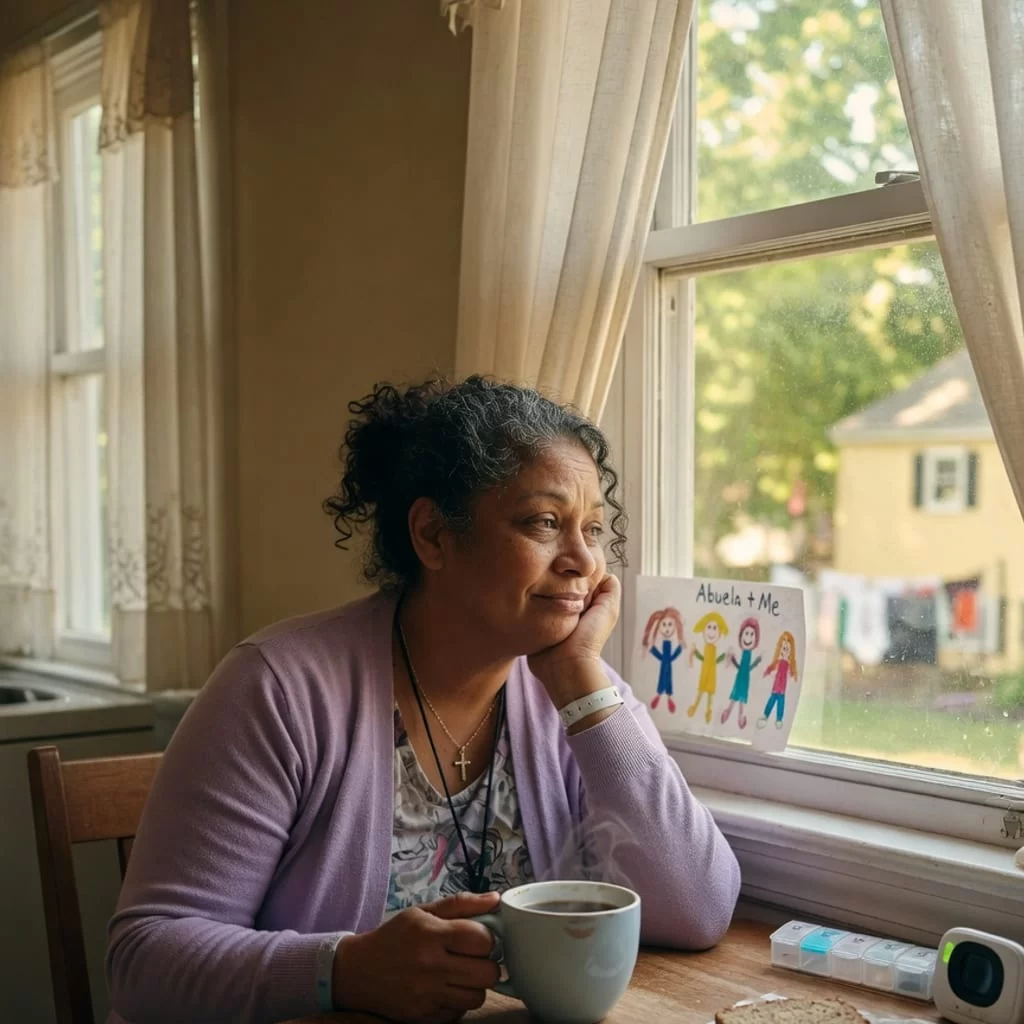
Caring for an aging parent or spouse is one of the most generous acts of love. But even the strongest family caregivers can reach a point where exhaustion replaces compassion. You might feel guilty for feeling tired or resentful for needing a break. That feeling is not a failure; it is a signal. Caregiver burnout is a real, serious condition that affects your health, your relationships, and the quality of care you provide. Recognizing it early and taking steps to prevent it can make all the difference in your caregiving journey. This guide from Rockaway Home Care walks you through the signs, causes, and practical ways to protect your well-being while caring for someone you love.
What Is Caregiver Burnout?
Caregiver burnout is a state of physical, emotional, and mental exhaustion that occurs when someone takes on the demands of caring for another person without adequate support or time for self-care. It is more than just being tired after a long day. Burnout builds over weeks or months and can lead to changes in mood, energy, and overall health. Unlike simple stress, which often fades after a restful weekend, burnout persists and can make you feel hopeless or disconnected from the person you are caring for.
This condition does not mean you are weak or doing something wrong. It means you have been giving too much for too long. Many family caregivers in New York juggle jobs, their own families, and the needs of an older relative. When there is no space to recharge, the body and mind eventually push back. Burnout can manifest in headaches, irritability, anxiety, or even illness. Understanding that burnout is a natural response to sustained strain is the first step toward addressing it. You cannot pour from an empty cup, and recognizing that truth is an act of strength.
Recognizing the Signs of Burnout
Burnout does not happen overnight. It creeps in gradually, and many caregivers dismiss early warning signs as part of their normal routine. Learning to spot the symptoms can help you act before exhaustion takes over. The signs fall into three categories: emotional, physical, and behavioral.
Emotional Signs
You might feel constantly overwhelmed or irritable. Small things that used to be manageable now provoke frustration or tears. You may lose interest in activities you once enjoyed or feel detached from your loved one, almost as if you are going through the motions without genuine connection. Guilt often follows these feelings: you think you should be handling everything better. This emotional roller coaster is a hallmark of burnout.
Physical Signs
Chronic fatigue that does not improve with rest is common. You may experience frequent headaches, back pain, or digestive issues. Your immune system may weaken, leading to more colds or infections. Sleep disturbances are also typical: either you cannot fall asleep, or you wake up still feeling tired. Some caregivers report changes in appetite, eating too much or too little.
Behavioral Signs
When burnout sets in, you might withdraw from friends and family. You may cancel plans or stop returning calls. You might rely on alcohol, caffeine, or other substances to get through the day. Procrastination or forgetfulness can increase, and you may start making mistakes with medications or appointments. If you notice yourself snapping at the person you care for or feeling resentful toward them, that is a serious red flag that you need support.
Common Causes of Caregiver Burnout
Burnout often arises from a combination of factors rather than one single cause. One major contributor is role overload. When you are the primary caregiver, you may also be the cook, the nurse, the driver, the financial manager, and the emotional support. Trying to be everything for someone leaves little room for your own needs. Another factor is a lack of control over the care situation. You might feel pressured by family expectations or by the demands of a condition like dementia, which can change unpredictably.
Isolation plays a huge role as well. Many caregivers reduce their social activities because they feel they cannot leave the house or because others do not understand their challenges. Without a support network, you carry the burden alone. Financial strain can also contribute: you may have reduced work hours or spent savings on care expenses. Lastly, unrealistic expectations about what you can accomplish in a day, combined with the guilt of not doing enough, drain your resilience. Recognizing these causes can help you pinpoint where changes are most needed.
How Burnout Affects Your Loved One
When you are burned out, the quality of care you provide can suffer. You may become less patient, more forgetful, or less attentive to details like medication timing or safety precautions. Your loved one might sense your tension and feel like a burden, which can worsen their mood or depression. Caregiver burnout can also lead to unintentional neglect, such as skipping checkups or ignoring signs of infection simply because you have no energy left to act on them.
This does not mean you are a bad caregiver. It means the current situation is unsustainable. Taking care of yourself is not selfish; it is an essential part of giving good care. When you manage your own stress and get the rest you need, you can show up with more patience and presence for your parent or spouse. In fact, preventing burnout can help preserve your relationship with them, ensuring that your time together is filled with warmth rather than frustration.
Practical Strategies to Prevent Burnout
Preventing burnout requires intentional action. You cannot wait until you are completely depleted to make changes. Here are concrete steps you can start taking today.
Set Realistic Boundaries
Learn to say no to commitments that drain your energy. You do not have to attend every family gathering or take on every medical appointment yourself. Let others know what you can and cannot do. For example, tell a relative, ‘I can handle the Wednesdays, but I need you to cover the weekends.’ Boundaries protect your time and preserve your strength.
Schedule Regular Breaks
Even 30 minutes a day of uninterrupted personal time can make a difference. Use that time to walk, read, meditate, or simply sit in silence. Longer breaks are even more valuable. Plan a full afternoon off each week where someone else takes over care. This is not a luxury; it is a necessity for sustained caregiving.
Ask for and Accept Help
Many caregivers wait until they are drowning before they ask for help. Start early. Make a list of tasks other family members can do: grocery shopping, driving to appointments, handling bill payments. When someone offers help, say yes. If no one offers, be direct and ask. You might be surprised how willing people are when you give them a specific task.
Take Care of Your Body
Sleep, nutrition, and exercise are the foundation of resilience. Aim for at least seven hours of sleep per night. Keep healthy snacks on hand so you do not rely on fast food. Even a 15-minute walk each day can reduce stress hormones. Your physical health directly impacts your ability to handle caregiving demands.
Join a Support Group
Talking to others who understand your situation can be incredibly validating. Many local organizations and online communities offer caregiver support groups. You can share tips, vent frustrations, and learn that you are not alone. Rockaway Home Care can help connect you with resources in New York.
The Power of Respite Care
Respite care is short-term, temporary care provided by a professional home health aide or at a facility so that you can take a break. It is one of the most effective tools for preventing burnout, yet many caregivers resist using it because they feel guilty or worry about leaving their loved one with a stranger. But respite care is not abandonment; it is a strategic way to recharge so you can continue providing high-quality care for the long term.
Respite can be as short as a few hours or as long as a few days. During that time, you can rest, run errands, spend time with other family members, or simply have a quiet evening at home. The professional aide is trained to handle your loved one’s needs safely and with compassion. Many families find that their aging relative actually enjoys the new company and variety. Using respite care regularly can dramatically lower your stress levels and help you avoid the worst of burnout. Rockaway Home Care offers flexible respite options tailored to your schedule and your loved one’s needs.
When to Seek Professional Support
Sometimes, self-help strategies are not enough. If you experience persistent symptoms of depression or anxiety, such as hopelessness, inability to get out of bed, or thoughts of harming yourself or others, it is crucial to seek professional mental health support. Caregiver burnout can lead to clinical depression, and therapy or medication can be life-changing. Additionally, if your loved one’s needs have grown beyond what you can manage physically or emotionally, it may be time to consider hiring regular home care assistance.
Professional home care agencies like Rockaway Home Care provide trained aides who can help with bathing, dressing, meal preparation, companionship, and light housekeeping. This does not mean you are giving up your role as primary caregiver. Instead, you become the care manager, overseeing a team that supports your loved one. Many families find that after bringing in help, they can actually enjoy their time with their parent again rather than seeing caregiving as a burden. Do not wait until you collapse. Reaching out for help early is a sign of wisdom and love.
Frequently Asked Questions
What is the difference between caregiver stress and burnout?
Caregiver stress is a short-term response to a specific challenge, such as managing a difficult day. It usually passes with rest or a break. Burnout is a longer-term state of physical and emotional depletion that persists even after rest. Burnout includes feelings of hopelessness, detachment, and reduced personal accomplishment. While stress can be motivating at times, burnout undermines your ability to function.
How can I tell if I need just a break or more help?
If a single day off leaves you refreshed and ready to go, you likely need regular breaks. If you find yourself dreading caregiving, feeling numb, or having physical symptoms that do not improve with time off, you likely need more system changes, such as regular professional assistance or counseling. Listen to your body and emotions; they are reliable guides.
Can caregiver burnout affect my relationship with my loved one?
Yes, it can. When you are burned out, you may be more irritable, less patient, and emotionally distant. Your loved one may feel rejected or guilty. Over time, the relationship can become strained. Preventing burnout through self-care and support helps preserve the bond and ensures your interactions are positive and loving.
Is it okay to use home care services even if I feel guilty?
Yes, it is not only okay but often necessary. Guilt is a common emotion among caregivers, but you must remember that accepting help allows you to provide better care. Professional home care services are designed to support families, not replace them. You can still be the primary caregiver while sharing some tasks. The goal is to keep you healthy and engaged for the long haul.
How do I talk to my family about needing help?
Start by being honest and specific. Use ‘I’ statements, like ‘I am feeling overwhelmed and I need help with Mom on Saturdays.’ Explain that sharing responsibilities will benefit everyone, including your loved one. Suggest concrete tasks that others can do. If you face resistance, consider a family meeting facilitated by a social worker or care manager. Often, family members simply do not realize how much you are doing alone.
Caregiving is a journey, not a test of endurance. At Rockaway Home Care, we understand that your well-being matters just as much as the care you give. If you are feeling the weight of burnout or simply want to explore how we can help lighten your load, we invite you to reach out for a free, no-obligation consultation. Our team in New York is here to listen, provide guidance, and connect you with the right level of support for your family.
This article provides general information and is not a substitute for professional medical advice. If you are experiencing severe symptoms of burnout or depression, please contact a healthcare provider or mental health professional.
More from the Rockaway Home Care blog
- Understanding Medicaid home care eligibility
- Top questions families ask about home care costs
- Choosing between live-in care and hourly home care
- How to create a home care plan for a loved one