Ethical Will Writing: A Legacy Beyond Assets
Discover the power of ethical will writing to share personal values and life lessons with loved ones. A guide for seniors and caregivers seeking deeper legacy planning.
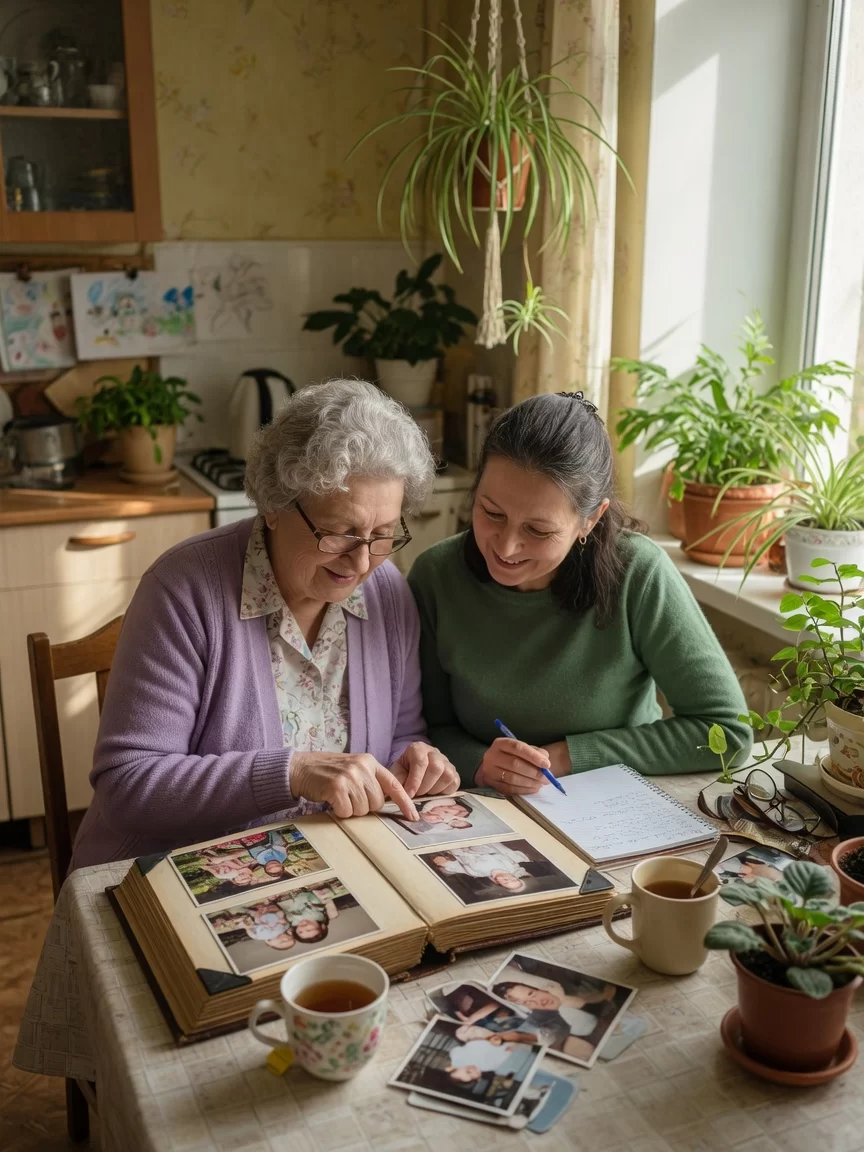
When we think about leaving a legacy, our minds often go to financial assets, property, or heirlooms. But the most meaningful gifts we can pass on are not things that can be taxed, appraised, or divided. They are the stories that shaped us, the values that guided our choices, and the wisdom we gathered over a lifetime. This is the heart of an ethical will — a document that captures what matters most and ensures your voice continues to echo in the lives of those you love. For families navigating the delicate landscape of elder care in New York, ethical will writing offers a profound way to strengthen bonds and preserve identity beyond the material world.
What is an Ethical Will?
An ethical will, sometimes called a legacy letter or spiritual will, is a personal document that conveys your life lessons, values, hopes, and blessings to future generations. Unlike a legal will, which distributes property and assets, an ethical will focuses on intangible treasures: the principles you stood for, the people who shaped you, the mistakes that taught you, and the joy you found in simple moments. Historically, ethical wills date back to biblical times, passed from parent to child. Today they are experiencing a revival as families seek deeper connection in an increasingly digital world.
The beauty of an ethical will is that it has no rigid format or legal requirements. It can be a handwritten letter, a video recording, an audio file, or even a scrapbook of photographs with captions. It is your voice, unfiltered and authentic. For seniors receiving home care in New York, creating an ethical will can be a therapeutic activity, offering a sense of purpose and a chance to reflect on a life well-lived.
Why Ethical Wills Matter for Seniors and Families
In the midst of caregiving routines, medical appointments, and daily logistics, it is easy to overlook the emotional inheritance that seniors have to offer. Yet research in gerontology and family therapy consistently shows that sharing life stories reduces depression, increases life satisfaction, and strengthens family bonds. An ethical will becomes a bridge between generations, allowing grandparents to impart wisdom that grandchildren can carry forward.
For adult children who may be acting as caregivers, receiving an ethical will can transform the grief of loss into a sense of ongoing connection. When a loved one passes, having their written words can provide comfort and guidance. It can also reduce family conflicts by clarifying the values that underpin decisions. Instead of arguing over a material item, family members can remember the person’s spirit and intention. Ethical wills are especially valuable in blended families or situations where communication has been strained, offering a peaceful way to heal old wounds.
Getting Started: Gathering Your Stories and Values
Begin by setting aside quiet time for reflection. You do not need to write the entire document in one sitting. Consider keeping a journal or a digital note-taking app where you jot down memories as they surface. Think about pivotal moments in your life: your first job, your wedding day, the birth of a child, a difficult loss, a triumph that surprised you. Ask yourself what principles you want to be remembered for. Is it kindness? Resilience? Curiosity? Faith?
One practical approach is to use a set of prompts. For example: ‘What is the best advice you ever received?’ ‘What mistake taught you the most?’ ‘What is a story from your childhood that still makes you smile?’ ‘What do you hope your grandchildren know about you?’ Write freely without worrying about grammar or eloquence. This is a draft, a raw collection of your heart. Later you can organize and polish.
If you are a family member helping a senior parent create an ethical will, approach the process with patience and gentle curiosity. You might ask open-ended questions during a quiet afternoon together. Record their answers on your phone or take notes. Let them lead; the ethical will should reflect their voice, not your interpretation. For seniors with memory loss, even short fragments of memories can be powerful. A single sentence about a favorite meal or a cherished song can evoke a world of feeling.
Choosing the Right Format
The format of your ethical will should match your comfort and abilities. A handwritten letter carries a personal touch that digital documents often lack. If arthritis or vision makes writing difficult, consider dictating your thoughts into a voice recorder and having a family member type them. Video recordings are incredibly moving — seeing a person’s face and hearing their tone adds emotional depth. Some people create a photo book with captions or a recipe collection with stories behind each dish.
There is no right or wrong format. The key is that the medium feels authentic to you. If you enjoy technology, you might even create a private blog or a password-protected website that can be shared with family members over time. For those in home care, caregivers can assist with the physical aspects of recording or transcribing, but the content must remain the senior’s own. Encourage creativity: include a playlist of songs that meant something, or a list of books that shaped your worldview.
Making It a Collaborative Family Activity
While the ethical will is ultimately a personal creation, involving loved ones can enrich the process. Consider hosting a ‘legacy dinner’ where family members share memories and ask questions. This can be a joyful occasion that reinforces connections while the senior is still present. The ethical will can then incorporate the stories that surfaced and the laughter that filled the room.
Writing Prompts to Inspire Your Ethical Will
To overcome the blank page, use structured prompts. Below are categories with sample questions. You do not need to answer all; pick the ones that resonate.
- Childhood and Family: What is your earliest memory? Who was your favorite relative and why? What traditions did your family have that you want to continue?
- Life Lessons: What is the most important lesson you learned from failure? What does success mean to you? What habit has served you best?
- Love and Relationships: How did you meet your spouse/partner? What made you fall in love? What advice do you have for maintaining long-term friendships?
- Values and Beliefs: What three values guide your life? How did your faith or spirituality shape you? What causes do you care about deeply?
- Hopes for Descendants: What do you wish for your grandchildren? What kind of world do you hope they build? What character traits do you hope they develop?
Write each answer as a short paragraph or even a bullet point. Later you can weave them into a flowing narrative. Remember that ethical wills are not testaments of perfection. Including struggles and regrets makes them more relatable and honest. Acknowledge mistakes; they are part of wisdom.
Sharing Your Ethical Will with Loved Ones
When your ethical will is complete, decide how and when to share it. Some people choose to read it aloud at a family gathering, perhaps during a holiday or a birthday. This can be profoundly moving but may also be emotionally intense. Others prefer to give copies privately to each family member, allowing them to read it in their own time. For seniors who are frail, the act of sharing while they are still alive can be a gift — family can express gratitude and ask questions.
Consider making multiple copies. Keep one with your legal documents, give one to a trusted family member, and store a digital version in a secure cloud service. Ensure that your ethical will is accessible after your passing. It is wise to inform your executor or power of attorney that this document exists. Unlike a legal will, an ethical will is not legally binding, so there are no formal requirements for witnessing or notarization. However, it deserves the same care in preservation.
Combining Ethical Wills with Traditional Estate Planning
An ethical will does not replace a legal will or estate plan. Rather, it complements them. When beneficiaries receive heirlooms or financial assets, they may wonder about the intent behind the gift. An ethical will can provide context: ‘I leave you my grandmother’s ring because you have her gentle spirit and I know you will treasure it as she did.’ This personal note can ease tensions and turn a potential conflict into a cherished memory.
Work with your estate planning attorney to ensure your ethical will aligns with your overall plan. While the ethical will is private and not legally binding, it can be referenced in a letter of instruction attached to a trust or will. Many lawyers encourage clients to create ethical wills as part of holistic estate planning. If you are receiving home care services in New York, your care manager may also be a resource for connecting you with elder law specialists who value this holistic approach.
Common Challenges and How to Overcome Them
One common challenge is feeling that your life was not interesting enough to write about. This is false. Every life has profound moments — the small acts of kindness, the quiet perseverance, the love you gave. Focus on the impact you had on others, not on dramatic events. Another challenge is emotional overwhelm. Writing about your life can bring up grief, regret, or sadness. That is natural. Allow yourself to pause and rest. You can write in short sessions, perhaps with a caregiver or friend nearby for support.
Family disagreements can also arise if some members feel excluded or if the ethical will contains sensitive stories. To avoid this, use your ethical will to affirm and bless, not to criticize. If there are difficult truths you want to express, consider a separate letter for that purpose. The ethical will is meant to unify, not divide. Finally, procrastination is common. Set a small goal: write for ten minutes a day or complete one prompt per week. Ask a family member to check in on your progress. The reward — a lasting gift of your heart — is worth the effort.
Frequently Asked Questions
What is the difference between an ethical will and a last will and testament?
A last will and testament is a legal document that transfers property and designates guardians for minor children. An ethical will is a personal, non-legal document that conveys values, stories, and life lessons. They work together but serve different purposes.
How long should an ethical will be?
There is no required length. It can range from a single page to dozens of pages. The most important factor is sincerity, not length. A few heartfelt paragraphs can be more powerful than a lengthy manuscript filled with details.
Can I make changes to my ethical will after I write it?
Absolutely. An ethical will is a living document. You can add to it, revise it, or create new versions over time. In fact, updating it can be meaningful as you enter new life stages. Some people write ethical wills for different occasions, such as a birth or a retirement.
Do I need a lawyer to create an ethical will?
No. Unlike a legal will, an ethical will has no formal legal requirements. You can write it yourself or with the help of family. However, consulting a lawyer who understands holistic estate planning can help you integrate it with your legal documents.
What if I am not comfortable writing? Can I use another format?
Yes. You can record a video or audio message, create a scrapbook, or even dictate your thoughts to a family member who transcribes them. The format should reflect your comfort and abilities. A video of you speaking from the heart can be just as powerful as a written letter.
Creating an ethical will is one of the most generous acts you can offer your loved ones. It is a legacy that no bank account can match — a legacy of love, wisdom, and lasting presence. At Rockaway Home Care, we understand that caring for an aging family member involves more than meeting physical needs; it also means honoring the whole person and their unique story. If you would like guidance on how to begin this process or wish to discuss how our services can support your family, we invite you to reach out for a free consultation. Our team is here to help you navigate the journey with compassion and respect.
This article provides general information and is not intended as medical or legal advice. Always consult a qualified professional for your specific situation.
More from the Rockaway Home Care blog
- Understanding Medicaid home care eligibility
- Top questions families ask about home care costs
- Choosing between live-in care and hourly home care
- How to create a home care plan for a loved one