Finding a Home Care Aide Who Speaks Your Loved One's Language
Language barriers can make home care stressful for seniors. Learn how to find a home care aide who speaks your loved one's language, from assessing needs to interviewing candidates and using CDPAP.
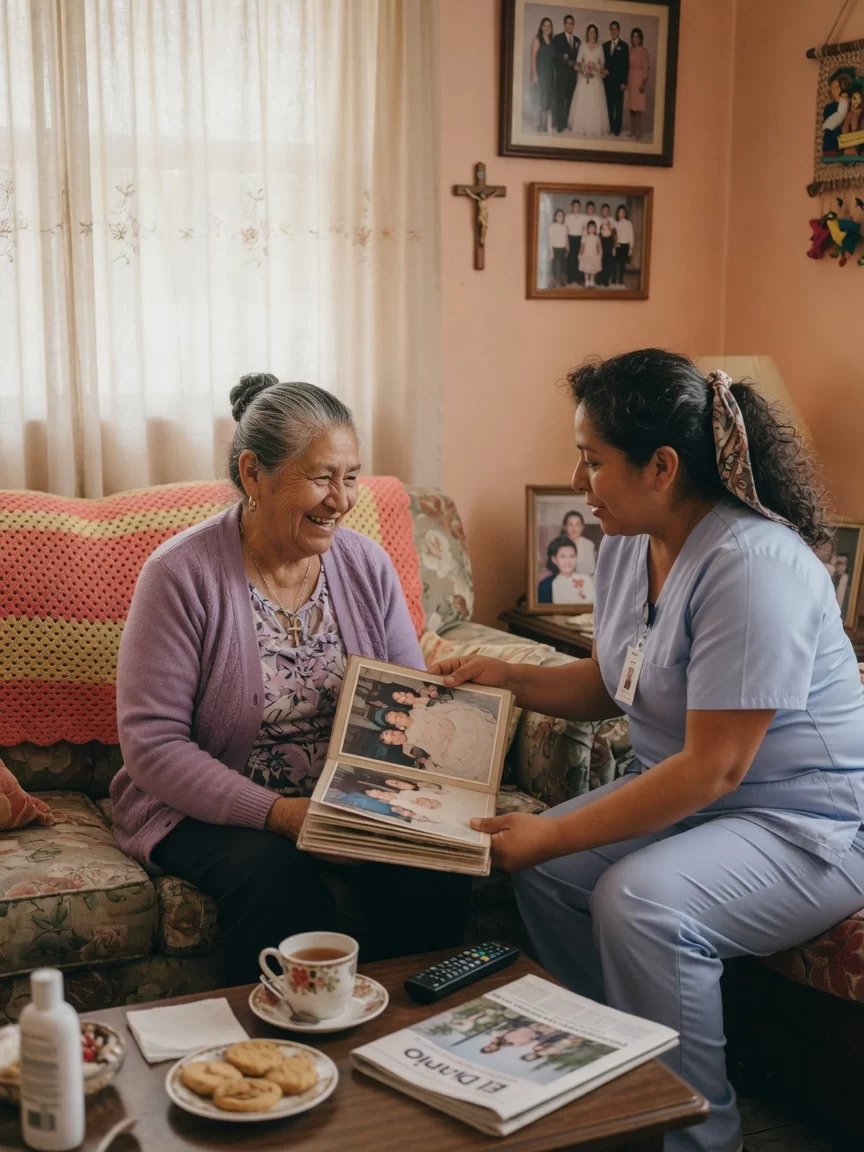
When your aging parent needs help at home, the relationship with their home care aide becomes deeply personal. That bond can be even harder to build when the two do not share a common language. For many families in New York, finding a home care aide who speaks your loved one’s language is not a luxury – it is a necessity for safety, dignity, and genuine connection. Imagine your mother trying to explain a new pain, or your father needing help understanding medication instructions, without the words to do so. The frustration, isolation, and risk of miscommunication are real. This article walks you through the practical steps to find a caregiver who can communicate with your loved one in their preferred language, so that care feels natural and respectful.
Why Language Match Matters in Senior Home Care
Language is more than just words. For an older adult, especially one who may be experiencing cognitive decline or hearing loss, speaking in their native or most comfortable language is a lifeline to their identity. When a home care aide speaks the same language, the senior can express needs clearly, ask questions about their care, and maintain a sense of control. In contrast, relying on a caregiver who does not understand their language can lead to missed symptoms, medication errors, and emotional withdrawal. Many seniors in New York come from immigrant communities where English is not their first language – Chinese, Russian, Spanish, Italian, Yiddish, Korean, and many others. A language-matched aide helps the senior feel understood and respected, which directly improves their quality of life and willingness to accept help.
Beyond the practicalities, there is an emotional dimension. Using a familiar language can reduce the anxiety that often accompanies receiving personal care from a stranger. The senior can share stories, use humor, and express preferences without the barrier of translation. Family members also benefit: they can communicate more easily with the aide about schedules, meals, and health changes, without needing to interpret everything. In short, a common language transforms a transactional service into a trusting partnership.
The Real Risks of a Language Mismatch
Without a shared language, small misunderstandings can have serious consequences. Consider a scenario where an aide mishears a dosage instruction because the senior says ‘one pill’ with an accent that sounds like ‘four pills.’ Even with good intentions, confusion can lead to overmedication or missed doses. Similarly, a senior who cannot describe their symptoms accurately may not receive timely attention for a urinary tract infection or a developing pressure sore. These risks are especially high for individuals with dementia, who may rely more heavily on non-verbal cues and who often revert to their first language during moments of confusion.
Beyond health, there is also the risk of social isolation. If the aide and the senior cannot hold a simple conversation, the senior may feel lonely in their own home. They might stop asking for help, or they may become withdrawn. I have spoken with families who describe their loved one becoming ‘a different person’ after being paired with a caregiver who spoke their language – suddenly chatty, engaged, and more cooperative. The cost of a language mismatch is not just medical; it is the loss of companionship and comfort that home care is supposed to provide.
How to Assess Your Loved One’s Language Needs
Before you begin your search, take time to understand the full scope of what ‘speaking your loved one’s language’ means for your situation. Is your parent fully fluent in a specific language, or do they mix languages? Do they have a regional dialect or vocabulary that might be unfamiliar to some speakers? For example, a Spanish-speaking senior from the Caribbean may use different terms for everyday objects compared to someone from Spain or South America. Similarly, a Mandarin speaker from Northern China might speak a different dialect than one from the South. It helps to be specific about the language and even the dialect or region.
Next, consider the level of proficiency needed. Does your loved one require a caregiver who can give complex medical instructions in their language, or is it enough for the aide to understand basic requests and provide companionship? In many cases, the senior may understand English but feel more comfortable expressing emotions in their native tongue. You might decide that the aide should be able to speak at least two languages – your loved one’s primary language and enough English to communicate with doctors or family members. Write down these requirements clearly so you can communicate them to agencies or when screening candidates.
Where to Find Multilingual Home Care Aides in New York
New York is home to a rich diversity of home care workers. Many agencies actively recruit aides who speak multiple languages to serve their local communities. Start by looking for home care agencies that specialize in your loved one’s language or cultural community. For instance, there are agencies that focus on Russian-speaking seniors or Chinese-speaking communities in Brooklyn and Queens. Even general agencies like Rockaway Home Care often have a pool of aides with various language skills. When contacting any agency, specifically ask whether they can match your loved one with a caregiver who speaks their language fluently.
Another excellent route is the Consumer Directed Personal Assistance Program, or CDPAP. This New York State program allows the care recipient (or their designated representative) to hire, train, and supervise their own home care aides – including family members or friends. If you have a relative or trusted community member who speaks your loved one’s language, CDPAP can make them a paid caregiver. This option often provides the best language and cultural match because you already know the person. However, it does require more administrative involvement from the family.
Key Questions to Ask When Interviewing Potential Aides
When you have candidates, use the interview to verify language skills and cultural fit. Ask open-ended questions in the senior’s primary language (if possible) to see how the aide responds. For example, you might ask: ‘Can you tell me in Spanish how you would help my mother get dressed if she is feeling dizzy?’ Listen for fluency, vocabulary, and comfort. Also ask about experience working with seniors from that specific cultural background. A Russian-speaking aide who has only worked with American-born seniors may not be as familiar with certain dietary customs or holiday traditions as one who has cared for a similar population.
It is also helpful to ask about the aide’s own language background. Are they a native speaker, or did they learn the language later in life? Both can work well, but native speakers often have deeper cultural intuition. Finally, include your loved one in a brief conversation with the candidate. Observe body language and tone. Does your parent light up? Do they seem to understand each other? That initial rapport is a strong indicator of future success.
Cultural Competence Goes Beyond Words
Speaking the same language is a huge advantage, but cultural competence is equally important. A home care aide who shares your loved one’s cultural background will understand traditions around food, holidays, and family roles. They will know how to prepare familiar dishes, respect generational customs, and even know the right way to address an elder. For example, in many Asian cultures, using formal titles and avoiding direct eye contact is a sign of respect. A culturally competent aide will naturally navigate these nuances, making the senior feel at ease.
Even when language is shared, cultural differences within a language group can cause misunderstandings. Aides should be trained to ask about preferences rather than assume. Encourage them to learn about your loved one’s specific traditions and routines. You can create a simple ‘Getting to Know Me’ sheet that includes favorite foods, daily rituals, religious practices, and important life events. This helps bridge any cultural gap, even when the language is a perfect match.
Using CDPAP to Hire a Family Member or Friend Who Speaks the Language
One of the most powerful ways to ensure your loved one is cared for by someone who speaks their language is to hire a person they already know and trust. Through New York’s CDPAP program, you can become the employer of record for a relative (with some exceptions, like a spouse or legal guardian), a neighbor, or a friend. This person must be qualified to provide care, but they do not need a professional home care certificate in many cases. They receive training, a competitive wage, and benefits through the fiscal intermediary. For a senior who speaks only Italian, having a niece who is fluent in Italian become their paid caregiver can be transformational.
The CDPAP process involves selecting a fiscal intermediary, completing enrollment paperwork, and establishing a plan of care. The senior or their representative has authority over scheduling and duties. This flexibility allows the caregiver to incorporate language and cultural practices naturally into daily care. While CDPAP requires more responsibility from the family, it is often the ideal solution for families who already have a willing and able bilingual relative. Rockaway Home Care works with many families who choose this path and can help guide you through the steps.
Tips for Ongoing Communication After Placement
Once you have found a home care aide who speaks your loved one’s language, the work is not done. Establish clear communication channels between you, the aide, and your loved one. Even if the aide and senior share a language, you may need to facilitate conversations about medical appointments or changes in condition. Create a daily log where the aide can note observations in their shared language, and then translate key points for you. Use simple language for written instructions – avoid medical jargon unless both parties understand it.
Schedule regular check-ins where you can discuss how the care relationship is going. Ask your loved one privately if they feel understood and respected. Sometimes seniors hesitate to raise concerns because they do not want to ‘get the caregiver in trouble.’ Reassure them that your goal is to make the arrangement work for everyone. If communication issues do arise, address them early. Perhaps the aide’s dialect is different than expected, or they need to slow down when speaking. A little coaching can go a long way. Remember, the goal is a comfortable, safe, and dignified experience for your loved one – and a common language is a powerful tool to get there.
Frequently Asked Questions
What if my loved one speaks a rare language that is hard to find among home care aides?
For less common languages, consider CDPAP as your best option. You may be able to hire a family member or friend who speaks that language. Additionally, some agencies have a wider network than others; ask if they can tap into community groups or cultural organizations. In New York, there is often a community of speakers for almost every language, though it may take more time to locate the right person.
Can a home care aide who is not fully fluent still be effective?
It depends on the senior’s needs. If your loved one only needs basic help and enjoys practicing English, a less fluent aide might still be fine. But for complex medical communication or if the senior has dementia, full fluency is strongly recommended. Even if the aide is not a native speaker, they should be able to hold a comfortable conversation in the language.
How do I verify an aide’s language skills during the hiring process?
Ask the agency about their language assessment process. Some administer a verbal test or require a language proficiency certificate. You can also conduct a simple test by having a 10-minute conversation with the candidate in the target language while your loved one observes. Note their vocabulary, accent, and ability to explain care tasks clearly.
Is there extra cost for a multilingual home care aide?
In many agencies, there is no extra charge for requesting a specific language. However, the availability may be more limited, so you might need to be flexible with scheduling. With CDPAP, the pay rate is set by the program regardless of language. Some agencies may list bilingual aides at a higher skill level, but it varies. Always ask upfront about any potential additional fees.
What if the aide and my loved one speak the same language but do not get along personally?
Language is one factor, but personality and rapport are equally important. If there is a clash, request a replacement from the agency. Many agencies allow a trial period to assess compatibility. Trust your loved one’s feelings – they need to feel comfortable. You can also use CDPAP to hire someone your loved one already knows and trusts, minimizing personality issues.
Finding a home care aide who truly speaks your loved one’s language is one of the most impactful decisions you can make for their well-being. It reduces risk, deepens connection, and honors their identity. Whether through a traditional agency, community referrals, or New York’s CDPAP program, the right caregiver is out there. At Rockaway Home Care, we understand how important this match is. We invite you to reach out for a free consultation to discuss your family’s specific needs, the languages you require, and how we can support you in finding the ideal home care aide. You do not have to navigate this journey alone.
This article provides general information and is not a substitute for professional medical or legal advice. Always consult with qualified professionals for guidance specific to your situation.
More from the Rockaway Home Care blog
- Understanding Medicaid home care eligibility
- Top questions families ask about home care costs
- Choosing between live-in care and hourly home care
- How to create a home care plan for a loved one