
Holiday Decorating Safety for Seniors at Home
The holiday season brings joy, but decorating can pose risks for seniors. This guide offers practical safety tips to help older adults enjoy festive decor without injury or stress.
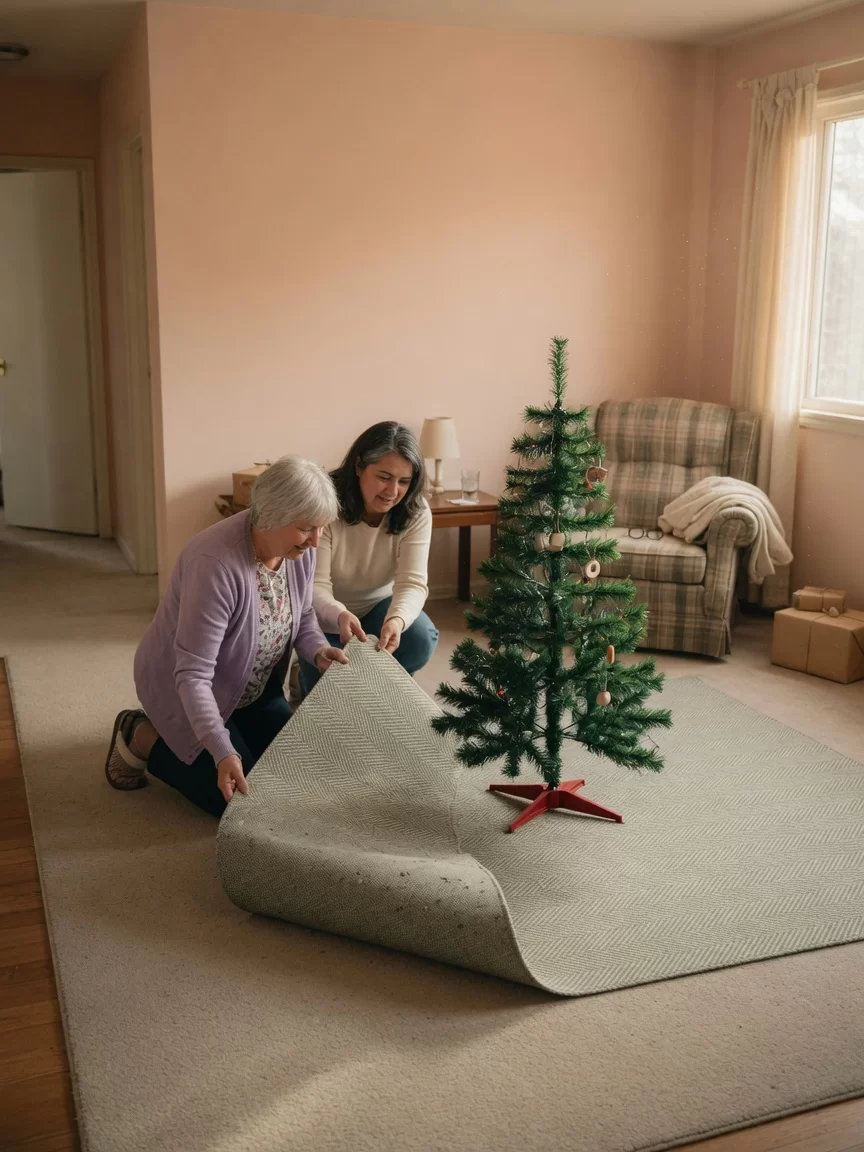
The holiday season is a time of warmth, family, and cherished traditions. For many seniors, decorating the home is a beloved ritual that brings back memories of past celebrations. However, as we age, tasks that once seemed simple can become challenging or even dangerous. At Rockaway Home Care, we understand the importance of maintaining independence while ensuring safety. This guide provides practical, person-first advice to help seniors enjoy holiday decorating without unnecessary risk.
Assess Your Physical Abilities Before You Start
Before you pull out the boxes of decorations, take a moment to honestly evaluate your current physical condition. Are you steady on your feet? Do you have any recent injuries, arthritis, or balance concerns? It is important to know your limits. For example, if you have trouble reaching overhead or bending down, tasks like hanging lights on a tall tree or placing heavy boxes under the bed might be best left to a family member or a home care aide.
Consider making a list of decorating tasks and marking which ones you can do safely. Simple activities like arranging a tabletop centerpiece or hanging lightweight ornaments on lower branches are often fine. But climbing ladders, standing on stools, or lifting heavy bins are high-risk activities. If you have a home health aide through Rockaway Home Care, they can assist with these tasks while you direct the decorating. Remember, it is perfectly okay to ask for help. The goal is to create a festive environment, not to risk a fall or strain.
Prevent Falls With Smart Decorating Choices
Falls are a leading cause of injury among older adults, and holiday decorations can introduce new tripping hazards. To keep pathways clear, avoid placing decorations on the floor in high-traffic areas. This includes extension cords, garlands, and small decorative items. Instead, focus on decorating surfaces like tables, mantels, and windowsills. If you use a tree skirt, ensure it lies flat and does not bunch up where people walk.
Another key safety measure is to secure loose rugs or remove them entirely during the holiday season. A decorative rug near the tree or entryway can easily catch a foot or a walker. Use double-sided tape or non-slip pads to keep rugs in place. Similarly, if you use a wheelchair or walker, make sure there is enough space to navigate around furniture and decorations. A good rule of thumb is to create a clear path at least three feet wide through every room. By thinking ahead, you can enjoy the festive look without the worry of a fall.
Tips for Safe Ladder and Stool Use
- Never use a chair, counter, or stack of boxes as a step stool. Always use a sturdy, non-slip ladder or step stool with handrails.
- Keep both feet on the step and maintain three points of contact (two hands and one foot, or two feet and one hand) when reaching.
- If you feel unsteady, do not climb. Ask a family member or caregiver to help with high decorations.
- Place the ladder on a flat, stable surface away from doorways or busy areas.
Reduce Fire Risks From Lights and Candles
Holiday lights and candles add a magical glow, but they also increase fire hazards, especially for seniors who may have reduced mobility or slower reaction times. Always choose LED lights, which stay cool to the touch and use less electricity. Check each string of lights for frayed wires, broken sockets, or loose connections before plugging them in. If you find any damage, replace the lights immediately. Do not attempt to repair them with tape.
When using electric decorations, avoid overloading outlets. Plug no more than three strands of lights into one extension cord, and use a power strip with a built-in circuit breaker. Keep all cords away from rugs, furniture, and areas where they might be tripped over. For a safer alternative to candles, consider using battery-operated flameless candles. They look realistic, provide a warm glow, and eliminate the risk of fire. If you do use real candles, place them in sturdy holders on a non-flammable surface, away from curtains, decorations, and anything that can burn. Never leave a lit candle unattended, and always extinguish them before leaving the room or going to bed.
Choose Lightweight and Easy-to-Handle Decor
Heavy decorations can be difficult to lift and may cause back strain or muscle injury. When selecting new holiday items, opt for lightweight materials like plastic, fabric, or foam instead of glass or ceramic. For example, choose a small artificial tree made of PVC rather than a heavy real tree. If you already have a large tree, consider using a tree stand with wheels so you can move it easily without lifting.
Another idea is to simplify your decorating scheme. Instead of covering every surface, choose a few focal points that bring you joy. A wreath on the door, a small centerpiece on the dining table, and a few garlands on the mantel can create a festive atmosphere without overwhelming you physically. If you have a home care aide, they can help arrange heavier items and store them after the holidays. Remember, the holiday spirit comes from the memories you create, not the number of decorations you put up.
Keep Walkways and Exits Clear for Emergency Access
Safety during an emergency is critical, especially for seniors living alone. Decorations should never block doors, windows, or hallways. Make sure all exits are easily accessible and that you can open doors fully. If you use a walker or wheelchair, ensure that pathways are at least 36 inches wide to allow for easy passage. Avoid placing large decorations, such as a life-sized nutcracker or a tall tree, near entryways.
It is also wise to check that smoke detectors and carbon monoxide alarms are working properly. Test them before the holiday season begins and replace batteries if needed. If you have hearing loss, consider installing a strobe light alarm or a bed shaker. Additionally, keep a fire extinguisher in the kitchen and near the main living area. Knowing that your home is prepared for an emergency will give you peace of mind so you can focus on enjoying the holidays with loved ones.
Involve Family and Caregivers in Safe Decorating
Holiday decorating can be a wonderful opportunity for family bonding. Instead of trying to do everything alone, invite a family member, friend, or home care aide to help. They can handle tasks that require physical strength or balance, such as putting up outdoor lights, hanging a wreath high on the wall, or placing a star on the tree. Meanwhile, you can direct the placement of decorations, share stories about each ornament, and enjoy the process together.
If you receive home care services from Rockaway Home Care, your aide can assist with decorating while respecting your preferences and abilities. They can also help you create a safe environment by moving furniture, securing rugs, and ensuring cords are out of the way. This collaborative approach not only reduces risk but also makes the holiday season more social and enjoyable. Remember, the best decoration is the smile on your face when you share these moments with someone you care about.
Plan Ahead for Taking Decorations Down
Taking down decorations can be just as physically demanding as putting them up. Plan ahead to make this process safe. Set a date for removal, perhaps a few days after New Year’s Day, and break the task into small steps. For example, remove lights and ornaments from the tree first, then take down garlands and wreaths. Use the same safety precautions you used during setup: avoid ladders, lift with your legs, and ask for help with heavy items.
Store decorations in lightweight, clearly labeled bins that are easy to carry. Avoid overfilling boxes, as heavy bins can cause back strain. Place bins on shelves at waist level so you do not have to bend or reach. If you have difficulty storing items, consider donating decorations you no longer use. This reduces clutter and makes future decorating simpler. By planning the takedown, you can avoid the post-holiday rush and potential injuries.
Frequently Asked Questions
Is it safe for a senior with balance issues to use a step stool to hang lights?
It is generally not recommended. Even a small step stool can cause a fall if you lose your balance. Instead, ask a family member or caregiver to hang lights at higher levels. You can still participate by placing lights on lower branches or tabletops where you can reach safely.
Can I use real candles if I have a home care aide present?
While a home care aide can provide supervision, real candles still pose a fire risk. It is safer to use flameless LED candles, which look realistic and require no monitoring. If you must use real candles, keep them in sturdy holders, away from flammable items, and never leave them unattended even for a moment.
How can I make my holiday decorations more accessible if I use a walker?
Create clear, wide pathways by keeping decorations off the floor. Avoid placing items in the middle of the room or near doorways. Use wall-mounted or tabletop decorations instead. Also, ensure that extension cords are taped down along walls so they do not catch on your walker wheels.
What should I do if I notice frayed wires on old holiday lights?
Discard them immediately. Do not attempt to repair frayed wires with tape, as this can lead to electrical shock or fire. Purchase new LED lights that are certified by a safety testing laboratory. They are safer and more energy-efficient.
Are artificial trees safer than real trees for seniors?
Yes, artificial trees are generally safer because they do not dry out and become a fire hazard. Choose a flame-resistant artificial tree. If you prefer a real tree, keep it well-watered and away from heat sources. However, artificial trees are lighter and easier to set up, making them a better choice for seniors with limited mobility.
We hope these tips help you create a safe and joyful holiday season in your home. At Rockaway Home Care, we are here to support you and your family with compassionate, professional home care services. If you would like to learn more about how we can assist with holiday decorating, daily tasks, or personal care, we warmly invite you to reach out for a free consultation. Our team is dedicated to helping you age in place with dignity and safety.
This article is for general informational purposes only and does not constitute medical advice. Always consult with your healthcare provider or a qualified professional for personalized recommendations regarding your health and safety.
More from the Rockaway Home Care blog
- Understanding Medicaid home care eligibility
- Top questions families ask about home care costs
- Choosing between live-in care and hourly home care
- How to create a home care plan for a loved one