How Home Care Eases the Transition for Stroke Survivors
Leaving the hospital after a stroke can be overwhelming. Home care provides the skilled support, safety monitoring, and compassionate companionship stroke survivors need to rebuild their lives at home.
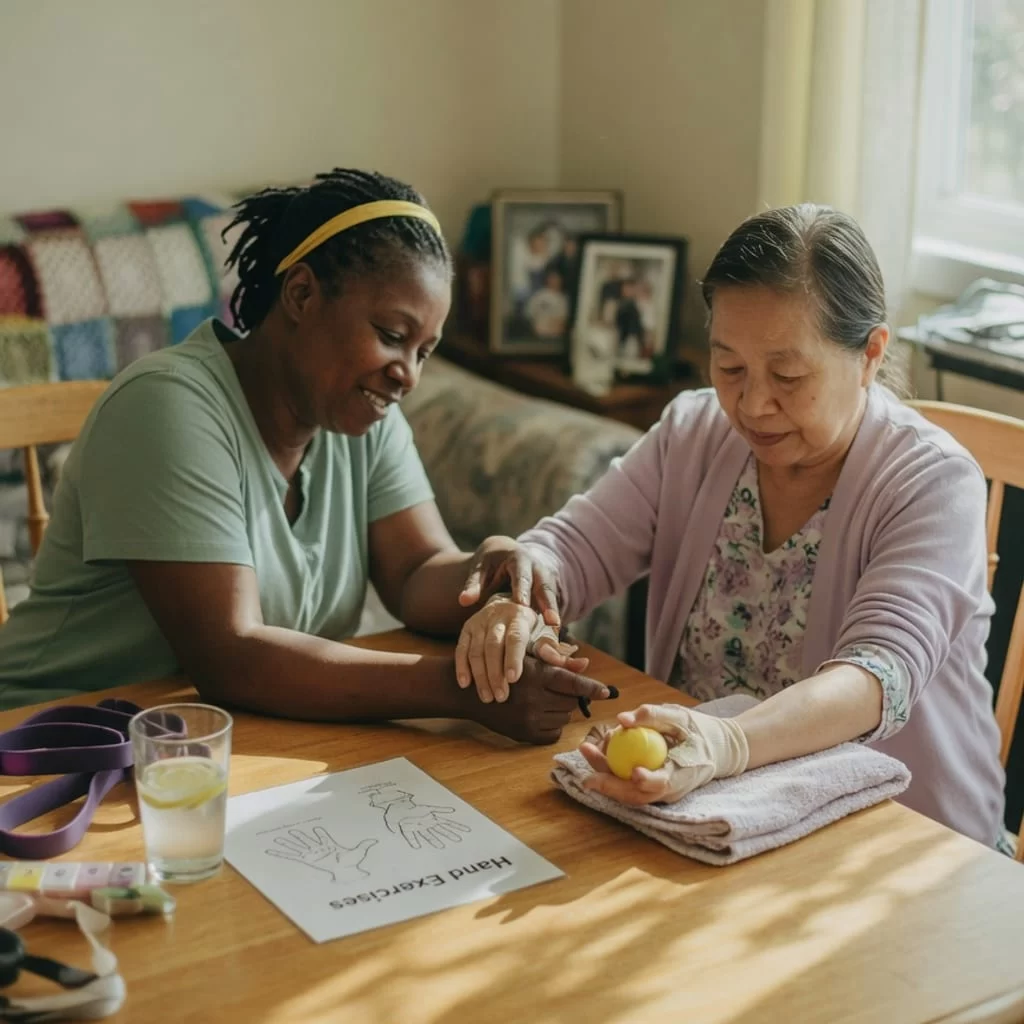
Coming home after a stroke marks a profound turning point. For survivors and their families, the discharge from hospital to home often brings a mix of relief and anxiety. The comfort of familiar surroundings is paired with the sobering reality that life has changed. Mobility may be limited, communication can be challenging, and the simplest daily tasks – bathing, dressing, preparing a meal – can feel insurmountable. During this delicate transition, home care becomes more than a convenience; it is a lifeline that weaves together medical continuity, rehabilitation support, and emotional stability. At Rockaway Home Care, we have seen countless families find their footing again when a skilled home health aide steps in. This article explores the many ways home care eases the journey for stroke survivors and their loved ones, helping everyone adjust to a new normal with dignity and hope.
The Critical Gap After Hospital Discharge
The first weeks after a stroke are among the most vulnerable. Hospitals provide intensive monitoring and therapy, but once the survivor is discharged, that structured support often vanishes. Family members suddenly become primary caregivers, often with little training and no backup. This is where home care bridges the gap. A home health aide arrives each shift with a consistent plan – helping the survivor transfer from bed to wheelchair, reminding them to take medications, preparing soft, nutritious meals, and monitoring for signs of another stroke or complication. The aide also documents changes in condition, which can be shared with the survivor’s doctor and therapist. This continuity prevents the all-too-common cycle of rehospitalizations that plague many stroke survivors. By providing a professional presence in the home, home care creates a bridge between the intensity of acute care and the long, gradual work of recovery.
Equally important, home care alleviates the crushing pressure on family caregivers. A spouse or adult child who suddenly shoulders round-the-clock duties quickly faces burnout, anxiety, and even their own health decline. Having a trained aide for four to eight hours a day or more allows family members to rest, work, manage their own households, and simply be a son or daughter or partner again rather than a full-time nurse. This balance is essential for the survivor, too; a rested, calm caregiver is far better able to offer patience and encouragement. The home care agency coordinates with the family so that everyone knows the schedule and the care plan, making the transition smoother for all.
Rebuilding Daily Living Skills With Patience and Routine
One of the most difficult aspects of stroke recovery is the loss of independence in activities of daily living. Tasks that were once automatic – brushing teeth, buttoning a shirt, walking to the bathroom – now require concentration and sometimes assistance. Home health aides are trained to support survivors without taking over entirely. They use techniques from occupational therapy to break down tasks into small steps. For example, an aide might place the toothbrush in the survivor’s affected hand to encourage use, or guide their arm through a sleeve while narrating the motion. This gentle, patient approach helps rebuild neural pathways and motor skills over time.
Routine is another cornerstone of stroke recovery, and home care provides a consistent structure. Aides arrive at the same times each day, helping the survivor set a rhythm for meals, exercises, rest, and social interaction. This predictability reduces confusion and anxiety, which are common after brain injury. A typical morning might begin with light stretching in bed, washing, dressing, a protein-rich breakfast (prepared with the survivor’s dietary needs in mind), and then a short walk or range-of-motion exercises. Later, the aide might assist with a therapeutic activity like sorting cards or folding laundry, which improves fine motor control and cognitive function. The repetition of these routines not only accelerates physical recovery but also restores a sense of purpose and agency to the survivor.
Emotional Support: Combating Depression and Isolation
Stroke survivors often grapple with profound emotional shifts. The loss of function, changes in speech, and the sudden dependence on others can spark depression, anger, and withdrawal. Research has shown that post-stroke depression affects up to a third of survivors and can significantly slow rehabilitation. A compassionate home health aide does more than perform tasks – they become a trusted companion who listens, encourages, and celebrates small victories. When a survivor feels frustrated by slow progress, the aide can gently reframe setbacks as part of the journey, offering a perspective that family members, who are emotionally invested, sometimes cannot provide.
Isolation is another major hurdle. Many survivors feel embarrassed about their condition and avoid visitors or public outings. Aides help survivors reconnect with the world. They might accompany them on a short walk to the mailbox, sit with them while they FaceTime a grandchild, or simply engage in conversation about the day’s news. For survivors with aphasia (difficulty with language), aides learn communication strategies – using picture boards, gestures, or simple yes/no questions – so that interaction remains possible and enjoyable. Over time, this consistent social engagement reduces feelings of loneliness and gives survivors the emotional strength to keep working toward recovery.
Medication Management and Health Monitoring
Stroke survivors typically leave the hospital with a complex regimen of medications: blood thinners, antihypertensives, statins, and sometimes antidepressants or anticonvulsants. Missing a dose or taking the wrong pill can have serious consequences, including a second stroke. Home health aides are trained to manage medication reminders and can even assist with setting up weekly pill organizers. They also observe for side effects such as dizziness, bruising, or changes in blood pressure. While aides cannot administer medications in New York without an appropriate delegation (some are allowed under specific circumstances), they play a vital role in ensuring the survivor stays on schedule.
Beyond medication, aides monitor vital signs like blood pressure and heart rate, which are critical for stroke survivors. Many agencies provide log sheets where the aide records daily readings and notes any concerning symptoms – a sudden headache, weakness on one side, slurred speech. This information is invaluable during doctor visits and can catch a recurrent stroke early. For family members who work during the day, this monitoring offers peace of mind that someone trained is watching for changes. The aide can also communicate directly with the survivor’s home health nurse or therapist, creating a coordinated care team that keeps everyone informed and responsive.
Physical Safety: Preventing Falls and Accidents
Falls are a leading cause of rehospitalization for stroke survivors. Weakness on one side, impaired balance, and vision changes make navigating the home treacherous. Home care addresses this through proactive safety measures. Aides conduct a home safety assessment at the start of care: securing loose rugs, improving lighting, placing grab bars in the bathroom, and clearing pathways. They also teach the survivor how to use adaptive equipment like a walker, cane, or raised toilet seat safely. During transfers from bed to chair or chair to toilet, the aide uses proper body mechanics to support the survivor’s weight without straining either person.
Bathroom safety deserves special attention. Many falls happen during bathing or toileting, when the survivor is unsteady and surfaces are wet. Aide-assisted bathing ensures that someone is present to help the survivor step into the shower or sit on a shower chair, manage water temperature, and dry off without slipping. Similarly, toileting assistance can prevent rushed, unsteady trips. By eliminating the fear of falling, home care gives survivors the confidence to move around their home more freely, which in turn promotes continued physical activity and independence.
Nutrition and Hydration: Fueling Recovery
Stroke recovery demands a diet that supports brain healing and cardiovascular health. However, many survivors struggle with swallowing difficulties (dysphagia), changes in appetite, or the inability to prepare food. A home health aide can prepare meals that are both nutritious and safe – pureed or soft if needed, low in sodium, and rich in fruits, vegetables, lean protein, and healthy fats. They also monitor fluid intake to prevent dehydration, which can worsen dizziness and confusion. Staying hydrated is especially important for survivors on blood thinners or diuretics.
Beyond cooking, aides create a pleasant mealtime environment. They sit with the survivor, offering encouragement and allowing plenty of time to eat without rushing. For those with left or right neglect (where they may not see food on one side of the plate), the aide can rotate the plate or prompt the survivor to look in that direction. This mindful approach ensures the survivor eats adequately, which directly impacts energy levels, mood, and tissue repair. Good nutrition also helps manage underlying conditions like hypertension and diabetes, reducing the risk of further strokes.
Collaborating With Therapists for Continuous Rehab
Home care is not a replacement for physical, occupational, or speech therapy, but it amplifies the gains made in therapy. Therapists often prescribe exercises to be practiced between sessions. An aide can guide the survivor through these exercises – following the therapist’s written plan – and report back on adherence and progress. For example, after physical therapy, the aide might help the survivor practice standing from a chair ten times or walk the length of the hallway with a walker. This ‘homework’ is crucial because neural recovery relies on repetition, but survivors often lack the motivation or ability to do it alone.
Aides also carry over strategies taught by therapists into daily life. An occupational therapist might teach the survivor how to dress using one hand; the aide reinforces that method each morning. A speech therapist might introduce communication apps or exercises; the aide practices them during natural conversation. This consistency prevents regression and helps the survivor internalize new skills faster. When the survivor visits the therapist again, they arrive with more practice behind them, allowing therapy sessions to advance rather than repeat. By acting as the bridge between clinical visits, home care makes rehabilitation a continuous, around-the-clock effort.
Customizing Care: CDPAP and Personal Care Options
Every stroke survivor’s needs are unique, and home care in New York offers flexible models to match. Many families choose traditional home health aide services through an agency like Rockaway Home Care. But another powerful option is the Consumer Directed Personal Assistance Program (CDPAP), which allows the survivor or their family to hire caregivers of their own choosing – including a relative or friend. This is especially meaningful for stroke survivors who may feel most comfortable with a spouse or adult child. Under CDPAP, the caregiver is paid through the program, which eases the financial burden and keeps care within the family.
For survivors who need less intensive support, personal care services can provide focused assistance during specific hours, such as morning and evening routines. Others benefit from live-in care or 24-hour split shifts if they are at high risk for falls or require frequent repositioning to prevent bedsores. A home care agency helps assess the level of need and coordinates with insurance, including Medicare, Medicaid, and private plans. Survivors may also be eligible for the Nursing Home Transition and Diversion (NHTD) waiver, which supports community-based living rather than institutionalization. By tailoring the care plan to the individual, home care ensures that no one receives too little or too much support.
Frequently Asked Questions
When should we start home care for a stroke survivor?
The best time to arrange home care is before the hospital discharge. Discussing options with the hospital social worker or discharge planner can help you set up care starting the day the survivor comes home. Even if you think you can manage alone initially, having an aide from day one can prevent overwhelm and establish good routines. Early home care also reduces the risk of early rehospitalization.
Will insurance cover home care after a stroke?
Medicare Part A may cover limited home health aide services if the survivor is also receiving skilled nursing or therapy, but only for part-time, intermittent care. Medicaid’s Community Based Long Term Care programs (including CDPAP) often cover more extensive aide hours. Many private insurance plans also offer some home care benefits. An agency like Rockaway Home Care can help verify benefits and guide you through the process.
Can a home health aide help with speech therapy exercises?
A home health aide cannot provide speech therapy, but they can reinforce exercises prescribed by a speech-language pathologist. For example, they may practice word-finding strategies, use communication boards, or read aloud with the survivor. This support helps the survivor progress between formal therapy sessions.
What if the stroke survivor resists having a home health aide?
Resistance is common, often rooted in a desire for independence or fear of strangers. It helps to involve the survivor in the selection process, introduce the aide gradually, and emphasize that the aide will help them regain independence, not take it away. A skilled aide can often build trust by starting with simple companionship before moving into personal care. Sometimes a trial period shows the survivor the benefits firsthand.
How do we know if our family member needs home care or a nursing home?
Home care is appropriate for most stroke survivors who are medically stable and have a safe home environment with some support. A nursing home may be needed if the survivor requires 24/7 skilled nursing, is unsafe at home even with aides, or has severe behavioral issues. A home care agency can conduct an assessment and discuss options with you and the survivor’s doctor. For many, home care is the preferred choice because it allows the survivor to remain in familiar surroundings.
The journey after a stroke is not traveled alone. With the right home care, survivors and their families find that the transition home can be a time of healing, connection, and gradual rediscovery of abilities. At Rockaway Home Care, we are here to support you every step of the way. If you are exploring options for a loved one, we invite you to reach out for a free, compassionate consultation. Together, we can create a care plan that honors their independence and promotes the fullest recovery possible.
This article provides general information and is not a substitute for professional medical advice. Always consult your healthcare provider for guidance tailored to your specific situation.
More from the Rockaway Home Care blog
- Understanding Medicaid home care eligibility
- Top questions families ask about home care costs
- Choosing between live-in care and hourly home care
- How to create a home care plan for a loved one