
Home Care for Seniors with Vision Loss: A Family Guide
This guide helps families understand how to support a senior loved one with vision loss through home care services, adaptive strategies, and compassionate communication.
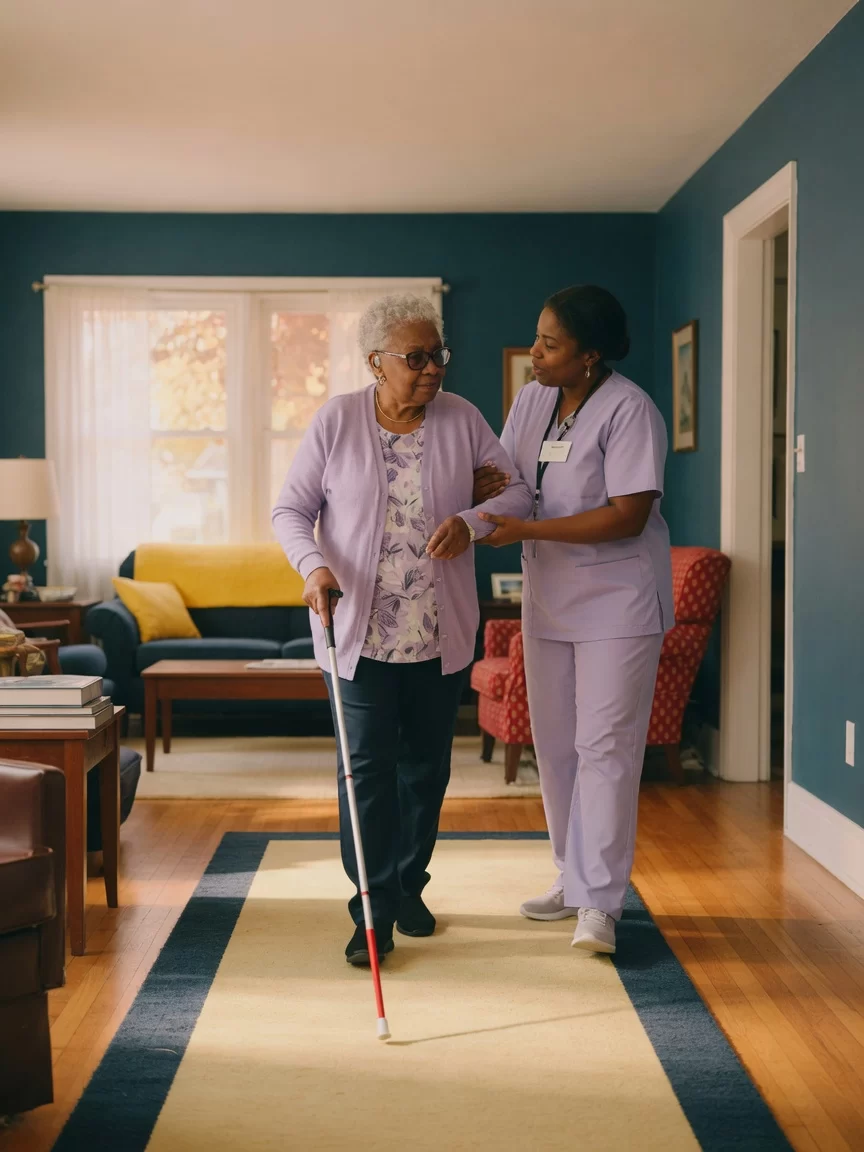
When a senior loved one begins to lose their sight, everyday tasks that once felt automatic can become overwhelming. Vision loss in older adults often brings feelings of frustration, isolation, and even fear. As a family caregiver, you want to help your parent or relative maintain their dignity and independence, but you may not know where to start. Home care services offer a compassionate, practical solution. With the right support, seniors with vision loss can continue living safely in their own homes, surrounded by familiar comforts. This guide will walk you through what vision loss means for seniors, how home care can help, and concrete steps you can take to create a supportive environment.
Understanding Vision Loss in Seniors
Vision loss is not a normal part of aging, but it becomes more common as people get older. Conditions like age-related macular degeneration, glaucoma, diabetic retinopathy, and cataracts can significantly impair sight. Some seniors experience partial vision loss, while others become legally blind. The impact goes beyond not being able to read or watch television. It affects mobility, safety, social interaction, and mental health. A senior who once walked confidently to the mailbox may now hesitate, afraid of tripping or missing a step. They may stop cooking because they cannot see the stove dials clearly. Family members often notice their loved one withdrawing from activities they once enjoyed.
It is important to understand that vision loss does not erase a person’s abilities or desires. Many seniors adapt remarkably well when given the right tools and encouragement. The key is to focus on what they can still do, rather than what they cannot. Home care professionals are trained to assess each individual’s remaining vision and functional strengths. They work with families to create a plan that maximizes independence while minimizing risk. By learning about the specific type and degree of vision loss, you can tailor your approach to your loved one’s unique needs.
The Role of Home Care for Seniors with Vision Loss
Home care agencies like Rockaway Home Care provide trained aides who can assist with activities of daily living while respecting the senior’s autonomy. For someone with vision loss, an aide may help with meal preparation, medication reminders, light housekeeping, and personal care. But the most valuable role a home health aide plays is that of a guide and companion. They help the senior navigate their home safely, accompany them on walks, and provide verbal cues to prevent falls. Aides also offer emotional support, listening to concerns and encouraging engagement in hobbies that do not rely heavily on sight, such as music, storytelling, or tactile crafts.
Beyond direct care, home care agencies can coordinate with occupational therapists and low-vision specialists. Many agencies offer services under the Consumer Directed Personal Assistance Program (CDPAP), which allows family members to become paid caregivers. This can be especially helpful when a senior feels most comfortable with a relative. However, even with a family caregiver, having a professional aide a few hours a week can give the family respite and bring fresh strategies for managing vision loss. The goal is to create a team that works together to keep the senior safe, engaged, and as independent as possible.
Creating a Safe and Accessible Home Environment
One of the most effective ways to support a senior with vision loss is to modify their home. Small changes can make a big difference. Start by improving lighting throughout the house. Use brighter bulbs, add task lighting near chairs and counters, and install night lights in hallways and bathrooms. Avoid glare from windows or shiny floors, which can be disorienting. Use contrasting colors to help the senior distinguish objects. For example, place a dark mat on a light floor at the entrance of a room, or use brightly colored tape on the edges of stairs. Label common items like salt and pepper shakers with large-print or tactile markers.
Declutter pathways and remove tripping hazards such as loose rugs, cords, and low furniture. Keep furniture in consistent positions so the senior can memorize the layout. Organize closets and drawers by category, and use baskets or bins with distinct textures. In the kitchen, arrange frequently used items in the same spot every time. Use a talking microwave or a liquid level indicator to prevent spills. For medication management, a pill organizer with large compartments and a timer can help. A home care aide can assist with these modifications and ensure they are maintained. Regular safety checks by a professional can prevent accidents before they happen.
Communication Strategies for Caregivers
Effective communication is essential when caring for a senior with vision loss. They may not see your facial expressions or body language, so your words carry extra weight. Always announce your presence when entering a room. Speak clearly and naturally, not louder than usual unless the person also has hearing loss. Use descriptive language to orient them. Instead of saying ‘Your coffee is over there,’ say ‘Your coffee is on the table to your right, about two feet from your hand.’ When guiding someone, offer your arm and let them hold it rather than grabbing theirs. Describe obstacles ahead, such as a step up or a door that opens outward.
It is also important to ask before offering help. Many seniors value their independence and may feel embarrassed when assistance is assumed. A simple question like ‘Would you like me to walk with you to the living room?’ respects their autonomy. When giving instructions, break tasks into small steps and allow extra time. Avoid finishing their sentences or rushing them. Patience and a calm tone build trust. Home care aides are trained in these communication techniques, and families can learn them too. Practicing together creates a more relaxed and supportive atmosphere for everyone.
Assisting with Daily Activities
Daily routines like eating, dressing, and bathing can become challenging with vision loss. Home care aides can help without taking over. For meals, describe what is on the plate using a clock face analogy: ‘Your chicken is at 6 o’clock, the green beans at 3 o’clock.’ Use plates with high rims to prevent food from sliding off. For dressing, lay out clothes in a consistent order and use color-coded tags or safety pins to help the senior match outfits. Encourage the senior to choose their own clothes; offer two options rather than an open closet. Aides can assist with buttons, zippers, and shoe laces while the senior does as much as they can.
Bathing requires extra caution. Install grab bars, a shower chair, and a handheld showerhead. Use non-slip mats inside and outside the tub. Aides can provide stand-by assistance or help with washing hard-to-reach areas, always preserving the senior’s dignity. For toileting, ensure the path is clear and the toilet seat contrasts with the floor. A night light in the bathroom is essential. Medication management is another critical area. Use a talking pill dispenser or a large-print weekly organizer. Aides can set up reminders and check that medications are taken correctly. The goal is to promote safety while allowing the senior to do as much as possible independently.
Supporting Emotional Well-Being
Vision loss often leads to feelings of grief, frustration, and social isolation. Seniors may stop attending community events or visiting friends because they feel self-conscious or anxious. Depression is common. Home care can address this by providing companionship and encouraging meaningful activities. Aides can read aloud, play audio books, listen to music, or help the senior tend to a tactile garden. They can facilitate phone or video calls with family members using large-button phones or voice-activated assistants. Simple pleasures like a hand massage, a walk in a familiar park, or baking with scented ingredients can lift spirits.
It is also important to connect the senior with low-vision support groups, either in person or online. Hearing others share similar experiences reduces isolation and provides practical tips. Some home care agencies can help arrange transportation to such groups. Families should also prioritize their own emotional health. Caring for a loved one with vision loss can be stressful. Respite care, where a professional aide takes over for a few hours, allows family caregivers to recharge. Remember that your loved one’s emotional well-being is closely tied to your own. By seeking support, you model resilience and ensure you can continue providing loving care.
Choosing the Right Home Care Agency
Not all home care agencies have experience with vision loss. When selecting a provider, ask specific questions. Do your aides receive training in low-vision care? Can they assist with orientation and mobility techniques? Are they familiar with adaptive equipment like talking thermometers or magnifiers? Look for an agency that offers a free in-home assessment to evaluate the senior’s needs and home environment. The agency should create a personalized care plan that includes safety modifications, daily routines, and communication strategies. A good agency will also coordinate with healthcare providers, such as ophthalmologists and occupational therapists.
Consider whether the agency offers the Consumer Directed Personal Assistance Program (CDPAP), which allows family members to become paid caregivers. This can be a great option if your loved one prefers a familiar face. However, even with CDPAP, having a professional aide for supervision and training can be beneficial. Check the agency’s reputation through online reviews and word of mouth. A trustworthy agency will be transparent about costs, scheduling, and caregiver qualifications. At Rockaway Home Care, we prioritize compassionate, skilled care that respects each senior’s individuality. We encourage families to meet with potential caregivers before services begin to ensure a good fit.
Frequently Asked Questions
How do I know if my loved one needs home care for vision loss?
Signs include difficulty navigating the home, missed medications, burns or cuts from cooking, poor hygiene, and withdrawal from social activities. If your loved one seems anxious, depressed, or frequently falls, it may be time to consider home care. A professional assessment can help determine the level of support needed.
Can home care help if my parent has both vision and hearing loss?
Yes, but it requires extra training and patience. Aides can use touch cues, written notes in large print, or simple sign language. The care plan should address both sensory losses. Some agencies have specialists in dual sensory loss. Communication may take longer, but with consistency, trust builds.
What is the difference between home care and home health care for vision loss?
Home care focuses on assistance with daily activities, companionship, and safety. Home health care provides medical services like nursing or physical therapy. For vision loss, both may be needed. A home health aide can help with exercises prescribed by a low-vision therapist, while a home care aide handles daily routines.
How can I make my home safer without spending a lot of money?
Many safety improvements are low-cost. Use high-contrast tape on stairs and edges. Remove clutter and secure rugs. Install night lights. Use large-print labels on important items. Reposition furniture to create clear pathways. A home care aide can help identify free or inexpensive solutions.
Will home care take away my loved one’s independence?
No, the goal is to preserve independence. Home care provides support so seniors can continue living at home safely. Aides encourage seniors to do as much as they can on their own. The focus is on empowerment, not dependency. Many seniors find they regain confidence with the right assistance.
Conclusion
Caring for a senior with vision loss is a journey that requires patience, creativity, and teamwork. You do not have to do it alone. Home care services can bridge the gap between your loved one’s abilities and the challenges they face. By creating a safe environment, using thoughtful communication, and seeking professional support, you can help your family member live with dignity and joy. Every small step you take makes a difference. If you are ready to explore how home care can support your loved one with vision loss, we invite you to reach out for a free consultation. Our team at Rockaway Home Care is here to listen, guide, and provide the compassionate care your family deserves.
This article provides general information and is not a substitute for professional medical advice. Always consult with your loved one’s healthcare provider for specific concerns related to vision loss and overall health.
More from the Rockaway Home Care blog
- Understanding Medicaid home care eligibility
- Top questions families ask about home care costs
- Choosing between live-in care and hourly home care
- How to create a home care plan for a loved one