
Home Care for Seniors with Arthritis: Daily Comfort Tips
Discover practical daily comfort tips for seniors with arthritis and how home care aides can help manage pain, maintain independence, and improve quality of life.
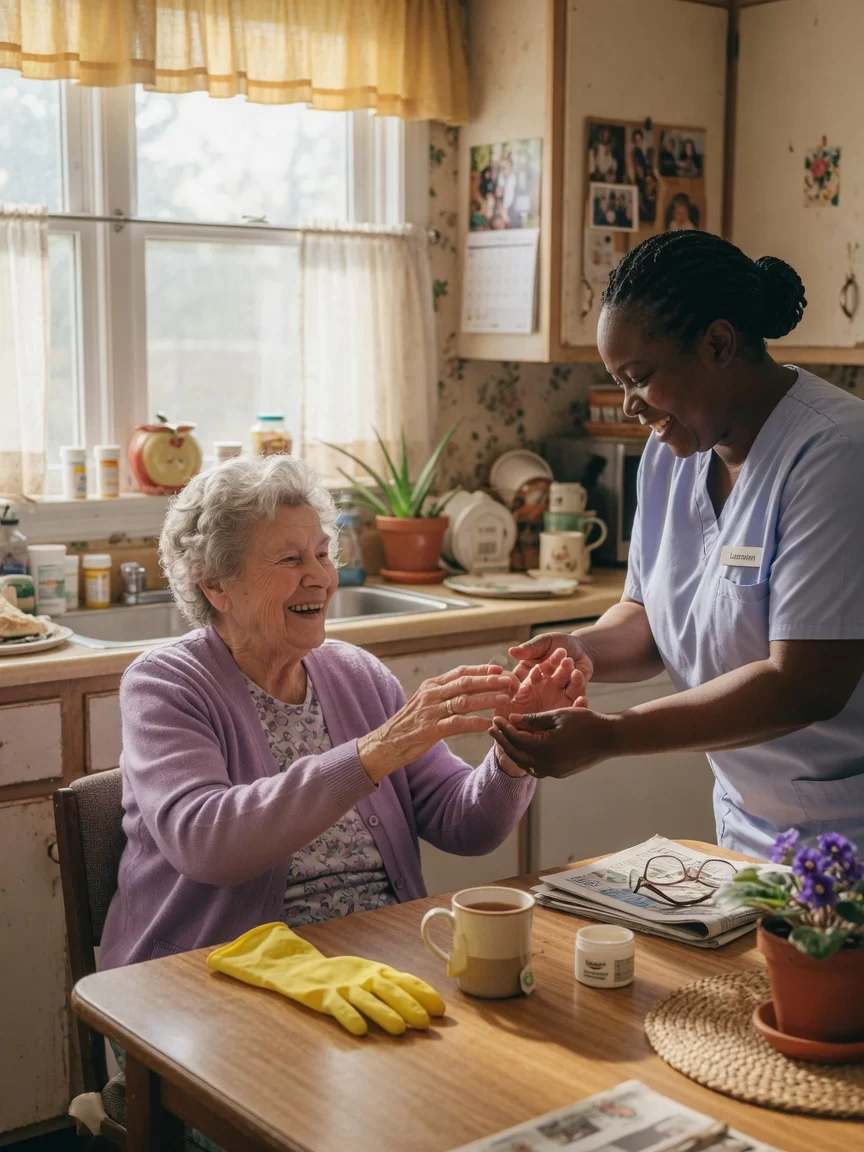
Waking up with stiff, aching joints is a reality for millions of older adults living with arthritis. For seniors, the pain and limited mobility can turn simple daily tasks into daunting challenges. Yet with the right support and practical strategies, it is possible to ease discomfort, maintain independence, and enjoy each day more fully. At Rockaway Home Care, we believe that compassionate, person-first care can make a meaningful difference. This guide offers concrete tips for creating a more comfortable daily life for seniors with arthritis, whether they live at home or with family.
Understanding Arthritis in Seniors
Arthritis is not a single disease but a term covering more than 100 conditions that affect joints and surrounding tissues. The two most common forms in older adults are osteoarthritis, caused by wear and tear on cartilage, and rheumatoid arthritis, an autoimmune disorder. Both can lead to chronic pain, stiffness, swelling, and reduced range of motion. Understanding the specific type of arthritis your loved one has is the first step toward effective management.
Pain patterns vary. Some seniors experience morning stiffness that lasts an hour or more, while others feel pain after activity or at night. Fatigue is also common, as the body works harder to compensate for joint discomfort. Recognizing these patterns helps caregivers plan the day around good and bad moments. For example, scheduling heavier tasks for times when pain is lowest can prevent unnecessary strain.
Creating a Comfortable Home Environment
Small changes around the house can dramatically reduce joint stress. Start by evaluating everyday objects. Replace round doorknobs with lever handles, which are easier to grip with arthritic hands. Install grab bars in the bathroom near the toilet and shower. A raised toilet seat can make sitting and standing less painful. In the kitchen, store frequently used items at waist level so bending and reaching are minimized.
Lighting matters too. Dim spaces can lead to falls or extra strain as seniors try to see. Bright, even lighting in hallways and task areas helps reduce accidents. Consider motion-sensor lights for nighttime trips to the bathroom. Also, think about seating. Chairs with firm cushions and armrests make it easier to stand up. Avoid low, soft sofas that require extra effort to rise from.
Ergonomic Tools for Daily Tasks
Simple assistive devices can restore independence. Jar openers, button hooks, long-handled reachers, and sock aids are inexpensive but transformative. Electric can openers and rocker knives reduce hand strain. A shower chair and handheld shower head allow bathing without standing. These tools let seniors do more on their own, which boosts confidence and dignity.
Gentle Exercise and Stretching
Movement might seem counterintuitive when joints hurt, but gentle exercise is one of the best ways to manage arthritis. It strengthens muscles around joints, improves flexibility, and reduces stiffness. The key is low-impact activity. Walking, swimming, water aerobics, and tai chi are excellent choices. Even 10 to 15 minutes a day can yield benefits.
Stretching is especially helpful in the morning. A home care aide can guide the senior through simple stretches while still in bed: gently pointing and flexing feet, rotating ankles, and slowly bending knees. Finger stretches, like making a fist then opening the hand wide, can ease hand stiffness. Always encourage slow, controlled movements. Stop if pain increases. Consistency matters more than intensity.
Many community centers offer senior-friendly exercise classes. For those who prefer home, online videos designed for arthritis are available. A home care aide can provide encouragement and ensure safety during exercise, preventing falls or overexertion.
Nutrition and Hydration for Joint Health
Diet plays a supporting role in arthritis management. Anti-inflammatory foods can help reduce pain and swelling. Encourage plenty of fruits and vegetables, especially berries, leafy greens, and broccoli. Omega-3 fatty acids found in salmon, walnuts, and flaxseed are known to lower inflammation. Whole grains like oatmeal and brown rice provide steady energy without blood sugar spikes.
Adequate hydration is often overlooked. Dehydration can worsen joint stiffness because cartilage relies on water to stay lubricated. Seniors may not feel thirsty, so set a routine: a glass of water with each meal and between meals. Herbal teas and water-rich foods like cucumbers and melons also help. Limit sugary drinks and excessive salt, which can promote inflammation.
Calcium and vitamin D are crucial for bone health. Dairy products, fortified plant milks, and leafy greens are good sources. If appetite is poor, a home care aide can prepare small, nutrient-dense meals and snacks. Eating smaller portions more frequently can be easier than three large meals.
Pain Management Without Overmedication
Medication is often necessary for arthritis, but non-drug approaches can reduce reliance on painkillers. Heat therapy is a wonderful tool. A warm bath in the morning can loosen stiff joints. Heating pads or warm towels applied to sore areas for 15 to 20 minutes provide relief. For acute inflammation, cold packs can numb pain and reduce swelling. Always wrap ice packs in a cloth to protect the skin.
Massage and gentle touch can ease muscle tension around painful joints. A caregiver or aide can give a simple hand or foot massage using lotion. Acupuncture and transcutaneous electrical nerve stimulation (TENS) units are options some seniors find helpful. Relaxation techniques like deep breathing, meditation, or listening to calming music can lower the perception of pain.
It is important to work with a doctor to create a pain management plan. Over-the-counter creams containing capsaicin or menthol may offer localized relief. Never exceed recommended doses of any medication. A home care aide can help track symptoms and remind the senior to take medications as prescribed.
The Role of Home Care Aides in Arthritis Management
Professional home care aides bring expertise and empathy to daily arthritis care. They are trained to assist with activities of daily living such as bathing, dressing, grooming, and toileting, all of which can be painful for someone with arthritis. An aide can modify techniques to reduce joint strain, such as using a long-handled sponge or helping with buttoning.
Beyond physical help, aides provide companionship and emotional support. Chronic pain can be isolating. Having a friendly, consistent presence who understands the challenges makes a huge difference. Aides can also encourage the senior to stay active, remind them to do stretches, and prepare meals that support joint health. They act as a bridge to the outside world, accompanying seniors on walks or to appointments.
Rockaway Home Care carefully matches aides to each client based on personality and needs. This personalized approach ensures that the senior feels comfortable and respected. Families gain peace of mind knowing their loved one is in capable, caring hands.
Daily Routine Tips for Morning and Evening
Mornings are often the hardest for seniors with arthritis. A slow, gentle start can set a positive tone. Keep a warm robe or blanket nearby to ease the transition from bed. Before standing, do a few minutes of stretching in bed. Have a warm drink like tea or coffee to help internal warmth. Allow extra time for dressing and grooming; rushing increases stress and pain.
Evenings should focus on relaxation and preparation for restful sleep. A warm bath with Epsom salts can soothe sore muscles and joints. Wear comfortable, loose-fitting pajamas that are easy to put on and remove. Use pillows to support painful joints during sleep: a pillow under the knees for back sleepers, or between the knees for side sleepers. Keep a glass of water and any needed medications on the nightstand.
Establishing a consistent daily rhythm helps the body know what to expect. A home care aide can help create a written schedule that includes time for medication, meals, exercise, rest, and enjoyable activities. Predictability reduces anxiety and can even lessen pain perception.
Emotional Support and Mental Well-Being
Living with chronic pain takes an emotional toll. Seniors with arthritis are at higher risk for depression and anxiety. It is essential to acknowledge these feelings and provide outlets for expression. Encourage talking about frustrations without judgment. Simple activities like looking at photo albums, listening to music, or doing a puzzle can lift spirits.
Social connection is vital. Isolation worsens pain perception. Help seniors stay in touch with friends and family through phone calls, video chats, or visits. If mobility is limited, consider adaptive hobbies like knitting, painting, or audiobooks. A home care aide can facilitate these activities and provide the encouragement needed to engage.
Mindfulness and gratitude practices can shift focus away from pain. Even a few minutes of deep breathing or writing down one good thing each day can improve outlook. Professional counseling or support groups for chronic pain are also valuable resources.
Frequently Asked Questions
What type of home care is best for a senior with arthritis?
Personal care services are ideal. A home health aide can assist with bathing, dressing, meal preparation, light housekeeping, and medication reminders. They also provide companionship and encourage gentle activity. For more complex medical needs, skilled nursing may be needed, but most arthritis management is well-supported by personal care.
Can a home care aide help with exercises?
Yes, aides can guide seniors through simple, safe exercises and stretches as recommended by a doctor or physical therapist. They ensure the senior moves slowly and stops if pain increases. However, aides are not physical therapists; they support the plan, not design it.
How do I make the bathroom safer for someone with arthritis?
Install grab bars near the toilet and in the shower. Use a non-slip bath mat. A shower chair and handheld shower head allow seated bathing. A raised toilet seat reduces strain on knees and hips. Keep toiletries within easy reach to avoid stretching.
What foods should be avoided for arthritis?
Processed foods high in sugar, refined carbs, and unhealthy fats can increase inflammation. Limit fried foods, sugary snacks, white bread, and soda. Some people find that nightshade vegetables like tomatoes and peppers worsen symptoms, but this varies. Keeping a food diary can help identify personal triggers.
Is it okay to use heat or ice on arthritic joints?
Yes. Heat is best for chronic stiffness and muscle tension, especially in the morning. Use a warm towel, heating pad, or warm bath for 15-20 minutes. Ice is better for acute swelling or after activity. Always wrap ice in a cloth to prevent frostbite. Alternate heat and ice if both symptoms are present.
Living with arthritis is a daily journey, but you do not have to walk it alone. With thoughtful adjustments, gentle routines, and the support of a dedicated home care aide, seniors can find comfort and maintain their independence. At Rockaway Home Care, we are here to listen, understand, and create a care plan that fits your family. Reach out today for a free consultation and let us help your loved one live more comfortably at home.
This information is for general educational purposes only and does not substitute for professional medical advice. Always consult a healthcare provider for personalized guidance.
More from the Rockaway Home Care blog
- Understanding Medicaid home care eligibility
- Top questions families ask about home care costs
- Choosing between live-in care and hourly home care
- How to create a home care plan for a loved one