
Home Health Aide vs Personal Care Aide: What's the Difference?
Choosing between a home health aide and a personal care aide can be confusing. This guide explains their distinct roles, training, and services to help you make an informed decision.
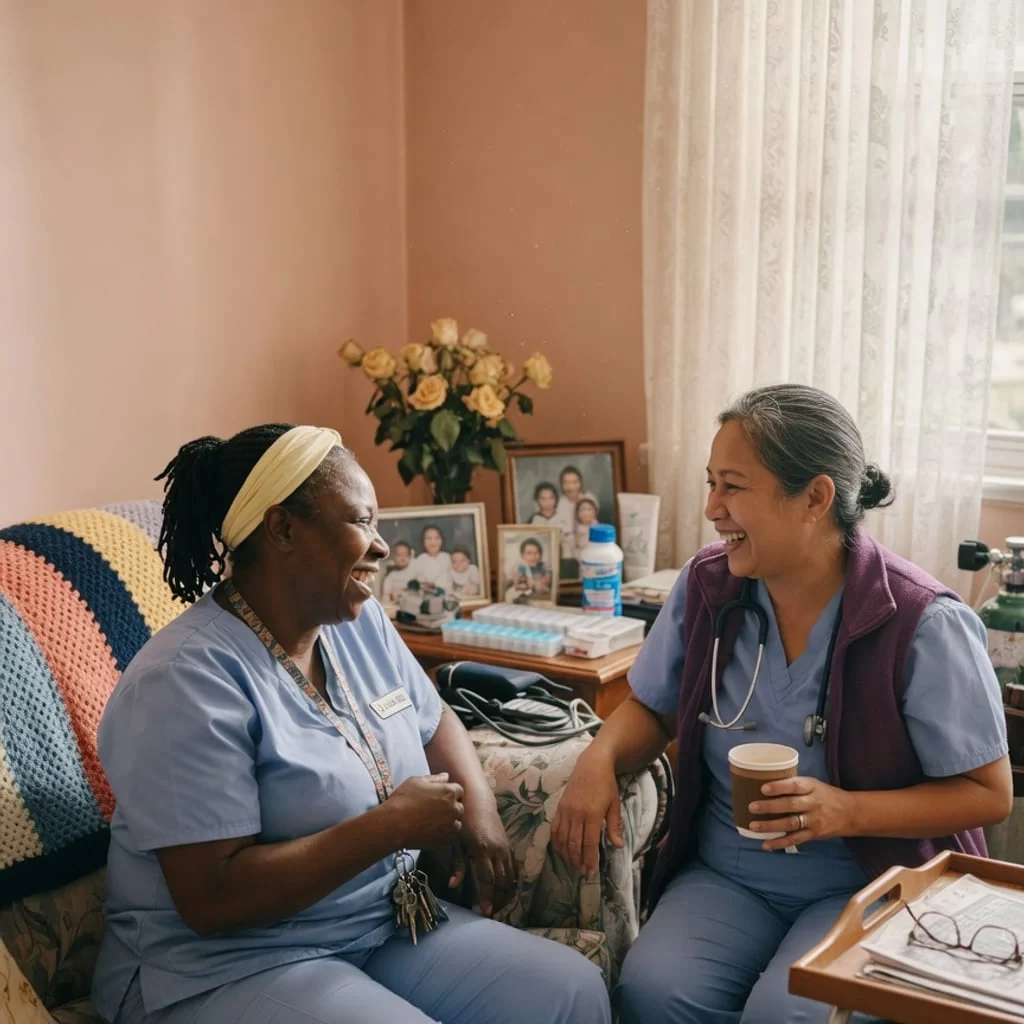
When your aging loved one begins to need extra support at home, the alphabet soup of caregiving titles can feel overwhelming. You hear terms like home health aide, personal care aide, homemaker, companion, and certified nursing assistant, and you may wonder: what really sets them apart? More importantly, which one is right for your family? At Rockaway Home Care, we understand that these decisions are deeply personal. This article will clarify the key differences between a home health aide (HHA) and a personal care aide (PCA) in New York, so you can feel confident in choosing the care that best meets your loved one’s needs.
Understanding the Basics: Definitions at a Glance
Both home health aides and personal care aides provide essential in-home support, but their training, scope of practice, and settings differ. In New York State, home health aides are certified through a state-approved training program and can perform certain health-related tasks under the supervision of a nurse. Personal care aides, on the other hand, focus on non-medical daily living activities, such as bathing, dressing, meal preparation, and light housekeeping.
Think of a PCA as the person who helps maintain your loved one’s daily routine and environment, while an HHA is trained to monitor health conditions and assist with more clinical tasks like taking vital signs or reminding about medications. Both roles are vital, and many families choose to combine services to create a comprehensive care plan. Understanding these distinctions is the first step toward finding the perfect fit.
It’s also important to note that the terminology can vary by state. In New York, the licensing and training requirements are quite specific, and agencies like Rockaway Home Care ensure that every aide meets those standards. Always ask about certifications and supervision when interviewing home care agencies.
Training and Certification: What Each Aide Must Know
Home health aides in New York must complete at least 75 hours of approved training through a program that includes both classroom instruction and hands-on clinical practice. They must also pass a competency exam and are listed on the New York State Home Health Aide Registry. Their training covers infection control, vital signs measurement, range-of-motion exercises, nutrition, emergency procedures, and communication with clients and their families. HHAs also receive ongoing education and must renew their certification every two years.
Personal care aides do not have a statewide mandatory training requirement in New York, but many agencies, including Rockaway Home Care, provide comprehensive training that covers personal care tasks like bathing assistance, dressing, transfer techniques, meal preparation, and household management. Some PCAs complete a 40-hour training program, but the depth and oversight are generally less than for HHAs. Because PCAs do not provide medical care, their training focuses on safety, dignity, and supporting independence.
This difference means that when a loved one has a chronic illness requiring medication reminders, wound care, or monitoring of blood pressure, a home health aide is the safer choice. For someone who simply needs help with daily errands, grooming, and companionship, a personal care aide may be perfectly adequate. Always verify the training background of any aide through the agency to ensure they have the skills your family member requires.
Scope of Services: What Each Aide Can Do for You
A home health aide can perform both personal care and limited health-related tasks. For example, an HHA can check a pulse or blood pressure, assist with exercises prescribed by a physical therapist, remind a client to take medications (though they cannot administer them in most cases), and observe changes in condition to report to a supervising nurse. They can also help with bathing, toileting, grooming, and feeding, as well as light housekeeping and meal preparation. However, HHAs cannot perform invasive procedures like giving injections or changing sterile dressings.
A personal care aide focuses on the activities of daily living that help someone maintain a safe and comfortable home. Typical PCA duties include helping a person get in and out of bed, dressing, bathing, cooking nutritious meals, doing laundry, grocery shopping, and providing companionship. PCAs are not trained to monitor health parameters or handle any medical equipment. For families who need relief from everyday chores and basic personal assistance, a PCA offers a cost-effective and caring solution.
It is not uncommon for a client to have both an HHA and a PCA, especially if the care plan requires split shifts or specialized oversight. An HHA might handle mornings when medication and health monitoring are critical, while a PCA provides evening support for dinner and bedtime routines. When you work with a trusted agency like Rockaway Home Care, the care team will recommend the optimal combination based on a thorough assessment of your loved one’s condition and preferences.
Medical vs. Non-Medical Care: Finding the Right Support Level
The most critical distinction between HHAs and PCAs is the medical nature of their work. Home health aides are considered part of a medical home care plan, often ordered by a physician and supervised by a registered nurse. They operate under a plan of care, and their services may be covered by Medicare, Medicaid, or private insurance under specific conditions. For example, a patient recovering from a hip replacement might need an HHA to monitor the surgical site for signs of infection, assist with prescribed exercises, and ensure safety during transfers.
Personal care aides deliver non-medical services. They are ideal for seniors who are generally stable but need help with the physical tasks of daily living due to frailty, arthritis, or mild cognitive decline. A PCA cannot diagnose, treat, or evaluate any medical condition. Their role is to preserve quality of life and prevent the need for institutional care. For an aging parent who just needs a hand with cooking and a kind companion to talk to, a PCA is often a wonderful and sufficient resource.
As a family member, you’ll want to consider your loved one’s medical status honestly. If they have conditions like diabetes, heart disease, or recent surgery, an HHA brings an extra layer of security. If medical issues are managed and the primary need is daily living support, a PCA can provide compassionate assistance without the higher cost associated with certified health training. Many families start with one and transition to the other as needs evolve.
Choosing Based on Your Loved One’s Needs
There is no one-size-fits-all answer. The right choice depends on a carefully assessed set of factors, including your loved one’s current health, the stability of their condition, the level of family support, and their personal preferences. Start by asking: Does my parent have a chronic condition that requires regular monitoring? Do they take multiple medications? Are they at risk of falling? If yes, consider a home health aide or a blended plan.
If your loved one is generally healthy but struggles with mobility, cooking, or maintaining a tidy home, a personal care aide can restore a sense of normalcy and independence. Also consider the emotional aspect: a consistent PCA who visits daily can become a cherished companion, while a long-term HHA may provide added peace of mind for family members who live far away.
When meeting with a home care agency, be prepared to share a detailed history, including diagnoses, medications, and daily routines. An experienced agency like Rockaway Home Care will conduct a comprehensive in-home assessment to match the right caregiver with your family. They can also help you navigate the specific regulations and available programs in New York, such as the Consumer Directed Personal Assistance Program (CDPAP), which gives families more control over their care workers.
Cost and Insurance Coverage in New York
Cost is understandably a top consideration. Typically, home health aides command a higher hourly rate than personal care aides because of their advanced training and certification. In New York City and Long Island, rates can vary widely depending on the agency and the level of care. But do not choose solely on price: an HHA may be the more expensive option, but if your loved one needs medical monitoring, it can prevent costly hospital readmissions.
Insurance coverage also differs. Medicare may cover home health aide services only if they are part of a skilled nursing or therapy plan for a limited time (often after hospitalization or surgery). Medicaid in New York often covers both HHA and PCA services under long-term care programs, but eligibility rules are complex. Private insurance policies, including those from long-term care insurance, may have specific requirements. Additionally, New York’s CDPAP program allows family members or friends to be hired and paid as caregivers, which can reduce costs while increasing trust.
We recommend asking your insurance provider or the agency’s financial counselor for a clear picture of what is covered. Many families find that a combination of Medicare, Medicaid, private insurance, and out-of-pocket funds can create a sustainable care plan. Rockaway Home Care’s team is experienced in helping families understand these options and can refer you to appropriate resources.
Frequently Asked Questions
Can a home health aide administer medications?
No, home health aides in New York are not licensed to administer medications. They can remind a client to take their pills or set up a pill organizer under the supervision of a nurse, but they cannot inject, dispense, or open medication containers for the client. If medication administration is needed, a licensed nurse must be involved.
Can a personal care aide help with mobility and transfers?
Yes, PCAs are trained to assist with getting in and out of bed, using a walker, and transferring from a wheelchair to a chair, as long as the client is stable and the techniques used are safe. However, if the client requires a mechanical lift or has complex mobility needs, a home health aide with more extensive training may be more suitable.
Are home health aides covered by Medicare?
Medicare Part A or Part B may cover home health aide services only when they are provided as part of a Medicare-certified home health plan that includes skilled nursing or therapy. The aide must work under the supervision of a nurse or therapist, and coverage is typically short-term and episodic.
What is the difference between a personal care aide and a companion or homemaker?
Personal care aides can provide hands-on help with bathing, dressing, toileting, and other personal tasks, whereas a companion or homemaker focuses solely on non-physical activities like conversation, reading, light housekeeping, and meal preparation. A PCA has more responsibility for physical assistance, and some companions explicitly do not provide personal care.
How do I find a qualified home health aide or personal care aide in New York?
Start by researching licensed home care agencies that serve your area, such as Rockaway Home Care. Ensure the agency verifies credentials, provides training, and conducts background checks. Ask about the ratio of supervisors to aides and how complaints are handled. A reputable agency will also match caregivers based on personality and language preferences to foster a strong, comfortable relationship.
Every family’s journey is unique, and the decision between a home health aide and a personal care aide is deeply personal. At Rockaway Home Care, we are here to listen, guide, and support you every step of the way. We invite you to reach out for a free, no-obligation consultation to discuss your loved one’s needs and explore the care options that can bring peace of mind to your entire family.
This article is for general informational purposes only and does not constitute medical advice. Always consult a qualified healthcare professional to determine the appropriate level of care for your specific situation.
More from the Rockaway Home Care blog
- Understanding Medicaid home care eligibility
- Top questions families ask about home care costs
- Choosing between live-in care and hourly home care
- How to create a home care plan for a loved one