
How In-Home Care Helps Seniors Avoid Nursing Home Placement
Discover how in-home care services help seniors maintain their independence and avoid nursing home placement through personalized support, safety adaptations, and family respite.
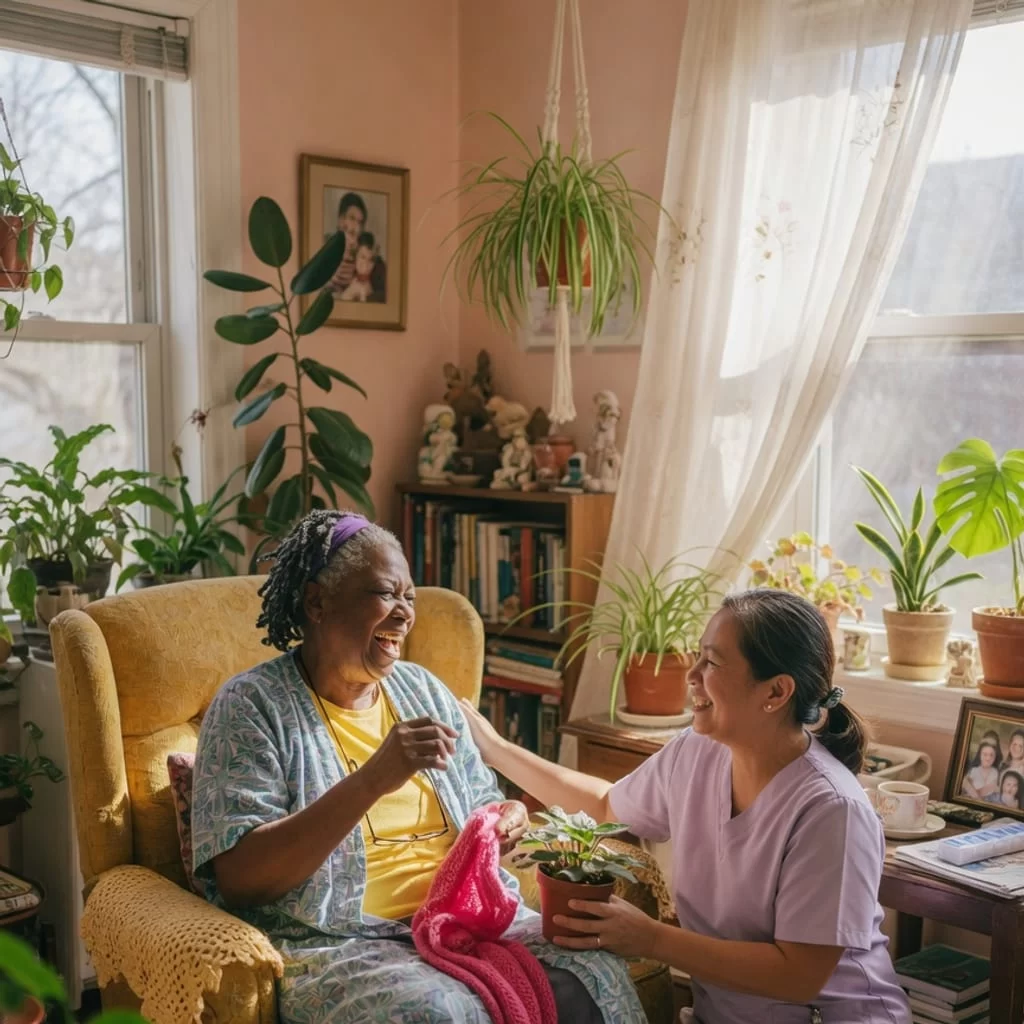
For many families, the idea of placing an aging loved one in a nursing home brings a mix of relief, guilt, and sadness. Yet the desire for seniors to remain in their own homes, surrounded by memories and community, is one of the strongest emotional drivers in caregiving decisions. In-home care offers a powerful alternative, providing the support needed to age in place safely and with dignity. By understanding what in-home care can do, families can often avoid or delay nursing home placement while honoring their loved one’s wish for independence.
The Emotional and Financial Toll of Nursing Home Placement
Nursing home placement is often seen as a last resort, and for good reason. The emotional impact on both the senior and their family can be profound. Seniors may feel a loss of control, isolation from familiar surroundings, and a diminished sense of purpose. Family members often struggle with guilt and the stress of visiting frequently. Beyond emotions, the financial cost of nursing home care is substantial, with private rooms costing tens of thousands of dollars each year in New York. In-home care, by contrast, can be tailored to fit a budget and often costs significantly less, especially when only part-time help is needed.
For example, consider Mrs. Chen, an 82-year-old widow living in Queens. Her daughter feared she was no longer safe alone after a fall left Mrs. Chen with a hip injury. A nursing home seemed the only option until they explored in-home care. With a home health aide visiting four hours a day to help with bathing, meal preparation, and light housekeeping, Mrs. Chen remained in her apartment, and her daughter’s worry eased. The monthly cost was less than half of a nursing home, and Mrs. Chen’s spirits stayed high.
This example illustrates a key point: many families assume nursing home placement is inevitable when a senior’s needs increase. But in-home care can meet those needs while preserving the senior’s autonomy and reducing financial strain. It is not an all-or-nothing choice; care can start small and grow as needs change, making it a flexible and often more affordable option.
How In-Home Care Preserves Independence and Dignity
At the heart of in-home care is the commitment to supporting a senior’s independence. This is achieved not by taking over tasks, but by assisting only where needed. For instance, a home health aide may help with showering or dressing while the senior continues to manage their own breakfast and daily routines. This approach respects the senior’s capabilities and fosters a sense of self-worth.
Independence also means making choices about daily life. Seniors in their own home can choose when to wake up, what to eat, and how to spend their time. In a nursing home, these choices are limited by institutional schedules and routines. In-home care workers adapt to the senior’s rhythm, providing support that fits into their lifestyle rather than the other way around. This personalized attention helps seniors maintain not only their daily habits but also their identity.
Moreover, dignity extends to privacy. A nursing home often involves sharing a room or bathroom, while in-home care allows seniors to remain in their private home. They can host family visits in their own living room, keep their cherished belongings, and enjoy familiar surroundings. The simple act of staying in one’s own home can boost a senior’s mental health and reduce feelings of depression and anxiety, which are common precursors to nursing home placement.
Practical Ways In-Home Care Supports Independence
- Assistance with activities of daily living (ADLs) such as bathing, dressing, and toileting, provided with respect for the senior’s preferences.
- Medication reminders that help seniors manage their own health without feeling monitored.
- Light housekeeping and meal preparation that reduce injury risks and ensure proper nutrition.
- Companionship and conversation that combat loneliness, a major risk factor for decline.
The Range of Services: From Personal Care to Companionship
One common misconception is that in-home care is only for seniors who need medical support. In reality, home care encompasses a broad spectrum of services designed to address both physical and emotional needs. Personal care includes help with bathing, grooming, toileting, and mobility. Many seniors initially require only companion care, which involves friendly visits, help with errands, and light household tasks. This type of assistance can be enough to prevent a minor decline from triggering a move to a nursing home.
For example, Mr. Rodriguez, a 78-year-old with mild dementia, often forgot to eat and wandered outside in his pajamas. His family worried constantly. Through a CDPAP (Consumer Directed Personal Assistance Program) arrangement, Mr. Rodriguez’s own grandson became his paid caregiver, helping him with meals, reminding him to dress appropriately, and taking him for walks. This kept Mr. Rodriguez safe and engaged, avoiding a nursing home entirely. The flexibility of in-home care allowed for a creative, family-centered solution.
In addition to personal and companion care, many agencies offer skilled nursing services, physical therapy, and occupational therapy in the home. These services can help seniors recover from illness or injury, regain strength, and adapt their living space to prevent falls. By addressing health needs proactively, in-home care can reduce hospital readmissions and the cascade of decline that often leads to institutionalization. The key is to assess the senior’s specific challenges and match them with the right mix of services.
The Role of Family: Respite and Shared Caregiving
Family caregivers are the backbone of in-home care, but they can burn out without support. In-home care provides respite, allowing family members to rest, work, and tend to their own health. When a professional aide takes over for a few hours a day or a few days a week, family caregivers can continue their role without resentment or exhaustion. This sustainable caregiving model often prevents the crisis that leads to nursing home placement.
Consider the story of the Patel family. They cared for their mother around the clock, but the strain caused arguments between siblings and affected their jobs. They brought in a home health aide for two afternoons each week. This small change gave them time to recharge, and they could continue caring for their mother at home for years longer than they thought possible. The aide also provided professional observation, noticing early signs of a urinary tract infection that might have gone unnoticed and led to a hospital stay.
In-home care also empowers families to be more involved in care decisions. Through programs like CDPAP, families can hire relatives as caregivers, which keeps care within the family while still being paid and supported by an agency. This model is especially popular in New York, where many families use it to keep their loved one at home. The combination of professional backup and family involvement creates a robust support network that can handle complex needs while preserving the senior’s home life.
Creating a Safe Home Environment
Safety concerns are often the primary reason families consider nursing home placement. Falls, fires, medication errors, and wandering are real risks. In-home care directly addresses these dangers through assessment and adaptation. A home care professional can conduct a safety walkthrough, identifying hazards such as loose rugs, poor lighting, and clutter. They can recommend simple modifications like grab bars in the bathroom, a shower chair, or a bed rail.
Beyond physical modifications, in-home care aides provide supervision and assistance. For seniors with cognitive decline, constant presence can prevent wandering and accidents. Aides can also monitor vital signs, ensure medications are taken correctly, and prepare nutritious meals. This proactive approach reduces the likelihood of emergencies that would otherwise force a move to a nursing home. For example, a senior with diabetes who forgets to eat or take insulin is at risk for severe hypoglycemia. An aide ensures regular meals and medication timing, keeping the senior stable at home.
Technology also plays a growing role. Medical alert systems, automatic pill dispensers, and video doorbells can be integrated with in-home care. Aides can help seniors use these tools, while also providing a human touch that technology cannot replace. By combining environmental safety with attentive assistance, in-home care creates a protective bubble around the senior, making nursing home placement unnecessary in many cases.
Making the Decision: When Is In-Home Care Enough?
It is important to recognize that in-home care is not always a permanent alternative to nursing home placement. Some medical conditions require round-the-clock skilled nursing or specialized equipment that cannot be provided at home. However, many families are surprised by how much can be accomplished with home care. A good rule of thumb is to assess the senior’s needs honestly, involving their doctor and possibly a geriatric care manager.
Start by listing the senior’s daily challenges: bathing, dressing, feeding, mobility, toileting, medication management, and safety awareness. Then consider how many hours of help are needed. If the senior needs help with several activities throughout the day and night, 24/7 home care might be necessary, which can be expensive. But many seniors only need a few hours of support to stay safe, with family covering the rest. If care needs exceed what can be provided safely at home, then a higher level of care like assisted living or nursing home may be needed. However, with proper planning, in-home care can often be stretched to meet high needs through services like live-in aides or shift care.
Another factor is the senior’s cognitive status. Those with advanced dementia who wander or become aggressive may require a secure facility. But for mild to moderate dementia, in-home care with specially trained aides can be highly effective. The key is to reassess regularly, as needs change. In-home care is flexible; it can be increased or decreased as the senior’s condition evolves. This adaptability makes it a viable option for many stages of aging.
Questions to Ask When Evaluating In-Home Care vs. Nursing Home
- What specific tasks does the senior need help with?
- How many hours of assistance are needed per day or week?
- Does the senior have a family caregiver who can share the load?
- Are there safety hazards in the home that can be fixed?
- What is the budget for care? In-home care can often be more affordable than a nursing home.
Starting Your In-Home Care Journey: A Step-by-Step Guide
If you are considering in-home care to help your loved one avoid nursing home placement, the process can feel overwhelming. But with a clear plan, you can find the right support. First, have an open conversation with your loved one and other family members. Discuss the goal of staying at home and what types of help would be acceptable. Many seniors are more open to help if they see it as enabling independence rather than taking it away.
Next, contact a reputable home care agency like Rockaway Home Care for a free consultation. An agency can evaluate the home, assess the senior’s needs, and recommend a care plan. They can explain the different funding options, including private pay, long-term care insurance, Medicaid, and programs like CDPAP. In New York, the Medicaid waiver programs such as the NHTD (Nursing Home Transition and Diversion) waiver can provide substantial support to keep seniors at home. An experienced agency can guide you through these options.
Finally, start with a trial period. Begin with a few hours of care per week to see how everyone adjusts. The senior may resist initially, but many come to appreciate the companionship and assistance. Gradually increase hours as needed. Keep communicating with the agency and the caregiver to ensure the match is good. With patience and proactive planning, in-home care can become a sustainable solution that allows your loved one to age in place with dignity, safety, and joy.
Frequently Asked Questions
How much does in-home care cost compared to a nursing home?
In-home care is often more affordable than nursing home placement, especially when only part-time help is needed. In New York, the average cost of a home health aide is less than half the cost of a nursing home private room. Financial assistance through Medicaid, long-term care insurance, and programs like CDPAP can further reduce out-of-pocket expenses.
Can in-home care handle medical needs like wound care or insulin shots?
Yes, many home care agencies employ licensed nurses who can provide skilled services such as wound care, insulin administration, and medication management. However, most personal care is provided by home health aides, who are trained to assist with daily living tasks but not complex medical procedures unless under a nurse’s supervision. It’s important to discuss medical needs with your agency.
What if the senior refuses help from a home health aide?
This is a common challenge. Start by involving the senior in selecting the caregiver and scheduling visits. Emphasize that the aide is there to help them stay independent. Sometimes a trial period with a companion-only approach can build trust. If refusal persists, a geriatric care manager or counselor can help resolve underlying fears or cognitive issues.
Is in-home care covered by Medicare or Medicaid?
Medicare generally does not cover long-term in-home care, but it may cover short-term skilled nursing or therapy after a hospital stay. Medicaid, especially through Home and Community Based Services (HCBS) waivers in New York, can cover extensive in-home care for eligible seniors. The CDPAP program also allows family members to be paid caregivers. Consult an agency or elder law attorney to explore eligibility.
Can in-home care prevent falls and hospitalizations?
Yes. In-home care reduces fall risk by providing assistance with mobility, clearing clutter, and installing safety equipment. Aides also monitor for changes in health and can call for help early, preventing crises that lead to emergency room visits. Many families find that with in-home care, their loved one experiences fewer hospitalizations and stays healthier overall.
If you are exploring ways to help your loved one stay at home and avoid nursing home placement, Rockaway Home Care is here to help. Our compassionate team offers free consultations to understand your unique situation and create a personalized care plan. Reach out today to learn more about how we can support your family on this journey.
This information is for general educational purposes only and does not constitute medical advice. Always consult a healthcare professional for personal medical concerns.
More from the Rockaway Home Care blog
- Understanding Medicaid home care eligibility
- Top questions families ask about home care costs
- Choosing between live-in care and hourly home care
- How to create a home care plan for a loved one