
Managing Caregiver Guilt: When You Feel You're Not Doing Enough
Feeling like you're not doing enough as a caregiver? Discover effective ways to manage caregiver guilt and take care of yourself while caring for your loved one.
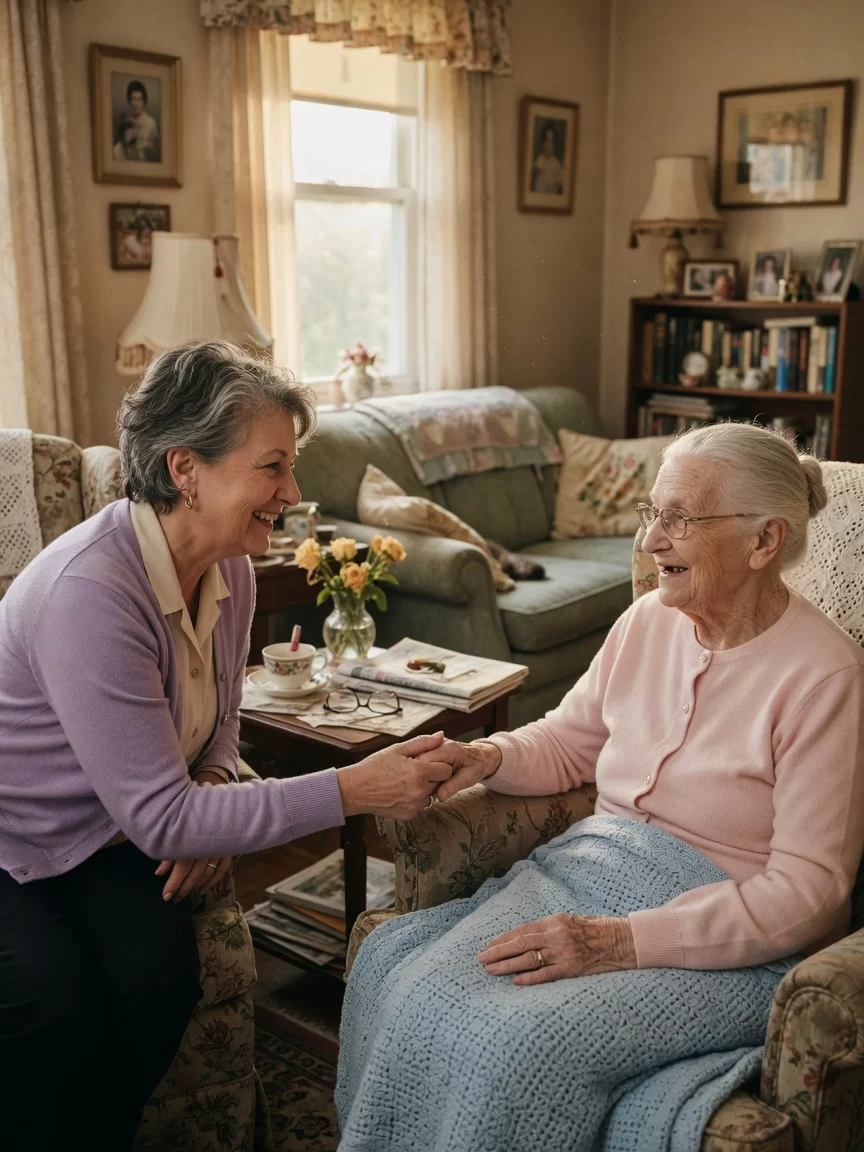
Caring for an aging parent or loved one is one of the most selfless acts of love. Yet many caregivers struggle with a persistent, painful feeling that they are not doing enough. This is caregiver guilt. It can creep in during quiet moments or crash over you like a wave when you take a breath for yourself. You may find yourself thinking, ‘I should be there more,’ ‘I could have done that better,’ or ‘Other people manage without help.’ These thoughts are common, but they do not reflect the truth of your dedication. In this article, we will explore why caregiver guilt happens, how it affects your health, and most importantly, what you can do to manage it. You are not alone, and you are doing more than you realize.
Understanding Caregiver Guilt and Why It Happens
Caregiver guilt often stems from the unrealistic expectations we place on ourselves. When you take on the role of caring for a parent or spouse, you may feel an internal pressure to be perfect. You might believe that because you love this person, you should be able to handle everything without complaint. But caregiving is not a solo act of superhuman strength. It is a demanding, round-the-clock responsibility that involves tasks ranging from medication management to emotional support. The sheer volume of work can make anyone feel inadequate.
Psychologists describe caregiver guilt as a form of emotional distress that arises when you perceive a gap between what you think you should do and what you actually do. This gap is widened by cultural messages that glorify self-sacrifice. Many families in New York, where life moves fast and distances can be long, face additional strain. You may live far from your loved one or have your own children to care for. When you cannot be present every moment, guilt settles in. But this guilt does not measure your love. It measures your humanity.
Another key factor is the lack of visible progress. Unlike a job where you can check off tasks, caregiving often involves repetition and slow change. You might bathe your mother every day but still feel she is not clean enough. You might cook meals but worry they lacked nutrition. These worries are normal, but they can spiral into chronic guilt if not addressed. Recognizing that guilt is not your fault is the first step toward managing it.
Common Triggers of Caregiver Guilt
Caregiver guilt shows up in specific situations that many family caregivers recognize. One common trigger is taking time for yourself. If you go out for dinner with friends or spend an hour reading a book, you may feel a sharp pang of guilt. You think, ‘I should be with Mom,’ even if she is safe with another family member or a paid aide. Another trigger is feeling relief when your loved one is resting or asleep. You may secretly enjoy the quiet, then immediately feel guilty for not using that time to do more.
Comparing yourself to other caregivers is another powerful trigger. Social media or conversations with relatives can make it seem like others are handling everything effortlessly. You hear about a cousin who visits every day or a neighbor who cooks homemade meals from scratch. These comparisons ignore the fact that every caregiving situation is unique. Your loved one may have different needs, and you have different strengths and limits. What works for someone else may not work for you, and that is okay.
Not being able to provide medical care is also a common source of guilt. If your parent has complex needs like wound care or managing multiple prescriptions, you may feel you should know everything. But you are not a nurse. Feeling unsure or needing to ask for help with medical tasks is not a failure. It is a sign of responsible caregiving. Similarly, when a loved one expresses frustration or sadness, you might blame yourself. Remember that their emotions are not caused by you. Illness and aging bring their own struggles, and your presence is a comfort, not a source of distress.
The Physical and Emotional Toll of Unmanaged Guilt
Carrying guilt day after day takes a serious toll on your body and mind. Chronic guilt keeps your stress response activated, flooding your system with cortisol. Over time, this can lead to sleep problems, headaches, high blood pressure, and a weakened immune system. You may find yourself getting sick more often or feeling exhausted even after a full night’s rest. The emotional weight of guilt can also lead to anxiety and depression. You might withdraw from friends and hobbies, feeling that you do not deserve pleasure or rest.
Caregiver guilt can also damage your relationship with the person you are caring for. When you are consumed by guilt, you may become irritable or overly critical of yourself. This can make interactions tense. Your loved one may sense your stress and feel guilty in return, creating a cycle of negative emotions. The very act of caring, meant to be an expression of love, can become a source of mutual pain. This is why addressing guilt is not selfish. It is essential for the well-being of both you and your loved one.
Many caregivers also experience what is known as compassion fatigue, a state where emotional exhaustion reduces your ability to empathize. You may find yourself feeling numb or resentful. These feelings are frightening, but they are normal responses to prolonged stress. They do not mean you are a bad person. They mean you need support and rest. Understanding that guilt is a symptom of the caregiving role can help you pause and seek strategies to lighten your load.
Practical Strategies to Ease Caregiver Guilt
The good news is that caregiver guilt can be managed with intentional steps. Start by acknowledging your feelings without judgment. Instead of pushing guilt away, allow yourself to name it. Say to yourself, ‘I feel guilty right now because I am taking a break.’ This simple act of recognition can reduce the power of the feeling. Then, remind yourself of the facts: you are doing your best, and your loved one is safe. Write down three things you did well today, even small ones like making them smile or keeping a doctor’s appointment.
Set realistic expectations. Make a list of your caregiving tasks and prioritize them. Not everything can be a top priority. Accept that some days you will only get the basics done, and that is enough. Use the 80/20 rule: focus on the 20% of tasks that produce 80% of the benefit for your loved one’s health and happiness. Let go of the rest. For example, if your parent eats a simple meal instead of a gourmet dish, that is fine. The goal is nourishment, not perfection.
Practice mindful self-compassion. When the guilty voice speaks, respond as you would to a dear friend. If your friend said, ‘I feel guilty for taking a shower,’ you would not scold them. You would say, ‘Of course you need to take care of yourself.’ Treat yourself with the same kindness. You can use a short mantra: ‘I am human. I am doing enough. I deserve care too.’ Repeat it several times a day, especially before stressful moments like visiting the doctor or making a difficult decision.
Keep a guilt journal. Write down each instance of guilt and what triggered it. After a week, look for patterns. You may notice that guilt spikes after phone calls with a sibling or after comparing yourself on social media. Awareness allows you to address the source. For example, you might decide to limit social media or have a gentle conversation with the sibling about sharing responsibilities. Journaling also helps you see how many things you actually do, countering the feeling of inadequacy.
Setting Boundaries Without Feeling Selfish
One of the hardest parts of caregiving is learning to say no. You may be asked to do more than you can handle by family members or even by your loved one. Setting boundaries feels selfish, but in truth it is essential to sustainable care. Boundaries protect your energy so you can continue providing care over the long term. Without them, you risk burnout, which helps no one.
Start by identifying your limits. Ask yourself: how much time can I realistically give each week? What tasks drain me the most? Who can I delegate to? Communicate your boundaries clearly and calmly. For instance, you might tell a sibling, ‘I can handle Monday and Wednesday visits, but I need you to cover Thursday and Friday.’ If they resist, remember that you are not responsible for their reactions. You are responsible for your health and your ability to care.
Use the three-step boundary script: First, state the limit: ‘I cannot stay longer today.’ Second, offer an alternative: ‘But I can call tomorrow morning to check in.’ Third, hold firm without over-explaining: ‘I know this is hard, but this is what I can do.’ Avoid lengthy apologies. A simple ‘I wish I could do more, but this is what works for me’ is sufficient. Over time, others will adjust to your boundaries, and you will feel less resentment.
Also set boundaries with your loved one. If they ask for something unreasonable or become demanding at a time when you are exhausted, it is okay to say, ‘I need to rest now. Let us talk about this after I have a cup of tea.’ Your loved one may not like it, but you are modeling healthy limits. This can actually improve your relationship, as both of you learn to express needs without guilt.
The Power of Self-Compassion and Asking for Help
Self-compassion is not about letting yourself off the hook. It is about recognizing that caregiving is hard and that you are doing the best you can in a difficult situation. Research shows that self-compassion reduces anxiety and improves resilience. When you are kind to yourself, you are better able to handle challenges. You can start by treating yourself to small acts of care: a warm bath, a walk in the park, or simply sitting quietly for five minutes.
Asking for help is a direct act of self-compassion. Many caregivers hesitate because they feel they should be able to handle everything alone. But caregiving was never meant to be done in isolation. Reach out to family members, friends, or community resources. Be specific about what you need. Instead of saying, ‘I need help,’ say, ‘Could you pick up groceries on Tuesday?’ or ‘Can you sit with Dad for two hours on Saturday?’ Specific requests are easier for others to say yes to.
Professional support is also valuable. In New York, services like home health aides, personal care assistants, and the Consumer Directed Personal Assistance Program (CDPAP) exist exactly for this reason. These programs allow you to hire a caregiver, sometimes even a family member, to share the load. You are not giving up control. You are gaining a partner in care. Many caregivers find that after accepting help, their guilt decreases because they have more energy to focus on quality time rather than chores.
Support groups, both online and in-person, can also provide relief. Hearing others say the same words you feel is powerful. You realize that guilt is a universal part of caregiving, not a personal failing. The New York City area has many caregiver support groups, including those run by hospitals, senior centers, and nonprofit organizations. Even one meeting can shift your perspective and remind you that you are not alone.
How Rockaway Home Care Can Support You and Your Loved One
At Rockaway Home Care, we understand the weight of caregiver guilt because we work with families every day. We provide a range of services designed to complement the care you give, not replace it. Our home health aides can assist with bathing, dressing, meal preparation, and medication reminders. This frees you to focus on the emotional connection that truly matters. You do not have to do everything. Let us handle the daily tasks so you can be present as a loving family member, not just a caregiver.
We also offer guidance on navigating the healthcare system, including helping you access programs like the Nursing Home Transition and Diversion (NHTD) waiver, which supports seniors in staying at home. Our team is trained to work with your loved one’s personality and preferences, providing respectful, person-centered care. When you know a reliable professional is helping, that feeling of not doing enough can soften. You are still the primary caregiver, but you have a trusted partner.
Our goal is to help you find balance. We encourage you to use our services as a tool for respite, whether it is a few hours a week or daily assistance. You deserve time to recharge, attend to your own health, or simply sit in stillness. Guilt will not disappear overnight, but with the right support, it can become a small voice rather than a roar. You are already doing more than enough by seeking help. That alone demonstrates your love.
Frequently Asked Questions
Is it normal to feel guilty when I take a break from caregiving?
Yes, it is completely normal. Many caregivers feel guilty the moment they step away, even for a short time. This guilt stems from the internal pressure to be constantly available. However, breaks are essential for your mental and physical health. Taking time for yourself actually improves the quality of care you provide, because you return refreshed and more patient.
How can I stop comparing myself to other caregivers?
Comparison is a habit that can be shifted with practice. First, limit your exposure to social media or conversations that trigger comparison. Remind yourself that every caregiving situation is different. Focus on your loved one’s specific needs and your own unique strengths. Keep a gratitude journal for the small victories only you know about, like how you calmed them during a difficult moment.
What should I do when I feel guilty about not doing medical tasks perfectly?
First, acknowledge that you are not a medical professional. It is reasonable to feel uncertain. Write down questions for the doctor or nurse and ask for clear instructions. Many home care agencies, including Rockaway Home Care, offer training for family caregivers on specific tasks. If the tasks are too complex, consider hiring a home health aide who is trained in medical care. You do not have to be perfect; you just have to be safe and caring.
Can caregiver guilt lead to depression?
Yes, if left unchecked, chronic guilt can contribute to depression. Symptoms include persistent sadness, loss of interest in activities, changes in appetite or sleep, and feelings of hopelessness. If you experience these for more than two weeks, it is important to speak with a healthcare provider. Therapy and support groups can be very effective in treating depression related to caregiving.
Is it okay to hire professional help even if my loved one resists?
Resistance is common, especially from seniors who value their independence. It helps to introduce professional help gradually. Ask the aide to start by helping with something your loved one already accepts, like light housekeeping or accompanying them on a walk. Emphasize that the aide is there to help both of you, not to replace you. Over time, many seniors come to appreciate the extra companionship and assistance.
We hope this article has helped you see your own efforts with kinder eyes. Caregiver guilt may never vanish completely, but it can become a gentle reminder of your love rather than a heavy weight. At Rockaway Home Care, we invite you to reach out for a free consultation. Our team can discuss your unique situation and explore how our services might lighten your load. You have already taken a brave step by reading these words. Continue that courage by seeking the support you deserve.
This article is for general informational purposes only and does not constitute medical advice. Always consult a qualified healthcare provider for personal health concerns.
More from the Rockaway Home Care blog
- Understanding Medicaid home care eligibility
- Top questions families ask about home care costs
- Choosing between live-in care and hourly home care
- How to create a home care plan for a loved one