
Managing Chronic Pain at Home: A Guide for Families
A comprehensive guide for families caring for seniors with chronic pain, offering concrete strategies to improve comfort and quality of life at home.
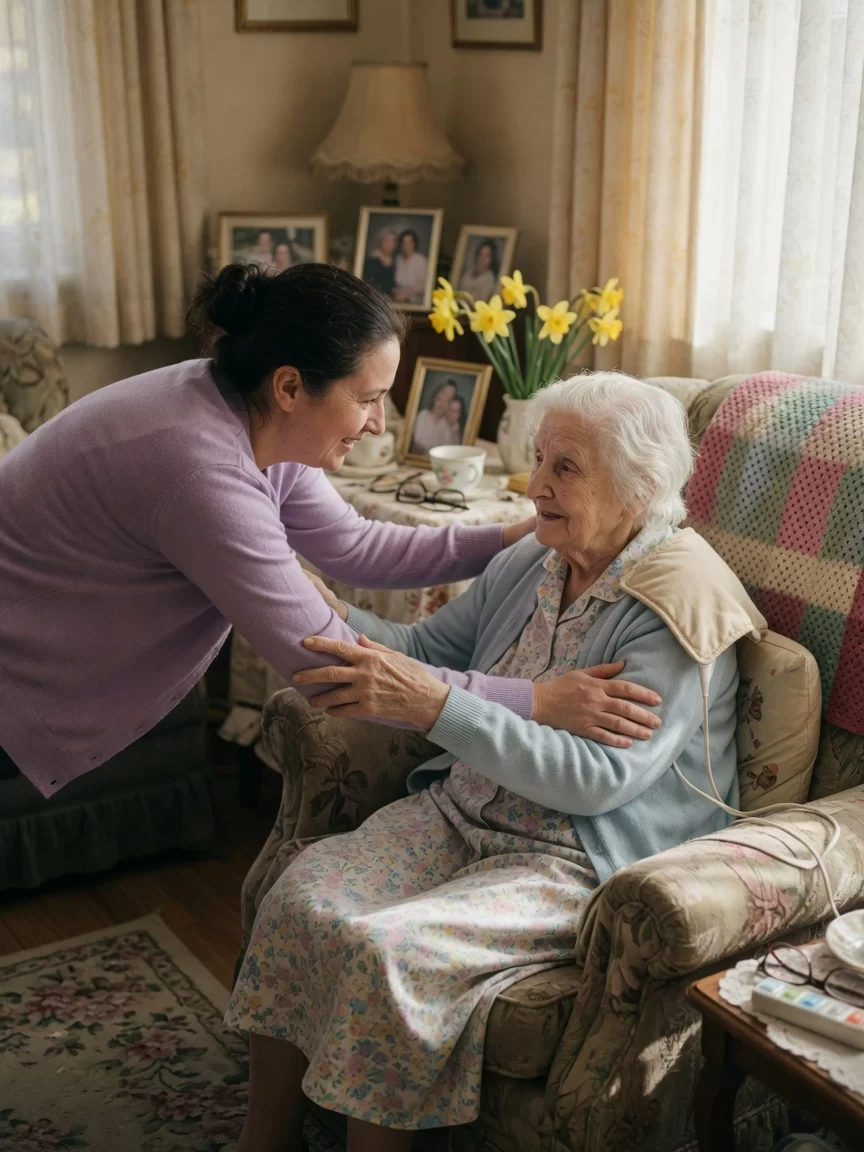
Watching a loved one struggle with chronic pain is one of the hardest parts of family caregiving. The constant discomfort, the frustration, and the feeling of helplessness can weigh on everyone in the household. But there is hope. With thoughtful planning and a compassionate approach, you can create a home environment that significantly reduces pain and improves your loved one’s quality of life. This guide offers practical, evidence-informed strategies to help you manage chronic pain at home with confidence and care.
Understanding Chronic Pain in Seniors
Chronic pain is defined as pain that persists for more than three months, often long after the original injury or cause has healed. For older adults, common sources include arthritis, neuropathy, fibromyalgia, and past injuries that never fully resolved. Unlike acute pain, which serves as a warning signal, chronic pain can become a condition in itself, affecting sleep, mood, appetite, and mobility.
It is important to recognize that pain is subjective. Your parent or spouse may not always show obvious signs. Some seniors downplay their discomfort out of stoicism or fear of being a burden. Others may express it through irritability, withdrawal, or changes in daily routines. Pay attention to subtle clues such as wincing when standing, avoiding certain activities, or complaining of fatigue. Validating their experience without judgment is the first step toward effective management.
Also understand that pain perception changes with age. The nervous system may become more sensitive, and chronic inflammation can worsen symptoms. Conditions like diabetes or vascular disease can contribute to neuropathic pain. By learning about the specific type of pain your loved one experiences, you can better tailor your approach. For example, arthritic pain often responds well to heat, while neuropathic pain may benefit from cold therapy or topical treatments.
Creating a Comfortable Home Environment
Small adjustments around the house can make a significant difference for someone living with chronic pain. Start by assessing the living spaces your loved one uses most, such as the bedroom, bathroom, and living room. Look for areas that require excessive bending, reaching, or twisting. For instance, replacing a low, soft sofa with a firm chair that has armrests can make sitting and standing much easier on a painful hip or knee.
Consider adding motion-sensor nightlights in hallways and bathrooms to reduce the risk of falls, which can exacerbate pain. Invest in adaptive equipment like raised toilet seats, grab bars in the shower, and a sturdy shower chair. These tools not only improve safety but also reduce the strain on painful joints during personal care. A bedside caddy or a rolling cart can hold essentials like water, medication, and a phone, minimizing unnecessary trips across the room.
Temperature and lighting also matter. A slightly warmer room can help soothe stiff muscles, while harsh overhead lights might cause glare and headaches. Use soft, diffused lighting and keep a cozy throw blanket within reach. Many seniors with chronic pain find that a quiet, clutter-free space reduces mental stress, which can in turn lower pain perception. Encourage your loved one to personalize their space with comforting items like family photos or a favorite plant.
Medication Management and Safety
Medications are often a central part of chronic pain management, but they require careful oversight. Work closely with your loved one’s doctor to develop a medication plan that balances pain relief with safety. Keep an updated list of all prescriptions, over-the-counter drugs, and supplements to avoid dangerous interactions. Never adjust dosages without medical guidance, especially with opioids or sedatives.
Set up a simple system to help with adherence. Use a weekly pill organizer with compartments for morning, afternoon, and evening doses. Set alarms on a smartphone or a dedicated pill reminder device. If your loved one tends to forget, consider a medication management service or a pharmacy that offers blister packaging. Always check expiration dates and store medications in a cool, dry place out of reach of children or pets.
Be aware of common side effects in seniors, such as dizziness, constipation, or drowsiness. Nonsteroidal anti-inflammatory drugs (NSAIDs) like ibuprofen can irritate the stomach and kidneys, especially with long-term use. Acetaminophen is generally safer for the liver but must be dosed carefully. Topical creams containing lidocaine or capsaicin can provide localized relief with fewer systemic risks. Discuss any concerns with the healthcare provider promptly.
Gentle Movement and Stretching
It may seem counterintuitive, but gentle movement often reduces chronic pain more effectively than rest alone. Inactivity can lead to muscle stiffness, joint contractures, and worsened pain. The key is to choose low-impact activities that do not exacerbate symptoms. Always consult the doctor before starting any exercise program, and aim for short, frequent sessions rather than long, strenuous ones.
Tai chi, walking on a flat surface, and water exercises are excellent options for seniors. Even ten minutes of slow stretching in the morning can improve circulation and reduce morning stiffness. Focus on gentle range-of-motion exercises for the shoulders, neck, hips, and knees. For example, seated leg lifts, arm circles, and ankle rolls can be done while watching television. Use a stable chair for support if needed.
Breathing exercises and relaxation techniques complement movement. Teach your loved one to take slow, deep breaths during periods of heightened pain. This activates the parasympathetic nervous system, which helps calm the body’s stress response. Incorporating five minutes of diaphragmatic breathing before a stretching session can make the activity feel less daunting and more beneficial.
Heat and Cold Therapy
Heat and cold are simple, drug-free tools that can provide significant relief for many types of chronic pain. Heat therapy works by increasing blood flow to the area, relaxing tight muscles, and easing joint stiffness. Use a warm towel, heating pad (with automatic shut-off and a cover to prevent burns), or a warm bath for arthritis pain, muscle spasms, or general stiffness. Limit heat application to 15 to 20 minutes at a time and never apply directly to inflamed or broken skin.
Cold therapy reduces inflammation and numbs localized pain. Ideal for acute flare-ups of arthritis, gout, or recent injuries, cold packs can be wrapped in a thin cloth and applied for 10 to 15 minutes. Some seniors find alternating heat and cold helpful, but always monitor the skin for any signs of damage. If your loved one has poor circulation or diabetes, consult a doctor before using extreme temperatures.
Easy home alternatives include a bag of frozen peas wrapped in a dishcloth or a warm rice sock heated in the microwave. Keep a heat pack and a cold pack clearly labeled and stored in accessible places. Encourage your loved one to keep a simple pain diary to track which therapy works best for different types of pain throughout the day.
Complementary Approaches: Massage, Acupuncture, and TENS
Beyond conventional treatments, several complementary therapies can help seniors manage chronic pain. Gentle massage from a trained caregiver or a licensed therapist can reduce muscle tension, improve circulation, and promote relaxation. Even a five-minute hand or foot massage before bed can lower stress and improve sleep quality. Use a mild, unscented lotion to avoid skin irritation.
Acupuncture, a key component of traditional Chinese medicine, involves inserting thin needles into specific points on the body. Research indicates it can be effective for chronic low back pain, osteoarthritis, and neuropathic pain. Many insurance plans now cover acupuncture for certain conditions. If your loved one is open to it, seek a licensed practitioner experienced with older adults. Similarly, acupressure, which uses gentle pressure instead of needles, can be learned and applied at home.
Transcutaneous electrical nerve stimulation (TENS) is another non-invasive option. A small device sends mild electrical pulses through electrode pads placed on the skin, interfering with pain signals to the brain. TENS units are available over the counter, but it is wise to get guidance from a physical therapist or doctor, especially if your loved one has a pacemaker or epilepsy. Many seniors find TENS helpful for localized back or joint pain.
Emotional Support and Communication
Chronic pain does not just affect the body; it takes a heavy toll on emotional well-being. Feelings of frustration, sadness, and isolation are common. As a family caregiver, your role in providing emotional support is just as important as any practical help. Listen without offering quick solutions. Sometimes the most powerful thing you can say is, ‘I see how hard this is for you. I am here with you.’
Encourage your loved one to maintain social connections, even if activities need to be modified. A phone call with a friend, a short visit from a neighbor, or participating in an online support group can lift their spirits. Many older adults find comfort in spiritual practices, journaling, or creative hobbies like knitting or painting. These activities can provide a sense of purpose and distraction from pain.
Be mindful of signs of depression or anxiety, which often coexist with chronic pain. Changes in appetite, sleep disturbances, or expressions of hopelessness warrant a conversation with the healthcare provider. Cognitive-behavioral therapy (CBT) and mindfulness-based stress reduction have strong evidence for helping people cope with chronic pain. Some community centers offer low-cost group classes for seniors.
When to Seek Professional Help
While many pain management strategies can be implemented at home, there are times when professional intervention is essential. If your loved one experiences sudden severe pain, a new pain that does not match their usual pattern, or pain accompanied by fever, numbness, or loss of bladder control, seek medical attention immediately. These could be signs of a serious condition such as infection, fracture, or nerve compression.
For ongoing care, consider consulting a pain management specialist, physical therapist, or occupational therapist. A physical therapist can design a tailored exercise program that builds strength and flexibility without aggravating pain. An occupational therapist can suggest home modifications and adaptive devices to make daily tasks less painful. Palliative care specialists focus on symptom relief and can coordinate care across multiple providers.
If you feel overwhelmed as a caregiver, do not hesitate to ask for help. Home care agencies like Rockaway Home Care can provide skilled aides to assist with daily activities, medication reminders, and gentle mobility support. Trained caregivers can also offer respite to family members who need time to recharge. Remember, taking care of yourself is essential to being able to care for your loved one.
Frequently Asked Questions
How can I tell if my loved one is in pain if they do not complain?
Look for non-verbal cues such as grimacing, guarding a body part, restlessness, changes in appetite, or reluctance to move. Irritability or withdrawal from activities they once enjoyed can also indicate discomfort. Asking open-ended questions like ‘How does your body feel today?’ can help start the conversation.
Is it safe to use over-the-counter pain relievers every day for chronic pain?
Long-term use of NSAIDs like ibuprofen can cause stomach bleeding or kidney damage, especially in older adults. Acetaminophen is safer for daily use but should not exceed 3,000 mg per day. Always consult a doctor before starting any daily medication regimen and consider alternatives like topical creams or non-drug therapies.
Can diet affect chronic pain?
Yes, an anti-inflammatory diet rich in whole foods, fruits, vegetables, healthy fats, and lean protein may help reduce inflammation and pain. Foods like berries, fatty fish, nuts, and leafy greens are beneficial. Limiting processed foods, sugar, and excessive salt can also support overall health and potentially reduce pain severity.
What are the best exercises for seniors with chronic knee pain?
Low-impact activities such as swimming, stationary cycling, and walking on flat surfaces are gentle on the knees. Strengthening the quadriceps and hamstrings with exercises like seated leg lifts and wall sits can help stabilize the joint. Always warm up with light stretching and stop if pain increases.
How can I support my loved one emotionally without burning out?
Set realistic expectations and accept that you cannot fix everything. Take regular breaks, seek support from other family members or caregiver support groups, and consider respite care services. Remember to acknowledge your own feelings and prioritize self-care. A healthy caregiver is better equipped to provide compassionate care.
Every family’s journey with chronic pain is unique, but you do not have to walk it alone. At Rockaway Home Care, we are here to help you create a safe, comfortable, and supportive home environment for your loved one. Our trained caregivers provide compassionate assistance with daily tasks, medication reminders, and gentle mobility support, giving you peace of mind. Reach out today for a free consultation to learn how we can partner with your family.
This article is for general informational purposes only and does not constitute medical advice. Always consult a qualified healthcare professional for a personalized treatment plan.
More from the Rockaway Home Care blog
- Understanding Medicaid home care eligibility
- Top questions families ask about home care costs
- Choosing between live-in care and hourly home care
- How to create a home care plan for a loved one