
Managing Nighttime Wandering: Sleep Safety Strategies
Discover compassionate, evidence-based strategies to manage nighttime wandering in seniors. This guide provides actionable safety tips for caregivers to protect loved ones while promoting restful sleep.
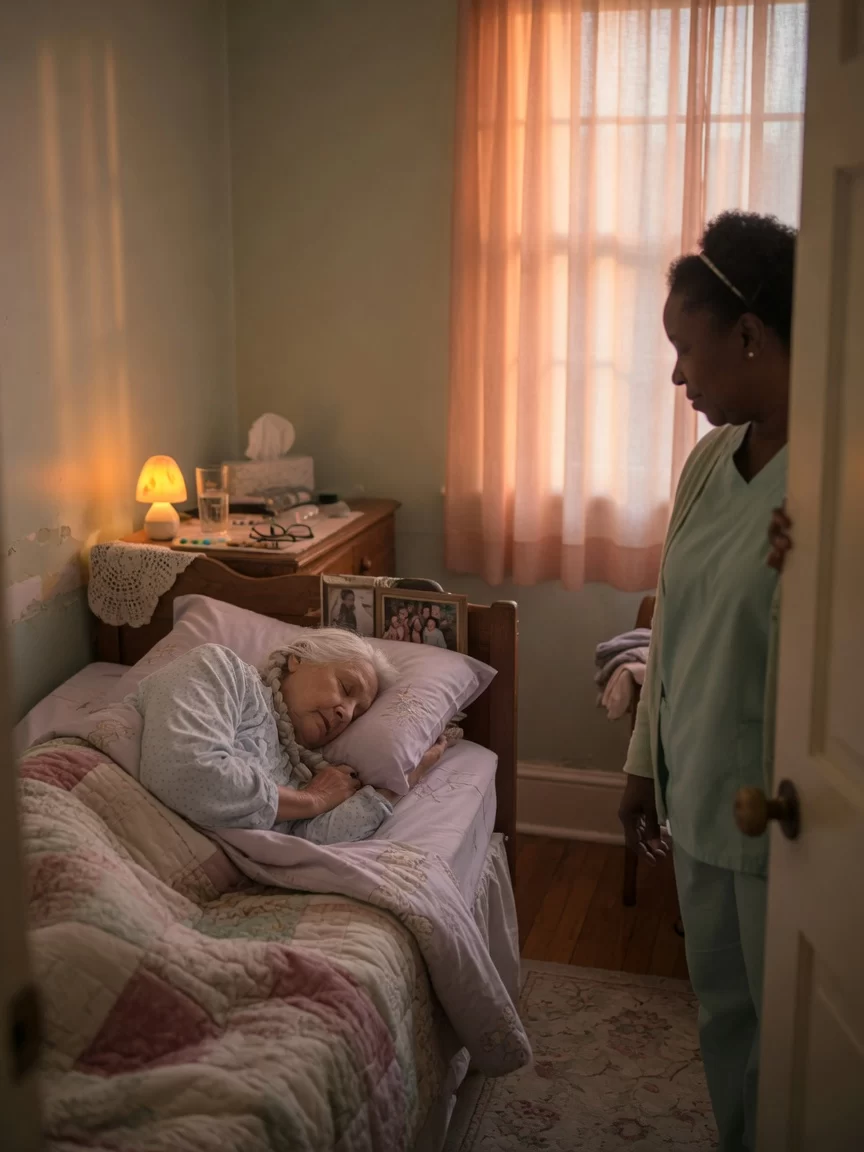
You have just settled into bed after a long day of caregiving when you hear a soft shuffle in the hallway. Your heart sinks as you realize your loved one is up again, walking aimlessly through the house. Nighttime wandering is one of the most challenging and stressful behaviors for family caregivers. It disrupts sleep for everyone, increases the risk of falls, and can leave you feeling exhausted and worried. But you are not alone, and there are effective strategies to manage this behavior safely and compassionately. This guide from Rockaway Home Care will walk you through practical steps to create a safer sleep environment, reduce wandering episodes, and help both you and your loved one rest more peacefully.
Understanding Nighttime Wandering
Nighttime wandering is a common behavior among older adults, particularly those living with dementia, Alzheimer’s disease, or other cognitive impairments. It often occurs during the late stages of the day when confusion and disorientation increase, a phenomenon known as sundowning. Wandering can also happen in seniors who are simply restless, have unmet needs such as needing to use the bathroom, or are experiencing side effects from medications. Understanding why your loved one wanders is the first step toward finding the right solutions.
When a senior wanders at night, they may be searching for something familiar, trying to fulfill a former routine like going to work, or responding to internal discomfort such as pain or anxiety. They might not recognize their surroundings, even in their own home, and become frightened or agitated. As a caregiver, it is important to approach these episodes with empathy rather than frustration. Your loved one is not trying to be difficult; they are reacting to their changing brain and environment. By identifying the underlying triggers, you can tailor your approach to meet their specific needs.
It is also helpful to keep a wandering diary for a week. Note the time of night, what your loved one was doing before the episode, what they said or did, and how long it lasted. Patterns often emerge. For example, many seniors wander around the same time each night, often two to three hours after falling asleep. This information allows you to anticipate and prepare, making the situation less overwhelming for everyone involved.
Common Causes of Wandering at Night
To effectively manage nighttime wandering, you must first understand what might be causing it. One of the most frequent triggers is a disruption in the sleep-wake cycle. As people age, their internal body clock may shift, leading to early evening sleepiness followed by early morning waking. This can result in confusion when they wake up in the dark and feel the urge to move around. Additionally, many seniors have medical conditions like restless legs syndrome, sleep apnea, or urinary tract infections that can cause discomfort and restlessness.
Unmet Physical Needs
Sometimes the simplest explanations are the most common. Your loved one may need to use the bathroom, feel thirsty, or be too hot or cold. If they cannot communicate these needs clearly, they may get up and wander in search of relief. Ensuring they have a clear path to the bathroom, keeping a glass of water nearby, and adjusting the room temperature can reduce these episodes. Also consider whether their hunger or thirst is being managed before bed. A light snack like a banana or a small glass of warm milk may help them feel settled.
Environmental Triggers
The bedroom environment plays a huge role in sleep quality. Too much light, noise from outside, or an uncomfortable mattress can disturb sleep and lead to wandering. Conversely, a room that is too dark can be disorienting when they wake up. Shadows from furniture or unfamiliar objects can appear threatening. Using a nightlight with a soft, warm glow can provide enough orientation without disrupting sleep. Also check for any clutter on the floor that could cause a fall. A calm, consistent environment helps signal to the brain that it is time to rest.
Medication Side Effects
Many older adults take multiple medications, and some can cause confusion, agitation, or frequent urination at night. If you notice that wandering began or worsened after a new medication was introduced, talk to the doctor. A medication review may reveal alternatives or adjustments that minimize side effects. Never stop or change a medication without medical guidance, but do not hesitate to advocate for your loved one’s comfort and safety.
Creating a Safe Sleep Environment
Once you have identified possible causes, you can take steps to make the home safer for nighttime wandering. The goal is not to restrain or confine your loved one, but to create a space where they can move about without injury. Start by securing the bedroom and adjacent areas. Remove any loose rugs, electrical cords, or furniture with sharp corners. Install grab bars near the bed and in the bathroom. Consider placing a bed rail or using a low bed frame to reduce fall risk if they try to get up.
Next, think about the doorway. A simple visual barrier, like a curtain or a dark mat placed in front of the door, can sometimes deter wandering. Some caregivers use a baby gate at the top of the stairs, but be cautious: seniors with dementia may try to climb over it and fall. A better option is to install door alarms or motion sensors that alert you when your loved one leaves their room. These devices are inexpensive and give you peace of mind without being intrusive. You can also place a pressure-sensitive mat beside the bed that triggers a soft chime when stepped on.
Lighting is another critical element. Use a dim nightlight in the bedroom and along the path to the bathroom. Avoid bright overhead lights that can cause disorientation. Some families find that a small lamp with a timer that turns on gradually at a set time helps orient their loved one if they wake early. Also consider blackout curtains if streetlights or early morning sun disturb sleep. The key is consistency: keep the environment as predictable as possible from night to night.
Establishing a Calming Bedtime Routine
A consistent, soothing bedtime routine can signal to your loved one that it is time to wind down. Start the routine at the same time every evening, even on weekends. This helps regulate the internal body clock. The routine should include activities that promote relaxation, such as a warm bath, gentle massage, or listening to soft music. Avoid stimulating activities like watching television or discussing stressful topics in the hour before bed.
Incorporate a light snack if hunger might be an issue, but avoid caffeine, alcohol, and heavy meals. Herbal teas like chamomile or lavender can be calming. Some seniors respond well to aromatherapy with essential oils like lavender or cedarwood. Always check with a doctor before using any supplements or herbs, as they can interact with medications. The goal is to create a predictable sequence of events that your loved one associates with sleep.
During the routine, speak in a calm, reassuring tone. Validate any concerns they express. For example, if they say they need to go to work, gently redirect them by saying, ‘You are safe at home. Let’s get you ready for bed now.’ Avoid arguing or correcting their reality, as this can increase agitation. Instead, use therapeutic fibs or redirection to guide them back to the present. Over time, a consistent routine can reduce the frequency and intensity of nighttime wandering.
Using Technology and Alarms for Safety
Technology can be a caregiver’s best friend when it comes to nighttime wandering. There are many devices designed to enhance safety without restricting freedom. Door alarms are among the most popular. They can be placed on the bedroom door, the front door, or any exit. Some models send an alert to your smartphone, so you can respond quickly even if you are in another part of the house. Motion sensors placed in hallways or near exits can also trigger lights or alarms to deter wandering.
Another useful tool is a wearable GPS tracker or a smartwatch with fall detection and location sharing. These devices allow you to know your loved one’s whereabouts if they do manage to leave the house. Some are designed specifically for seniors and have simple interfaces. Discuss the option with your loved one if they are able to understand and consent. For those with advanced dementia, you may need to use these devices without their active participation, but always prioritize their dignity and privacy as much as possible.
Bed alarms are another option. These are pads placed under the mattress or on the bed that sense when a person gets up. They can be connected to a nurse call system or a simple chime. However, some seniors find bed alarms startling or embarrassing. Test different types to see what works best. Remember, the goal is to keep your loved one safe, not to startle them. Combine technology with environmental modifications for the best results.
When to Seek Professional Help
If nighttime wandering persists despite your best efforts, or if it leads to falls, injuries, or severe sleep deprivation for you or your loved one, it is time to seek professional help. Start by consulting their primary care physician. A medical evaluation can rule out underlying issues such as infections, pain, or medication side effects. The doctor may also refer you to a sleep specialist or a geriatric psychiatrist who can offer additional strategies.
Home care agencies like Rockaway Home Care can provide respite and support. A trained home health aide can stay with your loved one overnight, allowing you to get the rest you need. They can also implement safety strategies and provide companionship that may reduce anxiety and wandering. For families considering facility-based care, a memory care unit or skilled nursing facility with secure wandering paths might be an option. However, many families prefer to keep their loved one at home for as long as possible, and professional home care can make that feasible.
Support groups are also invaluable. Connecting with other caregivers who face similar challenges can provide emotional support and practical tips. Organizations like the Alzheimer’s Association offer helplines and local resources. You do not have to navigate this journey alone. Reaching out for help is a sign of strength, not failure.
Frequently Asked Questions
What should I do if I find my loved one wandering at night?
Stay calm and approach them gently. Speak in a soft, reassuring voice. Do not startle them or raise your voice. Ask if they need something, like to use the bathroom or get a drink. Guide them back to their room with a gentle touch. If they are confused, redirect their attention to a comforting object or a familiar activity, like looking at a photo album. Avoid arguing or trying to force them to sleep.
Can medications help reduce nighttime wandering?
Medications are sometimes prescribed to help with sleep or agitation, but they should only be used under close medical supervision. Some sleep aids can actually increase confusion and fall risk in older adults. Antipsychotic medications may be used in severe cases but carry significant side effects. Always discuss the risks and benefits with your loved one’s doctor. Non-drug approaches should be tried first.
How can I prevent my loved one from leaving the house at night?
Install locks that are out of sight, such as deadbolts placed high or low on the door. Use door alarms that sound when opened. Consider a slide bolt lock that requires two hands to open, which can be difficult for some seniors. Also, place a dark mat or a stop sign in front of the door to create a visual cue. Some families use a door curtain or camouflage the door with a mural to make it less noticeable.
Is it safe to use physical restraints to prevent wandering?
Physical restraints like bed rails or vests are not recommended for wandering. They can cause injuries, increase agitation, and violate a person’s dignity. Restraints may also lead to pressure sores or breathing problems. Instead, focus on environmental modifications, supervision, and technology. If you are concerned about falls, talk to a physical therapist about safe mobility aids.
How can I take care of myself when my loved one wanders at night?
Caregiver burnout is real. Prioritize your own sleep by taking shifts with another family member or hiring overnight respite care. Use alarms to wake you only when needed, rather than staying awake all night. Practice good sleep hygiene yourself: avoid caffeine in the evening, keep your bedroom dark and quiet, and try relaxation techniques. Remember that you cannot pour from an empty cup. Taking care of yourself is essential to providing quality care.
Managing nighttime wandering is not easy, but with patience, creativity, and the right support, you can create a safer and more peaceful home for your loved one. At Rockaway Home Care, we understand the unique challenges you face. Our compassionate caregivers are trained to support seniors with dementia and other conditions, providing personalized care that respects their dignity and your family’s needs. We invite you to reach out for a free consultation to learn how we can help you and your loved one rest easier at night. You do not have to do this alone.
This article is for general informational purposes only and does not constitute medical advice. Always consult a qualified healthcare professional for concerns about your loved one’s health and safety.
More from the Rockaway Home Care blog
- Understanding Medicaid home care eligibility
- Top questions families ask about home care costs
- Choosing between live-in care and hourly home care
- How to create a home care plan for a loved one