
Managing Wandering in Dementia: GPS Tracking Options
Wandering is a common and distressing behavior in dementia. This guide explores GPS tracking options to enhance safety, reduce caregiver stress, and preserve independence.
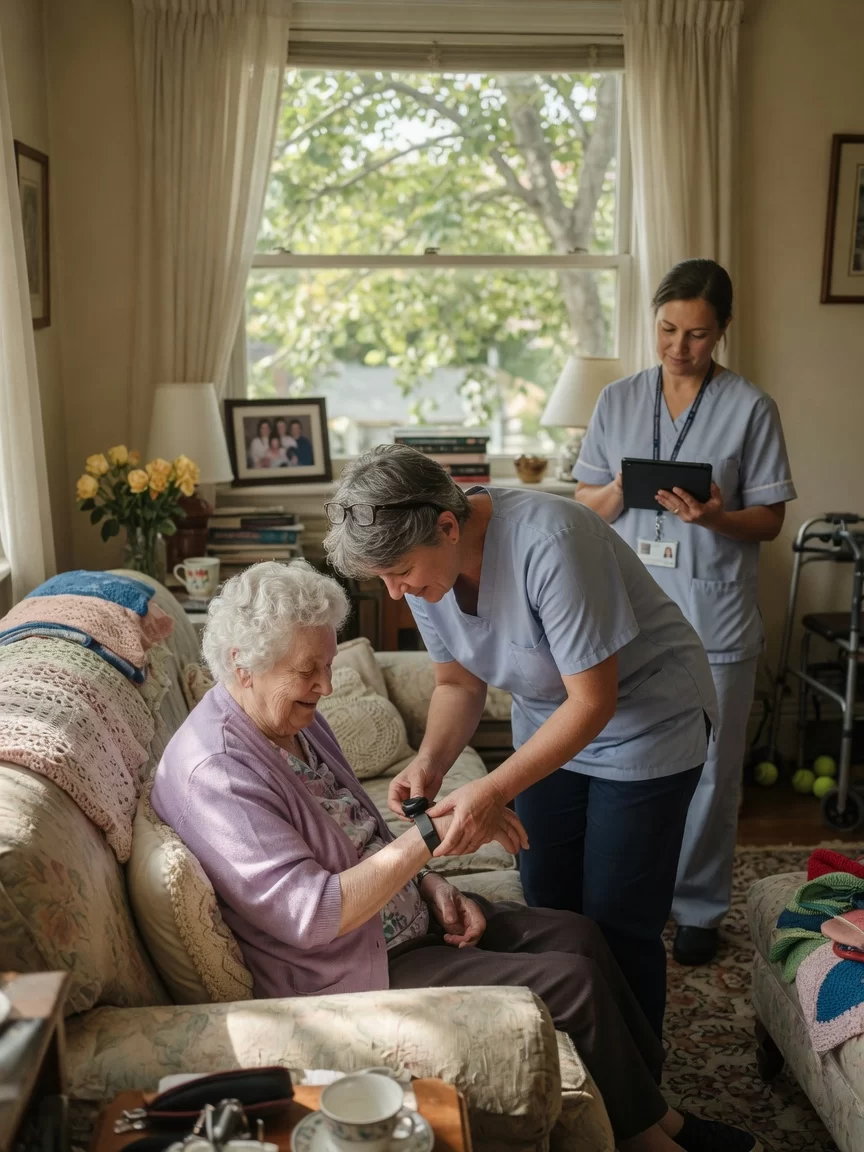
When a loved one living with dementia begins to wander, every moment away from home can feel like an eternity. You may find yourself constantly checking the door, listening for footsteps, or worrying during the night. Wandering is not a sign of disobedience or confusion alone; it is often a purposeful behavior rooted in unmet needs, such as searching for something familiar or feeling restless. As a family caregiver, you want to protect your loved one while respecting their dignity and independence. That is where GPS tracking technology can become a quiet, powerful ally. In this guide, we explore practical GPS tracking options for managing wandering in dementia, offering you clear, compassionate steps to choose the right device and integrate it into your care routine.
Understanding Wandering in Dementia
Wandering affects up to 60 percent of people living with dementia, especially those in middle to later stages. It can happen at any time, day or night, and often follows a pattern. Your loved one may become restless after sundown, try to leave home to go to a former workplace, or simply walk without a clear destination. Recognizing the triggers is the first step in prevention. Common causes include boredom, pain, hunger, thirst, or the need to use the bathroom. Sometimes, wandering is a response to environmental overstimulation or a medication side effect.
Rather than seeing wandering as a problem to be locked away, view it as a communication. Your loved one may be trying to express discomfort, confusion, or a desire for activity. By addressing underlying needs, you can reduce the urge to wander. For instance, a daily walk together in the morning can satisfy the need for movement. A calm, clutter-free home with clear signage can reduce confusion. But even with the best environment, some wandering is inevitable. That is where GPS tracking provides a safety net, allowing you to locate your loved one quickly and avoid a crisis.
GPS tracking devices are not a substitute for supervision, but they are a powerful tool to extend your reach. They can alert you when your loved one leaves a safe zone, and they can show you their location in real time. This technology has become smaller, more affordable, and easier to use over the past decade. Many devices are designed specifically for seniors with dementia, with simple interfaces and long battery life. In the following sections, we will walk through the main types of GPS trackers and how to choose the right one for your family.
Types of GPS Tracking Devices for Dementia
Wearable GPS Trackers
Wearable devices are the most common choice for managing wandering. They come as watches, pendants, or clip-on units. A GPS watch, for example, looks like a regular timepiece but contains a tracking chip. Your loved one can wear it on their wrist, and you can see their location from your smartphone or computer. Many models also include a fall detection feature that alerts you if they have fallen. Some watches have a simple one-button call function, so your loved one can reach you directly. The main advantage of wearables is that they are always on the person, as long as they keep them on. However, some individuals with dementia may remove the device because it feels unfamiliar or uncomfortable. To address this, choose a device with a comfortable band and a familiar design. You can also start by wearing a similar watch yourself to normalize it.
Pendants are another popular wearable option. They hang around the neck and are less intrusive than a wristband. Many pendants are waterproof, so your loved one can wear them while bathing or swimming. The tracking works the same way as a watch, with geofencing alerts and real-time location. The downside is that pendants can be a strangulation risk if they get caught on furniture, so choose one with a breakaway clasp. For some families, a clip-on tracker that attaches to a belt or pocket is the best choice. These are often smaller and can be hidden, which reduces the chance of your loved one removing it. Whichever form you choose, test the device in your home first to ensure the GPS signal is strong and the alerts work properly.
Shoe-Based and Insole Trackers
If your loved one frequently removes wearables, a shoe-based tracker may be a clever solution. These devices fit inside the sole of a shoe or are built into a special insole. Because shoes are less likely to be taken off, this type of tracker offers a high rate of compliance. The tracker syncs with your phone via a small app, and you can set a safe zone around your home. If your loved one walks beyond that zone, you receive an immediate alert. Some models also track steps and activity levels, which can help you monitor their overall health. The main drawback is that you need to ensure the shoes are worn consistently. If your loved one changes shoes often, you may need to buy multiple pairs of insoles or use a different type of device. Still, for many families, shoe-based trackers provide peace of mind without daily resistance.
Another variation is a tracker that attaches to the laces or a small pocket on the shoe. These are less common but equally effective. They are often waterproof and have a long battery life, lasting several weeks between charges. When choosing a shoe-based tracker, look for one that is lightweight and does not affect walking comfort. Some models come with a charging dock that makes it easy to recharge overnight. Remember that no device is perfect; always have a backup plan, such as a door alarm or a neighbor check-in, in case the GPS signal fails. Combining multiple strategies gives you a robust safety net.
GPS Tracking Apps for Smartphones
If your loved one already uses a smartphone, a GPS tracking app can be a cost-effective option. Apps like Life360, Find My (for iPhones), or Google Family Link allow you to see their location in real time. You can set up geofences around home, a day center, or a relative’s house. When they leave or enter a zone, you get a notification. The app works on the phone’s built-in GPS, so there is no extra device to buy or charge. However, this approach relies on the phone being with your loved one and having battery power. Many people with dementia may forget their phone, leave it at home, or turn it off accidentally. For this reason, a dedicated GPS tracker is often more reliable. But for families on a tight budget, a smartphone app can be a good starting point. You can also use it in combination with a wearable tracker for extra security.
Another consideration is that smartphones can be complex for someone with dementia. The screen may be confusing, and they might accidentally disable location services. To mitigate this, you can set up the phone with a simplified interface and lock the settings. Some apps offer a SOS button that your loved one can press to call for help. While apps are not a perfect solution, they are widely available and easy to set up. Test the app for a few days to see if your loved one keeps the phone with them. If not, consider a dedicated device.
Key Features to Look For in a GPS Tracker
Choosing the right GPS tracker can feel overwhelming with so many options on the market. Focus on these key features to narrow down your search. First, real-time location tracking is essential. You want to see where your loved one is at any moment, not just a delayed update. Second, geofencing allows you to set virtual boundaries. When your loved one crosses a boundary, you receive an alert on your phone. This feature is critical for immediate response. Third, battery life matters greatly. A device that needs charging every day may be forgotten or left dead. Look for a battery that lasts at least 24 to 48 hours, and ideally longer. Some trackers have a low-battery notification that reminds you to charge.
Other important features include two-way communication, so you can speak to your loved one through the device. This can calm them down if they are lost. Fall detection is also valuable, as falls are common in dementia. A device that automatically alerts you when a fall occurs can save precious time. Water resistance is another must, especially if your loved one might wander in rain or near water. Finally, consider the size and comfort of the device. It should be unobtrusive and not cause skin irritation. Many companies offer a trial period, so you can test the device before committing. Involve your loved one in the choice if possible; their acceptance is key to long-term use.
Cost is also a factor. Some trackers require a monthly subscription for cellular service, while others use a one-time purchase. Subscription fees typically range from $10 to $30 per month. Some insurance plans or Medicaid programs may cover part of the cost, especially if the device is deemed medically necessary. Check with your local Area Agency on Aging or your loved one’s doctor for potential funding sources. Remember that the peace of mind a GPS tracker provides is invaluable, but you should also balance it with your budget. Start with a basic model and upgrade if needed.
How to Introduce a GPS Tracker to Your Loved One
Introducing a new device to someone with dementia requires patience and sensitivity. Your loved one may feel confused, suspicious, or even offended by the idea of being tracked. Frame the conversation in terms of safety and independence. For example, you can say, ‘This watch will help me know you are safe when you go for a walk. It is like having me with you.’ Avoid words like ‘tracking’ or ‘monitoring’ that might feel invasive. Instead, emphasize that the device gives you peace of mind so you can relax together.
Start by wearing the device yourself for a few days to show it is normal. Then, introduce it gradually. Let your loved one touch it, try it on, and ask questions. If they resist, do not force it. Try again later with a different approach. Some families find success by attaching the tracker to a favorite piece of clothing or a keychain. You can also make it a gift: ‘I bought this for you to help me feel better when I am not with you.’ The goal is to make the device a positive part of daily life, not a source of conflict. If your loved one repeatedly removes the tracker, consider a shoe-based or hidden option.
Once the device is accepted, practice using it together. Show your loved one how the alert works, and reassure them that you will always respond quickly. Set up the geofence around your home and test it by walking outside together. This builds trust and familiarity. Over time, the tracker becomes a natural part of your routine. Remember that the device is a tool, not a replacement for your loving presence. Continue to provide supervision and companionship as much as possible.
Complementary Safety Strategies Beyond GPS
GPS tracking is most effective when combined with other safety measures. Start by making your home environment safer. Install door and window alarms that chime when opened. Place locks out of sight, such as at the top or bottom of the door. Use childproof covers on doorknobs if your loved one cannot operate them. At night, consider a motion sensor light that turns on when someone gets out of bed. These simple modifications can prevent wandering before it starts.
Another strategy is to establish a daily routine that includes physical activity and mental stimulation. A regular walk, a puzzle, or listening to music can reduce restlessness. If your loved one tends to wander at a certain time, plan an engaging activity during that window. For example, if they often try to leave after dinner, invite them to help with a simple task like folding napkins. This redirects their energy in a positive way. Also, ensure they are well-hydrated and have used the bathroom before bedtime to minimize nighttime wandering.
Finally, build a support network. Inform neighbors, local police, and nearby family members that your loved one has dementia and may wander. Provide them with a recent photo and a description of what to do if they see them alone. Some communities have a Safe Return program through the Alzheimer’s Association that provides identification products and a 24-hour support line. Registering your loved one in such a program adds an extra layer of protection. Combining GPS tracking with these strategies creates a comprehensive safety plan that respects your loved one’s dignity and your peace of mind.
Frequently Asked Questions
What is the best GPS tracker for a person with dementia?
There is no single best tracker because each person’s needs differ. Popular options include the AngelSense GPS Tracker, which offers real-time tracking and a listen-in feature, and the Jiobit, which is small and waterproof. For a more affordable choice, the Apple AirTag can be placed in a pocket or shoe, but it does not provide real-time location. The best device is one that your loved one will wear consistently and that fits your budget. Talk to your loved one’s doctor or a dementia care specialist for personalized recommendations.
How do I get my loved one to wear a GPS tracker?
Start by normalizing the device. Wear a similar watch or pendant yourself. Explain that it helps you feel safe and allows them more freedom. Choose a comfortable, familiar-looking design. If they resist, try a different type, such as a shoe-based tracker. You can also attach the tracker to a favorite jacket or keychain. Be patient and avoid arguments. Sometimes, a professional caregiver or a trusted friend can help introduce the device.
Are GPS trackers covered by insurance or Medicare?
Original Medicare does not typically cover GPS trackers. However, some Medicare Advantage plans may offer coverage for safety devices. Medicaid waivers in some states, including New York, may cover GPS trackers under certain conditions. Check with your local Area Agency on Aging or a social worker. Some nonprofit organizations also provide grants for safety devices. Always ask about coverage before purchasing.
Can GPS tracking replace supervision?
No, GPS tracking is a supplement to supervision, not a replacement. It provides an alert and location, but it does not prevent wandering or address the underlying cause. You still need to provide a safe environment, regular check-ins, and appropriate supervision. Use the tracker as a tool to extend your reach, not as a substitute for your presence. If your loved one is at high risk of wandering, consider professional home care services for additional support.
What should I do if my loved one wanders despite using GPS?
If you receive an alert that your loved one has left a safe zone, stay calm. First, check their real-time location and try to call them if the device has two-way communication. If they are nearby, go to them directly. If they are far away or you cannot reach them, contact local emergency services. Provide them with the tracker’s location and a recent photo. After the incident, review what triggered the wandering and adjust your safety plan. You may need to add door alarms, change the geofence, or consult a dementia care specialist.
Choosing the Right Path Forward
Managing wandering in dementia is a journey filled with challenges and small victories. GPS tracking technology offers a practical, compassionate way to enhance safety while preserving your loved one’s freedom to move. By understanding the types of devices available, focusing on key features, and introducing the tracker with care, you can reduce the stress of wandering for both of you. Remember that no device is perfect, and your loving attention remains the most important safety measure. Combine GPS tracking with environmental modifications, a structured routine, and a supportive community to create a comprehensive plan that works for your family.
Every family’s situation is unique, and you do not have to navigate this alone. At Rockaway Home Care, we understand the complexities of dementia care and the deep love that drives your efforts. Our team is here to help you explore all the options, from technology to in-home support, so you can feel confident and supported. If you have questions about managing wandering or want to learn more about our services, we invite you to reach out for a free consultation. Together, we can create a care plan that honors your loved one’s dignity and gives you peace of mind.
This article provides general information and is not a substitute for professional medical advice. Always consult your loved one’s healthcare provider for personalized guidance on dementia care and safety.
More from the Rockaway Home Care blog
- Understanding Medicaid home care eligibility
- Top questions families ask about home care costs
- Choosing between live-in care and hourly home care
- How to create a home care plan for a loved one