
Safe Mobility and Transfers: Helping Seniors Move at Home
A comprehensive guide to helping seniors move safely around the home, including transfer techniques, fall prevention, and home modifications.
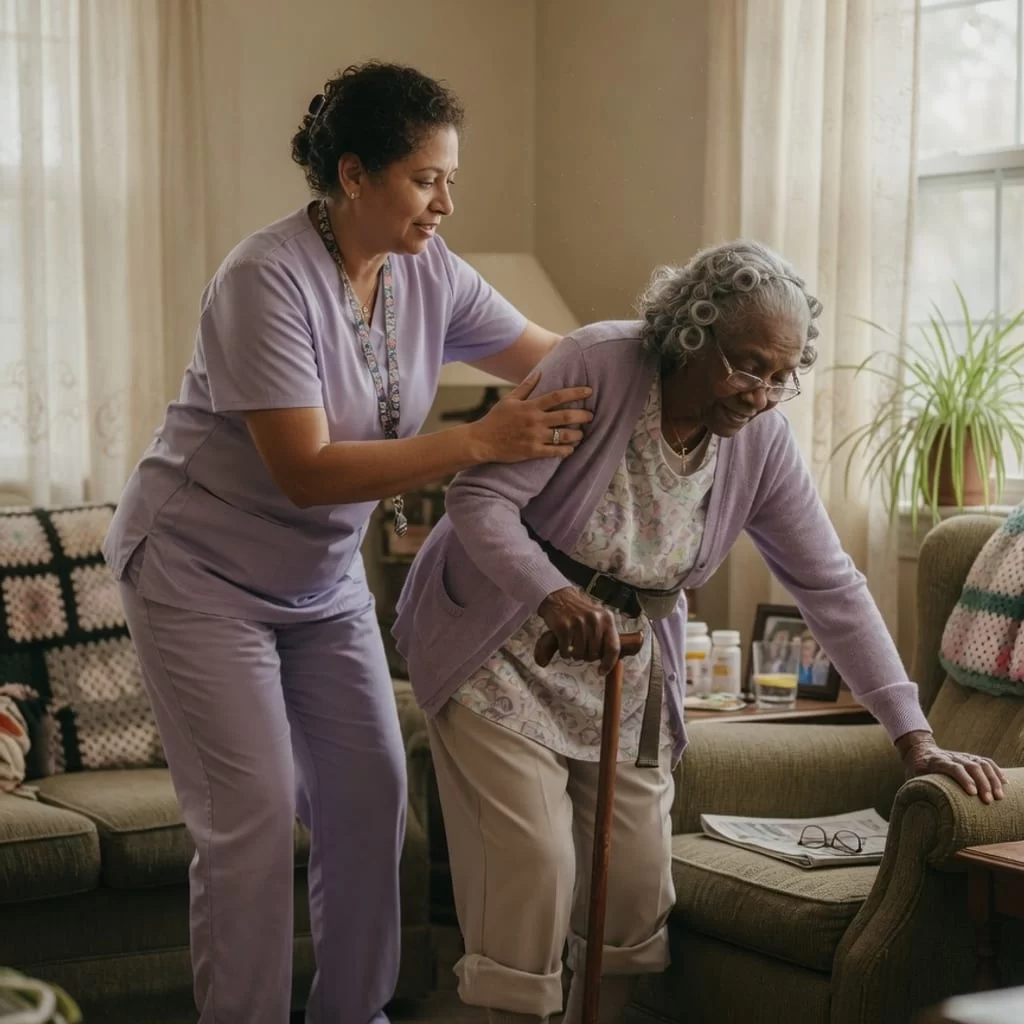
When a loved one begins to struggle with walking, standing, or moving from one surface to another, the simple act of getting around the house can become a daily source of worry. You may notice them hesitating before stepping into the bathroom, gripping furniture tightly, or avoiding stairs altogether. These moments are not just inconvenient; they signal a real risk of falls, which can lead to serious injuries and a loss of independence. As a family caregiver, you want to keep your parent or spouse safe, but you also want to preserve their dignity and autonomy. This article offers practical, compassionate guidance on mobility and transfer safety, helping seniors move around their home with confidence and reducing the risk of falls.
Understanding Mobility Challenges in Seniors
Mobility issues in older adults often stem from a combination of factors. Age-related muscle weakness, joint stiffness from arthritis, balance disorders, vision changes, and chronic conditions such as Parkinson’s disease or stroke can all make movement more difficult. Even a simple task like getting out of a chair or turning in a hallway requires coordination and strength that may be declining. Recognizing these challenges is the first step toward creating a safer environment.
It is important to note that mobility problems are not a normal part of aging that must be accepted without intervention. Many seniors can improve their strength and balance through physical therapy, exercise programs, and the use of assistive devices. However, until these improvements are made, caregivers must take proactive steps to prevent falls. According to the Centers for Disease Control and Prevention, falls are the leading cause of fatal and nonfatal injuries among older adults, but most falls are preventable with the right precautions.
As a caregiver, you may notice specific signs that indicate increased fall risk: shuffling gait, difficulty rising from a seated position, holding onto walls or furniture for support, or reports of feeling unsteady. Paying attention to these cues and addressing them early can make a significant difference in your loved one’s safety and quality of life.
Creating a Safe Home Environment
The home should be a sanctuary, not an obstacle course. A thorough safety assessment can identify hazards that contribute to falls. Start by walking through each room with a critical eye, imagining the path your loved one takes daily. Look for loose rugs, cluttered walkways, poor lighting, and cords or cables that could trip someone. Remove or secure anything that could cause a stumble.
In the bathroom, which is one of the most dangerous rooms for falls, install grab bars near the toilet and inside the shower or tub. A shower chair or transfer bench allows the senior to sit while bathing, reducing the need to stand on a wet surface. Non-slip mats inside and outside the tub or shower are essential. Consider a raised toilet seat or a commode chair if getting on and off the toilet is difficult.
Throughout the house, ensure that pathways are wide enough for a walker or wheelchair if needed. Remove unnecessary furniture that creates tight corners. Improve lighting, especially in hallways and staircases, and use nightlights in bedrooms and bathrooms. A simple change like adding a motion-activated light in the hallway can prevent a midnight fall. Stairs should have sturdy handrails on both sides, and consider installing a stair lift if climbing becomes too risky.
Safe Transfer Techniques for Caregivers
Transfers, such as moving from a bed to a chair or from a wheelchair to the toilet, are among the most common situations where falls occur. Proper technique protects both the senior and the caregiver from injury. Always explain what you are going to do before you begin, so your loved one can cooperate and feel in control. Use a transfer belt or gait belt to provide a secure handhold; this device wraps around the senior’s waist and gives you something to grip without pulling on their arms or clothing.
When assisting a senior to stand from a seated position, position yourself in front of them with your feet shoulder-width apart and slightly braced. Ask them to scoot forward to the edge of the seat, place their feet flat on the floor, and lean forward. On the count of three, have them push up through their legs while you provide steady support. Avoid pulling on their arms, which can injure their shoulders. Instead, use the transfer belt or place your hands on their lower back or hips for leverage.
For transfers involving a wheelchair, always lock the wheels before moving the person in or out. Tilt the wheelchair slightly backward to clear the footrests, then lower it gently. When moving from a bed to a wheelchair, position the wheelchair at a 45-degree angle to the bed to minimize the distance the senior has to pivot. Use a slide board if the senior cannot bear weight on their legs; this board bridges the gap between surfaces, allowing them to slide across with minimal effort.
Choosing and Using Mobility Aids
Mobility aids such as canes, walkers, and rollators can significantly improve safety and independence, but they must be chosen carefully and used correctly. A cane should be held in the hand opposite the weaker leg, and the top of the cane should align with the wrist crease when the arm is hanging down. A walker should allow the senior to stand upright with elbows slightly bent, not hunched over. Rollators, which have wheels and a seat, are good for those who need to rest frequently but require more stability than a standard walker.
It is common for seniors to resist using a mobility aid because they feel it makes them look old or dependent. Approach this conversation with empathy, emphasizing that the device is a tool for maintaining freedom, not a symbol of decline. You might say, ‘This walker will help you stay steady so you can keep going to the park with your friends.’ Encourage them to practice with the device in a safe area, and consider a visit from a physical therapist or occupational therapist who can provide professional guidance on proper use and fit.
Regular maintenance of mobility aids is also important. Check rubber tips on canes and walkers for wear, and replace them when they become smooth. Ensure that wheels on rollators roll smoothly and that brakes work properly. A poorly maintained device can create more hazards than it prevents.
Fall Prevention Strategies Beyond the Home
While home modifications are crucial, fall prevention also involves addressing the senior’s physical health and daily habits. Encourage regular exercise that focuses on balance, strength, and flexibility. Simple activities like walking, tai chi, or seated leg lifts can make a big difference. Many community centers and senior centers offer low-cost exercise classes designed for older adults.
Medication management is another key factor. Some medications can cause dizziness, drowsiness, or low blood pressure, increasing fall risk. Review all medications, including over-the-counter drugs and supplements, with the senior’s doctor or pharmacist. Ask if any can be adjusted or discontinued. Also, ensure that the senior has regular vision and hearing checks, as sensory impairments can affect balance and spatial awareness.
Footwear matters too. Encourage your loved one to wear well-fitting, non-slip shoes with good support, both indoors and outdoors. Slippers that are loose or have slick soles are a common cause of falls. If they prefer going barefoot, consider non-slip socks with grippy soles. Finally, staying hydrated and eating a balanced diet helps maintain muscle strength and overall energy levels, reducing fatigue that can lead to unsteadiness.
Emergency Preparedness and Response
Despite all precautions, falls can still happen. Being prepared can reduce the severity of the outcome. If your loved one lives alone or is home alone for parts of the day, consider a personal emergency response system (PERS). These devices, often worn as a pendant or wristband, allow the person to call for help with the press of a button. Some models also include automatic fall detection.
Teach your loved one what to do if they fall and cannot get up. The key is to stay calm, try to get into a comfortable position, and call for help using the PERS or a phone. If they are unable to reach a phone, they should try to attract attention by making noise or using a whistle. Practice this scenario together so it becomes familiar.
As a caregiver, keep a list of emergency contacts near every phone, including the senior’s doctor, a neighbor, and family members. Also, have a first aid kit readily accessible and know basic first aid for falls, such as how to check for injuries and when to call 911. If your loved one takes blood thinners, any fall that results in a bump to the head requires immediate medical attention, even if they seem fine.
Supporting Emotional Well-Being
Mobility challenges can take a toll on a senior’s emotional health. Fear of falling may lead them to avoid activities they once enjoyed, leading to social isolation and depression. It is important to address these feelings with compassion. Listen to their concerns without dismissing them, and validate their fears while gently encouraging them to stay active within safe limits.
Involve your loved one in decisions about mobility aids and home modifications. When they have a say in the process, they are more likely to embrace changes. For example, let them choose the color of the grab bars or the style of the walker. Small choices can restore a sense of control. Also, celebrate their successes, no matter how small. Each time they walk to the kitchen without assistance or complete a transfer safely, acknowledge their effort.
Caregivers need support too. Taking care of a senior with mobility issues can be physically and emotionally demanding. Do not hesitate to ask for help from other family members, friends, or professional home care services like Rockaway Home Care. Respite care can give you a break while ensuring your loved one receives skilled assistance. Remember, you cannot pour from an empty cup; your well-being is essential to providing good care.
Frequently Asked Questions
What is the most common cause of falls in older adults?
The most common cause of falls in seniors is a combination of environmental hazards and physical factors. Loose rugs, poor lighting, clutter, and slippery floors are frequent environmental triggers. Physical factors include muscle weakness, balance problems, vision changes, and side effects from medications. Most falls result from an interaction between these elements, which is why a comprehensive approach to prevention is most effective.
How can I help my parent accept using a walker or cane?
Start by having an open, empathetic conversation about the benefits of the device for maintaining independence. Focus on what the device allows them to do, such as going for walks or visiting friends, rather than on their limitations. Involve them in choosing the device, and consider a model that matches their style. A visit from a physical therapist can also be helpful, as they can demonstrate proper use and address any concerns professionally.
Are there exercises that can improve balance and reduce fall risk?
Yes, exercises that target balance, strength, and flexibility are very effective. Tai chi, yoga, and simple balance exercises like standing on one foot while holding a chair are excellent. Strength exercises such as leg lifts, squats, and heel raises help build the muscles needed for stability. Always consult a doctor before starting any new exercise program, and consider working with a physical therapist who can design a safe, personalized routine.
What should I do if my loved one falls and I am present?
Stay calm and assess the situation. Do not try to lift them immediately, as this could cause further injury if they are hurt. First, check for obvious injuries like bleeding, swelling, or deformity. If they are in pain or cannot move, call 911. If they seem okay and can move, help them get up slowly using a sturdy chair or a transfer technique. If you are unsure, it is always safer to call for medical assistance. After the fall, report it to their doctor, even if no injury is apparent, as some injuries may not be immediately obvious.
When should I consider hiring a professional home care aide for mobility support?
Consider professional home care when your loved one requires physical assistance with transfers or walking that is beyond what you can safely provide, or when your own health or schedule is affected. Signs include frequent falls, difficulty with daily activities like bathing or toileting, or when you feel overwhelmed or at risk of injury yourself. A home care aide can provide trained, compassionate support, allowing your loved one to remain at home safely while giving you peace of mind.
Ensuring safe mobility and transfers for your aging loved one is a journey that requires patience, knowledge, and support. By making thoughtful home modifications, using proper techniques, and addressing both physical and emotional needs, you can help them move through their home with greater confidence and security. At Rockaway Home Care, we understand the challenges families face, and we are here to help. If you would like to learn more about how our services can support your loved one’s safety and independence, please reach out for a free consultation. We are honored to be part of your care team.
This article provides general information and is not a substitute for professional medical advice. Always consult with a qualified healthcare provider for personalized guidance regarding your loved one’s health and safety.
More from the Rockaway Home Care blog
- Understanding Medicaid home care eligibility
- Top questions families ask about home care costs
- Choosing between live-in care and hourly home care
- How to create a home care plan for a loved one