NHTD Waiver Program in New York: A Complete Guide for Families
The NHTD Waiver Program in New York offers home and community-based services to help seniors and people with physical disabilities avoid nursing home placement. This guide covers eligibility, services, and the application process.
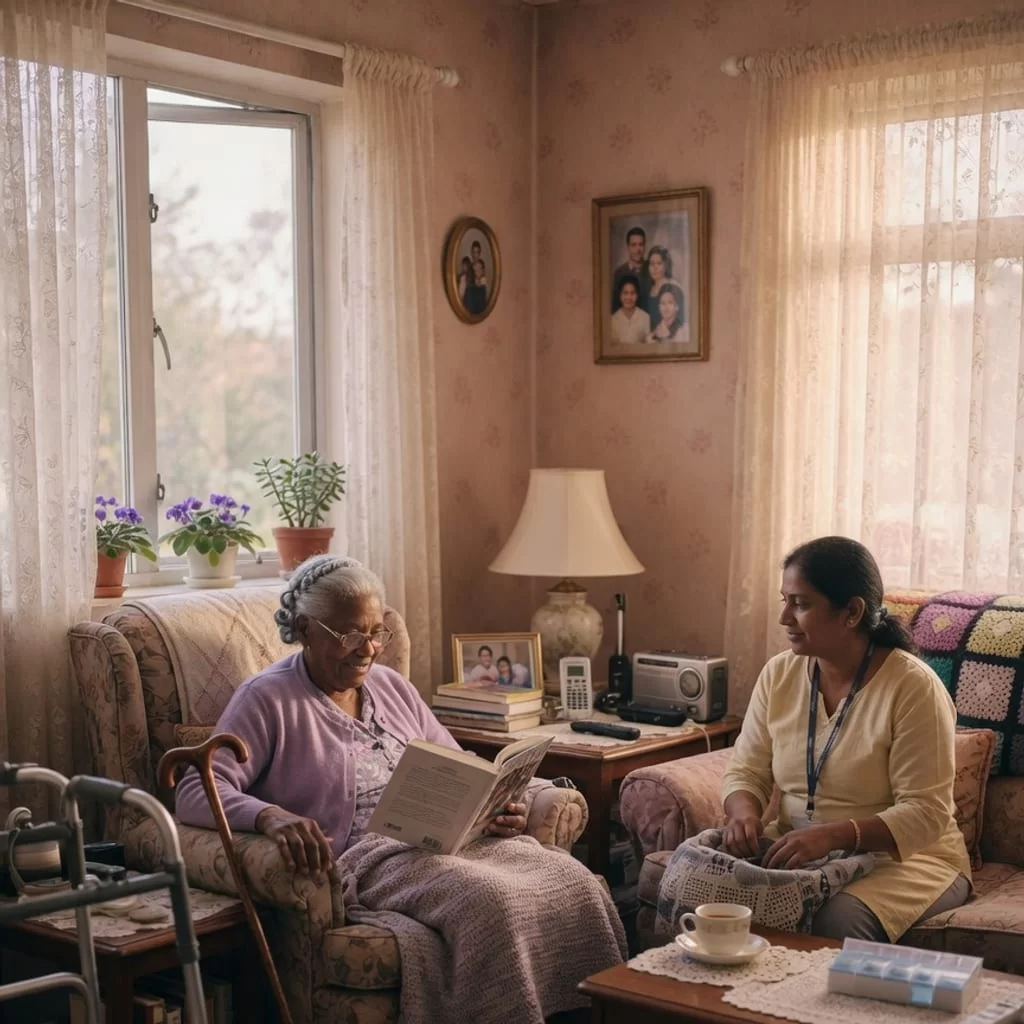
If you are caring for an aging parent or loved one in New York, you may have heard about the NHTD Waiver Program but felt unsure what it means or whether it could help. The name itself sounds bureaucratic, but behind it is a lifeline for families who want their loved one to stay at home rather than move to a nursing facility. The Nursing Home Transition and Diversion (NHTD) Waiver is a Medicaid program that provides home and community-based services to seniors and adults with physical disabilities. Its goal is simple: help people live independently in their own homes and communities, avoiding unnecessary institutionalization. For families in Queens, Brooklyn, Manhattan, and across New York, this waiver can be the key to keeping a loved one safe, comfortable, and connected to the life they love.
Understanding the NHTD Waiver can feel overwhelming, especially when you are already juggling caregiving responsibilities. This guide breaks down everything you need to know: what the waiver covers, who qualifies, how to apply, and how it differs from other programs like CDPAP or personal care services. By the end, you will have a clear picture of whether the NHTD Waiver might be right for your family and what steps to take next.
What Is the NHTD Waiver Program?
The NHTD Waiver, which stands for Nursing Home Transition and Diversion, is a Medicaid waiver program authorized under Section 1915(c) of the Social Security Act. It is designed for New York residents who are eligible for nursing home level of care but prefer to live at home. The program serves two main groups: people who are currently living in a nursing home and want to transition back to the community (transition), and people who are at risk of entering a nursing home but can remain at home with support (diversion).
Unlike standard Medicaid home care, the NHTD Waiver offers a broader range of services tailored to each individual’s needs. These services go beyond basic personal care and can include home modifications, assistive technology, community integration counseling, and even respite for family caregivers. The program is managed by the New York State Department of Health and delivered through regional offices called Regional Resource Development Centers (RRDCs). Each RRDC works with local providers to coordinate care.
One of the most important things to understand is that the NHTD Waiver is not an entitlement program. There are a limited number of slots available, and enrollment is based on need and availability. This means there may be a waiting list in some areas, so it is wise to start the application process as soon as you think your loved one might qualify.
Who Is Eligible for the NHTD Waiver?
Eligibility for the NHTD Waiver has several requirements. First, the individual must be at least 18 years old and have a physical disability or be age 65 or older. They must also require a nursing home level of care, meaning their health needs are significant enough that without support, they would likely need to live in a skilled nursing facility. This determination is made by a medical professional, often through a standardized assessment.
Second, the person must be eligible for Medicaid. This includes meeting income and asset limits. For many seniors, this means having a monthly income below a certain threshold and limited savings. However, there are ways to qualify even if income is slightly above the limit, such as through a pooled trust or spend-down. It is important to consult with a Medicaid planner or elder law attorney to explore all options.
Third, the individual must choose to live in the community rather than in a nursing home. This sounds straightforward, but it means the person must have a safe and suitable home environment. The home does not need to be fancy, but it must be free from hazards and have basic utilities. If the home needs modifications, such as grab bars or a ramp, the waiver can help pay for those changes. Finally, the person must be willing to participate in developing their own service plan, which outlines the specific supports they will receive.
What Services Does the NHTD Waiver Cover?
The NHTD Waiver offers a wide array of services designed to support independent living. These are not limited to traditional home health aide hours. Instead, the program takes a holistic approach, addressing medical, social, and environmental needs. Some of the most commonly used services include:
- Personal Care Services: Help with bathing, dressing, grooming, toileting, and eating. These are provided by trained home health aides or personal care assistants.
- Home Modifications: Changes to the home to improve safety and accessibility, such as installing ramps, widening doorways, adding grab bars, or lowering countertops.
- Assistive Technology: Devices that help with daily tasks, like medication reminders, emergency alert systems, or specialized communication tools.
- Community Integration Counseling: Support to help the individual reconnect with their community, such as attending social events, volunteering, or using public transportation.
- Respite Services: Temporary relief for family caregivers, giving them a break while a professional aide steps in.
- Nutritional Counseling and Home Delivered Meals: Guidance on healthy eating and access to meal delivery for those who cannot cook for themselves.
- Independent Living Skills Training: Teaching skills like budgeting, cooking, or using public transit to increase self-sufficiency.
Each service is chosen based on the individual’s unique needs and goals. The service plan is developed by a team that includes the individual, their family, a service coordinator, and sometimes a nurse or therapist. This person-centered approach ensures that the care provided truly matches what the person wants and needs.
How Does the NHTD Waiver Differ From Other Home Care Programs?
Many families confuse the NHTD Waiver with other New York home care programs, such as the Consumer Directed Personal Assistance Program (CDPAP) or the Personal Care Services (PCS) program. While all these programs aim to keep people at home, they have important differences. CDPAP allows the individual to hire and manage their own caregivers, including family members, but it does not cover home modifications or community integration services. PCS provides personal care but is more limited in scope and does not include the same level of coordination.
The NHTD Waiver is more comprehensive. It is designed for people with complex needs who require a coordinated team approach. For example, someone who needs both personal care and home modifications would likely benefit more from the NHTD Waiver than from CDPAP alone. Additionally, the NHTD Waiver includes case management through a service coordinator, who helps navigate the system and ensures all services are delivered smoothly.
Another key difference is that the NHTD Waiver is specifically for people who are at risk of nursing home placement. If your loved one is already receiving CDPAP or PCS but their needs are increasing, they may be a good candidate for the NHTD Waiver. It is not uncommon for families to use multiple programs together, but the NHTD Waiver often serves as the primary framework for comprehensive care.
How to Apply for the NHTD Waiver
Applying for the NHTD Waiver involves several steps, and it is important to be patient and thorough. The process begins with contacting your local Regional Resource Development Center (RRDC). There are RRDCs across New York State, each serving a specific geographic area. You can find the one for your county on the New York State Department of Health website. The RRDC will provide an application packet and assign a service coordinator to guide you.
The application requires documentation of the individual’s medical condition, functional limitations, and financial eligibility. You will need to provide recent medical records, a doctor’s statement confirming the need for nursing home level of care, and proof of Medicaid eligibility. If the person is not yet on Medicaid, you will need to apply for that first. The RRDC can help with this, but it is often faster to work with a Medicaid enrollment specialist or a local social services office.
Once the application is submitted, there is a review process that can take several weeks to a few months. During this time, the service coordinator will conduct an in-home assessment to evaluate the home environment and discuss the individual’s goals. If approved, a service plan is created, and providers are arranged. It is important to note that approval is not guaranteed, and if the program is full, you may be placed on a waiting list. In that case, ask about alternative services that can help in the meantime.
Tips for a Successful NHTD Waiver Application
Navigating the NHTD Waiver application can be challenging, but there are ways to improve your chances of success. First, start early. Gather all medical and financial documents before you contact the RRDC. This includes recent doctor’s notes, hospital discharge summaries, medication lists, and proof of income and assets. Having everything ready will speed up the process.
Second, be clear about your loved one’s needs. When describing their condition, focus on the specific tasks they cannot do alone, such as bathing, transferring from bed to chair, or managing medications. Use concrete examples. For instance, instead of saying ‘Mom needs help,’ say ‘Mom cannot get out of bed without assistance and has fallen twice in the past month.’ This helps the assessor understand the level of care required.
Third, consider working with a professional. Elder law attorneys, Medicaid planners, and geriatric care managers can provide valuable guidance. They know the system and can help avoid common pitfalls. While there is a cost, it may save time and reduce stress. Finally, do not give up if you face delays. The NHTD Waiver is a valuable resource, and persistence often pays off.
Frequently Asked Questions
Can I use the NHTD Waiver if my loved one already has a home health aide?
Yes, you can. The NHTD Waiver can supplement existing services or replace them if the waiver offers more comprehensive support. However, you will need to coordinate with your current provider to ensure there is no duplication of services. The service coordinator can help with this transition.
Does the NHTD Waiver cover 24-hour care?
The NHTD Waiver does not typically cover round-the-clock care, but it can provide significant hours of personal care and other supports. If your loved one needs constant supervision, you may need to combine the waiver with other resources, such as family caregivers or additional Medicaid programs. The service plan is tailored to individual needs, so discuss this with your coordinator.
Is there a cost to the individual for NHTD Waiver services?
For most people, there is no direct cost for NHTD Waiver services because they are covered by Medicaid. However, if the individual has income above the Medicaid limit, they may have a spend-down or share of cost. This means they pay a portion of their income toward medical expenses before Medicaid covers the rest. A financial counselor can explain how this works in your situation.
How long does it take to get approved for the NHTD Waiver?
The approval timeline varies. It can take anywhere from a few weeks to several months, depending on the completeness of your application, the availability of slots, and the efficiency of your local RRDC. Starting early and staying organized can help speed things up. If there is a waiting list, ask about interim services like personal care or home delivered meals.
Can I be a paid caregiver under the NHTD Waiver?
Unlike CDPAP, the NHTD Waiver does not typically allow family members to be paid as caregivers for personal care services. However, family members can still provide unpaid care and receive respite services to get a break. If you want to be paid as a caregiver, consider applying for CDPAP separately, as some individuals use both programs.
We hope this guide has helped you understand the NHTD Waiver Program and how it might support your family. Every situation is unique, and the right path depends on your loved one’s specific needs and goals. If you have questions or would like to explore whether the NHTD Waiver is a good fit, we invite you to reach out to Rockaway Home Care for a free consultation. Our team is here to listen, guide, and help you navigate the options with warmth and expertise.
This article provides general information and is not a substitute for professional medical or legal advice. Always consult with qualified professionals regarding your loved one’s specific circumstances.
More from the Rockaway Home Care blog
- Understanding Medicaid home care eligibility
- Top questions families ask about home care costs
- Choosing between live-in care and hourly home care
- How to create a home care plan for a loved one