
How Personal Care Assistance Helps with Activities of Daily Living
Personal care assistance helps seniors maintain independence with essential daily tasks like bathing, dressing, and eating. This article explains the types of support available and how families can benefit.
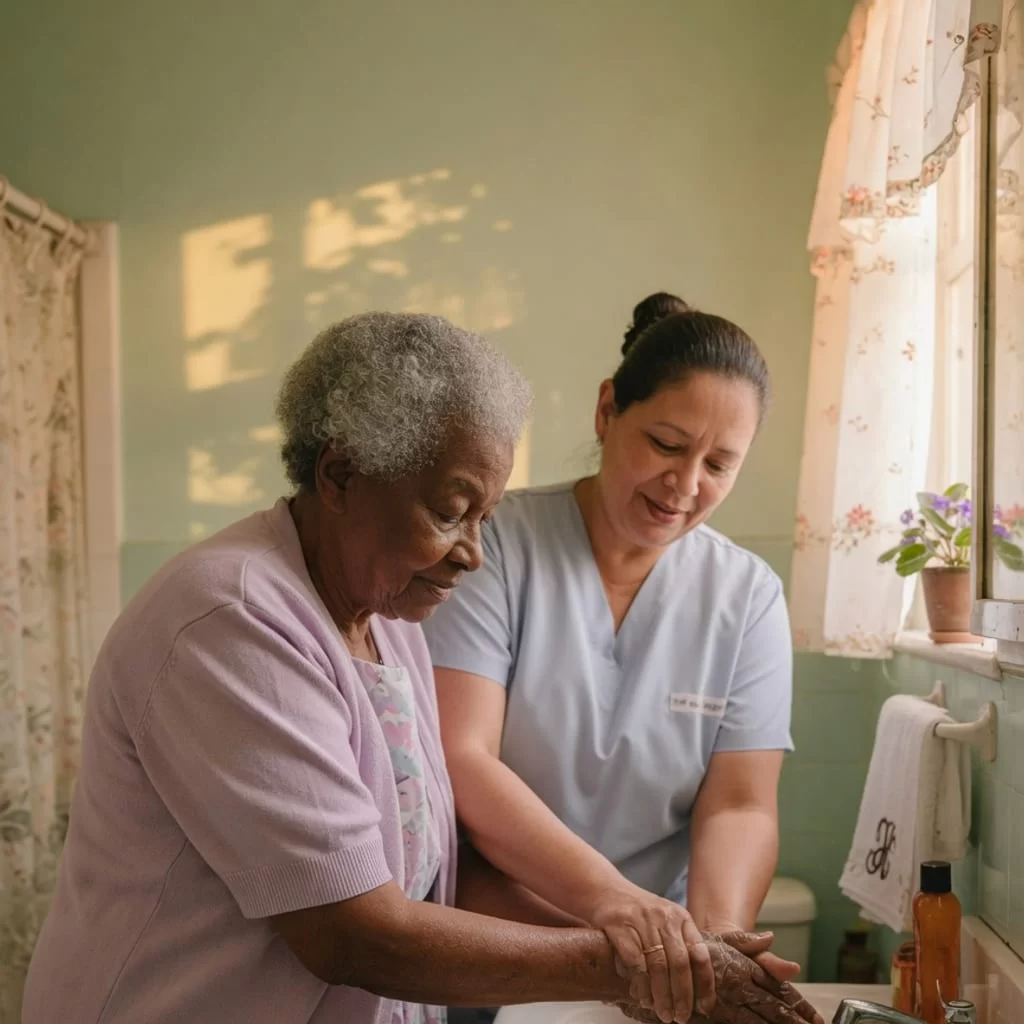
Watching a parent or loved one struggle with once-simple tasks like bathing, dressing, or getting out of bed can be heartbreaking. You want to help, but you may not know where to start or what kind of support is truly effective. Personal care assistance is designed to bridge that gap, offering skilled, compassionate help with the essential activities of daily living (ADLs) that allow seniors to remain safe, comfortable, and dignified in their own homes. For families in New York, understanding how this type of care works can be the first step toward peace of mind.
What Are Activities of Daily Living (ADLs)?
Activities of daily living, often abbreviated as ADLs, are the fundamental tasks that people perform every day to take care of themselves. Health professionals use ADLs as a key measure of a person’s functional status, especially as they age. The six core ADLs include bathing, dressing, toileting, transferring (moving from bed to chair or standing), continence management, and feeding. When a senior begins to struggle with one or more of these tasks, it often signals a need for outside assistance.
Personal care assistance focuses specifically on helping with these basic needs. Unlike skilled nursing care, which requires medical training, personal care is provided by trained home health aides or personal care assistants who are experts in supporting seniors with ADLs. This type of care is not about taking over; it is about providing the right level of help so that the senior can maintain as much independence as possible. For example, an aide might assist with bathing by preparing the water and offering a steady arm, while the senior does as much as they can on their own.
Understanding which ADLs your loved one needs help with is the first step in creating a care plan. A professional assessment can identify specific challenges, such as difficulty stepping into a tub or trouble buttoning a shirt. From there, a personal care assistant can tailor their support to meet those exact needs, promoting safety and preserving dignity.
How Personal Care Assistance Supports Bathing and Hygiene
Bathing is one of the most common ADLs that seniors need help with. The fear of slipping in the tub or the physical effort required to wash can make bathing feel overwhelming. A personal care assistant can provide hands-on help with getting in and out of the shower or tub, washing hard-to-reach areas, and ensuring that the bathroom is safe with non-slip mats and grab bars. This support reduces the risk of falls, which are a leading cause of injury among older adults.
Beyond safety, personal care assistance also addresses hygiene needs like oral care, grooming, and skincare. An aide can remind a senior to brush their teeth, help with denture cleaning, and assist with applying lotion to dry skin. These small acts have a big impact on a senior’s overall health and self-esteem. Feeling clean and well-groomed can boost mood and social engagement, which is especially important for seniors who may be isolated.
For families, knowing that a trained professional is handling these intimate tasks can relieve a great deal of stress. You no longer have to worry about whether your loved one is bathing safely or skipping hygiene due to fatigue. The aide also provides an extra set of eyes, noticing changes in skin condition or mobility that might warrant a doctor’s visit. This proactive approach keeps small issues from becoming serious health problems.
Dressing and Grooming: Preserving Dignity and Independence
Getting dressed may seem simple, but for seniors with arthritis, Parkinson’s disease, or general weakness, it can be a daily struggle. Personal care assistants are trained to help with dressing in a way that respects the senior’s preferences and promotes independence. They might lay out clothes in the order they are to be put on, assist with buttons and zippers, or choose adaptive clothing with Velcro fasteners if needed. The goal is to make the process as smooth and dignified as possible.
Grooming tasks like combing hair, shaving, and applying makeup are also part of personal care assistance. These activities are not just about appearance; they are about maintaining a sense of normalcy and self-respect. An aide can help a senior style their hair the way they always have, or assist with shaving to prevent nicks and cuts. For many seniors, looking good helps them feel good, and that emotional boost can improve their overall outlook on life.
Personal care assistants also pay attention to safety during dressing. They can help seniors choose appropriate footwear to prevent falls, and ensure that clothing is not too tight or too loose, which can cause discomfort or tripping hazards. By working together, the senior and the aide create a routine that is efficient, safe, and respectful of the senior’s personal style.
Toileting and Incontinence Care with Compassion
Toileting is one of the most sensitive ADLs, and many seniors feel embarrassed about needing help. Personal care assistance addresses this need with professionalism and compassion. An aide can assist with transferring to and from the toilet, cleaning, and managing incontinence products like adult briefs or pads. The focus is always on maintaining the senior’s privacy and dignity as much as possible.
Incontinence care is a crucial part of personal care assistance. Untreated incontinence can lead to skin breakdown, urinary tract infections, and falls from rushing to the bathroom. A trained aide knows how to provide perineal care, change incontinence products, and encourage regular bathroom schedules to reduce accidents. They also monitor for signs of infection or skin irritation, alerting the family or healthcare provider if concerns arise.
For family caregivers, this aspect of care can be the most challenging to handle alone. Hiring a personal care assistant for toileting support can significantly reduce caregiver stress and burnout. It also ensures that the senior receives consistent, skilled care that prevents complications and maintains comfort. Knowing that a professional is managing this delicate task allows families to focus on quality time with their loved one.
Transferring and Mobility: Staying Safe at Home
Transferring refers to moving from one surface to another, such as from bed to a chair, from a chair to the toilet, or from sitting to standing. This ADL is critical for independence but can be dangerous if a senior is weak or unsteady. Personal care assistants are trained in proper body mechanics and transfer techniques to help seniors move safely. They may use gait belts, transfer boards, or simply offer a steady arm for support.
Mobility assistance goes beyond transfers. An aide can help a senior walk around the home, navigate stairs, or get in and out of a car. They also assist with using mobility aids like walkers, canes, or wheelchairs. By providing the right level of support, the aide helps prevent falls, which can have devastating consequences for seniors, including fractures and loss of independence.
Personal care assistants also help with exercises prescribed by a physical therapist to maintain or improve strength and balance. This proactive approach can slow the decline in mobility and help seniors stay active longer. For families, knowing that a trained professional is overseeing safe movement reduces anxiety and allows the senior to maintain a more active lifestyle within the home.
Feeding and Nutrition: Support at Mealtime
Eating is a basic need, but for seniors with conditions like dementia, stroke, or difficulty swallowing, mealtime can become a challenge. Personal care assistants can help with feeding, cutting food into safe portions, and ensuring that the senior is eating enough. They also assist with special diets, such as low-sodium, diabetic, or pureed foods, as prescribed by a doctor or dietitian.
Beyond feeding, personal care assistance includes monitoring hydration and encouraging fluid intake. Dehydration is common in older adults and can lead to confusion, urinary tract infections, and hospitalizations. An aide can offer water throughout the day, prepare nutritious snacks, and make mealtime a pleasant social experience. This support is especially valuable for seniors who live alone and may skip meals due to lack of motivation or difficulty cooking.
For families, having a personal care assistant at mealtimes provides peace of mind. You can be confident that your loved one is eating well and safely, without the risk of choking or malnutrition. The aide can also communicate any changes in appetite or weight to the family and healthcare team, ensuring that nutritional needs are consistently met.
Choosing the Right Personal Care Assistance in New York
Selecting a personal care agency is an important decision. Look for an agency like Rockaway Home Care that is licensed, bonded, and insured, with a reputation for compassionate, reliable service. In New York, personal care services may be available through programs like the Consumer Directed Personal Assistance Program (CDPAP), which allows family members to become paid caregivers, or through traditional home care agencies that provide trained aides.
When evaluating an agency, ask about the training and supervision of their aides. Do they conduct background checks? Do they provide ongoing training in dementia care, fall prevention, and communication? A good agency will match your loved one with an aide who has the right skills and personality to build a trusting relationship. It is also important to discuss scheduling, backup plans, and how the agency handles emergencies.
Many families worry about the cost of personal care assistance, but there are options. In New York, Medicaid may cover personal care services for eligible individuals, and some long-term care insurance policies also provide coverage. The team at Rockaway Home Care can help you navigate these options and find a solution that fits your budget and needs. Remember, investing in personal care assistance is an investment in your loved one’s safety, health, and quality of life.
Frequently Asked Questions
What is the difference between personal care assistance and home health aide services?
Personal care assistance focuses on help with activities of daily living, such as bathing, dressing, and toileting. Home health aide services may include these tasks but also involve some basic health monitoring, like checking vital signs, under the supervision of a nurse. Both types of care are provided by trained aides, but home health aides often have additional training for medical-related tasks.
How do I know if my loved one needs personal care assistance?
Signs that a senior may need help include difficulty bathing, dressing, or using the bathroom; frequent falls or near falls; weight loss due to trouble eating; or poor hygiene. A professional assessment by a home care agency or healthcare provider can help determine the level of support needed. If you notice your loved one struggling with daily tasks, it is wise to seek an evaluation.
Can personal care assistance be provided in a senior’s own home?
Yes, personal care assistance is typically provided in the senior’s own home, whether that is a private residence, an apartment, or a senior living community. The goal is to help seniors age in place safely and comfortably. Aides can visit for a few hours a day or provide live-in care, depending on the senior’s needs and preferences.
Does Medicare cover personal care assistance?
Original Medicare does not cover personal care assistance, but it may cover short-term home health aide services if you are also receiving skilled nursing or therapy. However, in New York, Medicaid may cover personal care services for eligible individuals. Some long-term care insurance policies also include coverage. It is best to consult with a home care agency or a benefits advisor to explore your options.
How can I get started with personal care assistance for my loved one?
The first step is to contact a reputable home care agency like Rockaway Home Care. They will conduct a free in-home assessment to understand your loved one’s needs and preferences. Then, they will create a personalized care plan and match you with a trained aide. The process is designed to be as smooth and stress-free as possible for families.
If you are reading this and feeling overwhelmed by the challenges of caring for an aging loved one, please know that you are not alone. Personal care assistance can make a profound difference in your loved one’s daily life and in your own peace of mind. We invite you to reach out to Rockaway Home Care for a free, no-obligation consultation. Our caring team will listen to your concerns, answer your questions, and help you explore the best options for your family. Let us help you bring comfort, safety, and dignity back into your loved one’s home.
This article provides general information about personal care assistance and activities of daily living. It is not a substitute for professional medical advice, diagnosis, or treatment. Always seek the advice of your physician or other qualified healthcare provider with any questions you may have regarding a medical condition or care plan.
More from the Rockaway Home Care blog
- Understanding Medicaid home care eligibility
- Top questions families ask about home care costs
- Choosing between live-in care and hourly home care
- How to create a home care plan for a loved one