
Preventing Caregiver Theft: Home Security Tips
Discover practical, compassionate strategies to prevent caregiver theft in your home, from background checks to smart home security, while maintaining trust and dignity for your loved one.
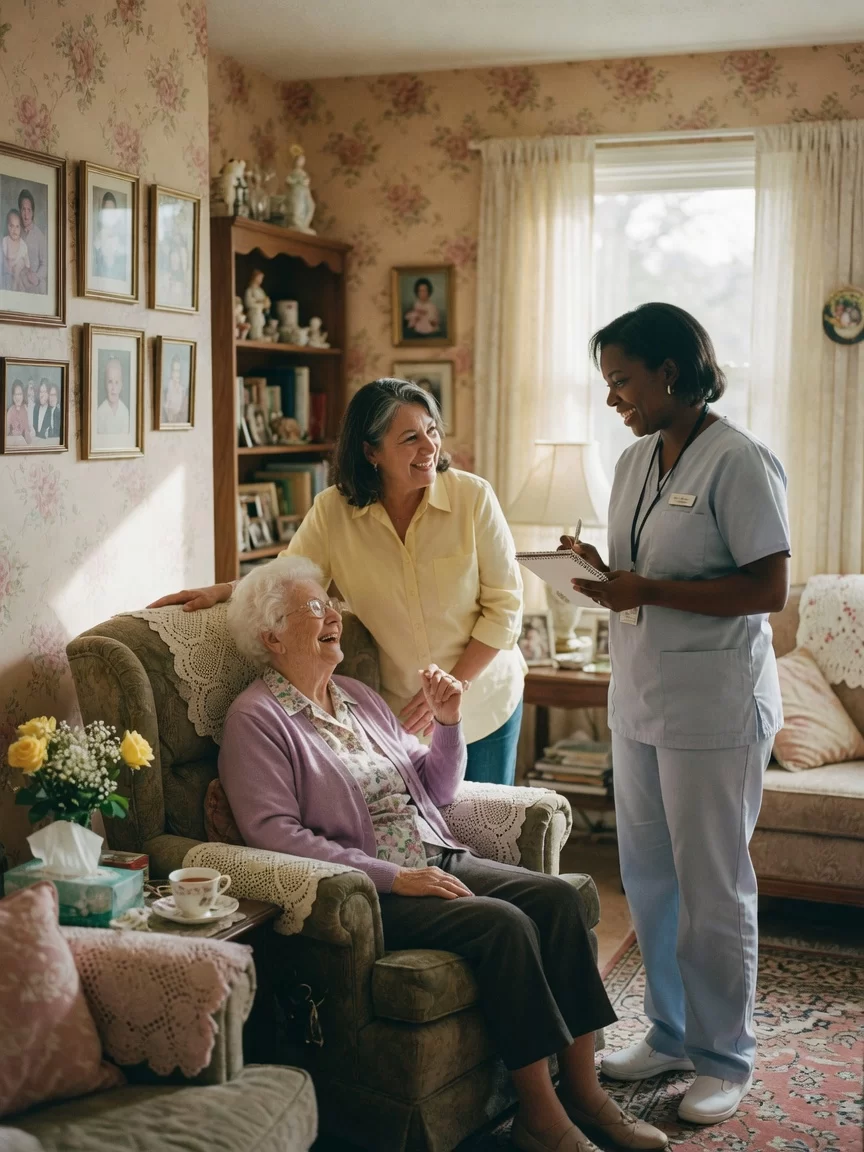
When you invite a caregiver into your parent’s home, you are trusting that person with two of the most precious things in your life: your loved one’s well-being and the security of your family home. It is a decision made out of love and necessity, often after long discussions and careful thought. But what happens when that trust is broken? Caregiver theft is a harsh reality that many families face, and it can leave you feeling violated, angry, and unsure of where to turn. The good news is that you can take proactive, compassionate steps to protect your home and your senior without creating an atmosphere of suspicion or hostility. This guide is designed to help you navigate this sensitive issue with practical, effective strategies that keep your loved one safe and your mind at ease.
Understanding the Reality of Caregiver Theft
Caregiver theft is more common than most people realize. It can range from small, seemingly insignificant items like a few dollars from a purse to more serious crimes such as identity theft or the unauthorized use of credit cards. In many cases, the theft is not premeditated; it may start with a small temptation that escalates over time. For example, a home health aide might notice a stack of cash on a dresser and decide to take a twenty, thinking it will go unnoticed. Later, they might take more, or they might start using a client’s credit card for personal purchases.
The emotional impact on families is profound. You may feel guilty for not noticing sooner, or you may worry about confronting the caregiver and risking your loved one’s care. It is important to understand that theft is never the victim’s fault, and taking steps to prevent it is a responsible act of care, not a sign of distrust. By educating yourself about the risks and implementing simple safeguards, you are not only protecting your assets but also ensuring that your senior receives care in a secure and dignified environment.
Moreover, understanding the typical patterns of caregiver theft can help you recognize red flags early. These may include sudden changes in the caregiver’s behavior, such as becoming overly protective of certain areas of the home, or unexplained financial activity on your loved one’s accounts. Being aware does not mean you are paranoid; it means you are attentive. In the following sections, we will explore specific, actionable steps you can take to minimize risk while maintaining a positive and trusting relationship with your caregiver.
Start with Thorough Background Checks and Hiring Practices
The first line of defense against caregiver theft is a rigorous hiring process. Whether you are using a home care agency or hiring an independent caregiver, you have the right to ask for and verify references, conduct a criminal background check, and confirm professional certifications. A reputable agency like Rockaway Home Care conducts comprehensive screenings, but if you are hiring privately, you must take these steps yourself. For example, you can request a national criminal background check, which will reveal any past convictions for theft or fraud, and you should also check the caregiver’s driving record and professional license history.
Do not rely solely on a resume or a friendly interview. Take the time to call each reference and ask specific questions about the caregiver’s reliability, honesty, and experience with seniors. You might ask, ‘How did the caregiver handle situations where money or valuables were present?’ or ‘Did you ever have any concerns about the caregiver’s integrity?’ While references may be reluctant to share negative information, they will often provide subtle cues if you listen carefully.
Additionally, consider conducting a trial period before committing to a long-term arrangement. This gives you and your loved one time to observe the caregiver in action and assess their trustworthiness in a real-world setting. During this trial, you can also set clear expectations about your home’s rules and boundaries. Remember, a professional caregiver will understand and appreciate your diligence; it shows that you value the safety of your home and your family member.
Secure Valuables and Important Documents
One of the simplest yet most effective ways to prevent caregiver theft is to remove temptation altogether. This does not mean you have to hide everything; it means you should secure items that are easily accessible and highly valuable. Start by identifying what is most at risk: cash, jewelry, credit cards, checkbooks, and important documents such as Social Security cards, passports, and bank statements. These items should be stored in a locked drawer, a safe, or a secure lockbox that only you and your loved one have access to.
For example, instead of leaving your mother’s jewelry box on the dresser, move it to a locked cabinet or a small safe in the closet. If your father keeps a wallet with cash in his pants pocket, suggest that he place it in a secure spot when he is not using it. You can also set up automatic bill payments and direct deposits to reduce the amount of physical checks and cash in the home. This not only protects against theft but also simplifies your loved one’s financial management.
It is also wise to keep a detailed inventory of your loved one’s valuables, including photographs and serial numbers where applicable. This documentation serves two purposes: it helps you notice if something is missing, and it provides evidence if you need to file a police report or an insurance claim. Update this inventory regularly, and review it with your loved one to ensure everything is accounted for. By taking these precautions, you are creating a secure environment that discourages theft before it can happen.
Implement Routine Financial Monitoring
Regularly reviewing your senior’s financial accounts is a critical step in detecting and preventing caregiver theft. This means more than just glancing at a bank statement once a month; it involves actively checking for unusual transactions, such as small withdrawals, cash advances, or purchases that do not match your loved one’s habits. For instance, if your mother rarely shops online but you see a charge from an online retailer, that is a red flag worth investigating.
Set up alerts on your loved one’s accounts for any transaction over a certain amount, such as fifty dollars. These alerts can be sent to your phone or email, giving you real-time visibility into any activity. Additionally, consider using a credit monitoring service that tracks changes to your loved one’s credit report, which can help you spot identity theft early. You should also review your loved one’s mail for new credit cards, loan offers, or other financial documents that they did not initiate.
When you do routine financial check-ins, do them with your loved one present. This is not only a practical way to stay informed but also a way to involve them in their own financial care. For example, you might sit down together once a week to review recent transactions and discuss any concerns. This practice builds trust and ensures that your senior remains an active participant in their own life, rather than feeling like a passive observer. If you do notice suspicious activity, address it immediately with the caregiver or agency, and consider escalating to law enforcement if necessary.
Use Technology Wisely: Cameras and Monitoring Devices
Technology offers powerful tools for home security, but using them requires a balance between safety and privacy. Video cameras, motion sensors, and smart home devices can deter theft and provide evidence if it occurs. For example, you might install a small, discreet camera in common areas like the living room or kitchen, where caregiving activities typically take place. This can help you monitor interactions and ensure that your loved one is being treated with respect and care.
However, it is essential to be transparent about the use of cameras. In most states, it is legal to record video in common areas of your own home, but it is illegal to record in private spaces like bathrooms or bedrooms without consent. Always inform the caregiver that cameras are present and explain that they are for the safety of both your loved one and the caregiver. This transparency helps maintain trust and avoids any legal or ethical issues.
In addition to cameras, consider using smart home devices that can track activity, such as door sensors that alert you when a door is opened, or smart locks that allow you to control access remotely. These tools can give you peace of mind without being intrusive. For instance, you might set up a smart lock that logs every entry and exit, and you can review the log to see if the caregiver is coming and going at expected times. Remember, the goal is not to spy but to create a secure environment that protects your loved one and your family’s assets.
Create Clear Boundaries and Communication Protocols
Open and honest communication with your caregiver is one of the most effective ways to prevent misunderstandings and theft. From the very first day, establish clear boundaries about what is acceptable and what is not. For example, you might create a written agreement that outlines the caregiver’s duties, including that they are not to handle any of your loved one’s finances, sign any documents, or accept gifts from clients. This agreement should be signed by both parties and kept on file.
Encourage your loved one to speak up if they feel uncomfortable or if they notice anything unusual. Many seniors are reluctant to report a caregiver because they fear losing their care or being seen as a burden. Reassure your parent that their safety and comfort are the top priority and that they can come to you with any concern, no matter how small. For instance, if your father mentions that the caregiver has been asking about his savings, that is a conversation you need to have with the caregiver immediately.
Additionally, establish a protocol for handling any suspected theft. Decide in advance how you will approach the situation: will you confront the caregiver directly, contact the agency, or call the police? Having a plan in place reduces stress and ensures that you act swiftly and appropriately. Remember, it is always better to address a concern early than to let it escalate. A professional caregiver will understand that you are looking out for your loved one’s best interests, and they will respect your vigilance.
Work with a Trusted Home Care Agency
Choosing to work with a licensed and reputable home care agency like Rockaway Home Care can significantly reduce the risk of caregiver theft. Agencies conduct thorough background checks, provide ongoing training, and supervise their employees, which adds an extra layer of accountability. They also have protocols in place for handling complaints and incidents, so you are not left to navigate a difficult situation alone.
When you hire through an agency, you can request a caregiver who has a proven track record of trustworthiness. Agencies often have access to more comprehensive background checks than private individuals, including state and federal criminal databases. They also carry liability insurance, which can provide financial protection in the unlikely event of theft or damage. Furthermore, agencies typically have a supervisor who can visit the home periodically to check in on both the caregiver and the client, ensuring that everything is going smoothly.
If you are already using an agency, do not hesitate to communicate any concerns you have. A good agency will take your worries seriously and may offer to replace the caregiver if necessary. For example, if you notice that cash has gone missing and you suspect the caregiver, you can report it to the agency, and they will investigate and take appropriate action. This partnership approach gives you peace of mind and demonstrates that you are proactive about protecting your loved one.
Recognizing the Signs of Theft and Taking Action
Even with the best precautions, theft can still occur. It is crucial to recognize the signs early so you can act quickly. Common indicators include missing cash or valuables, unexplained withdrawals from bank accounts, new credit cards or loans in your loved one’s name, or changes in the caregiver’s behavior, such as becoming defensive or evasive when asked about finances. You might also notice that your loved one seems anxious or upset around the caregiver, which could be a sign of emotional manipulation or abuse.
If you suspect theft, do not confront the caregiver alone. Instead, gather evidence first. Take photos of any missing items, save bank statements that show suspicious transactions, and document any conversations you have with the caregiver or your loved one. Then, contact the agency (if applicable) and, if necessary, file a report with the local police. In New York, you can also report suspected elder abuse to Adult Protective Services, which can investigate and provide support.
It is also important to talk to your loved one about what happened. They may feel embarrassed or scared, so approach the conversation with empathy and reassurance. Let them know that this is not their fault and that you are there to help. Removing the caregiver from the home should be done carefully, ideally with the support of the agency or law enforcement, to ensure everyone’s safety. After the incident, take steps to further secure your home, such as changing locks and reviewing your security measures, so that you can move forward with confidence.
Frequently Asked Questions
Is it legal to install cameras in my loved one’s home to monitor a caregiver?
Yes, it is generally legal to install video cameras in common areas of your own home, such as the living room or kitchen, as long as you are not recording in private spaces like bathrooms or bedrooms without consent. It is important to inform the caregiver that cameras are present, as this promotes transparency and can serve as a deterrent to theft. Always check your local laws to ensure you are in compliance.
What should I do if I suspect my caregiver is stealing from my parent?
First, gather evidence by documenting any missing items or suspicious financial transactions. Do not confront the caregiver alone; instead, contact the home care agency (if you are using one) and report your concerns. If the situation is serious, you may also file a report with the police or Adult Protective Services. It is also important to talk to your loved one and reassure them that they are safe and supported.
How can I prevent caregiver theft without making my loved one feel uncomfortable?
You can take preventive steps discreetly, such as securing valuables in a locked safe and setting up financial alerts. Have open conversations with your loved one about home security, framing it as a way to protect everyone, including the caregiver. By involving your senior in the process, you can maintain their dignity and sense of control while ensuring their safety.
Are home care agencies responsible for theft committed by their employees?
Reputable home care agencies conduct background checks and may carry liability insurance, which can cover losses in some cases. If theft occurs, you should report it to the agency immediately, as they have a responsibility to investigate and take disciplinary action. However, the agency’s liability may depend on the specific circumstances and their policies, so it is important to review your contract and discuss any incidents with the agency directly.
What are some subtle signs that a caregiver might be stealing?
Subtle signs include small amounts of cash going missing, unexplained purchases on credit cards, or the caregiver showing an unusual interest in your loved one’s finances. You might also notice that the caregiver is overly eager to handle bills or mail, or that your loved one becomes withdrawn or anxious around the caregiver. Trust your instincts and investigate any changes in behavior or financial activity.
Protecting your loved one and your home from caregiver theft is not about being suspicious; it is about being responsible and caring. By implementing the strategies outlined in this guide, you can create a safe and secure environment that allows your senior to receive the care they deserve with dignity and peace of mind. Remember, you are not alone in this journey. At Rockaway Home Care, we are committed to providing trustworthy, compassionate caregivers who are thoroughly vetted and trained. If you have any concerns or would like to learn more about our services, we invite you to reach out for a free consultation. Our team is here to support you and your family every step of the way.
This article provides general information and is not a substitute for professional medical, legal, or financial advice. Always consult with qualified professionals for specific guidance related to your situation.
This article is general information, not medical advice. Please consult a qualified professional about your own situation.
More from the Rockaway Home Care blog
- Understanding Medicaid home care eligibility
- Top questions families ask about home care costs
- Choosing between live-in care and hourly home care
- How to create a home care plan for a loved one