
Preventing Falls at Home: A Room-by-Room Safety Checklist for Seniors
Falls are a leading cause of injury among older adults, but many can be prevented. This comprehensive room-by-room checklist helps families create a safer home environment for aging loved ones.
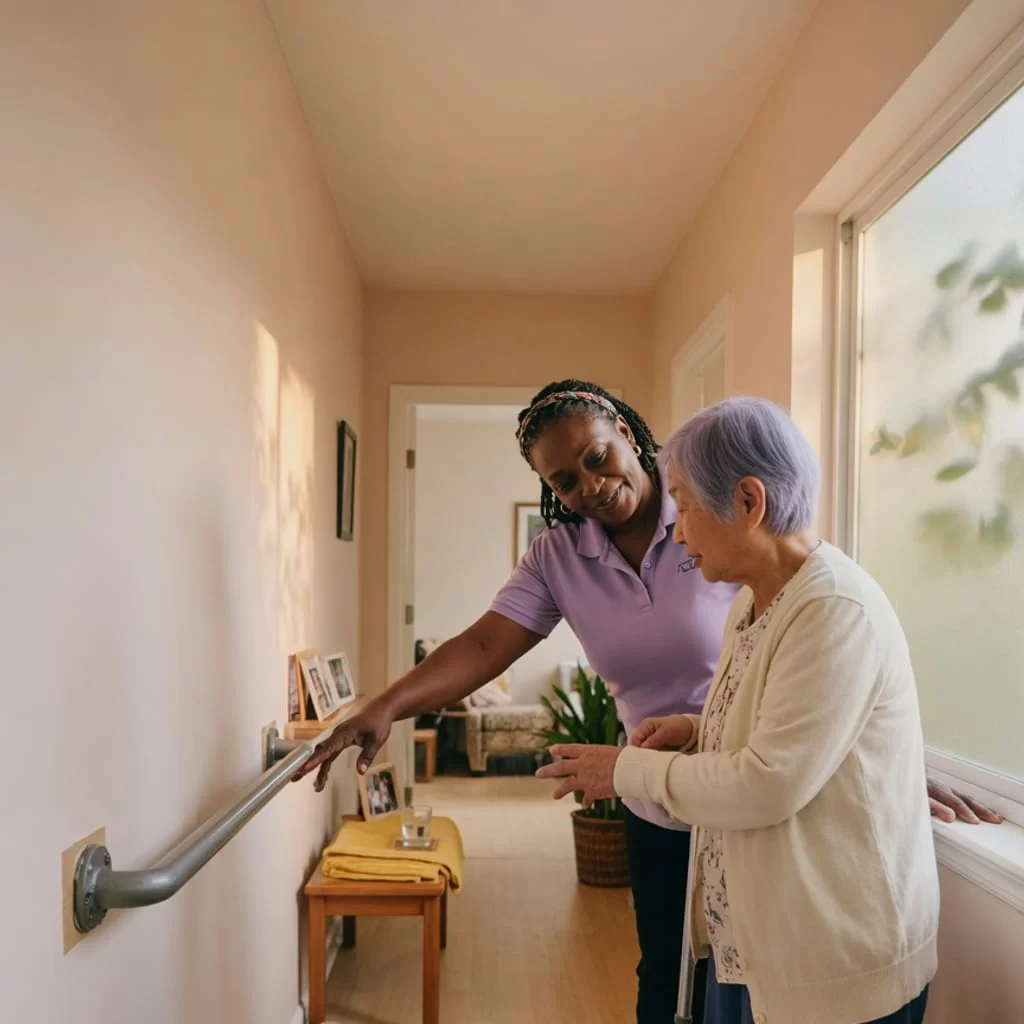
Falls are one of the most common and serious threats to an older adult’s independence. According to the Centers for Disease Control and Prevention, one in four Americans aged 65 and older falls each year, and falls are the leading cause of fatal and nonfatal injuries among seniors. But here is the encouraging truth: most falls are preventable. With a thoughtful, room-by-room approach, you can dramatically reduce the risk for your loved one. At Rockaway Home Care, we believe that a safe home is the foundation for a vibrant, dignified life. This guide walks you through every room in the house, offering practical, low-cost changes that can make a world of difference.
Why Falls Happen and How to Think About Prevention
Falls rarely have a single cause. They often result from a combination of physical changes, environmental hazards, and daily habits. As we age, vision, balance, and muscle strength can decline. Medications may cause dizziness or drowsiness. Throw rugs, poor lighting, and clutter become hidden dangers. The key is to see the home through a new lens: one that prioritizes clear pathways, stable surfaces, and easy access to support. Prevention is not about stripping the home of personality; it is about thoughtful adjustments that allow your loved one to move safely and confidently.
Start by walking through each room with a critical eye. Get down to eye level, literally. Crouch or sit in a chair to see what your loved one sees. Look for cords, uneven flooring, or furniture that is too low. Ask yourself: if I needed to steady myself, what would I grab? Is that lamp stable? Is that rug slipping? This mindset shift is the first step toward a safer home.
Living Room: Clearing Pathways and Securing Surfaces
The living room is often the heart of the home, but it can also be a fall hazard zone. Start by removing or securing all throw rugs and runners. Use double-sided carpet tape or non-slip pads to keep them firmly in place. Better yet, consider removing them entirely, especially in high-traffic areas. Arrange furniture so there is a clear, wide path from the entrance to the seating area and to the hallway. Avoid low coffee tables or ottomans that can be tripped over. Ensure that all electrical cords are tucked along walls, not crossing walkways.
Lighting is critical. Install nightlights or motion-sensor lights in the living room, especially near the entrance and along the path to the bathroom. Make sure lamps are easy to reach from seating positions, with switches that are simple to operate. Consider a lamp with a touch base or a voice-activated smart bulb. Remove any clutter from the floor, such as magazines, shoes, or pet toys. A tidy living room is a safer living room. Finally, check that all furniture is sturdy. Chairs and sofas should be at a height that makes sitting and standing easy, ideally with armrests for support.
Quick Living Room Checklist
- Remove or secure all throw rugs with non-slip backing.
- Create clear, wide pathways free of cords and clutter.
- Install nightlights or motion-sensor lights.
- Ensure furniture is stable and at a comfortable height.
- Keep frequently used items within easy reach.
Kitchen: Organizing for Safety and Efficiency
The kitchen presents unique challenges: hot surfaces, slippery floors, and the need to reach for items. Start with the floor. Use non-slip mats in front of the sink and stove, and ensure they are flat and not curled at the edges. Clean up spills immediately. Store everyday items, such as dishes, glasses, and frequently used pots, in lower cabinets between waist and shoulder height. This eliminates the need to use a step stool or stretch dangerously. If a step stool is necessary, choose one with a handrail and wide, non-slip steps.
Lighting is essential in the kitchen. Make sure the work areas, especially the counter and stove, are well-lit. Consider under-cabinet lighting to reduce shadows. Keep a sturdy chair or stool nearby for tasks that require standing for a long time, like chopping vegetables. Use a long-handled reacher or grabber tool to retrieve items from high shelves. Avoid using the oven as a storage space, as bending and reaching can cause loss of balance. Finally, check that the stove has an automatic shut-off feature or a timer to prevent accidents.
Quick Kitchen Checklist
- Use non-slip mats near sink and stove.
- Store daily items at waist-to-shoulder height.
- Install adequate task lighting.
- Keep a sturdy stool or chair for seated tasks.
- Use a reacher tool for high shelves.
Bathroom: The Most Critical Room for Fall Prevention
The bathroom is the most dangerous room in the house for falls, due to wet, slippery surfaces and hard fixtures. The single most important upgrade is installing grab bars. Place them inside and outside the shower or tub, and next to the toilet. Do not rely on towel racks or soap dishes, which are not designed to support weight. Use a shower chair or a transfer bench to allow seated bathing. A handheld showerhead makes bathing easier and safer. Replace standard bath mats with non-slip adhesive strips or a rubber mat inside the tub or shower.
Consider a raised toilet seat or a toilet safety frame to make sitting and standing easier. Keep the bathroom floor dry at all times. Use a bath mat with a non-slip backing outside the shower. Install a nightlight or a motion-activated light that turns on when someone enters. Keep toiletries within easy reach, ideally on a shelf or caddy at waist height. If the bathroom is small, remove any unnecessary furniture or clutter. A clear, open space reduces the risk of tripping.
Quick Bathroom Checklist
- Install grab bars near toilet and in shower/tub.
- Use a shower chair or transfer bench.
- Place non-slip strips or mat in the tub.
- Use a raised toilet seat or safety frame.
- Keep floor dry and clutter-free.
Bedroom: Creating a Safe Sleep Environment
The bedroom should be a sanctuary, but it can also be a place where falls occur, especially during the night. Start with the bed. It should be at a height that allows your loved one to sit on the edge with feet flat on the floor. If the bed is too high, use a bed riser; if too low, consider a bed lift. Keep a clear path from the bed to the bathroom. Remove any rugs or mats that could slip. Install a nightlight or a motion-sensor light that illuminates the path. A lamp with a touch switch or a voice-activated light on the nightstand is helpful.
Keep a phone, a glass of water, and a flashlight within easy reach from the bed. Consider a bed rail or a bedside grab bar to provide support when getting in and out of bed. Ensure that the floor is free of clutter, such as shoes, clothing, or cords. If your loved one uses a walker or cane, keep it within arm’s reach. Finally, check that the room is not too dark. A small, dim light left on overnight can prevent disorientation and falls.
Quick Bedroom Checklist
- Ensure bed height allows feet to touch the floor.
- Clear a path from bed to bathroom.
- Install nightlights or motion-sensor lights.
- Keep phone, water, and flashlight within reach.
- Use a bed rail or bedside grab bar if needed.
Stairs and Hallways: Ensuring Safe Transitions
Stairs are a major fall risk, especially if they are narrow, poorly lit, or have loose carpeting. Install handrails on both sides of the staircase, and make sure they are securely anchored. The handrails should extend the full length of the stairs, including the top and bottom landings. Ensure that the stairs are well-lit, with a light switch at both the top and bottom. Consider adding non-slip treads or adhesive strips to each step. Remove any clutter from the stairs, such as shoes, books, or pet toys.
Hallways should be wide and clear. Remove any furniture that narrows the path. Install nightlights or motion-sensor lights along the hallway, especially near the bathroom and bedroom doors. If your loved one uses a walker or wheelchair, ensure that the hallway is wide enough for easy passage. Check that the flooring is even and secure. Loose carpet or uneven tiles should be repaired immediately. A clear, well-lit hallway is a safe hallway.
Quick Stairs and Hallways Checklist
- Install handrails on both sides of stairs.
- Ensure stairs are well-lit with switches at both ends.
- Add non-slip treads to each step.
- Keep hallways clear of furniture and clutter.
- Repair any loose carpet or uneven flooring.
Outdoor Areas: Extending Safety Beyond the Front Door
Falls can happen outside the home as well. Check the condition of walkways, driveways, and steps. Repair any cracks, uneven surfaces, or loose stones. Ensure that outdoor lighting is adequate, especially near the entrance, garage, and along pathways. Motion-sensor lights are a great option. Install handrails on any outdoor steps, and consider adding non-slip treads. Keep walkways clear of leaves, snow, and ice. In winter, use salt or sand to improve traction.
If your loved one uses a walker or wheelchair, ensure that the path from the car to the front door is smooth and wide enough. Consider a ramp if there are steps. Keep outdoor furniture stable and on level ground. Remove garden hoses, tools, and other tripping hazards from walkways. A safe outdoor environment allows your loved one to enjoy fresh air and sunshine without unnecessary risk.
Quick Outdoor Checklist
- Repair cracks and uneven surfaces on walkways.
- Install adequate outdoor lighting, including motion sensors.
- Add handrails and non-slip treads to steps.
- Keep walkways clear of debris, snow, and ice.
- Ensure a clear, smooth path from car to entrance.
Frequently Asked Questions
What is the single most important thing I can do to prevent falls at home?
The most impactful step is to improve lighting throughout the home, especially in hallways, bathrooms, and on stairs. Good lighting reduces the risk of tripping over unseen obstacles and helps with balance. Nightlights and motion-sensor lights are inexpensive and easy to install.
Are grab bars really necessary in the bathroom?
Yes, grab bars are essential. They provide stable support when getting in and out of the shower or tub and when using the toilet. Towel racks and soap dishes are not designed to support body weight and can pull away from the wall, causing a fall. Professional installation is recommended to ensure they are securely anchored.
How can I make my loved one’s home safer without making it feel like a hospital?
Focus on subtle, attractive solutions. Choose grab bars in finishes that match the bathroom fixtures. Use non-slip mats that look like decorative rugs. Install nightlights that blend into the decor. The goal is to create a safe environment that still feels like home. Many safety products are now designed with aesthetics in mind.
What should I do if my loved one has already fallen?
First, seek medical attention to rule out injury. Then, work with their doctor to identify any underlying causes, such as medication side effects, vision changes, or balance issues. Use the fall as a catalyst to conduct a thorough home safety assessment. Consider consulting an occupational therapist for a professional home evaluation.
How often should I reassess the home for fall risks?
It is a good idea to do a walk-through every three to six months, or whenever there is a change in your loved one’s health, mobility, or medication. As needs change, new hazards may emerge. Regular reassessment ensures that the home remains a safe and supportive environment.
Creating a safer home is one of the most loving and practical gifts you can give your aging family member. It is not about taking away their independence; it is about preserving it. By making these thoughtful, room-by-room changes, you can help your loved one move through their home with confidence and peace of mind. At Rockaway Home Care, we are here to support you every step of the way. If you would like to learn more about how our caregivers can assist with fall prevention and daily safety, we warmly invite you to reach out for a free consultation. Together, we can create a home that is not only safe but truly a place of comfort and joy.
This article is for general informational purposes only and does not constitute medical advice. Always consult with a healthcare professional for personalized guidance on fall prevention and senior care.
More from the Rockaway Home Care blog
- Understanding Medicaid home care eligibility
- Top questions families ask about home care costs
- Choosing between live-in care and hourly home care
- How to create a home care plan for a loved one