
Seasonal Safety Tips for Families Caring for Aging Loved Ones
Learn practical seasonal safety tips to protect your aging loved one from weather-related hazards, falls, and health risks throughout the year.
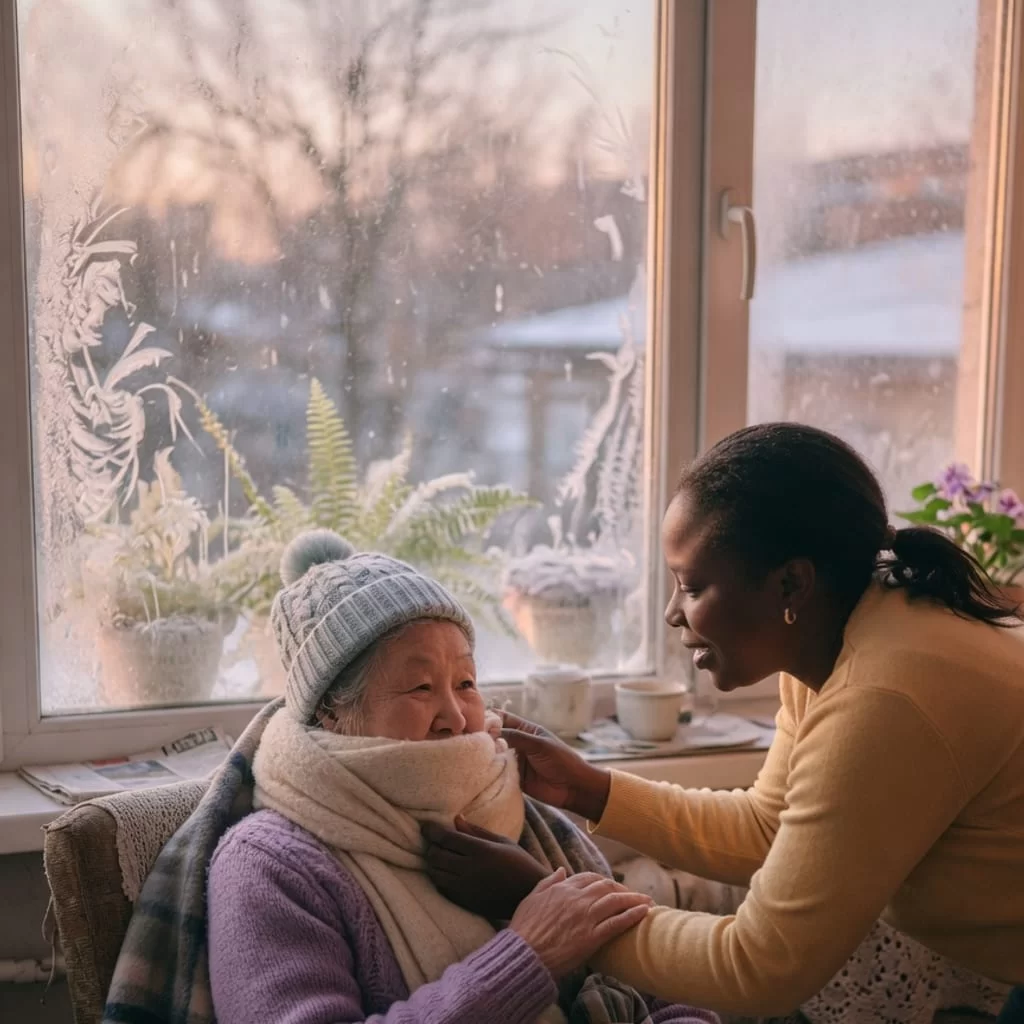
Caring for an aging loved one is a journey of love, patience, and constant vigilance. Each season brings its own set of challenges, from icy sidewalks in winter to scorching heat in summer. As a family caregiver, you want to ensure your parent or relative stays safe, comfortable, and healthy no matter what the calendar says. While no guide can replace professional medical advice, these seasonal safety tips can help you anticipate risks and take proactive steps to protect your loved one. At Rockaway Home Care, we understand the weight of your responsibility and are here to support you every step of the way.
Why Seasonal Safety Matters for Seniors
As we age, our bodies become more vulnerable to environmental changes. Thermoregulation becomes less efficient, making seniors more susceptible to heat stroke and hypothermia. Balance and coordination decline, increasing the risk of falls on wet or uneven surfaces. Immune systems weaken, leaving older adults more prone to seasonal illnesses like influenza. Furthermore, many chronic conditions, such as arthritis or heart disease, can flare up with weather shifts. Being aware of these vulnerabilities allows you to tailor your caregiving approach to each season, reducing risks and enhancing your loved one’s quality of life.
Seasonal safety also extends beyond physical health. Shorter days in autumn and winter can lead to feelings of isolation or depression, while the bustle of summer might disrupt routines. A holistic safety plan considers mental and emotional well-being alongside physical safeguards. Simple adjustments, like ensuring adequate lighting and maintaining social connections, can make a profound difference. Remember, small proactive measures often prevent larger emergencies down the road.
Year-Round Fall Prevention Strategies
Falls are the leading cause of injury among older adults, and the risk persists regardless of the season. A comprehensive fall prevention plan starts inside the home. Remove loose rugs, secure electrical cords, and ensure walkways are clutter-free. Install grab bars in the bathroom and handrails on both sides of staircases. Encourage your loved one to wear non-slip footwear both indoors and out. Regular vision and medication reviews are equally important, as poor eyesight or dizziness from drugs can increase fall risk.
Outdoor safety requires extra attention. Keep pathways clear of leaves, snow, or water. During wet or icy weather, consider arranging for professional snow removal or using a service like Rockaway Home Care’s aides to accompany your loved one outside. For those who use walkers or canes, check that the tips are in good condition and provide traction. Gentle exercise, such as tai chi or seated leg lifts, can improve balance and strength. Even 15 minutes a day can reduce fall risk significantly. Always consult with a healthcare provider before starting a new exercise routine.
Winter Weather: Cold, Ice, and Indoor Risks
Winter poses unique dangers for older adults. Cold temperatures can lead to hypothermia even indoors, especially if the heating system is inadequate or the home is drafty. Set the thermostat to at least 68-70 degrees Fahrenheit and encourage your loved one to dress in layers, including warm socks and a hat indoors. Check for signs of hypothermia, such as shivering, confusion, or slurred speech, and know when to seek medical help. Additionally, dry winter air can exacerbate respiratory issues; using a humidifier can ease breathing.
Icy sidewalks and driveways are treacherous. Stock up on rock salt or sand to improve traction, but remember that shoveling can be hazardous for both you and your loved one. Consider hiring a snow removal service or asking neighbors for assistance. Inside the home, be mindful of space heaters: keep them at least three feet away from flammable materials and never leave them unattended. Carbon monoxide poisoning is another winter risk, especially if using fireplaces or generators. Install detectors and test batteries monthly. Good lighting near entryways and along outdoor paths can prevent missteps in the dark winter evenings.
Spring Safety: Allergies, Gardening, and Rain
Spring brings renewal but also allergies and slippery conditions. Pollen counts rise, triggering hay fever and asthma in sensitive seniors. Keep windows closed on high-pollen days, use air purifiers, and encourage your loved one to change clothes after spending time outdoors. Over-the-counter antihistamines can help, but consult a doctor to avoid interactions with other medications. Rain showers make walkways slick; apply non-skid mats at doorways and wipe up tracked-in water immediately.
Gardening is a wonderful activity for many seniors, offering gentle exercise and a connection to nature. However, it comes with risks. Ensure your loved one uses ergonomic tools, takes frequent breaks, and stays hydrated. Raised garden beds can reduce the need to bend or kneel. Sunscreen and a wide-brimmed hat are essential even on cloudy days. Watch for signs of overexertion, such as shortness of breath or dizziness. If mobility is limited, consider container gardening on a patio or balcony. Spring is also an excellent time to review emergency supplies and refresh first-aid kits, as warmer weather often brings storms and power outages.
Summer Heat: Hydration and Heat-Related Illness
Summer heat can be dangerous for older adults, whose bodies may not cool as efficiently. Heat stroke and heat exhaustion are real threats. Encourage your loved one to drink water regularly, even if they don’t feel thirsty. Set a timer or offer small glasses of water throughout the day. Avoid alcohol and caffeine, which can contribute to dehydration. Keep the home cool with fans, air conditioning, or by drawing curtains during peak heat. If your loved one doesn’t have air conditioning, consider visiting a cooling center, library, or shopping mall during the hottest part of the day.
Outdoor activities should be limited to early morning or late evening when temperatures are lower. Lightweight, light-colored clothing and a wide-brimmed hat are essential. Watch for warning signs of heat-related illness: nausea, headache, rapid pulse, and confusion. If symptoms appear, move to a cool place, apply cold compresses, and call for medical help. Sun protection is crucial, too; use a broad-spectrum SPF 30+ sunscreen and reapply every two hours. Summer is also a peak time for insects; use insect repellent and check for ticks after walks in grassy or wooded areas. Ensure your loved one’s outdoor seating area has shade and a comfortable place to rest.
Autumn Concerns: Flu Season and Diminished Daylight
Autumn ushers in flu season and shorter daylight hours, both of which require careful planning. The flu can be particularly severe for seniors, so encourage a flu vaccine early in the season. Hand hygiene is paramount: keep hand sanitizer accessible and remind your loved one to wash hands frequently. If visiting healthcare settings or crowded places, consider wearing a mask. Boost immune health with nutritious meals rich in vitamins C and D, and ensure adequate sleep. For those caring for a loved one with dementia, the change in routine during holidays can be confusing; maintain a consistent schedule as much as possible.
With the clocks falling back, darkness arrives earlier. Good lighting is critical for preventing falls and maintaining mood. Install automatic timers for indoor and outdoor lights, and keep pathways well-lit. Reflective tape on stairs and handrails can provide extra visibility. Shorter days can also trigger seasonal affective disorder (SAD) in some seniors. A light therapy lamp can help, but consult a doctor first. Encourage outdoor walks during daylight hours to soak up natural light and vitamin D. Autumn is also a time for leaf accumulation: keep walkways clear of wet leaves, which become slippery. Consider hiring help for yard work if your loved one is not able to manage it safely.
Creating a Safe Home Environment All Year
A proactive approach to home safety can reduce risks across all seasons. Start with a thorough home safety assessment. Check that smoke and carbon monoxide detectors are working and have fresh batteries. Ensure the water heater is set no higher than 120 degrees Fahrenheit to prevent scalds. Keep a fire extinguisher in the kitchen and review escape routes. Use nightlights in hallways and bathrooms, and consider a medical alert system for peace of mind. Medication management is another year-round concern: organize pills in a weekly dispenser and review with a pharmacist or doctor regularly.
Personal emergency preparedness should not be overlooked. Maintain a list of emergency contacts and medical information in an easily accessible spot. Prepare a go-bag with essentials like medications, a flashlight, batteries, and important documents. Discuss what to do during severe weather events, such as hurricanes or blizzards. Rockaway Home Care caregivers can assist with these preparations and provide companionship during storms. Finally, involve your loved one in safety decisions as much as possible; respecting their autonomy helps maintain dignity and cooperation.
Frequently Asked Questions
How can I prevent slips on ice without my loved one giving up outdoor walks?
Consider using ice cleats that attach to shoes, providing extra traction. Encourage short, shuffle-like steps and use a walking aid with a wide base. If conditions are too treacherous, plan indoor walking routes, such as at a local mall or community center, to maintain exercise habits safely.
What is the best way to keep a senior hydrated in summer if they dislike plain water?
Offer water-rich foods like watermelon, cucumber, and oranges. Infuse water with lemon or berries for flavor. Serve small amounts of juice or herbal tea. Set a hydration schedule with gentle reminders, and use a special cup they enjoy to make drinking more appealing.
My loved one has allergies but is on multiple medications. Are antihistamines safe?
Always consult a doctor or pharmacist before giving any over-the-counter medication. Some antihistamines can cause drowsiness or interact with blood pressure drugs. Non-drowsy options might be better, but professional guidance is essential to avoid adverse effects.
How do I manage a senior's anxiety during winter isolation?
Maintain social connections through phone calls, video chats, or scheduled visits from caregivers. Encourage hobbies like puzzles, knitting, or reading. A pet can provide comfort, but only if the senior can care for it. Consider a light therapy lamp to combat SAD, and speak with a doctor if anxiety persists.
What should I include in a seasonal emergency kit for an aging loved one?
Pack a three-day supply of medications, a list of medical conditions and allergies, a flashlight with extra batteries, a portable phone charger, blankets, non-perishable food, bottled water, copies of important documents, and a first-aid kit. Also include comfort items like a favorite snack or book to reduce stress during an emergency.
Conclusion
Seasonal changes bring both beauty and challenges, but with thoughtful planning and a little extra care, you can help your loved one thrive all year round. From preventing falls to managing heat and flu season, each tip is a small investment in their safety and well-being. You don’t have to navigate this journey alone. At Rockaway Home Care, we offer compassionate, professional in-home care tailored to your family’s needs. Our trained caregivers assist with daily activities, provide companionship, and ensure a safe environment no matter the season. Contact us today for a free consultation to learn how we can support you and your aging loved one through every season.
This article is for informational purposes only and does not constitute medical advice. Always consult with your loved one's healthcare provider for personalized guidance.
More from the Rockaway Home Care blog
- Understanding Medicaid home care eligibility
- Top questions families ask about home care costs
- Choosing between live-in care and hourly home care
- How to create a home care plan for a loved one