
Senior Firearm Safety at Home: Storage and Access
A practical guide for families on senior firearm safety, focusing on secure storage, managing access, and having honest conversations with aging loved ones.
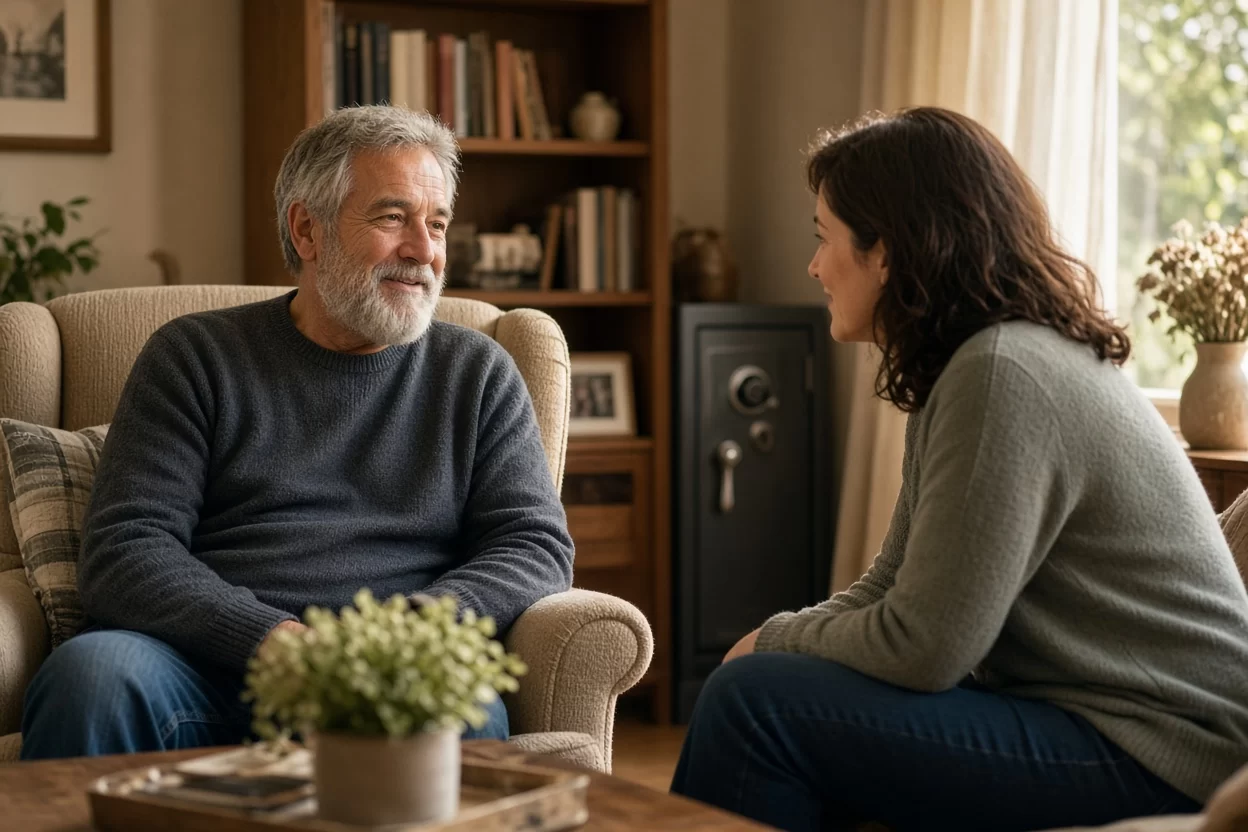
For many seniors, a firearm has been a lifelong companion: a tool for hunting, a source of recreation, or a deeply held means of personal protection. But as we age, physical and cognitive changes can make it harder to handle a firearm safely, and the risks of having one in the home can grow. If you are caring for an aging parent or loved one, you might find yourself wondering how to balance their independence with everyone’s safety. This is a sensitive subject, but it is one worth addressing with care, respect, and a clear plan.
The goal of this article is not to tell you that firearms must be removed from every senior home. Rather, we want to help you think through storage and access in a way that reduces risk while honoring your loved one’s preferences and dignity. Whether you are a family caregiver, a home health aide, or a concerned adult child, these practical steps can help you create a safer environment without turning the home into a fortress or a battleground.
Why Firearm Safety Becomes More Complex with Age
Aging brings changes that can affect firearm safety in subtle but significant ways. Vision problems can make it difficult to see a front sight clearly. Arthritis in the hands can reduce grip strength, making it harder to operate a trigger safely or to hold a weapon steady. Medications may cause dizziness, confusion, or slowed reaction times, which are dangerous when handling any mechanical device, especially a firearm.
Cognitive changes are often the most concerning. Conditions like mild cognitive impairment or early dementia can affect judgment, impulse control, and memory. A person who once followed gun safety rules without thinking may forget whether a weapon is loaded, may leave it in an accessible spot, or may become confused during a stressful situation. These changes are not a reflection of character; they are a natural part of aging for many people. Recognizing them is the first step toward preventing a tragedy.
It is also important to consider emotional factors. Seniors who live alone may feel vulnerable, and a firearm can provide a sense of security. The thought of giving up that security can feel like a loss of independence. As a caregiver, you can acknowledge these feelings while gently introducing safer approaches. The key is to frame storage solutions as a way to preserve independence, not to take it away.
Starting the Conversation: How to Talk to Your Loved One
Bringing up firearm safety with an aging parent can feel intimidating. Many families avoid the topic because they fear conflict or hurt feelings. However, avoiding it rarely makes the situation safer. A calm, respectful conversation is much more effective than a sudden intervention later. Choose a quiet time when neither of you is rushed or upset. Begin by expressing your care and concern, not by issuing demands.
Try using ‘I’ statements to keep the conversation collaborative. For example, you might say, ‘I have been thinking about how to make sure you feel safe at home, and I want to talk about your firearm and how we can make sure it is stored in a way that works for you.’ This approach invites your loved one to be part of the solution rather than feeling attacked. Ask open-ended questions, such as, ‘How do you feel about your gun these days?’ or ‘Have you noticed any changes in how you handle it?’
Be prepared for resistance. Your loved one may insist that everything is fine or may become defensive. If this happens, do not push too hard in that moment. Instead, suggest revisiting the topic another time, or ask if they would be willing to speak with a trusted third party, such as their doctor, a clergy member, or a professional home care provider. Sometimes hearing the same message from someone outside the family can make a difference.
Secure Storage Options: Beyond the Nightstand
One of the most effective ways to reduce risk is to change how a firearm is stored. The old habit of keeping a loaded gun in a nightstand drawer or under a pillow becomes more dangerous as memory or judgment decline. Fortunately, there are many modern storage solutions that balance quick access with safety.
Biometric Safes
Biometric safes use fingerprint recognition to open quickly, which can be ideal for a senior who wants to keep a firearm for home defense. These safes can be mounted beside a bed or in a closet, and they allow access in seconds without fumbling for a key or combination. However, it is important to test the safe regularly, as fingerprints can become less reliable with dry skin or age-related changes. Also, ensure your loved one can actually operate the safe under stress.
Combination or Keypad Safes
Keypad safes with a numeric code are another good option. They do not rely on physical dexterity as much as a key lock, and they can be programmed with a code your loved one can remember. For seniors with arthritis, keypads are often easier to use than traditional key locks. Just be sure to choose a model with large buttons and a backlit display for low-light conditions. Practice using it together several times so it becomes familiar.
Lockboxes and Cable Locks
If a full safe is not practical, a simple lockbox can secure a firearm when it is not in use. Many lockboxes are lightweight and can be stored on a shelf or in a closet. Cable locks, which thread through the action of a firearm, are another low-cost option. They prevent the gun from being fired while engaged, though they must be removed before use. These are good choices for seniors who are willing to store their firearm unloaded and with a separate lock for ammunition.
Whatever option you choose, make sure it is installed securely and that your loved one knows how to use it. A safe that is too complicated to open will likely be left unlocked, defeating its purpose. The best system is one that your loved one will actually use consistently.
Managing Access: Who Should Have Keys or Codes
Access management is about deciding who can reach a firearm and under what circumstances. In a senior household, this often means limiting access to the firearm owner alone, or to a trusted family member who can assist in an emergency. It also means making sure that grandchildren, neighbors, or visitors do not have easy access to a weapon.
If your loved one has a home health aide or other caregivers coming in, it is essential to discuss firearm storage with the agency. Reputable home care agencies, like Rockaway Home Care, have policies about firearms in the home, and they will work with families to ensure safety for everyone involved. Be transparent about where firearms are stored so that caregivers can avoid accidentally coming across them.
One practical approach is to keep ammunition stored separately from the firearm, ideally in a locked container. This adds an extra layer of safety if someone other than your loved one gains access to the gun. Another approach is to consider whether your loved one needs access to a firearm at all times. Some families agree that the firearm will be stored in a safe, and the key or code is kept by a trusted family member who can bring it when needed. This can be a good compromise for seniors who are no longer safe to handle a firearm independently but who do not want to give it up entirely.
Recognizing When It Is Time to Limit or Remove Access
There may come a time when secure storage is not enough, and you need to consider limiting or removing access altogether. This is a difficult decision, but it can be a necessary one for safety. Signs that it may be time include: forgetfulness about whether a gun is loaded, confusion about how to operate a firearm, a diagnosis of dementia or Alzheimer’s disease, a history of falls or dizziness, or expressions of hopelessness or depression.
If you notice any of these signs, do not wait for an accident to happen. Start by having a direct conversation with your loved one, involving their doctor if possible. A physician can provide an objective assessment of cognitive and physical abilities, which can help guide the decision. You may also want to consult a local gun shop or law enforcement agency about safe disposal or transfer options. Many communities have programs for voluntarily surrendering firearms or for transferring them to a licensed dealer.
When removal is necessary, try to do it in a way that preserves your loved one’s dignity. Explain that you are doing this out of love and concern, not as a punishment. Offer alternatives, such as keeping a less lethal form of protection, like pepper spray or a personal alarm, if they are concerned about home security. Reassure them that their identity and independence are not defined by their firearm.
Firearm Safety for Seniors with Dementia or Alzheimer’s
Dementia and Alzheimer’s disease present unique challenges for firearm safety. As cognitive decline progresses, a person may no longer understand how to safely handle a firearm, or they may become agitated or confused and reach for a weapon in a moment of distress. In these cases, secure storage alone is often insufficient. The safest approach is usually to remove firearms from the home entirely.
If you are caring for a loved one with dementia, begin by having a conversation early in the disease process, when they can still participate in decisions. Discuss what will happen to their firearms as their condition progresses, and make a plan together. This can include transferring ownership to a family member, selling the firearms, or storing them with a trusted friend or at a gun shop. Documenting these wishes in writing can help avoid conflict later.
For families who are not ready to remove firearms, consider using a gun safe that your loved one cannot open, with the key or code held by a caregiver. You may also want to remove firing pins or other essential parts so that the firearm cannot be used even if it is accessed. Remember that safety must come first, even if it means making an unpopular decision. Your loved one’s wellbeing, and the safety of everyone in the home, depends on it.
Creating a Home Safety Plan for Firearms
Developing a written home safety plan can help everyone in the household understand expectations and procedures for firearm safety. This plan does not need to be complicated; it can be a simple checklist that you review together. Start by identifying all firearms in the home, including those that may have been stored away for years. For each firearm, decide on a storage method, a location, and who will have access.
Next, establish rules for handling and cleaning firearms. For example, you might agree that all guns are always treated as loaded, that they are only handled when sober and alert, and that cleaning is done in a designated area with a clear workspace. You may also want to schedule regular check-ins to review whether the safety plan is still working. As your loved one’s abilities change, the plan may need to be updated.
Finally, make sure that everyone who spends time in the home, including family members, caregivers, and friends, is aware of the safety plan. If you use a home care agency, share the plan with them so that their staff can follow the same guidelines. A consistent approach reduces confusion and helps ensure that safety practices become a habit.
Frequently Asked Questions
Is it legal for a senior with dementia to own a firearm?
Federal law does not specifically prohibit firearm ownership based on dementia, but state laws vary. However, if a person has been adjudicated as mentally incompetent or has been involuntarily committed, they are prohibited from owning firearms. It is important to consult with a local attorney or law enforcement to understand the laws in your state.
What should I do if my loved one refuses to discuss firearm safety?
If your loved one refuses to discuss the topic, do not give up. Try approaching them through a trusted third party, such as their doctor, a clergy member, or a respected friend. You can also contact a local home care agency for guidance. In some cases, it may be necessary to involve adult protective services if you believe there is an immediate safety risk.
Can a home health aide help with firearm storage?
Home health aides are not typically trained to handle firearms, and most agencies have policies against touching or moving them. However, they can help by being aware of where firearms are stored and by alerting the family if they notice unsafe practices. It is important to discuss firearm safety with your home care agency before services begin.
Are biometric safes reliable for seniors?
Biometric safes can be reliable, but they may have issues with dry or aging fingerprints. It is a good idea to test the safe regularly and to have a backup access method, such as a key or combination, in case the fingerprint reader fails. Practice using the safe under simulated stress to ensure it works when needed.
How can I dispose of a firearm safely if needed?
Many local police departments offer firearm disposal programs, and some gun shops will accept firearms for transfer or consignment. You can also contact a licensed firearms dealer about selling or transferring ownership. Never dispose of a firearm in the trash or in a public place. Always follow local laws and regulations.
We hope this guide helps you approach senior firearm safety with confidence and compassion. At Rockaway Home Care, we understand that every family’s situation is unique, and we are here to support you with personalized advice and resources. If you would like to talk through your specific circumstances, we invite you to reach out for a free consultation. Our team is ready to listen and to help you create a safer, more peaceful home for your loved one.
Please note that this article provides general information only and is not a substitute for professional medical, legal, or safety advice. Always consult with qualified professionals regarding your specific situation.
This article is general information, not medical advice. Please consult a qualified professional about your own situation.
More from the Rockaway Home Care blog
- Understanding Medicaid home care eligibility
- Top questions families ask about home care costs
- Choosing between live-in care and hourly home care
- How to create a home care plan for a loved one