
Senior Home Fire Escape Plans: Practice Drills
Creating and practicing a fire escape plan is essential for senior safety at home. This guide covers step-by-step planning, drill routines, and practical tips for caregivers and older adults.
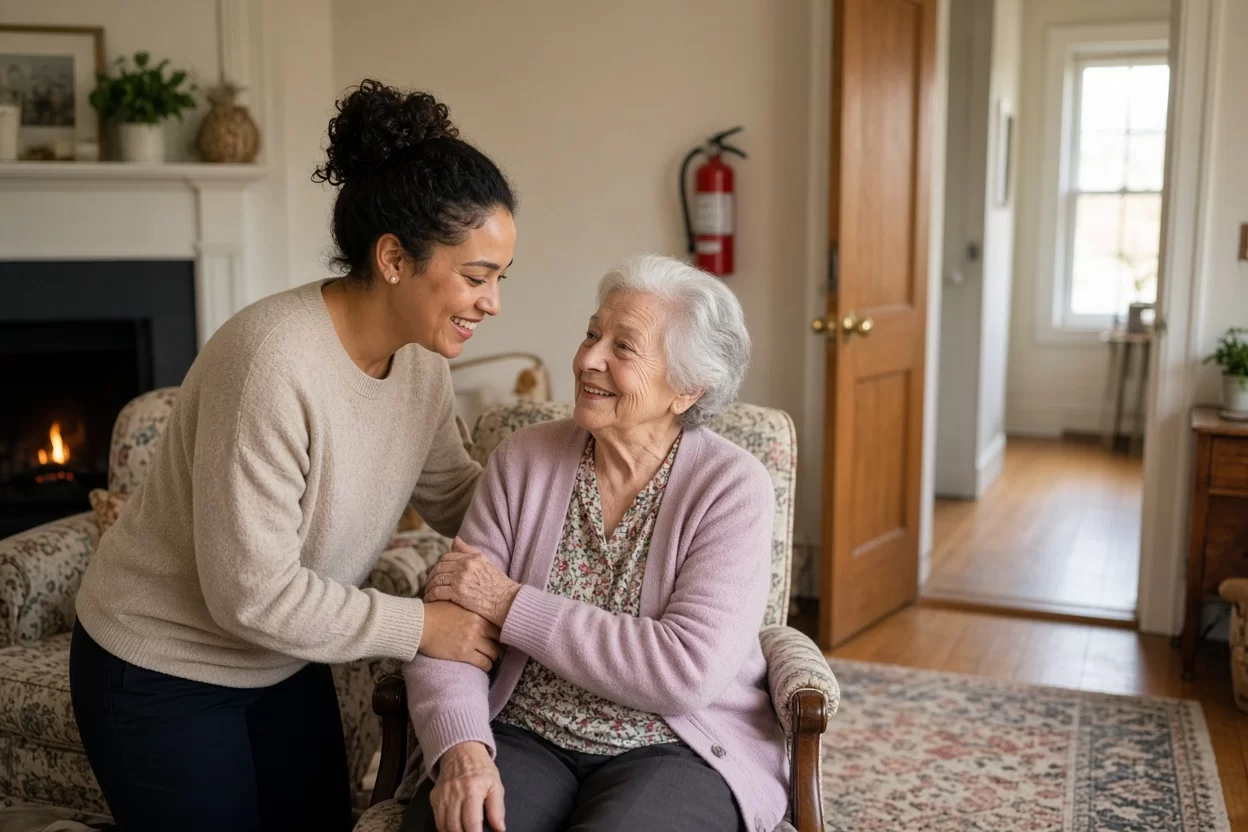
Imagine the unthinkable: a fire starts in your kitchen while your aging parent is asleep in the bedroom down the hall. In the chaos of smoke and alarm, every second counts. For older adults, the physical and cognitive challenges of aging can make escaping a home fire even more difficult. That is why having a well-practiced fire escape plan is not just a good idea – it is a lifesaving necessity. At Rockaway Home Care, we have seen how preparation brings peace of mind. This guide will walk you through creating a senior-friendly fire escape plan and practicing drills that build confidence and muscle memory, so that if the worst happens, everyone knows exactly what to do.
Why Fire Escape Plans Matter Even More for Seniors
Aging brings changes that can turn a simple evacuation into a daunting challenge. Reduced mobility, arthritis, vision impairment, and hearing loss are common among seniors. Medications can cause dizziness or slower reaction times. Cognitive conditions like dementia may make it hard to understand instructions or remember the layout of the home under stress. These factors mean that a standard fire escape plan designed for a healthy adult may not work for an older person.
According to the National Fire Protection Association, adults aged 65 and older face a higher risk of dying in a home fire than the general population. While we do not cite specific statistics here, the message is clear: preparation must be tailored to the individual. A fire escape plan for a senior should account for their unique abilities and limitations. It should be simple, clear, and practiced regularly until it becomes second nature. For family caregivers, this is one of the most important steps you can take to protect your loved one.
Moreover, many seniors live alone or are home alone for long periods while family members work. In those hours, they must rely on their own ability to react. A practiced plan empowers them to act calmly and decisively. It also gives family members peace of mind knowing that their loved one has a fighting chance, even if they are not there to help.
Step 1: Assess Your Loved One’s Abilities and Home Layout
Before you can create an effective escape plan, you need to understand the specific challenges your loved one faces. Start by having an honest conversation about their physical and cognitive health. Do they use a walker or wheelchair? Can they navigate stairs quickly? Do they have trouble hearing the smoke alarm? Are they prone to confusion under stress? These answers will shape every part of the plan.
Next, walk through the home together and identify all possible exits. Look for two ways out of every room: a door and a window. For a senior, a ground-floor window may be more accessible than a second-story one. If they live in a multi-level home, consider whether they can safely use the stairs in an emergency. If not, you may need to designate a safe room with a phone and a window that can be opened for fresh air, and plan for rescue by firefighters.
Also, check for obstacles that could block exits. Loose rugs, furniture, or clutter in hallways can become tripping hazards during a hurried escape. Make a commitment to keep all exit paths clear at all times. This is not just about fire safety; it also prevents everyday falls. For seniors with limited mobility, a clear path is the difference between a smooth exit and a tragic delay.
Step 2: Design a Simple, Senior-Friendly Escape Plan
Once you understand the home and the senior’s abilities, you can design a plan that is straightforward and easy to remember. The best plans are short and visual. Draw a simple floor plan of the home and mark each room with two escape routes. Use bright colors and large labels. Post these maps in visible locations, such as on the refrigerator and inside the bedroom door.
Designate a safe meeting place outside the home, such as a neighbor’s driveway or a specific tree in the yard. This should be a fixed spot that is easy to reach and far enough from the house to be safe. Make sure your loved one knows that they must go to this meeting place and never re-enter the home for any reason. If they have a pet, remind them that leaving the pet behind is the safest choice – firefighters can rescue animals, but a human life is more precious.
For seniors with mobility limitations, the plan should include a backup strategy. If they cannot use the stairs, they should know to go to a designated safe room and call 911, then signal for help by waving a bright cloth out the window. Ensure that this room has a phone, a flashlight, and a closed door to block smoke. Practice this ‘shelter in place’ option as part of the drill so it feels familiar.
Step 3: Install and Maintain Essential Fire Safety Equipment
An escape plan is only effective if you have the right tools to alert and protect. Smoke alarms are the first line of defense. Install them on every level of the home, inside each bedroom, and outside sleeping areas. For seniors with hearing loss, consider strobe light alarms or bed shakers that vibrate to wake them. Test alarms monthly and replace batteries at least once a year. If your loved one cannot hear the alarm, a caregiver or family member should check in regularly.
Fire extinguishers are also critical. Keep one in the kitchen, which is the most common place for home fires, and one near the main living area. Make sure your loved one knows how to use the PASS technique: Pull the pin, Aim at the base of the fire, Squeeze the handle, and Sweep side to side. However, emphasize that the priority is always to escape, not to fight the fire. If the fire is larger than a trash can, get out immediately.
Consider a monitored medical alert system that can be worn as a pendant or wristband. In the chaos of a fire, a senior may not be able to reach a phone. A medical alert button can summon help instantly. Some systems also have smoke detection that alerts a monitoring center, which can dispatch firefighters even if the senior is unable to call. Discuss these options with your loved one’s healthcare provider to find the best fit.
Step 4: Practice Fire Drills Regularly – Make It a Habit
Practice is the heart of any escape plan. A written plan is useless if it has never been rehearsed. Drills build muscle memory, so that in a real emergency, the body responds before the mind has time to panic. For seniors, practice also reduces anxiety because the steps become familiar. Aim to practice the full drill at least twice a year, but for seniors with cognitive decline, monthly practice may be necessary.
When you practice, do it at different times of day, including at night, to simulate a realistic scenario. Start by sounding the smoke alarm (or a recording of it) and then guide your loved one through the escape route. Time them to see how long it takes. If it takes more than two minutes, you may need to make adjustments, such as moving the bedroom to the ground floor or installing grab bars along the exit path.
Make drills as realistic as possible without causing distress. For example, practice crawling low under smoke by having them crawl on their hands and knees. Practice opening windows and removing screens. If your loved one uses a wheelchair, practice the exit route with the wheelchair, including any ramps or lifts. The more you practice, the more confident they will become. Always end each drill with a positive note, praising their effort and reminding them that practice keeps them safe.
Step 5: Adapt the Plan for Mobility and Cognitive Challenges
For seniors with significant mobility issues, a standard escape plan may need creative adaptations. If your loved one uses a walker or wheelchair, consider installing a ramp at the main exit to avoid steps. Keep a flashlight and a phone near the bed. If they cannot evacuate on their own, designate a caregiver or family member to assist, and practice the two-person assist technique. For example, one person supports the senior while the other clears the path.
Cognitive challenges, such as dementia, require a different approach. The plan must be extremely simple and repeated frequently. Use visual cues, like a large arrow pointing to the exit door, or a picture of the meeting place. Practice the route by walking it together slowly, saying the steps aloud: ‘Open the door, go outside, walk to the tree.’ Repetition helps embed the route in their memory. Also, consider a GPS tracking device on their clothing or in their shoe, in case they wander during an emergency.
For seniors with vision or hearing loss, ensure that exit signs are large and high-contrast. Use tactile markers, like a strip of tape on the floor leading to the exit. For those with hearing loss, practice with the strobe light rather than the sound alarm. The key is to tailor the plan to the individual, not to force a one-size-fits-all approach. A plan that is personalized is a plan that will work.
Step 6: Involve the Whole Care Team – Family, Aides, and Neighbors
Fire safety is not a solo endeavor. If your loved one has a home health aide from Rockaway Home Care, that aide should be fully trained on the escape plan. Share the floor plan and practice the drill together. The aide should know where the meeting place is and how to assist the senior, whether that means helping them walk, carrying them if necessary, or guiding them to a safe room. Regular communication between family, aides, and the senior ensures everyone is on the same page.
Neighbors can also play a vital role. Introduce yourself to nearby neighbors and let them know that an older adult lives in the home. Ask if they would be willing to check on your loved one if they hear a smoke alarm. Provide them with a spare key (with permission) or at least a phone number to reach you. In an emergency, a neighbor can be the first responder before firefighters arrive. This is especially important if the senior lives alone.
Finally, schedule a family meeting to review the plan together. Discuss any recent changes in the senior’s health that might affect their ability to evacuate. Update the plan accordingly. Remember, a fire escape plan is not a one-time project; it is a living document that evolves with your loved one’s needs. Regular reviews keep it effective.
What to Do During an Actual Fire – Quick Action Steps
Even with a practiced plan, a real fire is terrifying. Here are the immediate steps to reinforce with your loved one. First, stay low to the floor where the air is cleaner and cooler. Crawl on hands and knees to the nearest exit. Before opening any door, feel the door with the back of your hand. If it is hot, do not open it – use an alternate route. If you see smoke, cover your nose and mouth with a cloth, preferably wet, to filter out particles.
Once outside, go directly to the meeting place and stay there. Do not go back inside for anything – not for a phone, not for a pet, not for a cherished item. Call 911 from a neighbor’s phone or a cell phone. If you cannot get out, go to the designated safe room, close the door, seal cracks with towels or tape, and call 911. Wave a bright cloth out the window to signal firefighters. Stay calm and wait for rescue.
It is also crucial to know when to leave immediately versus when to shelter. If the fire is small and contained, like a trash can fire, you might attempt to extinguish it with a fire extinguisher, but only if the senior is physically able and the exit is clear. Otherwise, evacuate immediately. Emphasize that saving lives is always more important than saving property. Repeat these steps during drills until they become automatic.
Frequently Asked Questions
How often should we practice a fire drill with a senior?
Aim to practice at least twice a year, but for seniors with cognitive decline or mobility issues, monthly practice is recommended. Frequent repetition helps build muscle memory and reduces panic. Adjust the frequency based on your loved one’s comfort and ability to retain the steps.
What if my loved one cannot evacuate on their own?
If the senior cannot evacuate independently, create a shelter-in-place plan. Designate a safe room with a phone, a flashlight, and a window that opens. Practice going to that room and closing the door. Ensure a caregiver or neighbor knows to assist, and consider a medical alert system for immediate help.
Are there special smoke alarms for seniors with hearing loss?
Yes, there are smoke alarms with strobe lights and bed shakers that vibrate to alert those with hearing loss. These alarms can be installed in the bedroom and are designed to wake a person who cannot hear a standard alarm. Test them regularly to ensure they work.
How can I make a fire escape plan for a senior with dementia?
Keep the plan extremely simple with visual cues like arrows or pictures. Practice the route slowly and repeatedly, using the same words each time. Post the plan in visible locations. Consider a GPS tracker in case they wander. Involve their home care aide in the practice sessions for consistency.
Should we practice the fire drill at night?
Yes, practicing at night is valuable because it simulates a realistic scenario when the senior may be disoriented from sleep. Use a flashlight and practice the route in low light. This helps them learn to navigate in darkness and builds confidence for a real emergency.
Final Thoughts – A Plan That Brings Peace of Mind
Creating and practicing a fire escape plan is one of the most caring and practical things you can do for an aging loved one. It transforms fear into preparedness and vulnerability into strength. By assessing abilities, designing a personalized plan, installing the right equipment, and drilling regularly, you give your loved one the best chance to stay safe in a crisis. At Rockaway Home Care, we are committed to supporting families in every aspect of senior well-being, including emergency preparedness.
If you have questions about home safety or need assistance with a care plan for your loved one, we invite you to reach out to us for a free consultation. Our compassionate team is here to help you navigate the journey of caregiving with confidence and peace of mind. You do not have to do this alone – we are just a phone call away.
This information is for general guidance only and is not a substitute for professional medical or safety advice. Always consult with a qualified professional for specific recommendations tailored to your loved one’s needs.
This article is general information, not medical advice. Please consult a qualified professional about your own situation.
More from the Rockaway Home Care blog
- Understanding Medicaid home care eligibility
- Top questions families ask about home care costs
- Choosing between live-in care and hourly home care
- How to create a home care plan for a loved one