
Senior Hydration: Creative Ways to Prevent Dehydration
Dehydration is a serious risk for seniors, but small creative changes can make a big difference. Learn practical, person-first strategies to keep your aging loved one happily hydrated every day.
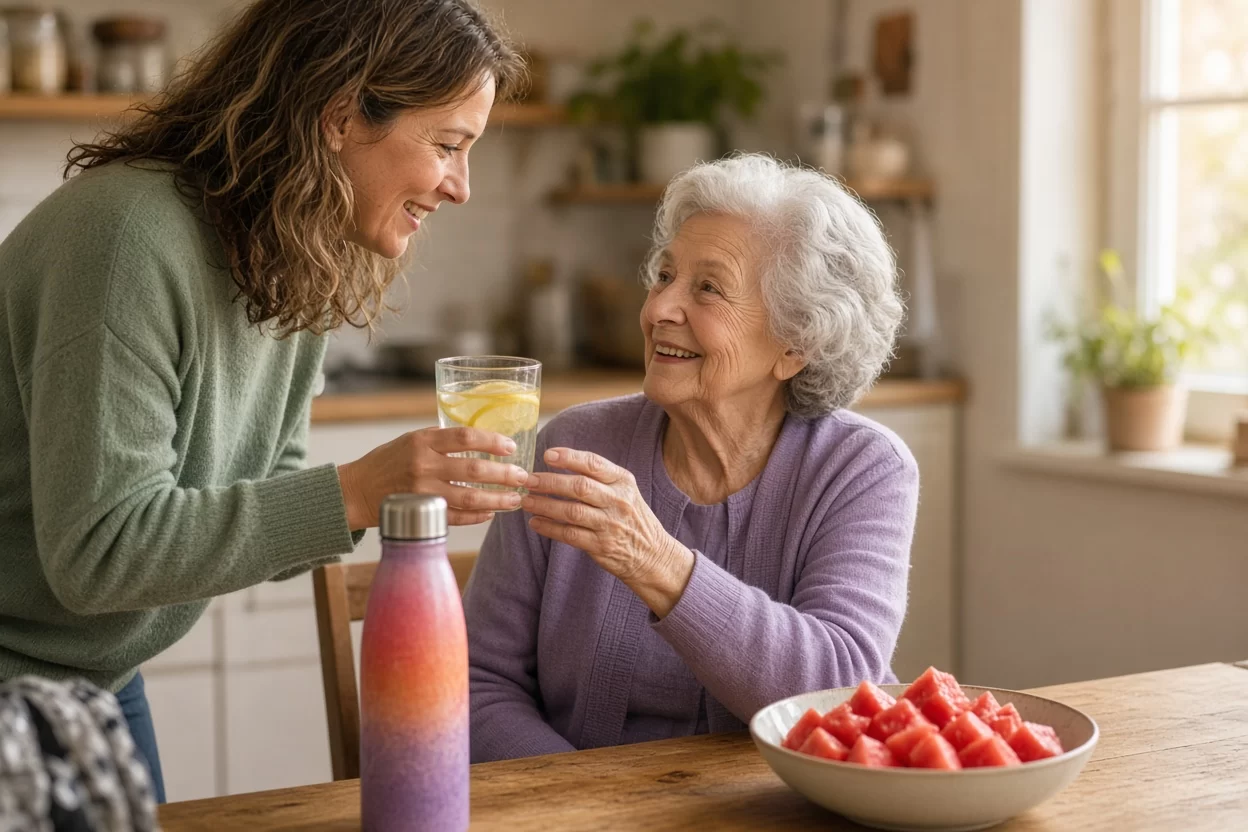
When the summer sun beats down on a New York sidewalk, or when the winter heating dries out every room, the risk of dehydration in older adults quietly rises. You might notice your mother seems a bit more confused than usual, or your father hasn’t made his usual trip to the bathroom today. These subtle signs can be easy to dismiss, but they often point to a very common and very serious problem: not enough fluids. Dehydration in seniors is not just about feeling thirsty; it can lead to urinary tract infections, kidney stones, falls from dizziness, and even hospitalization. As a family caregiver, you carry the weight of watching over your loved one’s health, and ensuring they drink enough is one of the most powerful yet challenging tasks you face. The good news is that staying hydrated does not have to feel like a chore or a battle. With a little creativity, warmth, and practical know-how, you can help your aging loved one enjoy their fluids and protect their health in a way that respects their independence and dignity.
Why Seniors Are at Higher Risk for Dehydration
Our bodies change as we age, and the way we handle water is no exception. The sensation of thirst becomes less reliable, so an older person simply may not feel the urge to drink until they are already dehydrated. Kidneys also become less efficient at conserving water, and certain medications, such as diuretics or blood pressure drugs, can increase fluid loss. This means that even a healthy senior needs to be more intentional about drinking throughout the day.
Beyond the physical changes, there are everyday barriers that make hydration harder. For someone with arthritis, lifting a glass can be painful. For a person with dementia, remembering to drink or recognizing the feeling of thirst can be a real struggle. Fear of frequent trips to the bathroom, especially at night, might lead a senior to avoid drinking altogether. As a caregiver, understanding these hurdles is the first step. When you see the whole picture, you can design gentle, practical solutions that work with your loved one’s needs, not against them.
The Sneaky Signs of Dehydration to Watch For
Dehydration does not always announce itself with a dry mouth or a pounding headache. In seniors, the symptoms can be much more subtle and often masquerade as other conditions. You might notice increased confusion, drowsiness, or a sudden change in mood. Your loved one might complain of dizziness when standing up, or you might observe that their urine is a darker yellow or that they are going to the bathroom less often. Dry skin, sunken eyes, and a rapid heart rate can also be red flags.
Because these signs can be so easy to miss, it is vital to check in regularly, especially during hot weather or if your loved one has been ill with vomiting or diarrhea. A simple pinch test on the back of the hand can give you a rough idea of hydration status, but the best approach is to keep a mental or written log of how much your loved one drinks and how often they use the bathroom. If you ever suspect dehydration, especially if your loved one is lethargic or confused, do not hesitate to contact their healthcare provider. It is always better to be safe and get a professional opinion.
Creative Ways to Increase Fluid Intake
Encouraging a senior to drink more water can feel like an uphill battle, especially if they have never been big on plain water. The secret is to make hydration an enjoyable part of the day, not a medical requirement. One of the most effective strategies is to infuse water with natural flavors. Add slices of cucumber, lemon, berries, or a sprig of mint to a pitcher of water and let it sit in the fridge. The subtle taste makes water more appealing without adding sugar or artificial sweeteners.
Another creative twist is to offer fluids in different forms. Popsicles made from 100 percent fruit juice or a mix of juice and water are a fun treat, especially in the summer. Gelatin desserts, like sugar-free Jell-O, are mostly water and count toward daily intake. Smoothies are another excellent option, blending fruits, vegetables, yogurt, and ice into a delicious and hydrating meal or snack. You can also try serving soups, broths, or even watermelon, cantaloupe, and other high-water-content fruits and vegetables as regular snacks.
Making Water More Appealing
Sometimes the vessel matters as much as the content. A beautiful, colorful glass or a mug with a favorite photo can make drinking feel more special. Using a straw can also reduce the effort needed to drink, which is helpful for those with swallowing difficulties or limited hand strength. Keep a filled water bottle within easy reach of your loved one’s favorite chair or bedside table, so they do not have to get up to find something to drink.
You might also consider setting a schedule. Instead of trying to drink a large glass all at once, encourage small sips every 15 to 20 minutes. This is easier on the stomach and less intimidating. You can use a smartphone alarm or a simple kitchen timer to remind your loved one, or you can make it a habit to have a drink together during a favorite TV show or after a meal. The key is to build hydration into the rhythm of the day.
Hydrating Foods: Delicious and Effective
Water is not the only source of hydration. Many foods have a high water content and can contribute significantly to your loved one’s daily fluid needs. Cucumbers, for example, are about 96 percent water, while celery, tomatoes, and bell peppers are also excellent choices. Including these in salads, sandwiches, or as crunchy snacks is an easy win.
Fruits are another hydrating powerhouse. Watermelon, strawberries, grapefruit, and oranges are all packed with water and natural sugars. You can make a colorful fruit salad, freeze grapes for a refreshing treat, or blend them into a smoothie. For a savory option, consider making a chilled cucumber soup or a light gazpacho. These dishes are not only hydrating but also provide vitamins and minerals that support overall health. By focusing on water-rich foods, you can help your loved one stay hydrated without them even realizing it.
Creative Hydration Recipes
Here are a few simple, hydrating recipes you can try at home. First, a strawberry basil water: muddle a few basil leaves and sliced strawberries in a pitcher, then fill with cold water and let it infuse for a few hours. Second, a tropical green smoothie: blend spinach, frozen mango, banana, and coconut water for a delicious and hydrating breakfast. Third, a refreshing cucumber mint cooler: combine sliced cucumber, fresh mint, and lemon juice in a glass of sparkling water for a fizzy treat that feels like a special occasion. These recipes are easy to adapt to your loved one’s tastes and dietary needs.
Remember to consider any dietary restrictions, such as diabetes or kidney disease, when choosing ingredients. For example, if your loved one has diabetes, you might want to limit fruit juice and opt for sugar-free flavorings instead. Always consult with a healthcare provider or a registered dietitian if you have concerns about specific foods. The goal is to find enjoyable, hydrating options that fit into your loved one’s overall health plan.
Building Hydration into Daily Routines
Habits are formed through repetition, and hydration is no exception. One of the best ways to ensure your loved one drinks enough is to tie fluid intake to existing daily routines. For example, have a glass of water after waking up, one with each meal, and one before bed. You can also link drinking to activities like taking medications, watching the news, or after a walk. This way, drinking becomes a natural part of the day rather than a separate task.
Using visual cues can also be helpful. Place a colorful water bottle in a visible spot, or use a chart to track daily fluid intake. Some families use a simple checklist that they and their loved one can fill in together, which can be a fun and motivating activity. Another idea is to keep a pitcher of infused water on the kitchen counter, so it is always in sight and ready to pour. The more convenient and visible hydration is, the more likely it will become a regular habit.
Making It a Social Activity
Drinking is often more enjoyable when it is shared. Invite your loved one to join you for a cup of herbal tea in the afternoon, or make a ritual of having a glass of lemon water together in the morning. If your loved one enjoys company, a weekly tea party with a neighbor or family member can be a wonderful way to increase fluid intake while also providing social connection. These moments are not just about hydration; they are about spending quality time together, which is beneficial for emotional well-being.
If your loved one lives alone, you might consider calling them at regular times to remind them to drink, or you could set up a buddy system with a neighbor. Technology can also help, such as a smart water bottle that glows or sends reminders. The key is to make hydration feel like a positive, shared experience rather than a solitary chore.
Overcoming Common Barriers to Drinking
Many seniors resist drinking because of practical concerns, such as frequent urination, especially at night. To address this, you can encourage more fluids in the morning and early afternoon, and taper off in the evening. This helps reduce nighttime bathroom trips while still meeting daily needs. It may also be helpful to talk to your loved one about using a commode or a urinal at night to make trips to the bathroom easier and safer, reducing the fear that keeps them from drinking.
Another common barrier is difficulty swallowing or holding a cup. If your loved one has trouble with fine motor skills, consider using a cup with a lid and straw, or a weighted cup that is easier to grip. For those with swallowing issues, thickened liquids or special cups designed for dysphagia can make drinking safer and more comfortable. Always consult with a speech therapist or doctor if you have concerns about swallowing.
Finally, some seniors simply do not like the taste of water. In that case, you can try carbonated water, flavored seltzers, or a splash of juice. Just be mindful of sodium and sugar content. You can also experiment with different temperatures, as some people prefer ice-cold water while others like it at room temperature. Finding the right combination can make all the difference.
Monitoring Hydration and Adjusting Care
Keeping track of your loved one’s hydration is an ongoing process. You can monitor by paying attention to the color of their urine, which should be light yellow. Dark urine is a sign that they need more fluids. Also, note how often they are using the bathroom; a decrease in frequency can be a warning sign. A simple way to track is to keep a daily log of how many glasses or bottles they consume, and to weigh them weekly, as sudden weight loss can indicate dehydration.
It is also important to adjust your approach based on the season and your loved one’s health status. In the summer, increase fluids even if they do not feel thirsty, and in the winter, don’t forget that dry indoor heating can also cause fluid loss. If your loved one is sick with a fever, vomiting, or diarrhea, they will need extra fluids and possibly electrolyte solutions. Always follow the guidance of their healthcare provider during illness.
If you notice signs of severe dehydration, such as extreme confusion, rapid heartbeat, or fainting, seek medical help immediately. Dehydration can be a medical emergency, and it is better to err on the side of caution. Your vigilance as a caregiver is one of the most important tools in keeping your loved one safe and healthy.
Frequently Asked Questions
How much water should a senior drink each day?
The general recommendation is about 8 cups, or 64 ounces, of fluid per day, but this can vary based on health conditions, medications, and activity level. Some seniors may need more, especially in hot weather, while others may need less if they have heart or kidney issues. It is best to consult with a doctor to determine the right amount for your loved one.
What are the first signs of dehydration in the elderly?
Early signs include dry mouth, fatigue, dizziness, dark urine, and decreased urination. In seniors, confusion or a change in behavior can also be an early sign. If you notice any of these, encourage your loved one to drink fluids and monitor their condition closely.
Can I count coffee or tea as fluid intake?
Yes, caffeinated drinks like coffee and tea count toward fluid intake, but they also have a mild diuretic effect, so they should not be the only source of fluids. Herbal teas are a great choice because they are caffeine-free and can be soothing. Moderation is key, and plain water should still be the primary source.
Are sports drinks good for seniors?
Sports drinks can be helpful for replacing electrolytes after intense activity or illness, but they often contain a lot of sugar. For everyday hydration, water is usually sufficient. If a doctor recommends electrolyte replacement, there are lower-sugar options or you can make a homemade electrolyte drink with water, a pinch of salt, and a splash of citrus juice.
What should I do if my loved one refuses to drink?
If your loved one refuses to drink, try to find the root cause. It might be fear of bathroom trips, a dislike of water, or a swallowing issue. Offer different types of fluids, use creative presentation, and make it a social activity. If the refusal continues, talk to their healthcare provider, as it could be a sign of a more serious issue.
As you navigate the journey of caring for an aging loved one, remember that small, consistent efforts can have a profound impact on their health and happiness. Hydration is not just about water; it is about showing love and attention to the details that keep your loved one thriving. You do not have to do it alone. At Rockaway Home Care, our compassionate caregivers are trained to support your family with personalized care plans, including creative hydration strategies, so you can have peace of mind. We invite you to reach out for a free consultation to learn how we can help your loved one stay safe, hydrated, and well-cared for in the comfort of home.
This article provides general information and is not a substitute for professional medical advice. Always consult with a qualified healthcare provider regarding your loved one’s specific health needs.
This article is general information, not medical advice. Please consult a qualified professional about your own situation.
More from the Rockaway Home Care blog
- Understanding Medicaid home care eligibility
- Top questions families ask about home care costs
- Choosing between live-in care and hourly home care
- How to create a home care plan for a loved one