Senior Scams via Fake Charity Calls: Scripts to Share
Fake charity calls are a common scam targeting seniors. This article provides real-world scripts and practical steps to help your loved one recognize and hang up on these fraudulent calls.
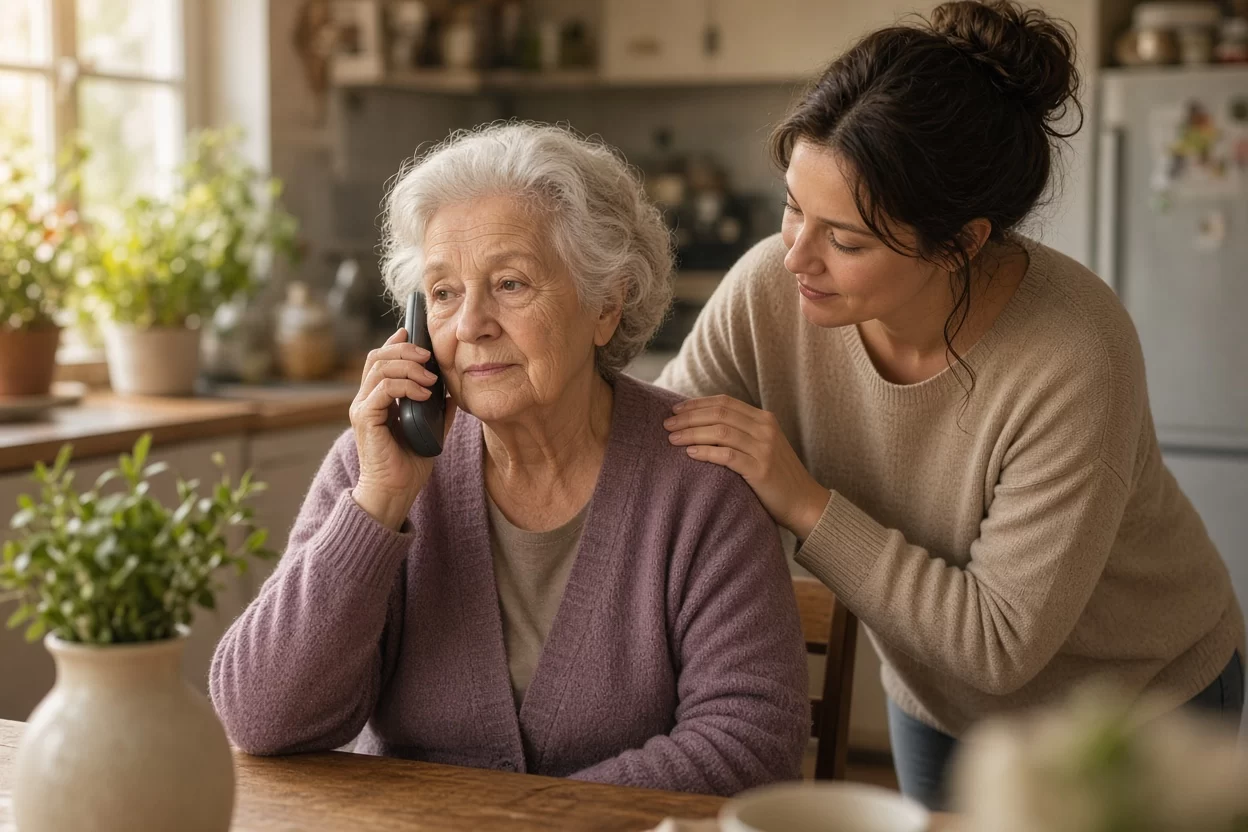
It starts with a kind voice on the other end of the line. The caller thanks your loved one for past generosity, mentions a cause like helping veterans or children, and asks for a small donation. The tone is warm, urgent, and grateful. But behind that friendly voice is often a scammer who has one goal: to take money from an older adult who trusts too easily. Fake charity calls are one of the most common scams targeting seniors today. As a family caregiver, you have the power to protect your loved one by sharing simple, practical scripts that help them recognize and respond to these calls with confidence.
Why Seniors Are Targeted by Fake Charity Calls
Scammers deliberately choose seniors for several reasons. Many older adults grew up in a time when phone calls were personal and trustworthy. They may be more polite and less likely to hang up abruptly. They often have savings, pensions, or retirement funds that make them attractive targets. And some seniors live alone, feeling lonely and eager for any conversation, even from a stranger. That emotional openness is exactly what a fraudster exploits.
The Federal Trade Commission and other consumer protection agencies repeatedly warn that charity scams spike during holidays and disaster events. But fake charity calls happen all year round. Scammers use caller ID spoofing to make the number look like a legitimate organization, or they claim to represent well-known groups like the Red Cross or local police foundations. They may even mention a recent news story to make their pitch seem real. Your loved one might not realize that a real charity will never pressure them for an immediate donation over the phone.
Understanding why seniors are targeted helps you approach the conversation with empathy, not blame. Your parent or grandparent is not foolish; they are simply being manipulated by professionals who know exactly which emotional buttons to push. By learning the warning signs and rehearsing simple scripts, your loved one can regain a sense of control and safety.
The Anatomy of a Fake Charity Call
Most fake charity calls follow a predictable pattern. The caller begins by greeting your loved one by name, which they may have gotten from a purchased list or public records. They then introduce a heart-wrenching story, perhaps about a child with a rare disease or a veteran who lost a limb. The story is designed to create an immediate emotional reaction. Next, they ask for a specific amount, often small enough to seem harmless, like twenty-five or fifty dollars. They might say that a matching donor will double the gift, or that time is running out.
Then comes the pressure. The scammer will say things like, ‘We need your help right now’ or ‘Can you make a pledge today over the phone?’ They may ask for a credit card number, bank account details, or even gift card numbers. If your loved one hesitates, the scammer may become more aggressive or guilt-trip them by saying, ‘Don’t you care about the children?’ This emotional manipulation is hard to resist, especially for someone who values kindness and generosity.
Once the scammer gets payment information, they quickly charge the card or drain the account. The promised charity never exists, or it is a fake front set up just for this purpose. The call ends, and the money is gone. In many cases, the scammer will call back days later, pretending to be from a bank or law enforcement, and try to get even more money. This is called a follow-up scam, and it is why it is so important to stop the first call before any information is shared.
Script 1: The Polite but Firm Hang-Up
One of the simplest scripts to teach your loved one is the polite but firm hang-up. The goal is to end the call quickly without engaging in conversation. Here is a script you can practice together:
- When the caller says, ‘Hello, is this [name]?’, respond: ‘Who is calling, please?’
- If they say they are from a charity, reply: ‘I do not take donation calls. Please remove my number from your list.’
- Then say: ‘Goodbye’ and hang up immediately.
This script works because it does not give the scammer a chance to tell a story or create pressure. Your loved one should practice saying these lines out loud until they feel natural. It is okay to interrupt the caller. In fact, interrupting is encouraged. Scammers rely on long, fast talking to confuse their targets. A firm, short response breaks their rhythm.
Remind your loved one that they do not owe any explanation or apology. They have the right to end a call at any time. If they feel guilty about being rude, remind them that a real charity will respect their wishes and not call back. Only a scammer will push back or try to keep them on the line. That pushback is a clear sign that hanging up was the right choice.
Script 2: Asking for Written Information
Another effective script involves asking for written information. Real charities are happy to provide materials by mail or email. Scammers are not, because they do not want to leave a paper trail. Teach your loved one to say this:
- ‘Thank you for calling. Please send me the details of your charity in writing, including your registered charity number and a copy of your annual report.’
- ‘Mail it to my home address, or email it to me. I will review it and decide later.’
- ‘Do not call me again. I will contact you if I am interested.’
After saying this, your loved one should write down the caller’s name, the charity name, and the phone number, then hang up. If the caller refuses to give this information or becomes hostile, that is a red flag. Legitimate charities have nothing to hide and will happily provide documentation.
This script is powerful because it shifts the control from the scammer to your loved one. It also gives you, the family caregiver, time to research the charity online. You can check if the organization is registered with the state or national charity registries. You can also search for the charity name plus the word ‘scam’ to see if there are complaints. Most importantly, this script prevents any immediate payment over the phone, which is exactly what the scammer wants to avoid.
Script 3: The ‘Check with My Family’ Response
Some seniors feel uncomfortable saying no or hanging up. For them, a softer script is to defer the decision to a family member. This is especially useful for older adults who are used to making decisions with their spouse or children. Here is a script:
- ‘That sounds like a worthy cause, but I always discuss donations with my daughter/son/financial advisor.’
- ‘Please give me your name and phone number, and I will have them call you back.’
- ‘If you cannot wait, then I must decline. Thank you for calling.’
This approach works because it is polite and non-confrontational. It also buys time. The scammer will likely press for an immediate decision, saying things like, ‘But we need your pledge today’ or ‘The matching gift expires tonight.’ If they do, your loved one can simply repeat, ‘I am sorry, but I do not make decisions without my family. Goodbye.’
Encourage your loved one to use this script even if they live alone. The ‘family member’ can be a real person or a trusted friend. The goal is to create a barrier between the scammer and the money. Once the call ends, your loved one should call you or another trusted person to report what happened. This not only keeps them safe but also gives them a sense of being part of a team.
What to Do After a Suspicious Call
If your loved one has already received a fake charity call, even if they hung up, there are important steps to take. First, do not call the number back. Scammers often use the callback to confirm the number is active, which can lead to more calls. Instead, write down the number and any details your loved one remembers, such as the caller’s name or the charity name.
Next, report the call to the Federal Trade Commission at their website or through their hotline. You can also report it to your state’s attorney general or consumer protection office. These agencies track scam patterns and may be able to warn others. If your loved one shared any financial information, contact their bank or credit card company immediately to place a fraud alert and dispute any charges.
Finally, consider adding your loved one’s phone number to the National Do Not Call Registry. This will not stop all scam calls, because many scammers ignore the list, but it can reduce the number of legitimate telemarketing calls. For extra protection, you can also set up call blocking on their phone or use a service that screens calls. Many home care agencies, including ours at Rockaway Home Care, can provide guidance on these tools during a home visit.
Building a Family Defense Plan
Prevention is always better than reaction. Sit down with your loved one and create a simple family defense plan. Start by agreeing on a rule: no one in the family will ever donate money over the phone, no matter how urgent the request sounds. Write this rule on a note and place it near the phone. This visual reminder can be a powerful deterrent.
Next, create a list of charities that your family actually supports. This list can include organizations you have donated to in the past or ones you have researched. When a caller claims to be from a charity, your loved one can check the list. If the charity is not on the list, they can say, ‘I only donate to charities on my approved list, and yours is not on it.’ This script is easy to remember and feels less personal.
Also, talk about the emotional tactics scammers use. Explain that a real charity will never make you feel guilty or rush you. They will never ask for gift cards, wire transfers, or cash. If a caller asks for any of these, it is a scam. Share these points with other family members, especially grandchildren, so everyone is on the same page. A united family is much harder to scam.
Frequently Asked Questions
How can I tell if a charity call is real or fake?
A real charity will not pressure you to donate immediately, and they will be happy to send written information. They will also provide a registered charity number and a physical address. If the caller refuses to give details or becomes aggressive, it is a fake. Always trust your gut and hang up if something feels off.
What should I do if my parent already gave money to a scammer?
Act quickly. Contact the bank or credit card company to report the fraud and try to stop the payment. Then report the scam to the Federal Trade Commission and your state attorney general. Do not blame your parent; they were manipulated. Focus on getting the money back and preventing future calls.
Are some charities more likely to be impersonated?
Yes, scammers often impersonate well-known organizations like the Red Cross, Salvation Army, or local police and firefighter charities. They also use names that sound similar to real charities, like ‘American Cancer Fund’ instead of ‘American Cancer Society.’ Always look up the exact name and verify it online before donating.
Can I block scam calls on my loved one’s phone?
Yes, most smartphones have built-in call blocking features, and many carriers offer call screening services. You can also download apps that block known spam numbers. For landlines, you can use a call blocker device that requires callers to identify themselves. These tools are effective but not perfect, so combine them with the scripts above.
How often should I talk to my senior about scams?
It is a good idea to revisit the topic every few months or whenever there is a new scam alert in the news. Repetition helps reinforce the message. Also, after any suspicious call, have a short debrief to review what happened and what to do next. This keeps the defense fresh in their mind.
Empower Your Loved One with Confidence
Fake charity calls are a real and growing threat, but they do not have to catch your loved one off guard. By sharing these scripts and practicing them together, you are giving a gift of safety and confidence. Your parent or grandparent can learn to recognize the signs of a scam, respond with a firm and polite script, and protect their hard-earned savings. This is not about teaching them to be suspicious of everyone; it is about helping them be smart and safe.
At Rockaway Home Care, we understand the challenges of caring for an aging loved one. We also know that education is one of the best defenses against fraud. If you have questions about how to protect your loved one or if you need support with home care services, please reach out to us for a free consultation. Our caring team is here to help you and your family feel secure and supported.
This article is for general information only and is not medical, legal, or financial advice. Always consult with a qualified professional for specific concerns.
This article is general information, not medical advice. Please consult a qualified professional about your own situation.
More from the Rockaway Home Care blog
- Understanding Medicaid home care eligibility
- Top questions families ask about home care costs
- Choosing between live-in care and hourly home care
- How to create a home care plan for a loved one