
Senior Sleep Hygiene: Evening Routines for Restful Nights
Learn how simple evening routines can improve sleep quality for seniors. This guide offers practical tips for caregivers and older adults.
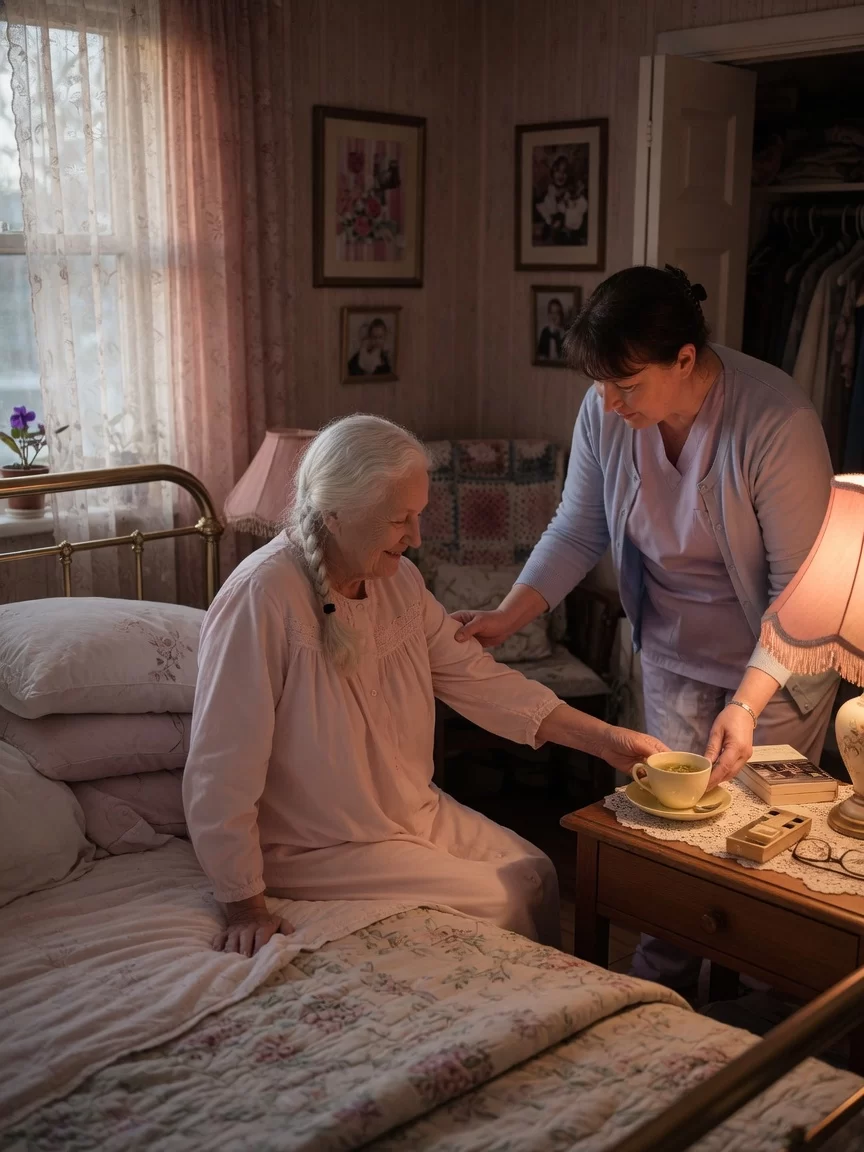
Sleep is one of the most restorative gifts we can give our bodies, yet for many seniors, a good night’s rest becomes elusive. If you are caring for an aging loved one, you may have noticed them tossing and turning, waking frequently, or feeling groggy during the day. You are not alone. Sleep changes are a common part of aging, but they don’t have to be accepted as inevitable. With thoughtful evening routines and a few adjustments to the environment, seniors can enjoy deeper, more restful sleep. This article offers practical, person-first guidance to help your loved one reclaim the peace of a good night’s sleep.
Why Sleep Changes with Age
As we grow older, our sleep architecture naturally shifts. Seniors often spend less time in deep sleep stages and more time in lighter sleep, making them more susceptible to waking up from noise or discomfort. The body’s internal clock, or circadian rhythm, also tends to advance, causing earlier bedtimes and earlier morning awakenings. This is a normal biological process, not a disorder. However, when combined with chronic pain, medication side effects, or reduced physical activity, the result can be fragmented sleep that leaves seniors feeling unrested. Understanding these changes is the first step toward creating a routine that works with the body, not against it.
It’s important to recognize that poor sleep is not simply a sign of aging. Many seniors experience sleep issues that can be improved with simple lifestyle adjustments. Caregivers should observe patterns: does your loved one have trouble falling asleep, staying asleep, or both? Are they waking up with anxiety or physical discomfort? By identifying the specific challenge, you can tailor evening routines to address it. For example, if waking up to use the bathroom is the main issue, limiting fluids in the evening may help. If anxiety keeps them awake, a calming pre-sleep ritual can make a difference.
Age-related changes in melatonin production also play a role. Melatonin, the hormone that signals sleep, decreases with age. This can make it harder to fall asleep at a desired time. Light exposure, especially in the evening, can further suppress melatonin. That is why creating a dark, quiet bedroom environment is crucial. Small changes, like using blackout curtains or dimming lights an hour before bed, can help the body produce enough melatonin to initiate sleep naturally.
The Power of a Consistent Bedtime
One of the most effective strategies for improving senior sleep is establishing a consistent bedtime and wake-up time, even on weekends. The human body thrives on routine, and the sleep-wake cycle is no exception. When a senior goes to bed and wakes up at the same time each day, their circadian rhythm becomes more predictable, making it easier to fall asleep and wake up refreshed. Consistency reinforces the body’s natural sleep drive. Over time, the brain learns to associate that specific time with sleep, reducing the time spent lying awake in bed.
For caregivers, this means gently guiding your loved one to stick to a schedule. It may be tempting to let them sleep in after a poor night, but that can disrupt the next night’s sleep. Instead, encourage a consistent wake-up time within an hour of their usual time. If they are tired during the day, a short nap of 20 to 30 minutes in the early afternoon can be restorative without interfering with nighttime sleep. Avoid long naps after 3 p.m., as they can make it harder to fall asleep at night.
Bedtime routines should begin about 30 to 60 minutes before lights out. This wind-down period signals to the brain that sleep is coming. Activities like reading a book (not a screen), listening to soft music, or gentle stretching can be part of the routine. The key is to do the same activities in the same order each night. Repetition builds a powerful cue for the brain. For example, a senior might have a cup of herbal tea, brush their teeth, read for 15 minutes, and then turn off the light. Over time, this sequence becomes a sleep trigger.
Creating a Calming Bedroom Environment
The bedroom should be a sanctuary for sleep. For seniors, this means paying extra attention to comfort, safety, and sensory factors. Start with the mattress and pillows. An old, sagging mattress can cause back pain and restlessness. If your loved one has arthritis or other joint issues, consider a medium-firm mattress that provides support without pressure points. Pillows should support the neck and head in a neutral position. Specialty pillows for side sleepers or those with acid reflux can make a significant difference.
Temperature is another critical factor. The ideal sleep temperature for most seniors is between 60 and 67 degrees Fahrenheit. A cooler room helps the body lower its core temperature, which is necessary for sleep onset. If your loved one tends to feel cold, use warm pajamas and extra blankets rather than raising the thermostat. Also, consider a fan or white noise machine to mask disruptive sounds. A quiet environment is essential, but some seniors find absolute silence unsettling; a gentle hum can be soothing.
Lighting should be minimized. Use blackout curtains or shades to block streetlights and early morning sun. If a nightlight is needed for safety, choose one with a warm, dim glow rather than bright white or blue light. Blue light from electronics and some bulbs can suppress melatonin. Replace bedside lamps with bulbs that have a warm color temperature (2700K or lower). Also, remove any clutter from the bedroom. A tidy, organized space promotes relaxation. For seniors with dementia or anxiety, familiar objects like family photos or a favorite blanket can add a sense of security.
Evening Activities to Wind Down
What seniors do in the hours before bed can dramatically affect sleep quality. High-energy activities, stimulating conversations, or stressful news can keep the mind alert. Instead, encourage calming activities that promote relaxation. Gentle yoga or stretching can release muscle tension and improve circulation. Even five minutes of seated stretches, focusing on the neck, shoulders, and lower back, can prepare the body for rest. Caregivers can participate or guide these movements, making it a shared, bonding experience.
Another effective wind-down activity is a warm bath or shower about an hour before bed. The warm water raises body temperature slightly, and the subsequent cooling down signals the body to prepare for sleep. Adding Epsom salts or lavender essential oil can enhance the relaxing effect. For seniors with mobility issues, a warm foot soak can be a safe alternative. The ritual of soaking feet in warm water while listening to calming music can be deeply soothing.
Reading is a classic pre-sleep activity, but the material matters. Choose light fiction, poetry, or magazines. Avoid thrillers, mysteries, or anything that might cause excitement. If your loved one enjoys audiobooks, that can be a good option as well, especially if holding a book is difficult. The key is to engage the mind without overstimulating it. Similarly, journaling can be helpful for those who tend to ruminate. Writing down worries or a to-do list for the next day can clear the mind and reduce anxiety. Encourage your loved one to keep a notebook by the bed specifically for this purpose.
Nutrition and Hydration Before Bed
What seniors eat and drink in the evening can either help or hinder sleep. A heavy meal close to bedtime can cause indigestion and discomfort, making it hard to fall asleep. Ideally, dinner should be eaten at least three hours before bed. If a light snack is needed, choose foods that promote sleep. Complex carbohydrates like whole-grain crackers or oatmeal can increase the availability of tryptophan, an amino acid that helps produce serotonin and melatonin. A small banana with a handful of almonds is another good option.
Hydration is important, but timing matters. Encourage your loved one to drink plenty of fluids during the day, but taper off in the evening to reduce nighttime trips to the bathroom. Avoid caffeine after noon, as it can stay in the system for hours and disrupt sleep. Even small amounts of caffeine in tea, soda, or chocolate can be problematic for some seniors. Alcohol is also best avoided before bed. While it may initially make you feel drowsy, it often leads to fragmented sleep and early morning awakenings.
Herbal teas like chamomile, lavender, or valerian root can be a soothing part of the bedtime routine. These teas are naturally caffeine-free and have mild sedative properties. A warm cup of tea can be a comforting ritual. However, be mindful of any interactions with medications. Some herbs can affect blood pressure or interact with sedatives. Always check with a doctor before introducing new supplements or herbal remedies. For seniors on diuretics, even herbal tea may need to be limited in the evening.
Managing Medications and Health Conditions
Many seniors take medications that can interfere with sleep. Common culprits include certain blood pressure drugs, antidepressants, steroids, and medications for asthma or allergies. If your loved one is having sleep difficulties, review their medication list with their doctor or pharmacist. Sometimes adjusting the timing of doses can help. For example, taking a diuretic in the morning rather than the evening can reduce nighttime bathroom visits. Never stop or change a medication without medical guidance.
Chronic health conditions like arthritis, heart failure, or restless legs syndrome can also disrupt sleep. Managing these conditions effectively is key. For arthritis pain, a warm compress or gentle massage before bed can ease discomfort. For restless legs, some seniors find relief with leg stretches or a warm bath. Elevating the legs slightly can also help. If your loved one has sleep apnea, using a CPAP machine consistently is essential. Caregivers should ensure the equipment is clean and comfortable. Untreated sleep apnea can lead to serious health problems and poor sleep quality.
Pain is a major barrier to sleep. Over-the-counter pain relievers may be used occasionally, but they should not be relied upon nightly. Non-pharmacological approaches like heat therapy, relaxation techniques, and proper positioning can be effective. A supportive mattress and pillows tailored to the senior’s specific needs can reduce pressure points. If pain persists, consult a healthcare provider for a comprehensive pain management plan. The goal is to address the root cause, not just mask the symptom.
The Role of Light and Screen Time
Light is the most powerful cue for our internal clock. Exposure to bright light in the morning helps set the circadian rhythm for the day. Conversely, exposure to bright light in the evening, especially blue light from screens, can delay sleep onset. For seniors, this is particularly important because their eyes may be more sensitive to light. Encourage your loved one to turn off TVs, tablets, and smartphones at least an hour before bed. If they must use a device, enable a blue light filter or use reading glasses with amber-tinted lenses.
Evening lighting should be dim and warm. Use table lamps or floor lamps instead of overhead lights. Consider installing dimmer switches or using low-wattage bulbs. Salt lamps or candles (with caution) can create a cozy ambiance. If your loved one needs to get up during the night, use a dim nightlight rather than turning on bright lights. This helps prevent fully awakening and makes it easier to fall back asleep. Blackout curtains are also a worthwhile investment, especially if streetlights or early morning sun are issues.
Daytime light exposure is equally important. Encourage your loved one to spend time outdoors in natural light, especially in the morning. Even 15 to 30 minutes of sunlight can help regulate their sleep-wake cycle. If going outside is difficult, sitting near a bright window can help. For those in northern climates or with limited mobility, a light therapy box can be a useful tool. Light therapy has been shown to improve sleep in older adults by reinforcing the circadian rhythm. Always consult a doctor before starting light therapy, especially if your loved one has eye conditions or takes photosensitizing medications.
When to Seek Professional Help
While many sleep issues can be improved with lifestyle changes, some require professional attention. If your loved one consistently has trouble sleeping despite good sleep hygiene, or if they experience excessive daytime sleepiness, loud snoring, gasping for air during sleep, or unusual movements, it may be time to consult a doctor. These could be signs of sleep apnea, restless legs syndrome, or other sleep disorders that need medical treatment. A sleep study might be recommended to get a clear diagnosis.
Depression and anxiety are also common in older adults and can significantly impact sleep. If your loved one seems withdrawn, irritable, or hopeless, talk to their healthcare provider. Treating the underlying mood disorder often improves sleep. Cognitive behavioral therapy for insomnia (CBT-I) is a highly effective, non-medication approach that can help seniors change negative thought patterns and behaviors around sleep. Many therapists offer CBT-I specifically for older adults.
Caregivers should also be aware of their own well-being. Caring for a loved one with sleep issues can be exhausting. If you are feeling overwhelmed, seek support from home care agencies like Rockaway Home Care. Professional aides can help with evening routines, allowing you to rest. Remember, improving sleep is a process. Be patient and celebrate small victories. A single good night’s sleep can make a world of difference for both your loved one and you.
Frequently Asked Questions
How much sleep do seniors need?
Most seniors need between 7 and 9 hours of sleep per night, just like younger adults. However, they may have more fragmented sleep and spend less time in deep sleep. The key is quality, not just quantity. If your loved one feels rested after 7 hours, that may be sufficient. If they are tired during the day, they may need more sleep or better sleep quality.
Is it normal for seniors to wake up multiple times at night?
It is common for seniors to wake up once or twice during the night, especially to use the bathroom. However, frequent or prolonged awakenings that make it hard to get back to sleep are not normal and should be addressed. Simple strategies like limiting fluids before bed and using a nightlight can help. If waking persists, consult a doctor to rule out underlying conditions.
Can melatonin supplements help seniors sleep?
Melatonin supplements can be helpful for some seniors, especially those with low natural melatonin production. However, they are not a cure-all and should be used with caution. Doses as low as 0.5 to 1 mg may be effective. Higher doses can cause grogginess or vivid dreams. Always consult a doctor before starting melatonin, as it can interact with medications like blood thinners and diabetes drugs.
What should I do if my loved one is afraid of falling at night?
Fear of falling is a real concern that can cause anxiety and prevent sleep. Make the bedroom safe: clear pathways, use a nightlight, and keep a phone or call button within reach. A bed rail can provide stability. Consider a bedside commode if getting to the bathroom is difficult. Reassure your loved one that help is nearby. Sometimes just knowing someone is available can reduce fear and improve sleep.
How can I help my loved one stick to a new bedtime routine?
Start slowly and involve your loved one in the planning. Choose activities they enjoy and are able to do. Be consistent and patient. It may take a few weeks for a new routine to become a habit. Use gentle reminders and positive reinforcement. If they resist, try to understand why and adjust the routine accordingly. A home health aide from Rockaway Home Care can provide additional support and consistency.
We hope these tips help you and your loved one enjoy more restful nights. Sleep is a vital part of health and well-being at any age. By creating a calming evening routine and addressing underlying issues, you can make a meaningful difference. If you would like personalized guidance or support from a compassionate caregiver, please reach out to Rockaway Home Care for a free consultation. We are here to help your family thrive.
This article provides general information and is not a substitute for professional medical advice. Always consult a healthcare provider for specific concerns about your loved one’s health.
More from the Rockaway Home Care blog
- Understanding Medicaid home care eligibility
- Top questions families ask about home care costs
- Choosing between live-in care and hourly home care
- How to create a home care plan for a loved one