
Sensory-Friendly Spaces for Seniors with Dementia
Creating a sensory-friendly space can reduce agitation and improve quality of life for seniors with dementia. This guide offers practical, person-first advice for caregivers in New York.
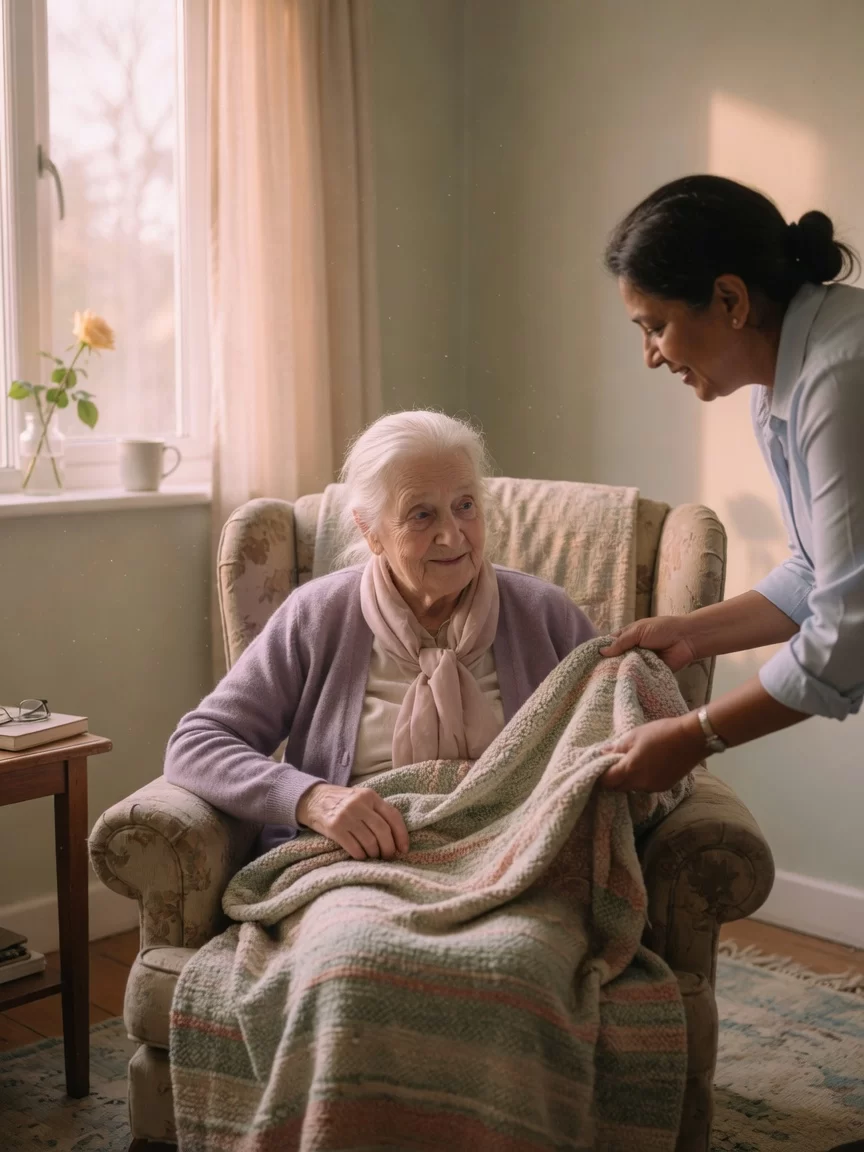
When a loved one lives with dementia, the world can feel overwhelming. Simple sounds, bright lights, or unfamiliar textures may trigger confusion, anxiety, or even agitation. As a caregiver, you want to create a home that feels safe and soothing, not stressful. That’s where sensory-friendly spaces come in. These are environments designed to calm the senses, reduce overstimulation, and promote a sense of peace. At Rockaway Home Care, we understand the challenges families face. This guide offers practical, person-first advice for transforming your home into a sanctuary for your loved one with dementia.
Understanding Sensory Overload in Dementia
Dementia affects how the brain processes sensory information. A once-familiar room can become a maze of confusing sights, sounds, and smells. For example, a ticking clock might sound like a hammer, or a patterned rug might appear to move. This overload can lead to restlessness, pacing, or even aggression. By understanding these triggers, you can make small changes that have a big impact. The goal is not to eliminate all stimulation but to create a balanced environment that feels predictable and calming.
Think about your loved one’s daily experience. Are they startled by the television? Do they avoid certain rooms? Observe their reactions. A sensory-friendly space is tailored to the individual. What calms one person may irritate another. Start by noting patterns. If your mother becomes agitated after meals, perhaps the dining area has too much noise or bright light. If your father wanders at night, maybe his bedroom needs softer lighting. These observations guide your design choices.
Remember, sensory changes are not a choice. The brain is struggling to interpret input. Your role is to simplify that input. This reduces stress for both the senior and the caregiver. A calm environment can improve sleep, mood, and even cognitive function. It also makes daily care tasks easier, from bathing to eating. You are not just decorating; you are creating a therapeutic space.
Lighting: The Foundation of Calm
Lighting is one of the most powerful tools in a sensory-friendly home. Harsh, flickering, or overly bright lights can trigger disorientation and agitation. Instead, aim for soft, diffuse lighting that mimics natural daylight. Use lamps with warm-toned bulbs (2700-3000 Kelvin) rather than cool, blue-tinted LEDs. Place lamps in corners to reduce glare and shadows. Avoid overhead fluorescent lights, which can buzz and flicker, adding to sensory stress.
Consider using dimmer switches in key rooms like the living room and bedroom. This allows you to adjust brightness throughout the day. For example, a brighter light in the morning can help with wakefulness, while a dim glow in the evening signals rest. Nightlights are essential for preventing falls and reducing fear during nighttime wandering. Choose motion-activated nightlights that turn on softly, not abruptly. Avoid bright pathway lights that might startle.
Natural light is also important. Keep curtains open during the day to expose your loved one to sunlight, which supports circadian rhythms. But be mindful of glare. Use sheer curtains or blinds to filter harsh rays. If your senior has difficulty with shadows, avoid placing furniture where it casts confusing shapes. A well-lit room with consistent, gentle light feels safe and predictable. This simple change can dramatically reduce sundowning behaviors.
Sound: Creating a Soothing Soundscape
Noise is a major trigger for many people with dementia. Unexpected sounds like a doorbell, a phone ringing, or a dog barking can cause sudden anxiety. The goal is to minimize unpredictable noises and replace them with calming, consistent sounds. Start by identifying and reducing background noise. Turn off the television when no one is watching. Use soft-close drawers and cabinet doors. Place felt pads under chair legs to muffle scraping sounds.
Introduce white noise or nature sounds to mask jarring noises. A white noise machine in the bedroom can help with sleep. A gentle recording of rain or ocean waves can create a peaceful atmosphere in the living area. Music is also powerful. Familiar songs from your loved one’s youth can evoke positive memories and reduce agitation. Create a playlist of calm, instrumental music or favorite oldies. Play it at a low volume during meals or quiet times. Avoid loud or fast-paced music, which can overstimulate.
Be mindful of your own voice. Speak in a calm, low tone. Avoid sudden loud laughter or shouting. If you need to get your loved one’s attention, approach from the front and speak slowly. The sound of a caregiver’s voice should be reassuring, not startling. You can also use sound cues for routines. For example, play a specific song before meals to signal it’s time to eat. Over time, these cues become comforting anchors.
Texture and Touch: Comfort Through Tactile Elements
Touch is a fundamental sense that can provide deep comfort. For seniors with dementia, textured objects can reduce anxiety and offer a sense of grounding. Think about items that are soft, smooth, or slightly bumpy. Weighted blankets are popular for their calming effect, but ensure they are not too heavy. Fleece throws, knitted blankets, and plush pillows invite gentle touch. Place these within easy reach of a favorite chair or bed.
Create a ‘fidget box’ or sensory basket with various textures. Include items like a soft scarf, a smooth stone, a velvet ribbon, or a brush with soft bristles. These can occupy restless hands and provide a calming focus. Some seniors enjoy kneading a soft ball or rubbing a piece of fabric. The key is to offer safe, non-toxic objects that are easy to hold. Avoid items with small parts that could be a choking hazard.
Also consider the textures in the environment. Rugs should be soft and non-slip to prevent falls. Furniture should be upholstered in comfortable, washable fabrics. Avoid rough or scratchy materials. Even the feel of a spoon or cup matters. Use utensils with padded grips and cups with easy-to-hold handles. The goal is to make every touch a gentle one. This reduces sensory defensiveness and promotes relaxation.
Visual Clutter and Color: Simplify the View
A cluttered room can overwhelm a person with dementia. Too many objects, patterns, or colors can cause confusion and anxiety. Simplify the visual field. Remove unnecessary furniture, knickknacks, and busy decorations. Keep surfaces clear. A clean, uncluttered space is easier for the brain to process. This doesn’t mean the room must be bare, but every item should have a purpose and a place.
Use color strategically. Soft, muted tones like pale blue, sage green, or warm beige are calming. Avoid bold, high-contrast patterns that might be misinterpreted. For example, a black and white geometric rug might appear as a hole or a moving object. Instead, choose solid colors or subtle textures. Use color to highlight important areas. For instance, a brightly colored toilet seat cover can help a senior find the bathroom. A contrasting color on the edge of a step can prevent falls.
Mirrors can be problematic. Some people with dementia may not recognize their own reflection and become frightened. If this happens, cover or remove mirrors. Similarly, avoid reflective surfaces that create confusing images. Use non-glare glass for picture frames. Display familiar, happy photographs at eye level. Keep the number of items in a room to a minimum. A serene visual environment reduces cognitive load and helps your loved one feel more at ease.
Smell and Taste: Engaging the Olfactory Senses
The sense of smell is closely linked to memory and emotion. Pleasant, familiar scents can evoke calm and comfort. Use natural aromas like lavender, chamomile, or vanilla. A diffuser with essential oils can create a subtle, consistent fragrance. Avoid strong artificial air fresheners or candles, which can be overwhelming. The goal is a gentle, not overpowering, scent.
Consider the smell of food. The aroma of baking bread or simmering soup can be comforting and stimulate appetite. However, be cautious with strong cooking odors like fish or spices, which might be unpleasant. Keep the kitchen well-ventilated. If your loved one has difficulty smelling or tasting, focus on familiar flavors. Offer simple, favorite foods with mild seasonings. Avoid overly spicy or salty items that might cause distress.
Also be aware of negative smells. Odors from soiled bedding, garbage, or cleaning products can be distressing. Keep the home fresh and clean. Use unscented or mild cleaning products. A pleasant, neutral smell is best. If your senior enjoys a particular scent, like the smell of fresh flowers, place a small bouquet in their room. The right scent can be a powerful tool for creating a sense of home and safety.
Safety and Wayfinding: Designing for Independence
A sensory-friendly space must also be safe. Dementia can affect balance, vision, and judgment. Remove tripping hazards like loose rugs, cords, and clutter. Ensure furniture is sturdy and has rounded edges. Install grab bars in the bathroom and near the bed. Use non-slip mats in the tub and shower. Good lighting is critical for preventing falls.
Wayfinding is about helping your loved one navigate their home with confidence. Use clear, simple signs with pictures or large text. For example, a picture of a toilet on the bathroom door. Keep pathways open and free of obstacles. Use contrasting colors to define areas. A dark mat at the entrance can signal a step. A bright light above the kitchen sink can help with tasks. The layout should be logical and easy to follow.
Consider the bathroom and bedroom. In the bathroom, keep the door open or use a half-door to reduce anxiety. In the bedroom, place the bed where it is visible from the doorway. Remove locks from doors to prevent accidental locking. Use childproof covers on outlets. A safe environment allows your loved one to move around with less fear, which reduces agitation and promotes independence.
Frequently Asked Questions
How do I know if my loved one is experiencing sensory overload?
Signs of sensory overload include agitation, pacing, covering ears or eyes, sudden anger, or withdrawal. You may also notice increased confusion, repetitive movements, or attempts to leave the room. If you observe these behaviors, try to identify the trigger and remove it. A calm, quiet environment often helps.
What if my loved one doesn’t like quiet spaces and wants the TV on?
Some seniors with dementia find comfort in familiar background noise. The key is to choose content that is calm and predictable. Nature shows, old movies, or soft music can be soothing. Avoid news or action shows with loud sounds and quick cuts. Keep the volume low. If they still seem agitated, try a white noise machine or a fan instead.
Can sensory-friendly changes help with sundowning?
Yes, absolutely. Sundowning, or increased agitation in the late afternoon and evening, often responds well to sensory adjustments. Dim the lights, reduce noise, and offer a calming activity like listening to soft music or holding a weighted blanket. A consistent evening routine that includes these elements can significantly reduce sundowning episodes.
How do I handle a senior who wants to rearrange furniture constantly?
This behavior may stem from a need for control or a desire to reduce visual clutter. Instead of fighting it, create a flexible space. Use lightweight furniture that is easy to move but safe. Offer them a small area where they can arrange items, like a tray on a table. Provide sensory objects to occupy their hands. If the behavior persists, consult with an occupational therapist for personalized strategies.
Should I use blackout curtains in the bedroom?
Blackout curtains can be helpful for sleep, especially if street lights or early morning sun disrupt rest. However, they can also cause disorientation if the person wakes up in complete darkness. Consider using curtains that block light but allow a small amount of ambient light. A nightlight can also help. The goal is to create a dark but not disorienting environment.
Creating a sensory-friendly space is a journey, not a one-time project. Start with one room and make small changes. Observe your loved one’s reactions and adjust as needed. You are not alone. At Rockaway Home Care, we are here to support you with compassionate advice and professional home care services. If you would like help tailoring your home for your loved one’s needs, we invite you to reach out for a free consultation. Together, we can create a space that feels safe, calm, and truly like home.
This article provides general information and is not a substitute for medical advice. Always consult with a healthcare professional for specific guidance regarding dementia care.
More from the Rockaway Home Care blog
- Understanding Medicaid home care eligibility
- Top questions families ask about home care costs
- Choosing between live-in care and hourly home care
- How to create a home care plan for a loved one