
Managing Sleep Apnea at Home: CPAP Tips for Caregivers
Caring for a loved one with sleep apnea can be challenging, but with the right CPAP tips and a supportive routine, you can help them sleep better and breathe easier at home.
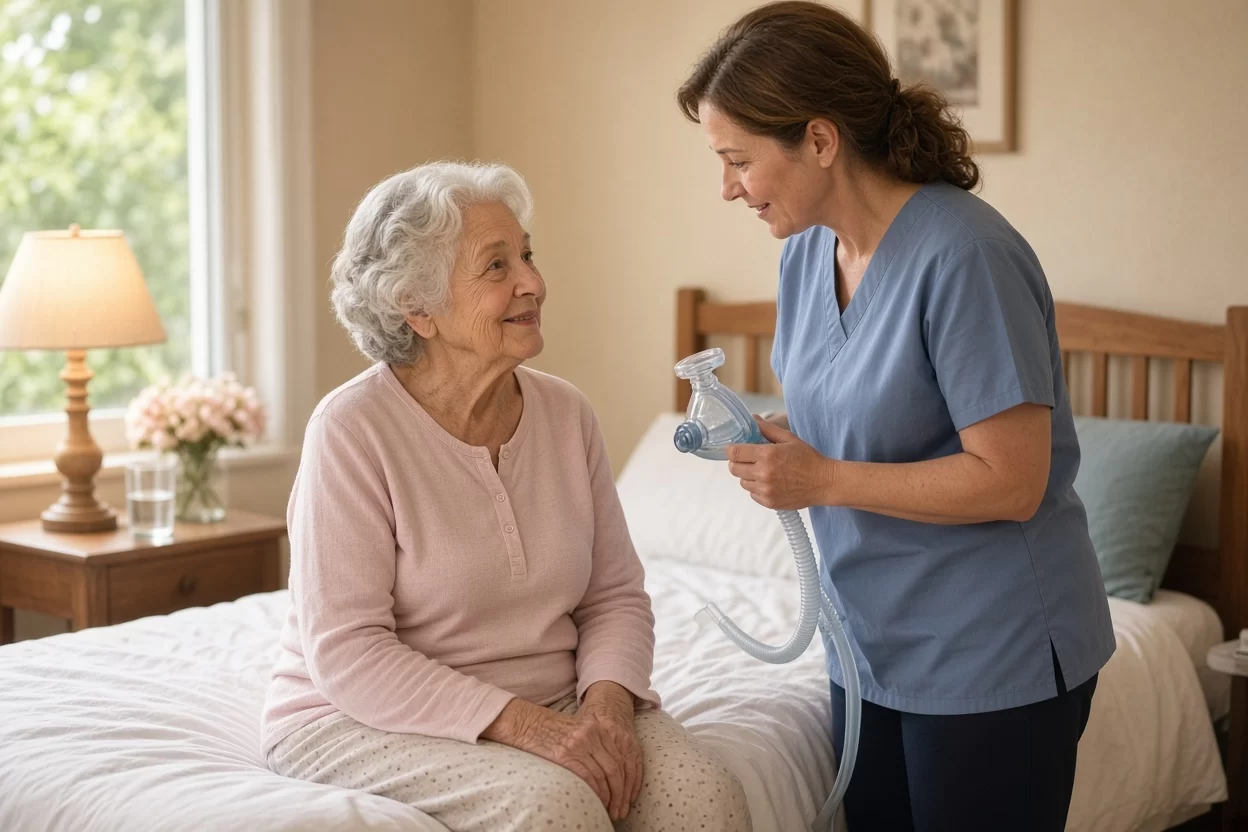
When your aging parent or spouse receives a sleep apnea diagnosis, it can feel like a lot to take in. You are suddenly managing a CPAP machine, mask fittings, and nightly routines, all while trying to ensure your loved one actually uses the device. You are not alone in this journey. Many family caregivers in New York and across the country face the same learning curve. The good news is that with patience, practical strategies, and a little bit of troubleshooting, you can help your loved one adapt to CPAP therapy and enjoy more restful, safer nights. This guide is designed to give you clear, actionable tips for managing sleep apnea at home, so you can support your family member with confidence and compassion.
Understanding Sleep Apnea and Why CPAP Matters
Sleep apnea is a condition where a person’s breathing repeatedly stops and starts during sleep. The most common type is obstructive sleep apnea, which happens when the throat muscles relax too much and block the airway. For seniors, untreated sleep apnea can lead to serious health problems, including high blood pressure, heart disease, stroke, and memory issues. It can also cause daytime fatigue, which increases the risk of falls and accidents.
Continuous Positive Airway Pressure, or CPAP, is the gold standard treatment for moderate to severe sleep apnea. The machine delivers a steady stream of air through a mask to keep the airway open while the person sleeps. When used consistently, CPAP can dramatically improve sleep quality, reduce snoring, and lower the risk of cardiovascular complications. However, the therapy only works if the mask is worn every night, and that is often the biggest hurdle for caregivers.
Your role as a caregiver is not to become a medical expert, but to be a supportive coach. Understanding how the machine works, what to expect during the adjustment period, and how to handle common issues will make a world of difference. Remember, it is normal for both you and your loved one to feel overwhelmed at first. With time, CPAP can become just another part of the evening routine.
Setting Up a Comfortable CPAP Environment
Creating the right environment for CPAP use starts with the bedroom. The machine should be placed on a stable surface, such as a nightstand, at the same height or slightly below the bed. This position helps prevent water from flowing back into the mask if you are using a humidifier. Make sure there is enough space around the machine for air to circulate, and keep it away from curtains or bedding that could block the vents.
Lighting and noise can also affect your loved one’s willingness to use the machine. A dim, warm lamp can make the room feel cozy, and a white noise machine or soft music can help mask the sound of the CPAP. Some seniors are sensitive to the whooshing sound of the air, especially if they are used to a silent room. You can try placing the machine on a soft cloth or mat to reduce vibration noise, but avoid covering the vents.
Temperature and humidity matter too. Most CPAP machines have a heated humidifier that adds moisture to the air, which prevents dryness in the nose and throat. In the winter, when indoor air is dry, you may need to increase the humidity level. In the summer, you might lower it. Pay attention to your loved one’s comfort; if they complain of congestion or a dry mouth, adjust the settings gradually. A consistent bedtime routine, such as reading or listening to calming music, can also signal that it is time to sleep and make CPAP use feel less intrusive.
Choosing and Fitting the Right Mask
The mask is the most important part of CPAP therapy, and finding the right one is essential for comfort and compliance. There are several types of masks: nasal pillows that fit under the nostrils, nasal masks that cover the nose, and full-face masks that cover both the nose and mouth. For seniors who breathe through their mouth at night, a full-face mask may be necessary, but it can feel bulky. Nasal pillows are often the least invasive, but they can cause irritation if they do not fit well.
When helping your loved one choose a mask, involve them in the decision as much as possible. Let them try on different styles if you have access to a medical supply store or an online fitting guide. The mask should form a gentle seal without being too tight. A common mistake is overtightening the straps, which leads to red marks and discomfort. You should be able to slide one finger under the straps easily.
If your loved one has a beard or facial hair, achieving a good seal can be tricky. A full-face mask with a larger cushion may work better, or you can use a mask liner to reduce leaks. Also, check the mask cushion size; many brands offer small, medium, and large options. A proper fit reduces air leaks, which in turn reduces noise and improves therapy effectiveness. If the mask causes sores or pressure points, talk to the equipment provider about a different size or style.
Establishing a Nightly Routine for Success
Consistency is key when it comes to CPAP therapy. The more your loved one uses the machine, the more natural it will feel. Start by incorporating CPAP into a relaxing bedtime ritual. For example, after brushing teeth and changing into pajamas, sit on the bed and put on the mask for a few minutes while reading or listening to music. This helps the brain associate the mask with calmness rather than anxiety.
It is also helpful to put the CPAP on before getting into bed, rather than waiting until the last moment. Some seniors resist because they feel the mask is suffocating. To ease this, you can have them wear the mask while sitting up and breathing normally for a few minutes, then turn on the machine. The ramp feature, which starts at a lower pressure and gradually increases, can make the transition smoother. Many machines have this option, so check the settings.
If your loved one wakes up in the middle of the night and takes the mask off, do not get frustrated. Gently encourage them to put it back on, but also listen to their concerns. Maybe the mask is itchy, or the air is too cold. Address the specific issue and try a small adjustment, such as using a fleece mask cover or increasing the humidity. Over time, the habit will stick, and your loved one will notice the benefits of feeling more rested.
Cleaning and Maintaining the CPAP Equipment
Regular cleaning of the CPAP equipment is vital for preventing infections and ensuring the machine works properly. The mask, tubing, and humidifier chamber should be cleaned at least once a week, but daily wiping of the mask cushion is recommended. Use mild soap and warm water, and avoid harsh chemicals or alcohol, which can damage the materials. Rinse thoroughly and let everything air dry completely before the next use.
Check the water chamber daily and refill it with distilled water if your machine has a humidifier. Distilled water prevents mineral buildup, which can clog the chamber and affect humidity output. If you notice any white residue, clean the chamber with a vinegar and water solution once a month. Also, replace the disposable filters according to the manufacturer’s instructions, usually every two weeks to a month, depending on the air quality in your home.
Inspect the tubing regularly for cracks or holes, and replace it every three to six months. The mask cushion also wears out and should be replaced every few months, or sooner if it becomes stiff or discolored. Keeping a spare mask and tubing on hand is a smart idea, so you are not caught off guard if a part breaks. A clean, well-maintained CPAP is more comfortable and more effective, and it shows your loved one that you are invested in their health.
Troubleshooting Common CPAP Problems
Even with the best setup, issues can arise. One of the most common problems is air leaks. If you hear a hissing sound or feel air escaping around the mask, the fit is likely off. Readjust the straps, or try a different mask size. Sometimes, the leak is due to the mask sliding during the night, so a chin strap can help keep the mouth closed and the mask in place.
Another frequent issue is dry mouth or nasal congestion. This is often caused by low humidity or mouth breathing. Increase the humidifier setting, or consider a full-face mask if your loved one breathes through their mouth. For congestion, a saline nasal spray before bed can help. If the air pressure feels too strong, use the ramp feature or ask the doctor about adjusting the pressure settings. Never change the pressure yourself without medical guidance.
Some seniors feel claustrophobic with the mask on. To reduce anxiety, have them practice wearing the mask during the day for short periods while watching TV. You can also try a mask with a lighter frame or a nasal pillow style. If the noise of the machine is bothersome, place a soft mat under it or use earplugs. If problems persist, contact the CPAP supplier or a sleep specialist. They can offer additional tips or adjust the machine settings remotely in some cases.
Supporting Your Loved One’s Emotional Adjustment
Adjusting to CPAP is not just physical; it is emotional too. Many seniors feel embarrassed about wearing a mask or frustrated by the inconvenience. They may worry that it looks unattractive or that it will interfere with intimacy. As a caregiver, your empathy and encouragement are crucial. Listen to their fears without judgment, and validate their feelings. Let them know it is okay to have a hard time at first.
Share positive stories of other people who have benefited from CPAP, but avoid making up statistics or quotes. You can say something like, ‘Many people find that after a few weeks, they actually feel better and have more energy.’ Celebrate small victories, such as wearing the mask for a full night or waking up without a headache. Positive reinforcement goes a long way.
Also, involve your loved one in the care process. Let them adjust the mask or the humidity settings if they are able. This gives them a sense of control, which reduces resistance. If they are still struggling after several weeks, talk to their doctor about alternative treatments, such as oral appliances or positional therapy. But for most, CPAP is the best option, and with your support, they can adapt.
Working with Home Care Professionals
If you are feeling overwhelmed, you do not have to do this alone. Home care agencies, like Rockaway Home Care, can provide trained aides who can assist with CPAP setup, remind your loved one to use the machine, and help with nightly routines. A home health aide can also monitor for signs of discomfort and report any issues to you or the healthcare provider.
Professional caregivers are experienced in working with seniors who have sleep apnea and other chronic conditions. They can offer gentle encouragement and practical help, such as cleaning the equipment or adjusting the mask. This can be especially valuable if you live far away or have other caregiving responsibilities. Respite care is also an option, giving you a break while knowing your loved one is in good hands.
When choosing a home care provider, look for one that emphasizes person-centered care and communication. Ask about their experience with CPAP and respiratory equipment. A good agency will work with you to create a care plan that addresses your loved one’s specific needs, including sleep apnea management. Remember, asking for help is a sign of strength, not weakness.
Frequently Asked Questions
How long does it take for a senior to get used to CPAP?
Most people need about one to two weeks to adjust to CPAP therapy, but it can take longer for some seniors. The key is consistency. Encourage your loved one to use the machine every night, even if they only wear it for a few hours at first. Over time, their body will adapt, and the discomfort will diminish.
Can I adjust the CPAP pressure myself?
No, you should never change the pressure settings on your own. The pressure is prescribed by a doctor based on a sleep study. Adjusting it without medical guidance can make the therapy ineffective or cause discomfort. If you feel the pressure is too high or too low, contact your loved one’s sleep specialist or equipment provider.
What should I do if my loved one refuses to wear the CPAP mask?
Start by understanding why they are refusing. Is the mask uncomfortable? Are they feeling claustrophobic? Try addressing the specific issue, such as trying a different mask style or using the ramp feature. Involve them in the solution and offer gentle encouragement. If refusal continues, talk to their doctor about alternatives or additional support.
How often should the CPAP machine be cleaned?
The mask cushion should be wiped daily, and the mask, tubing, and water chamber should be washed once a week with mild soap and warm water. The air filter should be replaced every two weeks to a month, depending on the manufacturer’s instructions. Regular cleaning prevents bacteria buildup and ensures the machine works efficiently.
Can a home health aide help with CPAP management?
Yes, a trained home health aide can assist with many aspects of CPAP care, including setting up the machine, helping with the mask, reminding your loved one to use it, and cleaning the equipment. They can also observe for signs of discomfort or breathing issues and report to you or the healthcare provider.
Final Thoughts: You Are Making a Difference
Caring for a loved one with sleep apnea is a journey, and it is okay to have moments of doubt. But remember, every night of CPAP use is a step toward better health and a better quality of life. Your patience, kindness, and dedication are making a real difference, even when it does not feel like it. Celebrate the small wins, be gentle with setbacks, and do not hesitate to ask for help when you need it.
If you are looking for additional support, Rockaway Home Care is here for you. Our compassionate team can provide respite care, daily assistance, and specialized support for seniors with sleep apnea and other health conditions. We understand the challenges you face, and we are committed to helping your family thrive. Reach out to us today for a free consultation and let us lighten your load.
This article is for general information only and is not medical advice. Always consult with a qualified healthcare professional for diagnosis and treatment of sleep apnea or any other medical condition.
More from the Rockaway Home Care blog
- Understanding Medicaid home care eligibility
- Top questions families ask about home care costs
- Choosing between live-in care and hourly home care
- How to create a home care plan for a loved one