
Spring Allergy-Proofing a Senior's Home: Air Quality Tips
Spring brings pollen and allergens, but you can make your senior loved one's home a safe haven. Learn practical, room-by-room air quality tips to reduce allergy triggers and improve breathing.
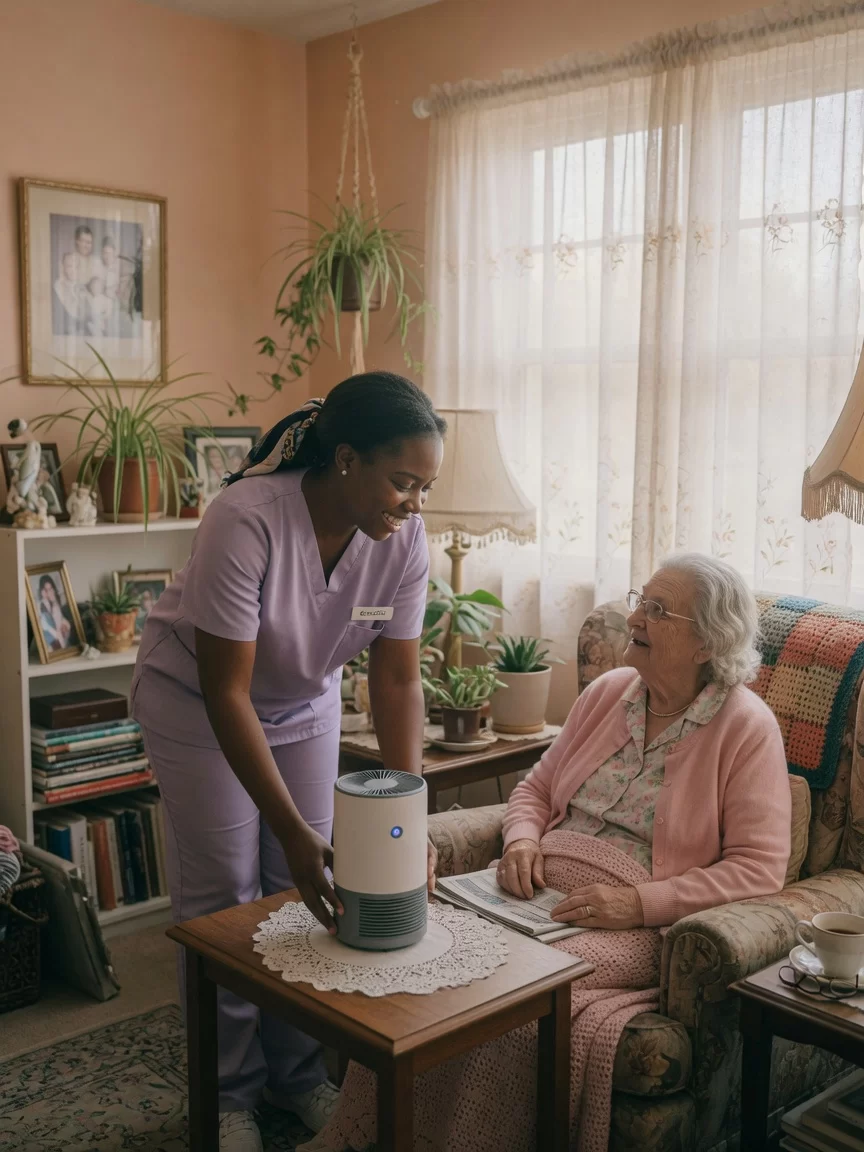
For many of us, spring is a time of renewal, with blooming flowers and warmer days. But for seniors, it can also be the start of the sneezing, coughing, and itchy-eyed misery of seasonal allergies. When you’re caring for an aging loved one, you want to do everything you can to keep them comfortable and healthy. The good news is that you have a lot of control over the air inside their home. By making a few targeted changes, you can significantly reduce the allergens that make spring uncomfortable and even dangerous for older adults. This guide will walk you through practical, room-by-room strategies to allergy-proof your senior’s home and improve their indoor air quality.
Why Spring Allergies Hit Seniors Harder
As we age, our immune systems naturally become less responsive, but the inflammatory response to allergens like pollen and mold can actually become more pronounced. Many seniors also have pre-existing health conditions that make allergy symptoms worse. Chronic obstructive pulmonary disease (COPD), asthma, or heart disease can all be aggravated by an allergy attack. When a senior breathes in pollen or mold spores, their airways can become inflamed, leading to coughing, wheezing, and shortness of breath. This can be more than just annoying; it can lead to serious respiratory distress.
Moreover, seniors often take multiple medications that can worsen allergy symptoms or interact with over-the-counter allergy remedies. For example, some blood pressure drugs can cause a dry cough, and combining them with allergy medicine might increase dizziness or drowsiness, raising the risk of falls. That’s why it’s so important to be proactive about reducing allergens in the home, rather than simply relying on medication. By improving indoor air quality, you can help reduce the allergy load on your senior’s system, making them less susceptible to the worst of spring’s effects.
It is also worth noting that seniors may not always report their symptoms clearly. They might dismiss a cough as a normal part of aging, or they might feel embarrassed about constantly sneezing. As a caregiver, you should be alert to changes in their energy level, appetite, or mood, which can all be subtle signs of allergic reactions. When you notice these signs, focusing on the air they breathe is a proactive and caring step.
Start with the Bedroom: Your Senior’s Sanctuary
The bedroom is where your senior spends the most time, and it is the most important room to allergy-proof. Because they sleep there for eight hours or more, the air they breathe during the night has a huge impact on their overall health. The goal is to create a sanctuary that is as free from allergens as possible.
Begin by stripping the bed of all linens, including pillowcases, sheets, and blankets, and wash them in hot water (at least 130 degrees Fahrenheit) to kill dust mites. Do this weekly. Use a mattress and pillow cover that is allergen-proof, which you can find at most home goods stores. These covers create a barrier that prevents dust mites from living in the bedding. Also, try to avoid heavy comforters and wool blankets, which can trap dust and pollen. Instead, use lightweight, washable cotton or microfiber blankets.
Creating a Dust-Mite-Free Zone
- Remove the clutter from the bedroom that can collect dust, such as books, knickknacks, and heavy drapes. If you must have curtains, choose washable cotton or synthetic fabrics.
- Keep pets out of the bedroom, especially at night. Even if your senior loves their cat or dog, their fur can carry pollen and dust mites.
- If the bedroom has a carpet, consider replacing it with hard flooring like wood, laminate, or tile. If that’s not possible, vacuum it regularly with a HEPA-filter vacuum cleaner.
- Keep the bedroom door closed when the windows are open, and use an air purifier with a HEPA filter, especially during pollen season.
Clean the Air with HEPA Filters
One of the most effective ways to reduce allergens in the home is to use an air purifier with a High-Efficiency Particulate Air (HEPA) filter. These filters are designed to capture 99.97% of particles that are 0.3 microns in size, which includes pollen, dust mites, pet dander, and even some mold spores. Placing a HEPA air purifier in the bedroom and common living areas can make a big difference.
When choosing an air purifier, look for one that is appropriately sized for the room. A unit that is too small will not clean the air effectively. You should also replace the filter according to the manufacturer’s instructions, which is usually every six to twelve months, depending on usage. Some units have a filter replacement indicator, which is helpful. Also, make sure to keep the air purifier at least a few feet from walls and furniture so it can draw in air from all sides.
You can also improve the air quality by using the air conditioning system. Central air conditioning with a good filter can help reduce indoor humidity and remove some airborne particles. Change the filter in your HVAC system at least every three months, and consider using a filter with a MERV rating of 11 to 13 for better allergen capture. If you have window AC units, clean the filter regularly and make sure the unit is properly sealed to prevent outdoor air from leaking in.
Controlling Humidity to Prevent Mold and Dust Mites
Indoor humidity plays a big role in allergen levels. Dust mites and mold thrive in humid environments. The ideal indoor relative humidity is between 30% and 50%. In the spring, especially if you live in a humid area, it can be easy for humidity to creep up. You can use a hygrometer to measure the humidity levels in your home.
If the humidity is too high, use a dehumidifier in the basement or other damp areas. Place it in the most humid room, which is often the bathroom or basement. You should also fix any leaks in the roof or pipes, as they can lead to mold growth. In the bathroom, run the exhaust fan while bathing and for at least 30 minutes afterward to remove excess moisture. If you don’t have an exhaust fan, open a window for a few minutes after a shower.
On the other hand, if the air is too dry, which can irritate the respiratory tract, you might use a humidifier. But be careful: a humidifier can also be a source of mold and bacteria if it is not cleaned regularly. If you use a humidifier, use distilled water and clean it according to the manufacturer’s instructions. The key is to maintain that sweet spot of 30% to 50% humidity, which is comfortable for seniors and not friendly to allergens.
Reduce Pollen and Dust at the Door
Spring pollen can easily enter your home through shoes, clothing, and pets. To keep it out, create a ‘transition area’ at the entrance of the senior’s home. Place a sturdy doormat both outside and inside the door. Ask your senior and all visitors to remove their shoes at the door. You can also provide a small shoe bench or a basket for shoes. This simple habit can prevent a lot of dirt and pollen from being tracked inside.
Also, when you or other family members come in from outside, change your clothes and take a shower if you have been gardening or walking in the park. This is especially important if you will be spending time with your senior. Pollen can stick to your hair, skin, and clothing, and you can inadvertently bring it inside. Also, when you are outside, try to avoid bringing in any outdoor items that might have pollen on them, such as flowers, plants, or even a jacket. If you have a pet, wipe their paws with a damp cloth whenever they come inside.
In the spring, it is also wise to keep the windows closed, especially on windy days or during peak pollen times, which are usually in the morning and on dry, windy days. If you want fresh air, use the air conditioning or a fan to circulate the indoor air. If you do open the windows, do it after a rain shower, when the pollen has been washed away, and keep them open for only a short time.
Deep Clean the Living Spaces
Your senior’s living room is another key area where they might spend a lot of time. Regular cleaning is essential to reduce dust, pet dander, and other allergens. The key is to use the right methods. Instead of a dry dusting, which can simply stir allergens up into the air, use a damp cloth or a microfiber cloth that captures dust rather than pushing it around. You can also use the hose attachment of a vacuum cleaner to dust surfaces, but always use a HEPA filter.
Vacuum the floors, carpets, and rugs at least once a week, and more often if you have pets. Make sure to vacuum the edges and under furniture where dust accumulates. If possible, use a vacuum with a HEPA filter to trap the fine particles. In addition to vacuuming, you should also wash the floor surfaces with a damp mop. For hard floors, you can use a damp mop with a mild cleaner.
Also, pay attention to the upholstery. If your sofa or armchair is made from fabric, it can hold dust mites. You can use a vacuum cleaner with an upholstery attachment to clean it regularly. If you can, consider using allergen-proof covers for the cushions. If your senior has a favorite recliner, that is a prime spot to clean. And don’t forget the curtains and blinds. Washable curtains should be washed monthly, and blinds can be wiped with a damp cloth.
Manage Pets Carefully
Pets can be a significant source of allergens. Even if your senior’s pet is a hypoallergenic breed, they can still carry pollen and dust on their fur. The best approach is to keep pets out of the bedroom and off the furniture, especially upholstered sofas and chairs. You can provide a pet bed in a corner of the living room, but make sure it is washable and washed regularly.
Bathing your pet once a week can help reduce the dander and pollen they carry. Use a pet-safe shampoo and make sure to dry them thoroughly. Also, brush your pet outside, if possible, to remove loose fur and dander before they bring it inside. If your senior has a severe allergy, you might need to consider limiting the pet’s access to the whole home, but that is often a difficult decision. In that case, you could use a pet-free zone, like the bedroom, and keep the air purifier on in there.
It is also important to remember that pets can track in pollen and other outdoor allergens. Wipe their paws with a damp cloth when they come in from outside. And if they have been in tall grass, they might have pollen on their fur, so a quick wipe down with a damp towel can help.
Maintain a Clean Kitchen and Bathroom to Prevent Mold
Mold is a common allergen that thrives in damp environments like the kitchen and bathroom. In the kitchen, use the exhaust fan or open a window when cooking to remove steam and moisture. Wipe down countertops and sinks regularly to prevent mold and mildew. Also, check the refrigerator drip pan and clean it if needed, as it can harbor mold. Dispose of overripe fruits and vegetables, as they can attract mold and pests.
In the bathroom, the biggest issue is moisture. Always use the exhaust fan during and after showers. If there is no fan, open a window. After a shower, wipe down the tile and glass to remove water droplets. Wash the bathmat and towels weekly in hot water. Check the corners of the shower and the area around the sink for any signs of mold, and clean it with a mold-removing cleaner. If you notice a musty smell, it might be a sign of mold growth, so you should investigate and address it promptly.
If you have a senior who is not mobile, they might spend more time in the bathroom, so it is important to keep the air as clean as possible. You can also place a small air purifier in the bathroom if there is space, but make sure it is designed for the humidity in that room.
Frequently Asked Questions
What is the best type of air purifier for a senior with allergies?
The best type is a portable air purifier with a true HEPA filter. HEPA filters capture 99.97% of particles that are 0.3 microns, which includes pollen, dust mites, and pet dander. Look for a model that is appropriate for the room size, and consider one with a carbon pre-filter to reduce odors. Also, make sure it is easy to use and replace filters.
Can I use a humidifier to help with allergies?
It depends. If the air in your home is too dry, a humidifier can help keep the mucus membranes moist, which can be soothing. However, if the humidity is too high, it can promote mold and dust mites. The ideal indoor humidity is between 30% and 50%. Use a hygrometer to check the level, and if you use a humidifier, clean it regularly and use distilled water.
How often should I change the air filter in my HVAC system?
You should change the air filter in your HVAC system at least every three months, but during peak allergy season, you might change it every month. If you have pets or if the air quality is poor, you may need to change it more often. It is also a good idea to use a filter with a MERV rating of 11 or 13 to capture more allergens.
Are there any plants that can help reduce allergies?
Some plants like the peace lily, english ivy, and the spider plant are known for their air-purifying qualities. However, they do not significantly reduce pollen or dust. They can be a nice addition to the home, but they should not replace air purifiers. Also, be aware that some plants can trigger allergies, so choose low-pollen plants and keep them in a room where the senior spends time.
What can I do if my senior has a severe allergic reaction?
If your senior is experiencing difficulty breathing, chest tightness, or severe swelling, call 911 immediately. For milder symptoms, you can try to remove them from the allergen source and use your air purifier. It is always important to talk to their doctor about their allergy symptoms, as they can prescribe appropriate medication or recommend an allergist. Do not give them over-the-counter medications without consulting a healthcare provider.
We know that caring for a senior is a labor of love, and it brings its own set of challenges. Making your home a safe haven from spring allergies is one of the most caring things you can do. You can use these practical tips to reduce the allergens in your senior’s living space, and you will be helping them breathe easier and feel more comfortable. But remember, you do not have to do it alone.
If you are feeling overwhelmed or need a helping hand, our team at Rockaway Home Care is here for you. We provide compassionate, professional home care services, including personal care support for seniors with allergies and other health conditions. We would be happy to talk with you about how we can assist in creating a healthier and safer environment for your loved one. Reach out to us today for a free consultation, and let us be your partner in care.
This information is for educational purposes only and is not intended as medical advice. Always consult with a qualified healthcare professional to discuss the specific health needs of your loved one.
More from the Rockaway Home Care blog
- Understanding Medicaid home care eligibility
- Top questions families ask about home care costs
- Choosing between live-in care and hourly home care
- How to create a home care plan for a loved one