
What to Expect During an In-Home Care Assessment: A Family Guide
An in-home care assessment is the first step to getting the right support for an aging loved one. This guide explains what happens, how to prepare, and what questions to ask.
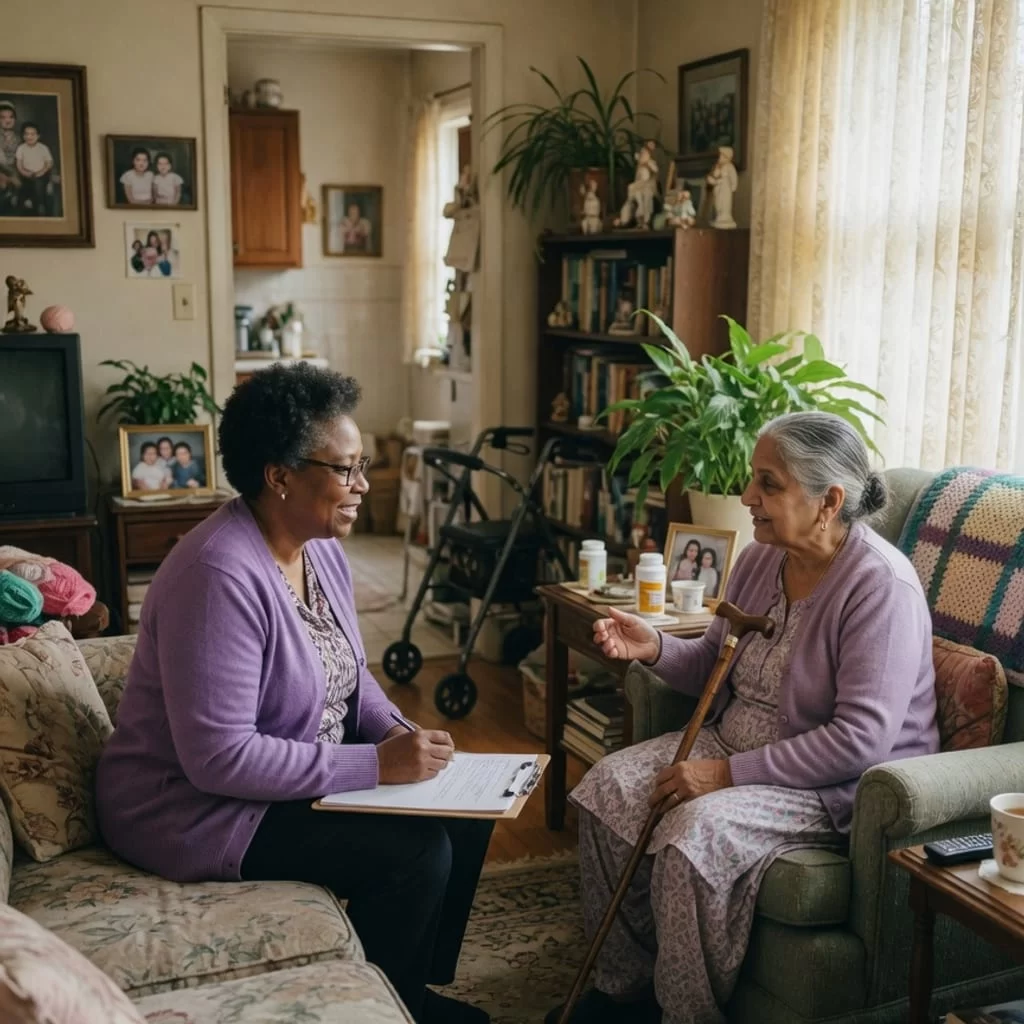
When you first consider home care for an aging parent or relative, the process can feel overwhelming. You may wonder: How do we know what kind of help is needed? Will a stranger come into our home? What will they ask? The in-home care assessment is designed to answer these questions and create a personalized plan. Think of it as a friendly, professional conversation that puts your family at ease. At Rockaway Home Care, we believe knowledge is power, so let us walk you through exactly what to expect during this important first step.
Why an In-Home Care Assessment Is Necessary
An in-home care assessment is not a test or a judgment. It is a thorough evaluation conducted by a trained care coordinator or nurse to understand your loved one’s unique needs, preferences, and living environment. The goal is to match them with the right caregiver and services so they can remain safe, comfortable, and independent at home for as long as possible.
Without an assessment, families often guess at what is needed, which can lead to under- or over-servicing. For example, a person with mild forgetfulness may only need companionship and meal reminders, while someone recovering from a hip replacement may need hands-on help with bathing and mobility. The assessment ensures that no detail is missed and that the care plan is truly tailored.
Additionally, the assessment helps establish a baseline. Over time, as needs change, the care plan can be updated based on the initial evaluation. This ongoing partnership is key to effective home care.
Who Conducts the Assessment and Where It Happens
Typically, the assessment is performed by a registered nurse (RN) or a licensed social worker who specializes in geriatric care. They are trained to be sensitive, respectful, and thorough. At Rockaway Home Care, our assessors are local to New York and understand the unique challenges and resources in our communities.
The assessment almost always takes place in the senior’s home. This is intentional because it allows the assessor to see the actual living conditions, including safety hazards like loose rugs, poor lighting, or cluttered hallways. It also helps them observe how the senior moves around their own space, which is very different from a clinical office visit.
Family members or primary caregivers are strongly encouraged to be present. Not only does this provide emotional support for the senior, but it also ensures that the assessor gets a complete picture. Sometimes seniors downplay their difficulties out of pride, so having a family member there can help clarify needs.
What Happens During the Visit: A Step-by-Step Overview
The assessment typically lasts between one and two hours, depending on the complexity of the situation. It is a conversation, not an interrogation. The assessor will ask open-ended questions and take notes. Here is a breakdown of the key areas they will cover.
Medical History and Current Health Status
The assessor will review your loved one’s medical conditions, medications, allergies, and recent hospitalizations. They will ask about doctor visits, chronic issues like diabetes or heart disease, and any pain or discomfort. This information helps determine what level of medical oversight is needed.
They will also ask about recent falls, dizziness, or changes in appetite or weight. For example, if a senior has lost weight without trying, it may indicate a need for meal preparation or assistance with eating. Be prepared to share a list of medications or bring the pill bottles to the conversation.
Activities of Daily Living (ADLs)
This is a core part of the assessment. ADLs include bathing, dressing, toileting, transferring (getting in and out of bed or a chair), and eating. The assessor will ask whether your loved one can do these tasks independently, with some help, or not at all.
For instance, they might ask: ‘Can Mom bathe herself safely, or does she need someone to steady her in the shower?’ or ‘Does Dad need help buttoning his shirt or tying his shoes?’ The answers guide whether a home health aide is needed for personal care or if a companion is sufficient.
Instrumental Activities of Daily Living (IADLs)
These are more complex tasks that support independent living: managing finances, shopping, cooking, housekeeping, using the phone or technology, and taking medications correctly. An older adult who is physically strong but confused about money or medications may need a different kind of support than someone who is physically frail but mentally sharp.
The assessor may ask: ‘Who handles the bills?’ or ‘Can you prepare a simple meal like soup and a sandwich?’ If the answer is ‘no’ or ‘with difficulty,’ the care plan can include reminders, transportation, or hands-on help.
Cognitive and Emotional Health
Assessors also evaluate memory, judgment, and mood. They may use simple screening tools like asking the senior to remember a few words or draw a clock. This is not meant to be scary but to identify early signs of dementia or depression.
For example, if a senior cannot recall recent events or seems withdrawn, the assessor will note that and recommend a caregiver trained in dementia care or emotional support. Family members should share any concerns about mood swings, anxiety, or confusion.
Home Safety Assessment
The assessor will walk through the home with fresh eyes. They will look for trip hazards, grab bars in the bathroom, smoke detectors, adequate lighting, and clear pathways. They may suggest simple modifications like removing throw rugs or installing a shower chair.
If the home has stairs, they will ask how the senior manages them. This is critical for fall prevention, which is a leading cause of injury among older adults. The assessment might also include a review of emergency plans, such as having a phone within reach at all times.
How to Prepare for the Assessment
Preparation can make the assessment more productive and less stressful. Start by gathering key documents: a list of current medications with dosages, contact information for primary care doctors and specialists, and any recent hospital discharge summaries. Having these handy saves time and ensures accuracy.
Write down your own observations. Note any recent changes in behavior, mobility, or health. Think about specific challenges you face as a caregiver, such as difficulty getting your loved one to bathe or concerns about them wandering. The assessor needs this real-world perspective.
Finally, prepare your loved one emotionally. Explain that this visit is to help them stay safe and independent at home, not to take away their freedom. A calm, reassuring tone goes a long way. If they are anxious, you might ask the assessor to call ahead and introduce themselves.
What Happens After the Assessment
Once the assessment is complete, the care coordinator will create a written care plan. This document outlines the specific services recommended, such as the number of hours per week, the type of caregiver (home health aide, companion, or registered nurse), and any special instructions like diet or mobility assistance.
The care plan is shared with the family for review and approval. You have the opportunity to ask questions, request changes, or clarify anything. At Rockaway Home Care, we believe this is a collaborative process. No plan is final until you feel confident and comfortable.
After the plan is approved, a caregiver is matched based on personality, skills, and availability. A start date is set, and the care coordinator often checks in after the first week to ensure everything is going smoothly. Adjustments can be made at any time as needs evolve.
Common Questions and Concerns Families Have
Many families worry that an assessment will feel invasive or that it might upset their loved one. In reality, most seniors appreciate being asked about their preferences and routines. The assessor is trained to be gentle and respectful, focusing on strengths as well as challenges.
Another concern is cost. The assessment itself is typically free of charge when you are considering home care services. It is a consultation, not a commitment. You are under no obligation to accept the care plan. However, if you do proceed, many payment options exist, including private pay, long-term care insurance, and some government programs like CDPAP in New York.
Families also ask how often assessments are repeated. Usually, a reassessment occurs every six months or whenever there is a significant change in health or living situation, such as a fall or a new diagnosis. This ensures the care plan remains relevant and effective.
Frequently Asked Questions
How long does an in-home care assessment take?
Most assessments take between one and two hours. Complex cases with multiple medical issues or safety concerns may take longer. The assessor will go at your loved one’s pace and take breaks if needed.
Do I need to be present during the assessment?
Yes, it is highly recommended that a family member or close friend be present. You can provide valuable information and emotional support. The assessor will also want to hear your perspective on daily challenges and needs.
Will the assessment include a physical exam?
The assessor may check vital signs like blood pressure and pulse, but a full physical exam is not typically performed. They will observe how your loved one moves and may ask them to perform simple tasks like standing from a chair or walking across the room.
What if my loved one refuses to participate?
This can happen, especially if the senior is anxious or feels their independence is threatened. Try to have a calm conversation beforehand about the benefits. If they still refuse, the assessor can often gather information from family members and observe the home environment. Patience and respect are key.
Can the assessment lead to a change in services later?
Absolutely. The initial assessment is a starting point. As your loved one’s condition changes, a reassessment can be scheduled to adjust the care plan. This flexibility ensures they always receive the right level of support.
We hope this guide has helped you feel more prepared and less anxious about the in-home care assessment process. At Rockaway Home Care, we are here to support your family every step of the way. If you have more questions or would like to schedule a free, no-obligation consultation, please reach out to our team. We would be honored to help your loved one live safely and comfortably at home.
This article provides general information and is not a substitute for professional medical advice. Always consult a qualified healthcare provider for specific concerns about your loved one’s health.
More from the Rockaway Home Care blog
- Understanding Medicaid home care eligibility
- Top questions families ask about home care costs
- Choosing between live-in care and hourly home care
- How to create a home care plan for a loved one