
When Seniors Refuse Care: Empathy-Driven Strategies
Discover how to respond with empathy when a senior refuses care, balancing respect for their autonomy with the need for safety, through practical strategies and real-world examples.
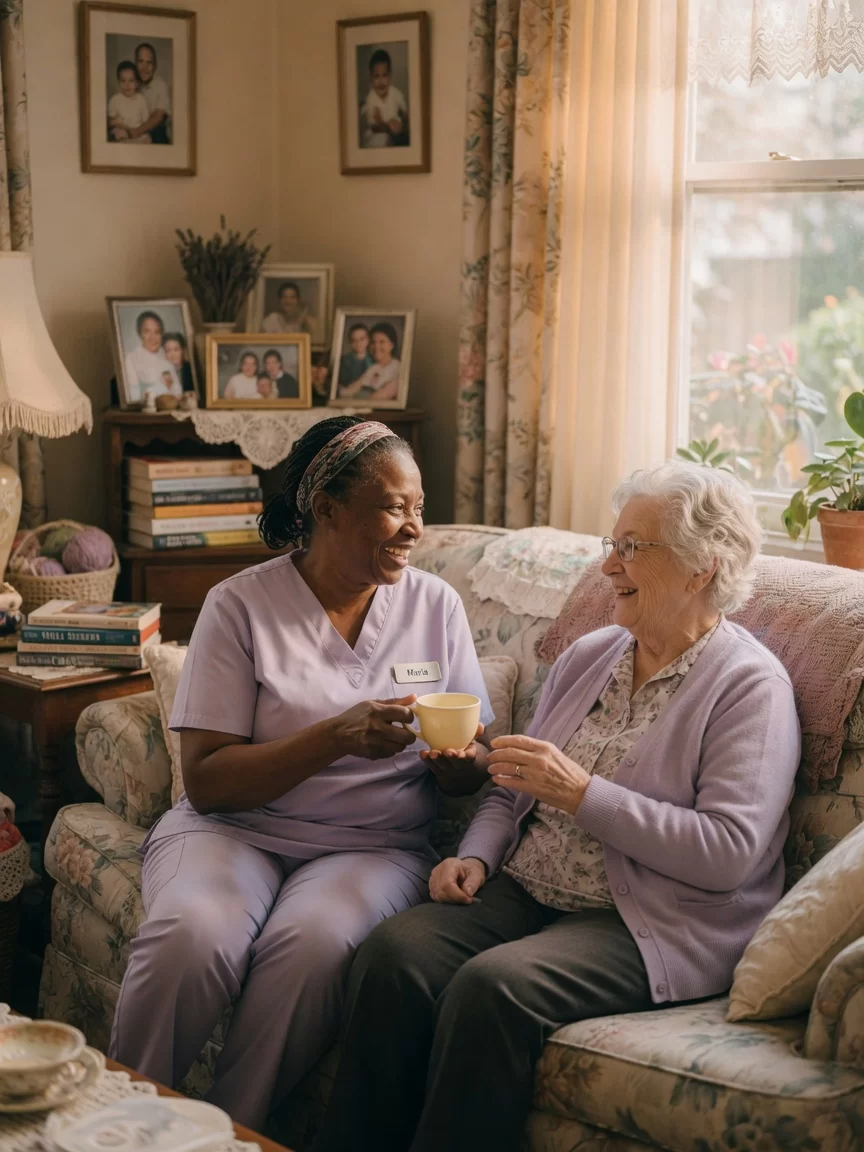
When a senior you love refuses care, it can feel like a door slamming shut. You want to help, but every offer of assistance is met with a firm ‘No, I don’t need that’ or a quiet withdrawal. This is not a sign of failure on your part. It is a normal, human response to feeling a loss of control. As a home care agency serving New York families for years, Rockaway Home Care has seen that the most successful approach is not to push harder, but to step back with empathy and understanding. Let us explore strategies that honor the senior’s dignity while gently guiding them toward the care they need.
Understanding Why Seniors Refuse Care
Before you can respond, it helps to understand the roots of refusal. Often, it comes from fear: fear of losing independence, fear of being a burden, or fear of the unknown. A senior who has always managed their own home may see a home health aide as a threat to their identity. Other times, refusal stems from physical discomfort, such as pain during bathing, or from cognitive changes that make unfamiliar routines confusing. For example, a person with dementia might not recognize the need for help with meals because their perception of time is altered. Listen carefully to the words they use. Saying ‘I’m fine’ might really mean ‘I’m scared of what accepting help says about me.’ Validating that feeling is the first step.
It is also important to consider practical barriers. Perhaps the caregiver assigned is not a good fit in terms of personality or communication style. Or the timing of care (mid-morning when they prefer a nap) creates friction. By openly discussing these factors, you can often resolve the refusal without changing the care plan. Remember: refusal is a signal, not a shutdown. Treat it as an invitation to explore what’s underneath.
Leading with Empathy: The Foundation of Care
Empathy is not just acknowledging a feeling; it is the active effort to see the world from your loved one’s perspective. When a senior says ‘I don’t want anyone in my house,’ respond with something like: ‘It sounds like this feels like a loss of privacy to you. I would feel the same way.’ This validates their emotion without immediately countering it. Once they feel heard, you can slowly introduce the idea of care as a support for their independence, not a replacement for it.
At Rockaway Home Care, we train our aides to use a technique called ’empathic listening.’ This means giving full attention, reflecting back what you hear, and asking open-ended questions. For instance, after a bath refusal, an aide might say: ‘I notice you seem uncomfortable with the idea of help in the bathroom. What part bothers you most?’ The answer might be embarrassment, fear of slipping, or dislike of the soap. Addressing that specific concern builds trust. Remember, empathy does not mean giving up on safety; it means partnering with the senior to find a solution that respects their dignity.
Practical Empathy Tips
- Use their language: If they call their walker ‘that thing,’ use the same term to connect.
- Share a moment: Sit at eye level, hold their hand if welcome, and pause before speaking.
- Acknowledge their expertise: Say, ‘You’ve been taking care of yourself for so many years, you know best what you need.’ This sets a collaborative tone.
Communication Techniques That Reduce Resistance
How you ask can be as important as what you ask. Instead of saying ‘You need to take your medication now,’ try ‘It’s time for your medication to help keep you strong. Would you like to take it with water or juice?’ Offering a small choice restores a sense of control. Another technique is ‘the gentle nudge’ — waiting a few minutes and trying again with a different approach. For example, if a senior refuses to get dressed, an aide might say: ‘I just made some fresh coffee. How about we get dressed and then enjoy it together?’ This frames the care task as a step toward a pleasant activity.
Nonverbal communication is equally crucial. Avoid standing over the senior with arms crossed; instead, kneel or sit beside them. Use a soft tone and simple, direct sentences. If the senior has hearing loss, face them directly and speak clearly without shouting. Sometimes the act of turning on music or offering a favorite snack can shift the mood and lower defenses. The goal is to create a cooperative atmosphere, not a command performance.
When disagreements arise, use ‘I’ statements to express your own feelings: ‘I feel worried when you skip meals because I care about your health.’ This is less confrontational than ‘You need to eat more.’ It invites a dialogue rather than a debate. If the senior remains adamant, respect their ‘no’ for the moment and revisit the topic later. Persisting in the moment often escalates tension.
Respecting Autonomy While Ensuring Safety
This is the delicate balance every family caregiver faces. You cannot force an adult to accept care, and you should not. But you do have a responsibility to minimize risks. One approach is to create a ‘care menu.’ List several options for support and let the senior choose. For example: ‘Which would help you feel most at ease: having someone help with laundry twice a week, or having a companion for walks?’ Even if they pick the least intensive option, you have opened the door.
Sometimes you need to accept small risks to preserve a larger sense of independence. For instance, if a senior insists on making their own breakfast despite unsteady hands, you might allow it but stand by quietly. If a fall occurs, it can become a teachable moment. The key is to avoid a power struggle. Instead, collaborate with the senior’s healthcare provider to set boundaries. A doctor’s note saying ‘for safety, please use a gait belt when walking’ can feel less personal than a family member’s request.
It is also wise to involve the senior in care planning meetings. When they hear from a professional that certain assistance is recommended, they may be more receptive. At Rockaway Home Care, we encourage family members to step back and let the aide or nurse establish their own relationship with the senior. Sometimes the presence of a neutral third party reduces the emotional charge that can arise between parent and child.
Using the ‘Yes, And’ Approach
Improvisation teaches us to accept what is offered and build on it. When a senior says ‘I don’t want a shower today,’ instead of arguing, you can say ‘Yes, and I understand. How about we just wash your face and hands? It will feel refreshing.’ This technique prevents a flat refusal from stopping all care. You acknowledge their ‘no’ and then add a small, acceptable action. Over time, these small actions can expand as the senior becomes more comfortable.
Another variation is ‘the trial offer.’ Propose a short, reversible agreement: ‘Let’s try having an aide come for just one hour, three times this week. If you don’t like it, we can stop.’ Most seniors agree to a trial because it feels less permanent. Once the aide builds rapport, the senior often grows to appreciate the help. The key is to keep the tone light and non-pressuring. You might even say, ‘This is just an experiment. No commitment.’
Remember that the senior’s refusal may be a test of your reliability. They want to know if you will still respect them even when they say no. If you respond with kindness and patience, you strengthen the trust that makes future care easier.
Creating a Supportive Environment at Home
The physical space can influence a senior’s willingness to accept care. Cluttered rooms, poor lighting, and unfamiliar objects can increase anxiety. Work with the senior to make the home feel safe and familiar. For example, if a senior refuses to use a shower chair because it looks ‘medical,’ try a teak stool that resembles furniture. Small adjustments can reduce the stigma of care.
Routine also matters. Seniors often resist change, so introducing care at the same time each day can reduce friction. Pair a care task with something they enjoy: a favorite radio program during dressing, or a crossword puzzle after breakfast. The brain learns to associate the care with positive stimuli. Also, be mindful of the senior’s energy levels. If they are most alert in the morning, schedule bathing then. Fatigue often amplifies resistance.
Family dynamics play a role too. If multiple family members are involved, ensure consistent messaging. Conflicting advice from siblings can confuse and frustrate the senior. Designate one primary contact for care decisions, and hold regular family meetings to align approaches. At Rockaway Home Care, we often facilitate these meetings to keep the focus on the senior’s wellbeing.
Caring for Yourself as a Caregiver
Dealing with repeated refusals is emotionally draining. You may feel rejected, frustrated, or guilty. It is essential to acknowledge those feelings without letting them drive your actions. Take breaks, talk to a counselor, or join a caregiver support group. Your own health matters. When you are calm and centered, you are better able to respond with empathy.
Set realistic expectations. You cannot control the senior’s choices; you can only influence them. Focus on small wins: a day when they accepted a meal, a moment when they smiled at the aide. Celebrate those. If you feel overwhelmed, reach out to professional home care agencies like Rockaway Home Care for respite or guidance. Remember, you are not alone. Many families face the same struggle, and there are resources to help.
Self-care is not selfish. It is a prerequisite for sustainable caregiving. When you prioritize your own wellbeing, you model healthy behavior for your loved one. You also preserve the relationship, ensuring that care does not become a battle ground. Sometimes the most loving action is to step back and let a professional handle a situation that has become too personal.
Real-World Success Stories (Without Specifics)
Consider a scenario where an elderly father refused all help with bathing. His daughter stopped insisting and instead began visiting at the same time each morning with a cup of coffee and a warm washcloth. She said, ‘Let’s just freshen up a bit.’ Over weeks, he began to accept more thorough assistance. The key was patience and the non-care context of a shared morning ritual.
Another example: a senior with mild cognitive decline refused to let an aide into her home. The aide started by simply walking the dog with the senior daily. No care tasks. After two weeks, the senior invited the aide in for tea. Eventually, she accepted help with housekeeping. The aide had become a friend, not a threat. These stories illustrate that empathy and time can dissolve barriers that direct confrontation cannot.
Every refusal is an opportunity to learn. What works today may not work tomorrow, so flexibility is crucial. The goal is not to eliminate all refusals but to create a dynamic where care can be accepted in a way that preserves the senior’s sense of self.
Frequently Asked Questions
What if my loved one refuses to take their medication?
First, understand why. Is it a side effect, difficulty swallowing, or a belief they don’t need it? Talk to their doctor about alternatives like liquid forms, smaller pills, or different timing. Offer a choice of how to take it (with applesauce, in juice). Never force or hide medication; it erodes trust. Consider a medication dispenser with alarms and involve a pharmacy for blister packs.
How can I handle a senior who refuses to bathe?
Bathing can be frightening due to fear of falling or cold. Make the bathroom warm and safe with grab bars and a sturdy chair. Offer a sponge bath or sit-down shower. Use pleasant scents and soft towels. Let them choose the time of day. Sometimes a washcloth and basin by the sink is a starting point. Patience is key; avoid shaming.
What if the senior resists help from a home health aide specifically?
Allow the aide and senior to build rapport without pressure. Have the aide start by doing non-care tasks like chatting or helping with a hobby. If personality clash is an issue, request a different aide from the agency. Many agencies, including Rockaway Home Care, will match caregivers based on temperament and interests.
Is it ever okay to force care on a senior?
Only in emergency situations where there is immediate danger (e.g., a fall causing injury). Otherwise, forcing care damages the relationship and can lead to more resistance. Involve a social worker or elder law attorney if safety concerns are chronic. The goal is always to find voluntary cooperation.
How do I stay calm when my loved one repeatedly refuses?
Practice deep breathing before interactions. Remind yourself their refusal is not personal. Take breaks when needed. Talk to a counselor or support group. Consider respite care to recharge. Your calm presence is more effective than frustration. Remember: this is a marathon, not a sprint.
If you are navigating the challenges of a senior who refuses care, you are not alone. At Rockaway Home Care, we understand the delicate balance between supporting independence and ensuring safety. Our compassionate team is here to walk alongside you, offering personalized strategies and professional home care services that honor your loved one’s dignity. We invite you to reach out for a free consultation to explore how we can help your family find peace of mind.
This article is for general informational purposes only and does not constitute medical advice. Always consult a qualified healthcare provider for personal medical concerns.
More from the Rockaway Home Care blog
- Understanding Medicaid home care eligibility
- Top questions families ask about home care costs
- Choosing between live-in care and hourly home care
- How to create a home care plan for a loved one