Reducing Senior Loneliness Through Intergenerational Programs
Discover how intergenerational programs can reduce senior loneliness and enrich lives. Rockaway Home Care offers guidance for New York families seeking meaningful connections for their aging loved ones.
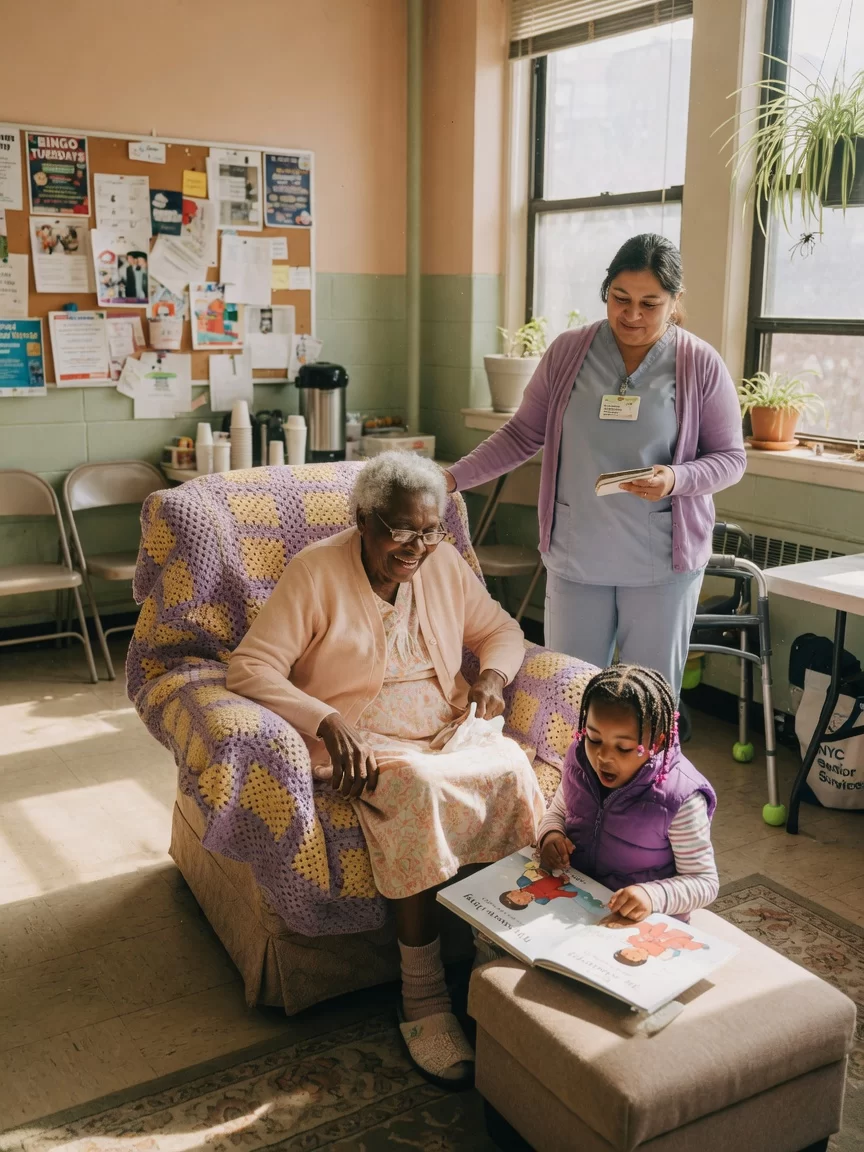
Loneliness among seniors is a silent crisis that affects millions of older adults across New York City and beyond. At Rockaway Home Care, we see every day how a lack of meaningful connection can take a toll on both emotional and physical health. But there is a powerful antidote: intergenerational programs that bring together seniors and younger generations. These programs offer a beautiful way to reduce isolation, share wisdom, and create bonds that brighten everyone’s lives.
Understanding Senior Loneliness and Its Impact
Senior loneliness is more than just feeling sad; it is a serious health concern. Research shows that chronic loneliness can increase the risk of heart disease, depression, cognitive decline, and even premature death. For many older adults in New York, factors such as retirement, loss of a spouse, limited mobility, and family members living far away contribute to social isolation. The feeling of being disconnected from the community can erode a senior’s sense of purpose and joy.
Recognizing the signs of loneliness is the first step. Look for changes in appetite, sleep patterns, or mood. A senior who once enjoyed social activities may withdraw or express feelings of emptiness. Family members often notice these changes but may not know how to help. That is where intergenerational programs can make a profound difference. By intentionally creating opportunities for seniors to interact with younger people, we can address loneliness at its root.
It is important to understand that loneliness is not a normal part of aging. With the right support and connections, seniors can thrive emotionally and mentally. Intergenerational programs provide a structured yet joyful way to rebuild social networks and restore a sense of belonging.
What Are Intergenerational Programs?
Intergenerational programs are organized activities that bring together people from different age groups, typically older adults and children or teenagers. These programs are designed to foster mutual learning, respect, and friendship. They can take place in schools, community centers, libraries, senior centers, or even in private homes. The key is that both generations actively participate and benefit from the interaction.
Examples include reading partnerships where seniors listen to children practice reading, technology workshops where teens teach seniors how to use smartphones or video calls, and shared gardening projects where both age groups work side by side. Some programs involve storytelling sessions where seniors share life experiences, while others focus on creative arts like painting or music. The variety is endless, and the common thread is genuine human connection.
These programs are not just one-time events; many are ongoing, allowing relationships to deepen over time. In New York, organizations like the New York City Department for the Aging and local nonprofits offer intergenerational opportunities. Additionally, some home care agencies, including Rockaway Home Care, can help families identify and access these programs that match their loved one’s interests and abilities.
The Powerful Benefits of Intergenerational Connections
The benefits of intergenerational programs extend far beyond reducing loneliness. For seniors, interacting with younger people can boost cognitive function, improve mood, and increase physical activity. Having a young friend to look forward to seeing can give a senior a reason to get dressed and engage with the world. The exchange of stories and skills also reinforces a senior’s sense of value and legacy.
For younger participants, the advantages are equally significant. Children and teens gain empathy, patience, and a broader perspective on life. They learn about history and resilience from those who have lived through different eras. These interactions can also help young people develop communication skills and reduce age-related stereotypes. In a society that often segregates by age, intergenerational programs build bridges that benefit everyone.
Families also see positive changes. When a senior loved one is happier and more engaged, caregiving becomes less stressful. The senior may require less emotional support from family members, freeing up time for quality interactions. Moreover, the whole family can participate in some programs, creating multigenerational bonding experiences that strengthen family ties.
Types of Intergenerational Programs for Seniors
There are many types of intergenerational programs, and the best choice depends on the senior’s personality, interests, and physical abilities. Here are some common and effective options:
School-Based Programs
Many schools invite seniors to volunteer as reading buddies, guest speakers, or mentors. A senior might visit a classroom once a week to listen to children read or share stories about their career. This low-commitment activity provides regular social contact and a sense of purpose. Schools often provide training and support to ensure a positive experience.
Technology Tutoring
Teens and young adults can teach seniors how to use computers, tablets, and smartphones. In return, seniors share life wisdom. These sessions often take place at libraries or senior centers. Learning new technology helps seniors stay connected with distant family and access online resources, reducing isolation even further.
Shared Hobby Groups
Gardening, knitting, cooking, or art classes that mix ages allow natural interaction. For example, a community garden where seniors and teenagers plant vegetables together creates a shared goal and regular meetups. The physical activity and outdoor time are additional health bonuses.
Intergenerational Choirs or Music Groups
Singing in a choir that includes all ages is a joyful way to connect. Music transcends generational gaps and creates a sense of unity. Many senior centers and churches offer such groups, and they often perform at local events.
Foster Grandparent Programs
These formal programs pair seniors with children who need extra attention, such as those in hospitals or schools. The senior provides companionship and support, while the child benefits from a caring adult presence. This can be deeply rewarding for seniors who miss nurturing roles.
How Families Can Encourage Participation
If you have a senior loved one who might benefit from intergenerational programs, here are practical steps to encourage them gently:
- Start a conversation about their interests. Ask what activities they enjoyed in the past or what they would like to try. Listen without pressure.
- Research local options together. Look up programs at nearby schools, libraries, or senior centers. Many New York City boroughs have active intergenerational initiatives.
- Offer to accompany them the first time. A familiar face can ease anxiety. Once they feel comfortable, they may go on their own.
- Start small. A one-hour weekly commitment is often less intimidating than a full-day program. Build from there.
- Highlight the benefits for the younger generation. Seniors often feel motivated by the chance to help children or teens learn and grow.
- Use a home care aide as a bridge. An aide can help with transportation, provide encouragement, and even participate alongside the senior.
It is normal for seniors to feel hesitant about trying something new. Reassure them that it is okay to start slowly and that many programs are designed to be welcoming and flexible. Celebrate small steps, like attending an open house or meeting one new person.
Overcoming Barriers to Intergenerational Engagement
Despite the clear benefits, some seniors face obstacles to participating. Mobility issues, hearing or vision loss, and chronic health conditions can make it difficult to leave the home. Language barriers or cultural differences may also cause hesitation. Fortunately, many programs are adapting to be more inclusive.
For seniors with limited mobility, look for programs that offer transportation or are held in accessible locations. Some intergenerational activities can even take place at home, such as a teen volunteer visiting for a weekly chat or game. Technology can also bridge the gap: virtual intergenerational programs via video calls allow seniors to connect without leaving their living room.
If a senior is worried about not having anything in common with young people, remind them that shared activities create common ground. A simple project like making a craft together can spark conversation. Home care providers can help by identifying program coordinators who understand the senior’s needs and can make accommodations. Rockaway Home Care’s team regularly assists clients in finding inclusive programs that respect their dignity and preferences.
The Role of Home Care Agencies in Facilitating Connections
Home care agencies like Rockaway Home Care play a vital role in reducing senior loneliness. Beyond providing personal care and assistance with daily tasks, our home health aides can actively support social engagement. An aide can help a senior prepare for an intergenerational activity, provide transportation, and stay nearby for reassurance. They can also facilitate virtual connections by setting up video calls with grandchildren or school groups.
Our caregivers are trained to recognize signs of loneliness and to encourage participation in activities that bring joy. They work closely with families to create a care plan that includes social goals. For example, if a senior enjoys reading, the aide might help them join a library program where they read to children. If a senior loves music, the aide can find a local intergenerational choir.
We also partner with community organizations to stay informed about available programs. When a family contacts us for a consultation, we discuss the senior’s interests and recommend specific intergenerational opportunities. Our goal is to help each client build a fulfilling life that includes meaningful relationships across generations. This holistic approach to care addresses not just physical needs but emotional and social well-being.
Frequently Asked Questions
What are intergenerational programs for seniors?
Intergenerational programs are organized activities that bring older adults together with children or teenagers. They can include reading partnerships, technology tutoring, shared hobbies, and more. The goal is to create mutual benefit and reduce social isolation for seniors while providing younger people with mentorship and connection.
How do intergenerational programs help with senior loneliness?
These programs provide regular, meaningful social interaction that combats feelings of isolation. Seniors develop new relationships, gain a sense of purpose, and feel valued. The structured nature of the programs ensures consistent contact, which is key to overcoming loneliness.
What if my loved one is shy or reluctant to join?
Start slowly. Attend an open house or a single session together. Choose an activity that matches their interests. Many programs are designed to be low-pressure and welcoming. A home care aide can also provide gentle encouragement and accompany them until they feel comfortable.
Are there intergenerational programs available in New York City?
Yes, New York City offers many intergenerational programs through public libraries, senior centers, schools, and nonprofits. The New York City Department for the Aging has a directory of resources. Rockaway Home Care can help families locate programs that are convenient and suitable for their loved one.
How can a home care agency help my senior parent participate?
A home care agency can provide transportation, accompaniment, and encouragement. Caregivers can help with preparation, such as dressing or gathering materials, and can stay with the senior during the activity if needed. They also coordinate with families to ensure the program aligns with the senior’s health and preferences.
If you are concerned about a senior loved one’s loneliness, we invite you to reach out to Rockaway Home Care for a free consultation. Our compassionate team can help you explore how intergenerational connections and personalized care can make a difference. Contact us today to learn more.
This article provides general information and is not a substitute for professional medical advice. Always consult with a healthcare provider for personal health concerns.
More from the Rockaway Home Care blog
- Understanding Medicaid home care eligibility
- Top questions families ask about home care costs
- Choosing between live-in care and hourly home care
- How to create a home care plan for a loved one