Senior Scams via Fake Utility Calls: Real Scripts & Defense
Fake utility calls are a top scam targeting seniors. Learn the real scripts scammers use and practical steps to protect your loved ones.
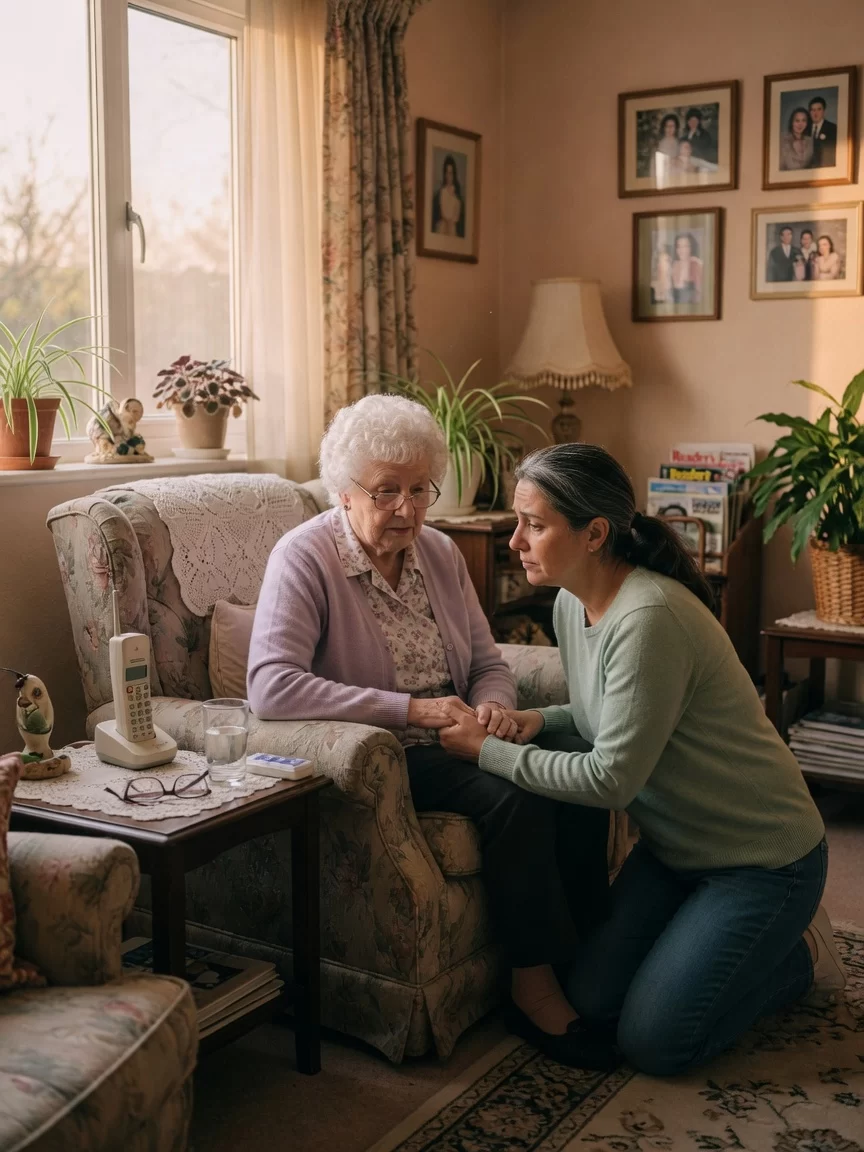
The phone rings at 10:30 on a Tuesday morning. Your mother, who lives alone, answers. A friendly but firm voice says, ‘This is Mark from Con Edison. Your account is past due, and we are about to shut off your electricity in 45 minutes unless you make an immediate payment.’ Panic sets in. She has never missed a bill. She asks questions, but the caller has answers. He knows her address, her zip code, even the last four digits of her account. He offers a ‘special arrangement’ to avoid disconnection: a quick payment over the phone with a prepaid card or a wire transfer. This is not a real utility call. It is a scam, and it happens to seniors every single day across New York and the entire country.
As a home care agency that works with older adults and their families, we have seen the aftermath of these scams: the shame, the financial loss, and the deep erosion of trust. The emotional toll is often worse than the money. That is why we are writing this guide. We want you and your loved ones to recognize the scripts, understand the psychology behind them, and have a concrete defense plan before the next call comes. Because it will come. Scammers are relentless, and they specifically target seniors who may be isolated, polite, and less familiar with digital payment methods.
The good news is that knowledge is a powerful shield. When you know what a fake utility call sounds like, you can hang up with confidence. When you know the verification steps, you can protect your bank account and your peace of mind. In this article, we will walk you through real-world scripts, the red flags that separate a legitimate call from a fraud, and step-by-step defense strategies you can teach your aging parent or grandparent today. Let us start by understanding why scammers love utility companies.
Why Utility Scams Work So Well on Seniors
Utility scams are effective because they tap into two primal fears: the fear of losing a basic necessity and the fear of being caught off guard. For an older adult living at home, electricity, heat, and water are not just conveniences; they are lifelines. The threat of having the power shut off, especially during a New York winter or a summer heat wave, is terrifying. Scammers know this, and they use that fear to override rational thinking.
Seniors are also more likely to answer the phone from unknown numbers. Many grew up in an era when a ringing phone was always answered, and hanging up on someone felt rude. Scammers exploit this politeness. They create a sense of urgency that demands immediate action, leaving no time to call a family member or verify the information. The caller might say, ‘If you do not pay right now, we cannot guarantee service tomorrow,’ or ‘This is your final notice before disconnection.’ These phrases are designed to trigger a fight-or-flight response, and the senior’s brain goes into survival mode.
Furthermore, utility scams have a veneer of legitimacy. The caller often has real details, like the senior’s name, address, and even the utility company’s name. They might spoof the caller ID so it displays the actual customer service number of the local utility. They use industry jargon and sound professional. This combination of fear, politeness, and apparent legitimacy is a potent recipe for fraud. Understanding this psychology is the first step in building a defense, because you cannot fight an enemy you do not understand.
Real Scripts Scammers Use (and How to Spot Them)
To defend against a scam, you need to know what it sounds like. Here are real-world scripts that have been reported by seniors and consumer protection agencies. We have changed names and minor details, but the structure is exactly what scammers use. Read these out loud with your loved one. Practice hearing them, so they become familiar.
Script 1: The Immediate Disconnection Threat
‘Hello, this is Sarah from National Grid. We are calling to inform you that your account is past due by $487.32. A technician has been dispatched to your address, and your power will be disconnected in 45 minutes unless we receive payment immediately. To avoid disruption, you can make a one-time payment over the phone with a credit card, debit card, or prepaid card. Press 1 now to speak with a payment specialist.’
Notice the specific dollar amount and the exact time frame. Scammers use precision to sound official. The mention of a ‘technician dispatched’ adds pressure. A real utility company will never call you out of the blue to threaten disconnection with such a short window. They send multiple written notices by mail, and they are required to give you a grace period and a right to dispute.
Script 2: The Overpayment Refund Trick
‘Good afternoon, this is the billing department at PSEG Long Island. We have identified an overpayment on your account in the amount of $312.80. To process your refund, we need to verify your bank account routing and account numbers. Alternatively, we can send a refund to a prepaid card. Please provide the card number and PIN so we can complete the transfer.’
This script flips the fear into a reward. The scammer is offering money, which lowers defenses. They ask for banking details or a prepaid card PIN, which is a huge red flag. No legitimate utility company will ever ask for your bank account number over the phone, and they certainly will not ask for a prepaid card PIN. That PIN is the key to the money on that card.
Script 3: The Meter Replacement or Smart Meter Upgrade
‘This is Mike from the meter department. We are upgrading all meters in your area to smart meters. To schedule an appointment, we need a $200 deposit, which will be refunded after installation. You can pay by gift card, and we will send a technician to your home tomorrow. If you do not pay, you will be responsible for any equipment damage.’
Utility companies do not charge deposits for meter upgrades, and they never ask for gift cards. Gift cards are the currency of scammers because they are untraceable and can be quickly converted to cash. If anyone asks you to pay with a gift card, iTunes card, or prepaid Visa card, it is a scam, period.
Red Flags: How to Spot a Fake Utility Call
There are several universal red flags that appear in almost every utility scam. Teach these to your loved one and write them on a card next to the phone. If the caller triggers even one of these, it is time to hang up.
- Threats of immediate disconnection: Real utilities give written notice and a grace period. They never threaten to shut off service within an hour.
- Demand for immediate payment: Scammers create urgency to prevent you from thinking or verifying. Legitimate companies allow you to pay online, by mail, or over the phone at your convenience.
- Payment methods that are untraceable: Gift cards, prepaid debit cards, wire transfers, or cryptocurrency are all red flags. Utilities accept checks, credit cards, and direct debits, not gift cards.
- Caller ID spoofing: Scammers can make any number appear on your caller ID, even the real utility number. Do not trust caller ID alone.
- Request for personal information: They may ask for your Social Security number, bank account numbers, or passwords. Real utility companies already have your account information on file.
- Pressure to stay on the line: They might say, ‘Do not hang up, or we will disconnect you.’ This is a classic control tactic.
If your loved one hears any of these, the correct response is to say, ‘I do not handle my utility bills. You need to call my son/daughter/relative at [number],’ and then hang up. Or simply say, ‘I will call the number on my bill to verify,’ and hang up. Do not engage in conversation. The longer you talk, the more persuasive they can be.
Step-by-Step Defense Plan for Your Family
Protecting your loved one requires a proactive plan. Do not wait for a scam call to happen. Sit down with your parent or grandparent and create a defense strategy together. Here is a practical, step-by-step approach that has worked for many families we have guided.
Step 1: Know Your Real Utility’s Contact Information
Find the official customer service number on a recent bill and write it on a large index card. Place this card next to every phone in the house. Also write the utility company’s website and your account number (but not the password). When a caller claims to be from the utility, your loved one can say, ‘I have your number here. I will call you back at this number.’ Then hang up and call the number on the card. If it is a scam, the real utility will have no record of the call.
Step 2: Set Up a ‘Safe Word’ or ‘Safe Phrase’
Create a family code word that only you and your loved one know. For example, ‘blue elephant.’ If a caller asks for personal information or demands payment, your loved one can say, ‘I need to hear the code word first.’ A real utility representative will not know the code word, which proves they are a scammer. This is a fun and effective way to give your loved one a sense of control.
Step 3: Use Call Blocking and Screening Tools
Many phone carriers offer call blocking for robocalls. You can also purchase a call screening device that announces the caller’s name and requires them to press a button to connect. Some devices block numbers that are not in the contact list. Set these up for your loved one’s phone. Additionally, register their number on the National Do Not Call Registry, though this will not stop all scammers, it reduces legitimate telemarketing calls.
Step 4: Enroll in Your Utility’s Fraud Alert Program
Most utility companies have a fraud department and offer a service where they will not discuss account details over the phone. Some allow you to set a password on the account that must be provided before any changes are made. Contact your utility and ask about these options. This adds an official layer of protection.
Step 5: Practice Role-Playing Scenarios
Practice makes perfect. Once a month, do a role-play with your loved one where you pretend to be a scammer. Use the scripts above. Have them practice saying, ‘I do not take calls like this. I will call the number on my bill.’ Then praise them for hanging up. This builds muscle memory, so when a real scam call comes, they are ready.
What to Do If Your Loved One Has Already Paid
If you discover that your parent has already given money to a fake utility caller, do not panic and do not blame them. Scammers are skilled professionals, and anyone can be fooled. The first step is to act quickly, because time is critical in recovering funds.
If they paid with a credit card or debit card, call the card issuer immediately. Explain that the charge was fraudulent and ask to reverse it. If they paid with a prepaid card or gift card, contact the card issuer as well; some companies may be able to refund the money if the card has not been used. For wire transfers, contact the wire transfer company (such as Western Union or MoneyGram) and the bank. There is a short window for cancellation, so do not delay.
Next, report the scam to the Federal Trade Commission at ReportFraud.ftc.gov, and to your state’s attorney general’s office. In New York, you can also contact the Public Service Commission, which regulates utilities. These reports help law enforcement track patterns and may lead to investigations. Finally, talk to your loved one about what happened without shame. Reassure them that they are not stupid; they were targeted by a criminal. Then review the defense plan together and consider changing how they handle all unknown calls going forward.
Emotional Support: The Hidden Toll of Scams
Beyond the financial loss, scams can cause profound emotional harm. Many seniors feel embarrassed, violated, and anxious. They may start to doubt their own judgment, and some become so fearful that they refuse to answer the phone at all, cutting off contact with friends and family. This isolation can lead to depression and a decline in physical health.
As a family caregiver or a professional home health aide, your role is to provide reassurance. Remind your loved one that they are not to blame. Scammers are sophisticated criminals who use psychological manipulation. You can say, ‘This is not your fault. These people are experts at lying. The important thing is that we are safe now, and we have a plan.’
Encourage them to stay connected. Help them set up a list of trusted callers, and let them know they can always call you to verify any suspicious call. If you notice signs of anxiety, depression, or withdrawal, consider speaking with their doctor or a counselor. Home care services can also provide companionship and supervision, which reduces the isolation that makes seniors vulnerable in the first place.
How Home Care Services Can Help
At Rockaway Home Care, we see scam prevention as part of our commitment to senior safety. Our home health aides and caregivers are trained to help clients manage phone calls, screen for scams, and provide a comforting presence. A caregiver can be present during the day to answer the phone and handle any suspicious calls, so the senior does not have to face them alone.
Additionally, caregivers can help with practical tasks like setting up call blocking, organizing bills, and even accompanying a senior to the bank to verify accounts. They can also provide emotional support and companionship, which reduces the isolation that scammers exploit. If you are concerned about a loved one living alone, a caregiver can be a daily line of defense.
We also encourage families to have open conversations about money and scams. It can be uncomfortable, but it is necessary. By working together, you can create a safety net that protects both your loved one’s finances and their dignity.
Frequently Asked Questions
What should I say if a utility caller demands payment over the phone?
Say, ‘I do not handle utility matters over the phone. I will call the number on my bill to verify.’ Then hang up immediately. Do not provide any information, and do not feel pressured to stay on the line. A real utility company will respect your decision to verify.
Can scammers really fake the caller ID to show my utility’s number?
Yes, this is called spoofing, and it is very easy for scammers to do. They can make any number appear on your caller ID, including the actual customer service line of your utility. That is why you should never trust caller ID alone. Always call the number on your bill to verify.
My mother has already given her bank account number to a scammer. What do we do?
Contact her bank immediately and place a fraud alert on the account. The bank can freeze the account, issue a new account number, and help you monitor for unauthorized transactions. Also report the incident to the FTC and your state attorney general. Act within 24 hours for the best chance of recovery.
Are there any legitimate utility calls that ask for payment over the phone?
Legitimate utility companies may call to remind you of a past due bill, but they will never demand immediate payment or threaten disconnection within an hour. They will also not ask for gift cards or prepaid cards. If you have any doubt, hang up and call the number on your bill.
How can I help my elderly parent feel less anxious about answering the phone?
Set up a trusted caller list and use call screening. Practice role-playing scam calls to build confidence. Reassure them that it is okay to hang up on anyone who makes them uncomfortable. Having a caregiver present during calls can also reduce anxiety and provide immediate support.
We hope this guide has given you the tools and confidence to protect your loved one. Remember, you are not alone in this. At Rockaway Home Care, we are here to support your family with compassionate home care services and practical safety advice. If you have concerns about your aging parent’s safety or well-being, we invite you to reach out for a free consultation. Our team would be honored to help you create a plan that brings peace of mind to your entire family.
This article is for general information only and is not medical or legal advice. Always consult with a qualified professional for specific concerns.
This article is general information, not medical advice. Please consult a qualified professional about your own situation.
More from the Rockaway Home Care blog
- Understanding Medicaid home care eligibility
- Top questions families ask about home care costs
- Choosing between live-in care and hourly home care
- How to create a home care plan for a loved one