
Caring for a Senior with Cancer at Home: A Family Guide
A comprehensive guide for families navigating home care for a senior with cancer, covering practical care strategies, symptom management, and emotional well-being.
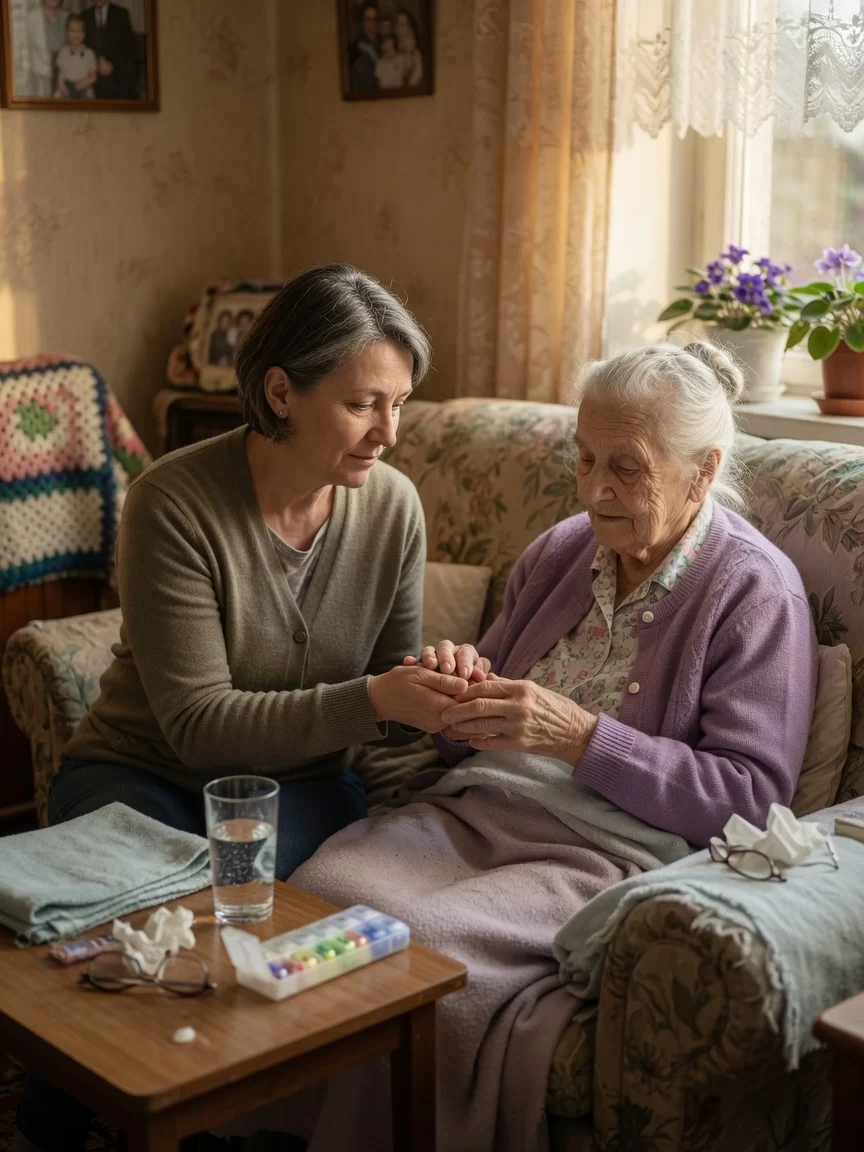
When a loved one receives a cancer diagnosis, the entire family feels the weight of the journey ahead. For many families, the desire to care for a senior with cancer at home comes from a place of deep love and a wish to preserve dignity, comfort, and familiarity. Home care can offer a compassionate alternative to hospital stays, allowing seniors to remain in their own space while receiving the support they need. Yet caring for a senior with cancer at home also brings unique challenges, from managing complex symptoms to balancing emotional needs. This guide is designed to help you navigate this path with practical, person-first advice, so you can focus on what matters most: being present for your loved one.
Understanding the Role of Home Care in Cancer Treatment
Home care for a senior with cancer is not a replacement for medical treatment, but rather a vital complement to it. Home health aides, personal care assistants, and skilled nurses can provide support that ranges from helping with daily activities to monitoring vital signs and administering medications. The goal is to reduce the burden on family members while ensuring the senior receives consistent, professional care tailored to their specific needs.
For many seniors, cancer treatment can be exhausting. Chemotherapy, radiation, and immunotherapy often cause fatigue, nausea, and other side effects that make it difficult to maintain basic routines. Home care services can help with tasks like bathing, dressing, meal preparation, and light housekeeping, allowing the senior to conserve energy for treatment and recovery. This kind of support also gives family caregivers the chance to step back and recharge, reducing the risk of burnout.
In New York, home care options such as the Consumer Directed Personal Assistance Program (CDPAP) allow families to have more control over who provides care. This can be especially helpful for seniors with cancer, as it enables them to choose a caregiver they trust, often a family member or close friend. Understanding the full range of home care services available in your area is an important first step in building a sustainable care plan.
Creating a Safe and Comfortable Home Environment
A senior with cancer may spend a lot of time at home, so making the environment safe and comfortable is essential. Start by assessing the home for fall risks. Remove loose rugs, secure electrical cords, and ensure pathways are clear. Install grab bars in the bathroom and near the toilet, and consider a shower chair or a raised toilet seat if mobility is an issue. Good lighting, especially at night, can prevent accidents and help your loved one feel more secure.
Comfort extends beyond safety. The bedroom should be a calming sanctuary. Use soft, breathable bedding, and consider an adjustable bed or a wedge pillow to help with breathing or pain management. Keep necessary items within easy reach, such as water, medications, a phone, and a call bell. Temperature control is important; cancer treatments can cause hot flashes or chills, so have extra blankets and a fan nearby.
If the senior uses a wheelchair or walker, make sure doorways are wide enough and that there are no obstacles. Consider placing a small table or tray next to their favorite chair for reading, eating, or keeping a tablet for entertainment. Small touches like family photos, a favorite blanket, or a plant can lift the spirit and make the space feel more personal.
Managing Pain and Symptoms at Home
Pain management is often a top concern for families caring for a senior with cancer. It is important to work closely with the medical team to develop a pain management plan that fits the individual. This may include prescription medications, over-the-counter options, or non-pharmacological approaches like gentle massage, heat or cold therapy, and relaxation techniques. Keep a symptom diary to track pain levels, triggers, and what helps, and share this information with the doctor regularly.
Common symptoms like fatigue, nausea, and loss of appetite also require proactive management. Fatigue can be helped by encouraging rest without oversleeping, and by scheduling activities during the senior’s best energy times. For nausea, small frequent meals, ginger tea, and avoiding strong smells can make a difference. Many seniors with cancer experience constipation or diarrhea; staying hydrated and incorporating fiber-rich foods (with a doctor’s guidance) can help.
Do not hesitate to ask for professional support. A home health aide trained in cancer care can assist with monitoring symptoms and providing comfort measures. Hospice or palliative care teams can also offer specialized expertise in symptom control, even if the senior is still receiving curative treatment. Remember, the goal is to keep your loved one as comfortable as possible, and that means speaking up when something is not working.
Nutrition and Hydration Tips for Seniors with Cancer
Eating well can be a struggle for seniors undergoing cancer treatment, but good nutrition is vital for strength, energy, and immune function. The key is to be flexible and patient. Offer small, frequent meals instead of three large ones. Focus on nutrient-dense foods like lean proteins, whole grains, fruits, and vegetables. If your loved one has mouth sores or trouble swallowing, opt for soft foods like smoothies, yogurt, mashed potatoes, or soups.
Hydration is equally important. Seniors may not feel thirsty, so encourage them to drink liquids throughout the day. Water, herbal teas, clear broths, and diluted fruit juices are good options. Avoid excessive caffeine or sugary drinks. If nausea is an issue, try ice chips or popsicles. Some seniors find that drinking through a straw makes it easier. Monitor for signs of dehydration, such as dark urine, dry mouth, or confusion, and report concerns to the doctor.
Supplements might be recommended, but always consult the healthcare team before starting any new product. A registered dietitian with oncology experience can provide personalized meal plans that address specific side effects and dietary restrictions. Preparing meals in advance and freezing them can save time and energy during treatment weeks. Remember, the goal is not perfection, but nourishment that supports your loved one’s body.
Medication Management and Appointment Coordination
Keeping track of medications is a critical part of home care for a senior with cancer. Many seniors take multiple drugs, including chemotherapy pills, pain relievers, anti-nausea medications, and supplements. Use a pill organizer with compartments for each day and time, and set alarms on a phone or watch to remind everyone when doses are due. Create a list of all medications, including dosages and schedules, and keep a copy in a visible place and with the senior’s medical records.
Appointments with oncologists, primary care doctors, and specialists can be overwhelming. Designate one family member or a hired care coordinator to manage the calendar. Use a shared digital calendar or a large wall calendar to track dates, times, and locations. Prepare for each visit by writing down questions and concerns in advance. Bring a list of current medications and any recent symptom changes. This preparation helps you get the most out of each appointment and ensures nothing is forgotten.
At home, keep a supply of all necessary medications, and order refills well before they run out. If the senior has difficulty swallowing pills, ask the pharmacist about liquid forms or crushable options. Home care aides can often assist with medication reminders, but they cannot administer complex treatments unless they are licensed nurses. Always clarify with the agency what level of medication support is available.
Emotional and Psychological Support for Your Loved One
A cancer diagnosis affects more than just the body. Feelings of fear, sadness, anger, and isolation are common. As a family caregiver, your presence and listening ear can be one of the most powerful forms of support. Let your loved one express their feelings without trying to fix everything. Sometimes simply sitting quietly together or holding hands can speak louder than words.
Encourage your loved one to stay connected with friends and family. Even a short phone call or a video chat can lift their spirits. If they feel up to it, gentle activities like looking at old photo albums, listening to music, or doing a simple puzzle can provide a sense of normalcy. Some seniors find comfort in spiritual practices, whether through prayer, meditation, or connecting with a faith community.
Professional counseling or support groups can also be beneficial. Many cancer centers offer support groups for seniors and their families. Online communities provide a way to connect with others who understand the unique challenges of caring for an older adult with cancer. If your loved one is open to it, a social worker or therapist with oncology experience can help them process their emotions and develop coping strategies. Remember, emotional well-being is just as important as physical health.
Caring for the Caregiver: Avoiding Burnout
Family caregivers often put their own needs last, but you cannot pour from an empty cup. Caring for a senior with cancer is demanding, and ignoring your own health can lead to exhaustion, anxiety, and even illness. It is essential to set boundaries and ask for help. Reach out to other family members, friends, or neighbors to share tasks like grocery shopping, meal prep, or simply sitting with your loved one while you take a break.
Take time for yourself each day, even if it is just fifteen minutes to read, take a walk, or call a friend. Consider joining a caregiver support group, either in person or online, where you can share experiences and get practical advice from others in similar situations. Respite care services, such as temporary in-home aides or adult day programs, can give you a longer break when you need it. Your mental and physical health matters, and taking care of yourself is part of taking care of your loved one.
If you are feeling overwhelmed, do not hesitate to speak with a professional. Many caregivers benefit from counseling or coaching to manage stress and grief. Remember that it is okay to have mixed emotions, including frustration or sadness. You are doing a difficult job, and you deserve support too. By prioritizing your own well-being, you will be better able to provide compassionate, sustainable care.
Frequently Asked Questions
How do we know if home care is the right choice for our senior with cancer?
Home care can be a good option when the senior’s medical needs can be managed outside of a hospital or nursing facility, and when they have a safe home environment with willing caregivers. It is important to discuss the decision with the senior’s healthcare team, including their oncologist and a social worker, to assess the level of care needed. If the senior requires round-the-clock monitoring or complex medical interventions, home care may still be possible with skilled nursing support, but each situation is unique.
What qualifications should we look for in a home health aide for cancer care?
Look for a home health aide who has experience caring for seniors with chronic illnesses, especially cancer. They should be trained in symptom management, medication assistance, and fall prevention. Personal qualities like patience, empathy, and good communication are equally important. Many agencies conduct background checks and provide ongoing training. Ask about specific certifications and whether the aide has experience with the side effects of cancer treatments.
How can we help a senior with cancer who has lost interest in eating?
Loss of appetite is common, but you can try offering small, frequent meals that are easy to eat and digest. Focus on calorie-dense foods like nut butters, avocados, and full-fat dairy. Smoothies with protein powder can be a good option. Avoid strong smells that might trigger nausea, and let the senior set their own pace. If weight loss becomes a concern, consult a dietitian or the medical team for additional strategies like appetite stimulants or nutritional supplements.
What should we do if the senior’s pain is not controlled?
If pain is not well-managed, contact the doctor or palliative care team immediately. They may adjust the medication type, dose, or schedule. Keep a pain diary with details about when pain occurs, its intensity, and what helps or makes it worse. Do not wait for the next appointment; uncontrolled pain can affect sleep, mood, and overall health. Home care aides can also help with non-medication pain relief techniques like gentle repositioning or heat pads.
How can we balance caregiving with work and other family responsibilities?
Start by having an open conversation with your employer about flexible hours or remote work options if possible. Delegate tasks among family members, and consider hiring additional home care support for specific times of day or overnight. Respite care services can give you a few hours or days off. Use community resources like meal delivery services or transportation programs to reduce the load. Remember that you do not have to do everything alone; asking for help is a sign of strength.
We hope this guide has given you practical ideas and reassurance as you care for your senior loved one with cancer. Every family’s journey is different, and it is important to adapt these suggestions to your unique situation. At Rockaway Home Care, we are here to support you with compassionate, professional home care services tailored to seniors in New York. Whether you need part-time assistance, full-time care, or just a few hours of respite, we invite you to reach out for a free consultation to discuss how we can help your family.
This information is for general educational purposes only and is not a substitute for professional medical advice. Always consult your loved one’s healthcare team for specific guidance on their condition and care.
More from the Rockaway Home Care blog
- Understanding Medicaid home care eligibility
- Top questions families ask about home care costs
- Choosing between live-in care and hourly home care
- How to create a home care plan for a loved one