
Senior Decluttering When You Have COPD: Breathing-Friendly Pacing
Decluttering with COPD requires a different approach. This guide offers pacing strategies, breathing techniques, and practical tips to help seniors with COPD simplify their homes without straining their lungs.
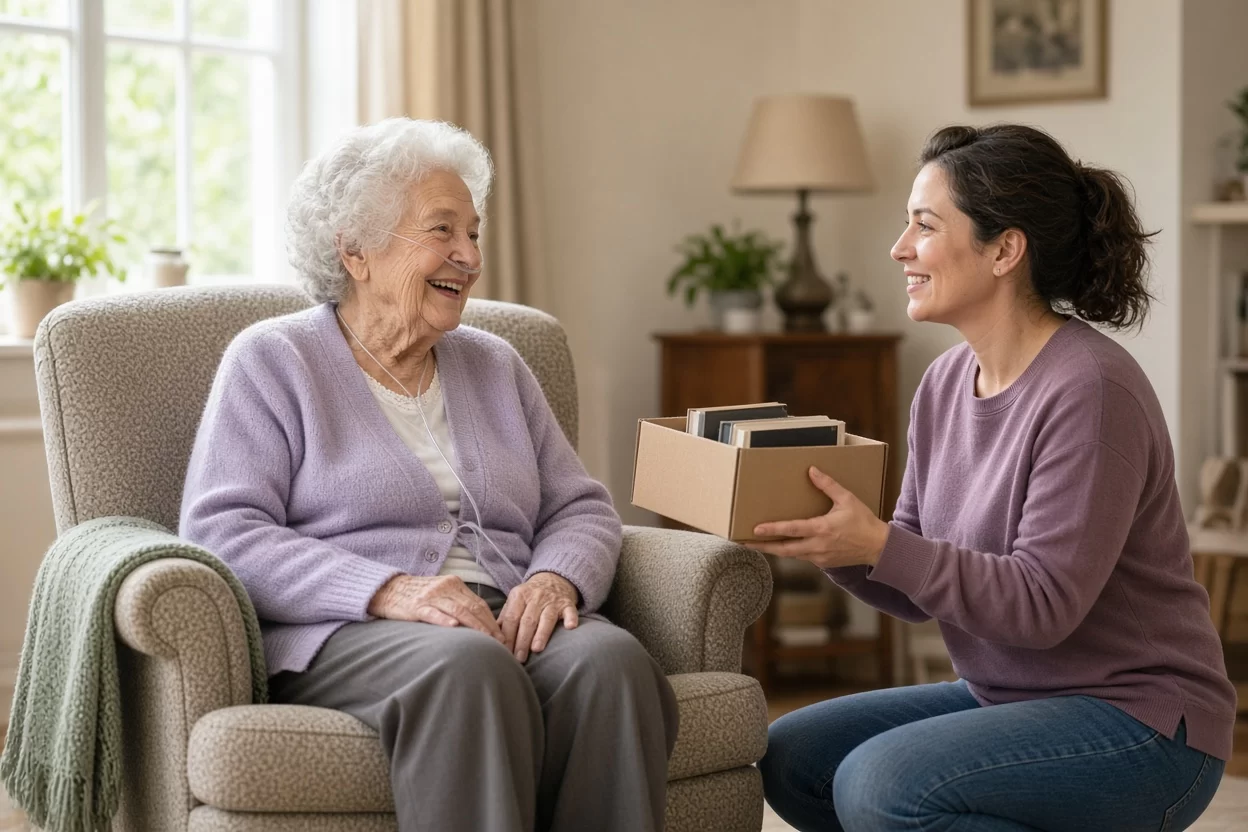
Decluttering a home is a big job for anyone, but when you or a loved one lives with chronic obstructive pulmonary disease (COPD), the task can feel overwhelming. Every lift, bend, and reach can trigger breathlessness, making what seems like a simple chore feel like a marathon. Yet a cluttered home can also add stress and make daily life harder, especially when you need clear paths for a walker or oxygen tubing. The good news is that decluttering with COPD is not only possible, it can be done safely and calmly with the right pacing, tools, and mindset. This guide will walk you through breathing-friendly decluttering strategies that respect your lungs while helping you create a more peaceful, functional home.
Understanding How COPD Affects Physical Effort
COPD is a progressive lung condition that makes it harder to breathe because the airways are narrowed and the lungs are less efficient at exchanging oxygen. Everyday activities that require moderate exertion, such as lifting a box of books or pushing a vacuum, can quickly cause shortness of breath. When you add the repetitive motions of decluttering, the oxygen demand spikes, and your body may struggle to keep up.
This does not mean you should avoid decluttering altogether. Instead, it means you need to approach it with a clear understanding of your energy limits. Think of your energy as a daily budget. If you spend too much too early, you will have nothing left for the rest of the day. By pacing yourself, you can accomplish meaningful tasks without landing in a breathless heap.
It is also important to recognize that COPD affects everyone differently. Some days will be better than others. On low-energy days, you might only be able to sort through one drawer, and that is perfectly okay. The goal is progress, not perfection, and listening to your body is the most important skill you can develop.
Pacing: The Foundation of Breathing-Friendly Decluttering
Pacing is the practice of breaking tasks into small, manageable chunks and alternating activity with rest. For someone with COPD, pacing is not just a nice idea; it is a medical necessity. Without it, you risk severe breathlessness, fatigue, and even a COPD flare-up.
Start by setting a timer for 10 to 15 minutes of active decluttering. When the timer goes off, stop and rest for at least 5 to 10 minutes, even if you feel fine. This deliberate rest helps prevent the buildup of fatigue and gives your lungs time to recover. You can use a chair or a stool to rest in the same room, so you do not have to walk far.
Another key pacing technique is to alternate between sitting and standing tasks. For example, sort a pile of papers while sitting at a table, then stand to place them in a box or shelf. This variation reduces the strain on your respiratory muscles and keeps your body from becoming too fatigued in one position.
Use a Schedule That Works for You
Instead of trying to tackle a whole room in one day, create a weekly schedule that tackles one small area per day. For instance, Monday could be the top shelf of a closet, Tuesday could be a single drawer, and Wednesday could be a stack of magazines. This approach not only prevents overexertion but also gives you a sense of accomplishment each day.
Be realistic about what you can do. If you usually have more energy in the morning, plan your decluttering sessions for that time. Avoid decluttering after a heavy meal or on days when you are already feeling short of breath. It is also wise to check the weather, because high humidity or extreme temperatures can make breathing harder.
Breathing Techniques to Use While Decluttering
Proper breathing techniques can make a significant difference in how you feel during physical activity. Two techniques are especially helpful for people with COPD: pursed-lip breathing and diaphragmatic breathing. These methods help you control your breath, reduce the work of breathing, and prevent air trapping.
Pursed-lip breathing involves inhaling slowly through your nose, then exhaling gently through pursed lips, as if you are blowing through a straw. The exhale should be longer than the inhale, usually about twice as long. This technique helps keep your airways open longer, allowing more oxygen to enter and making each breath more effective.
Diaphragmatic breathing, also known as belly breathing, focuses on engaging your diaphragm rather than your chest muscles. Place one hand on your belly and the other on your chest. As you inhale through your nose, let your belly push your hand out, keeping your chest still. Then exhale slowly through pursed lips. Practice this technique for a few minutes before you start decluttering and use it whenever you feel breathless.
Incorporate Breathing Breaks
Every time you finish a small task, such as sorting a pile of clothes or emptying a box, take a breathing break. Sit down, practice pursed-lip breathing for two to three minutes, and allow your heart rate to settle. These mini-breaks are not wasted time; they are essential to your safety and well-being.
You can also use a simple breathing pattern during activity. For example, inhale as you reach to pick something up, and exhale as you lift or move it. Coordinating your breath with movement reduces the feeling of breathlessness and makes the task feel lighter.
Room-by-Room Decluttering Strategies
Each room in your home presents different challenges and opportunities for decluttering. By breaking the process down by room, you can focus on specific strategies that make the work easier and more effective.
In the bedroom, start with the nightstand and dresser tops. These surfaces tend to collect items that are not used regularly, such as old lotions, books, or trinkets. Use a small basket to collect items that belong elsewhere, and sort them into categories: keep, donate, toss, and relocate. This keeps you from having to walk back and forth too often.
The living room often has the most clutter, from magazines to remote controls to throw pillows. Focus on one surface at a time, such as a coffee table or a bookshelf. Use a tray or a decorative box to corral small items, which makes the space look tidy and reduces visual clutter. For books, consider donating those you have already read or will not read again, but do not try to lift heavy boxes of books by yourself. Ask for help or move them in small stacks.
Kitchen and Bathroom: Prioritize Safety
The kitchen is a high-traffic area where clutter can become a safety hazard. Start by clearing the countertops of appliances you rarely use. Store them in lower cabinets or on a rolling cart that you can move easily. When organizing cabinets, keep frequently used items at waist level to avoid bending or reaching. Use lazy Susans and shelf risers to maximize space without heavy lifting.
In the bathroom, remove expired medications, old cosmetics, and unused towels. Be careful when reaching into lower cabinets, as bending can trigger breathlessness. Sit on a small stool or use a grabber tool to retrieve items from low shelves. Always keep pathways clear of rugs or cords that could cause tripping, especially if you use oxygen tubing.
How to Ask for and Accept Help
Many seniors with COPD feel that asking for help is a sign of weakness or a loss of independence. In reality, asking for help is a smart and empowering way to protect your health and energy. Family members, friends, and professional caregivers can all play a role in helping you declutter safely.
When you ask for help, be specific about what you need. Instead of saying, ‘Can you help me clean out my closet?’ say, ‘Could you help me move these boxes from the closet to the hallway?’ This makes it easier for the other person to assist you without taking over the entire project. You can also request that they handle heavy lifting, reaching high shelves, or carrying items to donation drop-off.
If you use a home care agency like Rockaway Home Care, your caregiver can be an invaluable partner in this process. They are trained to support seniors with chronic conditions like COPD and can help with sorting, organizing, and even simple chores that require minimal exertion. They can also remind you to take breathing breaks and monitor your condition during the activity.
Letting Go of Guilt
It is natural to feel sentimental about possessions, but holding on to items that you no longer use can weigh you down both physically and emotionally. Remind yourself that decluttering is not about discarding memories; it is about creating a space that supports your current life and health. You can take photos of items that hold sentimental value before letting them go, so the memory stays without the physical object.
If you feel overwhelmed by the thought of letting go, start with items that have no emotional attachment, such as expired food, old magazines, or broken items. Once you see how good it feels to clear those, you may find it easier to part with more sentimental things later.
Creating a Maintenance Routine
Once you have decluttered a space, the key is to keep it that way. A simple maintenance routine can prevent clutter from piling up again and reduce the need for marathon cleaning sessions. Spend 5 to 10 minutes each day putting things back in their designated places. This small daily habit is much easier on your lungs than a weekly deep clean.
Use a ‘one in, one out’ rule: every time you bring something new into your home, remove something old. This keeps the volume of belongings steady and prevents accumulation. You can also designate a donation box in a closet or garage, and when it is full, ask someone to take it to a charity shop.
Consider using clear bins and labels to keep items organized. When everything has a home, it is easier to put things away, and you will not have to dig through piles to find what you need. This is especially important for medical supplies, oxygen equipment, and daily essentials.
Frequently Asked Questions
Can decluttering make my COPD symptoms worse?
Decluttering can temporarily increase shortness of breath if you do too much too quickly. However, by pacing yourself, using breathing techniques, and taking frequent rests, you can minimize the risk. Always stop if you feel dizzy, chest pain, or severe breathlessness, and seek medical help if symptoms do not improve.
What is the best time of day to declutter with COPD?
The best time is when you have the most energy, which for many people is mid-morning after breakfast and medications. Avoid decluttering immediately after eating, in extreme heat or cold, or when you are already feeling fatigued. Listen to your body and choose a time when you feel most rested.
Should I use oxygen while decluttering?
If your doctor has prescribed oxygen, use it exactly as directed, including during physical activities like decluttering. Do not reduce your oxygen flow to ‘save’ it. Oxygen helps your body meet the increased demand during activity, so it is important to keep it on. If you feel breathless despite oxygen, stop and rest.
How can I avoid bending and reaching while decluttering?
Use tools like a grabber (reacher) to pick up items from the floor or low shelves. Sit on a stool or chair when working in lower areas. Store frequently used items at waist level, and ask for help with anything that requires significant bending or reaching. These strategies reduce the strain on your breathing.
What should I do if I start feeling breathless during decluttering?
Stop immediately, sit down, and practice pursed-lip breathing. Loosen any tight clothing and use your inhaler if prescribed. If your breathlessness does not improve after several minutes, or if you experience chest pain, dizziness, or confusion, call your doctor or emergency services. It is always better to be safe.
Decluttering your home is a journey, not a race. With patience, pacing, and the right support, you can create a space that feels lighter and more livable, all while respecting your lungs. Remember that every small step counts, and it is okay to ask for help along the way. If you would like guidance from caring professionals who understand COPD, reach out to Rockaway Home Care for a free consultation. Our team is here to support you in making your home a healthier, happier place.
This information is for general educational purposes and is not a substitute for professional medical advice. Always consult your healthcare provider before making changes to your activity level or treatment plan.
This article is general information, not medical advice. Please consult a qualified professional about your own situation.
More from the Rockaway Home Care blog
- Understanding Medicaid home care eligibility
- Top questions families ask about home care costs
- Choosing between live-in care and hourly home care
- How to create a home care plan for a loved one